In the realm of motorcycles, the word “vintage” often conjures images of classic design, nostalgic appeal, and a bygone era of engineering. Yet, beyond their old-world charm, certain vintage bikes remarkably outshine many of their modern counterparts, defying expectations of performance and mechanical ingenuity. This phenomenon invites enthusiasts and scholars alike to explore the multifaceted world of vintage motorcycles that continue to exert influence and command respect in today’s technologically advanced landscape.
The allure of vintage motorcycles is not solely grounded in aesthetics. While their form factors, with sweeping curves and handcrafted embellishments, capture the imagination, it is their enduring performance that captivates even the most skeptical riders and historians. These machines, born from a period of mechanical experimentation and artisanal craftsmanship, often boast a blend of power, agility, and reliability that surpasses many contemporary models. An exploration into these vintage heralds reveals a fascinating tapestry of engineering prowess and cultural significance.
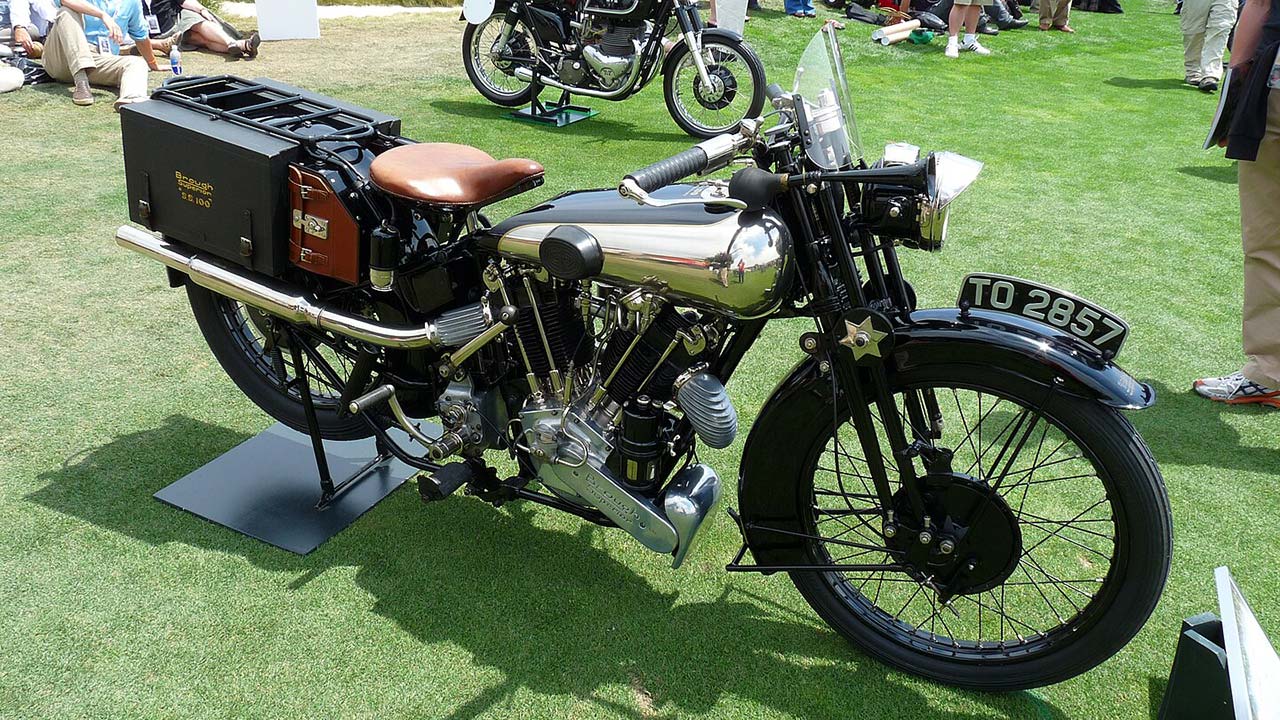
One of the prime exemplars of this enduring legacy is the iconic Brough Superior SS100. Often revered as the “Rolls-Royce of Motorcycles,” this bike, crafted in the early 20th century, delivered a staggering 100 mph – a benchmark that echoed through decades. Its unique construction with attention to detail, combined with a robust V-twin engine, ensured not only speed but also exceptional handling and durability. Riders of the SS100 enjoyed a symbiosis with their machines that transcended mechanical function, experiencing a seamless fusion of man and motor that rivaled many modern superbikes.
In examining vintage motorcycles that outperform today’s machines, it is essential to consider several facets of their construction—engine technology, frame design, and materials science. Many classic bikes showcased pioneering engineering techniques ahead of their time. For instance, weight distribution and frame rigidity were artfully manipulated to optimize cornering and acceleration. Lightweight alloys, hand-formed steel, and precision-machined components culminated in performance profiles that remain compelling by today’s standards.
Beyond raw speed, endurance and reliability distinguish several vintage models. The Isle of Man TT racers from the mid-1900s exemplify endurance engineering, where motorbikes needed to withstand grueling conditions across demanding circuits. Many of these motorcycles featured air-cooled engines, robust transmission systems, and chassis designed for long-haul resilience. Modern counterparts, while benefiting from liquid cooling and computerized controls, sometimes falter under sustained stress where these vintage machines thrived.
The interplay of torque and power delivery in vintage motorcycles often differs markedly from the calibrated outputs of contemporary bikes. Older engines, notably air-cooled singles or parallel twins, generate a broad, flexible torque curve, favoring mid-range power that strikes a balance between usability and thrilling acceleration. This contrasts with the high-revving, peak-power-centric design of many modern engines, which can sacrifice versatility in everyday riding scenarios. Such characteristics endow vintage bikes with distinctive riding experiences, where smooth throttle response and mechanical feedback are prized over sheer numerical supremacy.
Transmission systems in classic motorcycles also contribute to their competitive edge. Manual gearboxes with direct mechanical linkages provide unparalleled tactile engagement. Riders often find that the precision and responsiveness of these gearboxes allow for finer control, especially on twisty backroads and historic racing tracks. While modern motorcycles lean heavily on electronic aids and seamless automatic transmissions, purists argue that nothing replicates the tactile intimacy and immediate response of vintage shift patterns.
Another dimension to consider is the artistry embedded within the restoration and customization of vintage motorcycles. Enthusiasts frequently engage in meticulous rebuilding efforts, employing period-correct parts and materials that preserve, and sometimes enhance, original specifications. These curated machines reflect an intimate understanding of the mechanics, resulting in bikes that not only function but perform as intended, often surpassing their factory benchmarks due to improved craftsmanship techniques and modern maintenance insights.
Furthermore, vintage motorcycles operate within a cultural and historical context that accentuates their performance credentials. They are living legacies of industrial innovation, social transformation, and technological experimentation. Throughout their operational lifespans, these bikes underwent iterative improvements inspired by competition and necessity, leading to models that became paragons of speed and agility in their respective eras. This evolutionary lineage imbues vintage motorcycles with a dynamic performance ethos that resonates in contemporary comparisons.
It is also critical to address the ongoing discourse surrounding technological simplicity inherent in vintage bikes versus the increasing complexity of modern motorcycles. While today’s machines feature electronic fuel injection, traction control, anti-lock braking systems, and sophisticated suspension adjustments, vintage motorcycles emphasize mechanical purity. For some aficionados, this translates into an unfiltered riding experience, where the rider’s skill and intuition remain paramount. The absence of electronic interference demands heightened control and attentiveness, often resulting in a deeper connection to the road and machine.
Safety considerations naturally arise when evaluating vintage motorcycles against contemporary models. Modern innovations have undoubtedly improved rider protection and accident mitigation. However, some vintage designs incorporated forward-thinking safety features, such as advanced drum brake systems, effective suspension travel, and ergonomic rider positioning. These elements contributed to handling stability and controllability, aspects vital to performance under challenging conditions and speeds that rivaled the newly emerging post-war machines.
Moreover, the aftermarket and collector communities play a significant role in perpetuating the performance and appeal of vintage motorcycles. Specialized suppliers provide authentic spares, refined tuning options, and expert modifications that bridge the gap between heritage and high performance. This ecosystem ensures that vintage bikes can be maintained at peak operating conditions, sometimes even exceeding original factory outputs. The cyclical infusion of innovation within this niche underscores the timelessness and adaptability of these machines.
In conclusion, vintage motorcycles are not merely relics of motorcycling history; they are formidable machines that continue to captivate and outperform. Their blend of mechanical ingenuity, enduring reliability, and rider-centric design ensures that these classic bikes remain relevant against the proliferation of modern technology. Appreciating these motorcycles requires an understanding that performance transcends numerical specifications — it is about the totality of engineering, craftsmanship, culture, and experience.
Whether through the breathtaking velocity of a Brough Superior SS100 or the resilient endurance of a mid-century Isle of Man racer, vintage bikes embody a unique nexus of form and function. Their compelling narratives and tangible presence on the road offer a rich and rewarding journey for those seeking to comprehend the true breadth of motorcycle performance across eras. In a world enamored with the new, these timeless machines remind us that sometimes, the past still races ahead.