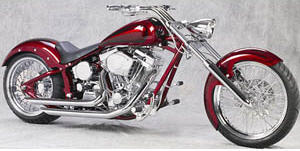
In the realm of custom motorcycles, few machines captivate the imagination quite like project chopper bikes. These two-wheeled marvels blend raw craftsmanship with unbridled creativity, transforming humble beginnings into rolling works of art. For enthusiasts seeking to embark on their own chopper-building journey without breaking the bank, the hunt for affordable project bikes can feel like an exhilarating treasure hunt. Whether you’re a seasoned gearhead or a newcomer to the chopper scene, the quest for a budget-friendly canvas to unleash your vision is filled with possibilities. From hidden online marketplaces to local salvage yards brimming with potential, the avenues to uncover these mechanical gems are as diverse as the choppers themselves. This guide delves into the rich tapestry of resources where you can find project chopper bikes for cheap, ensuring your next build starts on the right throttle.
The Allure of Project Chopper Bikes: Why They Captivate Riders
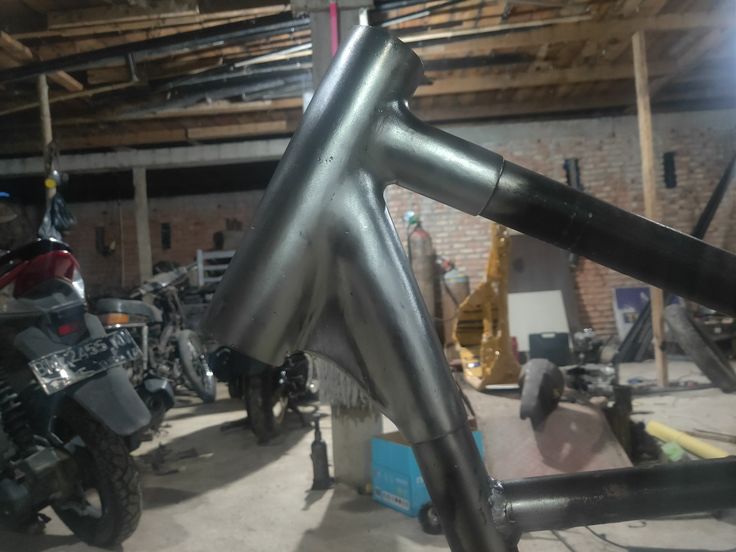
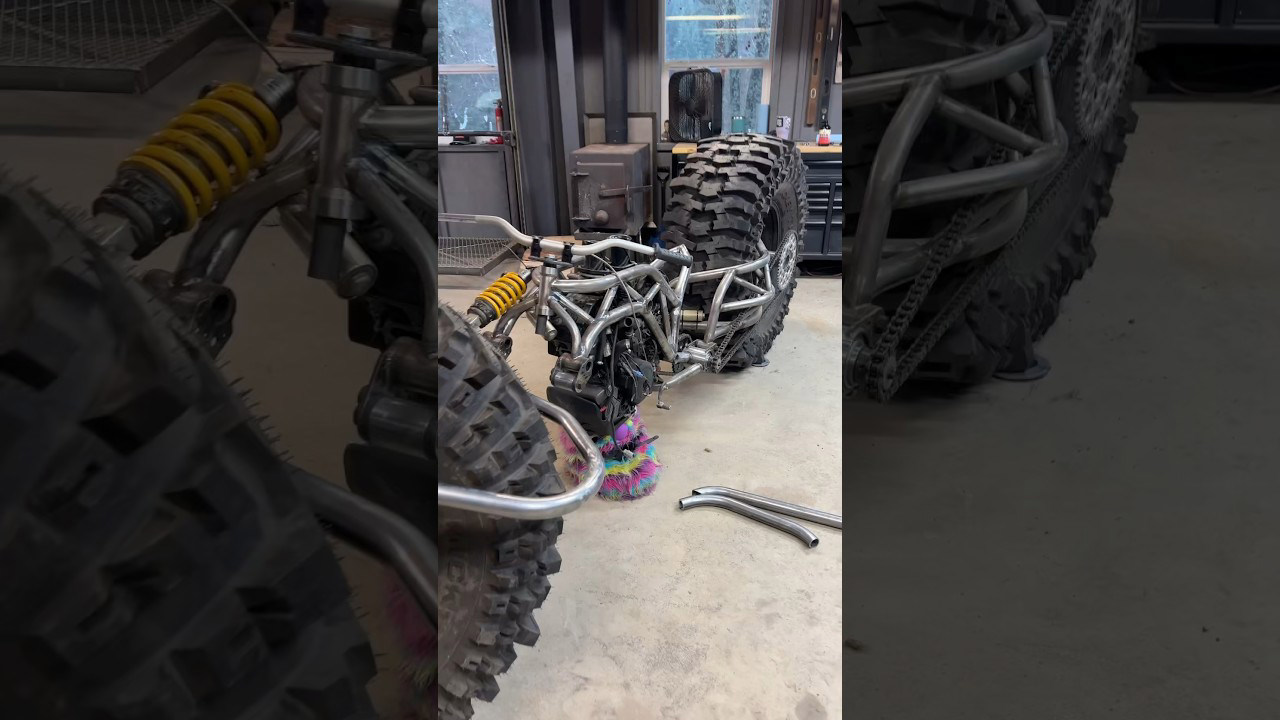
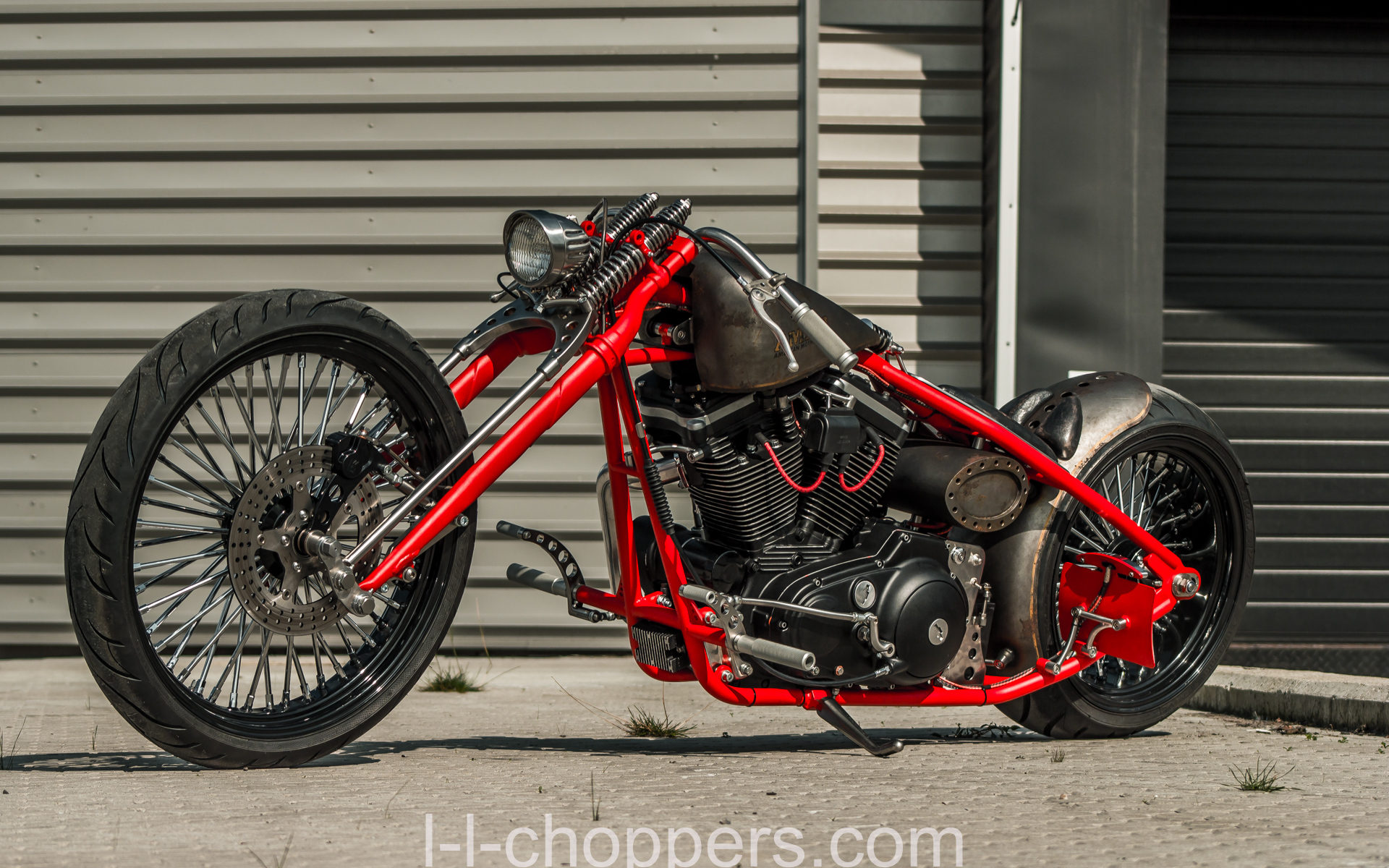
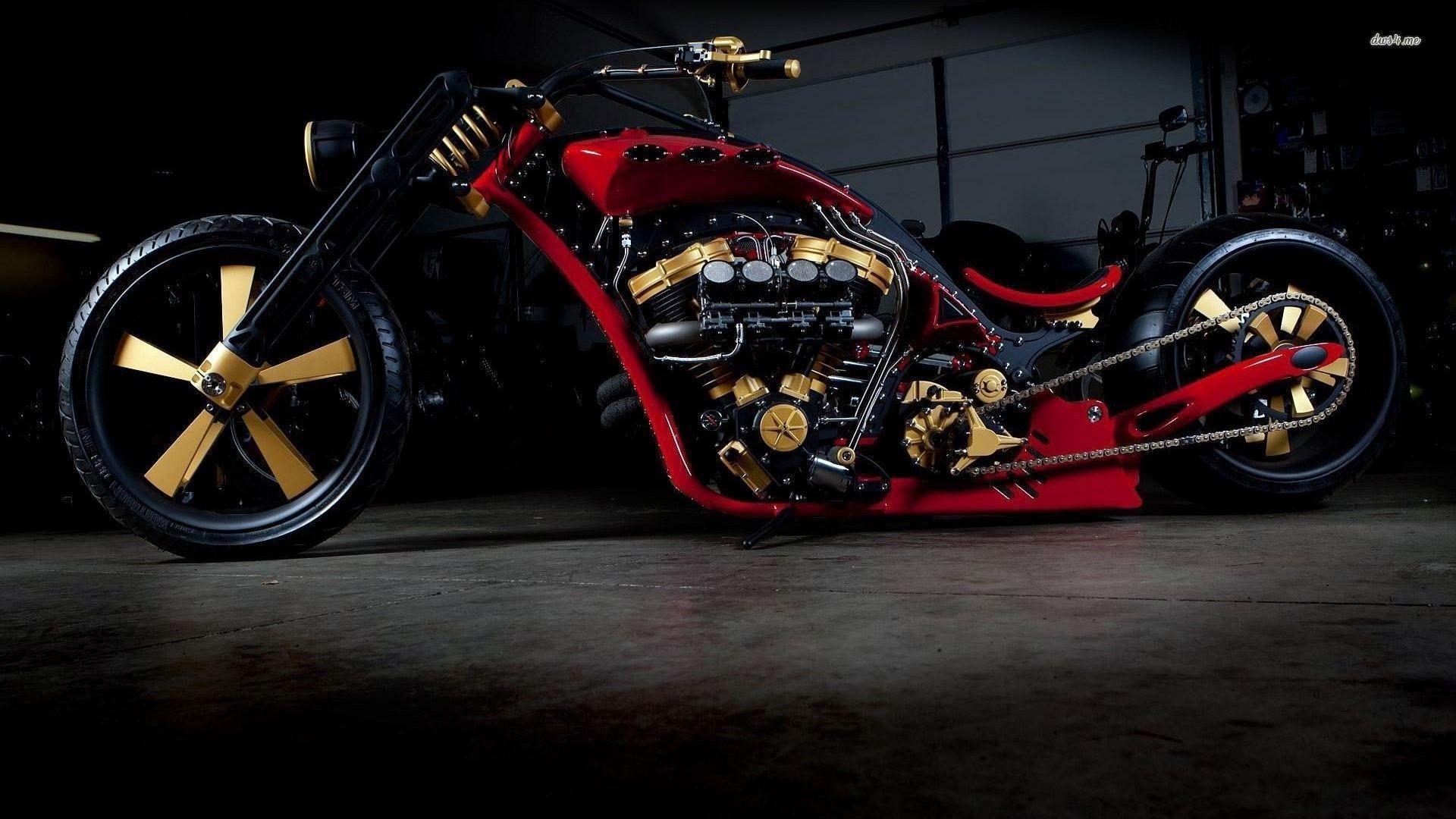
Project chopper bikes are more than just motorcycles; they are a blank canvas for self-expression, a rebellion against mass production, and a testament to the builder’s ingenuity. Unlike factory-fresh models, these bikes often come stripped down to their bare essentials—frames, engines, and a handful of parts—inviting riders to reimagine them from the ground up. The allure lies in the transformation: a rusted frame can become a sleek, minimalist cruiser; a discarded engine can roar back to life with a fresh rebuild. For many, the appeal is deeply personal. It’s about reclaiming control over the machine beneath you, about the thrill of seeing your vision materialize bolt by bolt. The community around project choppers thrives on this ethos of customization, where every weld, every coat of paint, tells a story. Whether you’re drawn to the raw, unfinished aesthetic of a “rolling chassis” or the promise of a bike that’s uniquely yours, project choppers offer a level of satisfaction that off-the-shelf motorcycles simply can’t match.
Beyond the creative freedom, project choppers often come with a price tag that’s a fraction of what a fully built custom bike would cost. This affordability opens the door to a broader audience—budget-conscious builders, DIY novices, and even seasoned professionals looking to experiment with unconventional designs. The hunt for these bikes is part of the adventure, a journey that sharpens your eye for potential and deepens your appreciation for the craft. From the humblest of beginnings, a project chopper can evolve into a masterpiece, a rolling sculpture that turns heads at every stoplight. It’s this blend of challenge, creativity, and cost-effectiveness that makes project choppers so irresistibly magnetic.
Online Marketplaces: The Digital Goldmine for Budget Builds
In today’s interconnected world, the internet is the first stop for most chopper hunters. Online marketplaces teem with project bikes, each listing a potential blank slate for your next build. Platforms like eBay, Craigslist, and Facebook Marketplace are veritable treasure troves, where sellers from across the globe list everything from partially dismantled frames to complete rolling chassis. The beauty of these platforms lies in their sheer volume—you’re not limited to your local scrapyard or classifieds. Instead, you can cast a wide net, filtering searches by price, location, or even specific components you’re seeking. eBay, in particular, is a haven for rare finds, where auctions can drive prices down to astonishing lows, especially for bikes that have sat idle for years.
Craigslist and Facebook Marketplace, on the other hand, offer a more personal touch. Sellers often include detailed descriptions of a bike’s history, its current condition, and even photos of past projects they’ve completed. This transparency can be invaluable when you’re working with a tight budget, as it helps you avoid costly surprises. Local pickup is another advantage—no shipping fees, no waiting, just a quick test ride and a handshake deal. For those willing to venture beyond the mainstream, niche forums and dedicated motorcycle swap sites can yield hidden gems. Websites like Bike-Exchange or even Reddit’s r/motorcycles subreddit often feature listings from enthusiasts looking to offload projects quickly. The key is patience and persistence; the perfect project bike might not appear overnight, but when it does, it’s worth the wait.
Salvage Yards and Scrap Heaps: Unearthing Mechanical Diamonds in the Rough
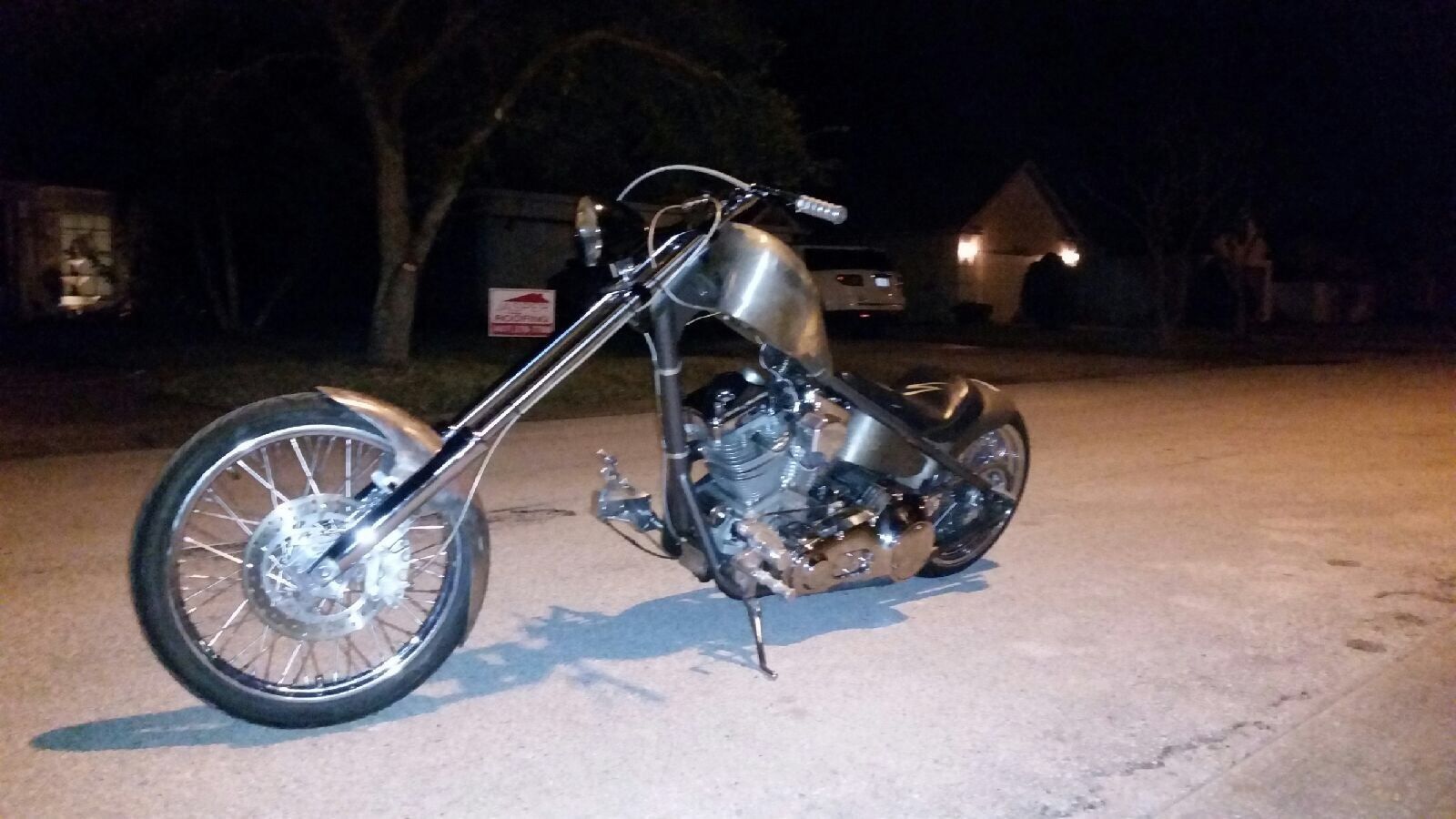
For the truly intrepid, salvage yards and scrap metal depots are where the magic happens. These sprawling graveyards of discarded machinery hold untold potential for the discerning chopper builder. A rusted frame here, a discarded engine there—what might seem like junk to the untrained eye can become the foundation of your dream bike. The thrill of the hunt in these places is unparalleled. You’re not just browsing; you’re excavating, sifting through the detritus of past rides to find that one piece that sparks your imagination. Salvage yards often have sections dedicated to motorcycles, where bikes of all makes and models sit in various states of disrepair. Some may be missing critical parts, while others might just need a thorough cleaning and some TLC to roar back to life.
Negotiating prices in salvage yards requires a mix of charm and strategy. Sellers are often more willing to part with items for a song if you’re polite and upfront about your budget. It’s also wise to bring a multimeter or basic tools to test components on the spot—an engine that looks pristine might be seized, or a frame might have hidden cracks. Don’t overlook the smaller yards either; sometimes, the best deals are found in the most unassuming places. Local scrap dealers might not advertise their motorcycle parts, but a quick phone call or visit could reveal a trove of forgotten treasures. The beauty of building from salvage is the story your bike will carry. Every scratch, every patina, becomes a chapter in its history, a testament to its resurrection from the scrap heap to the open road.
Local Classifieds and Community Boards: Tapping into the Grassroots Network
Sometimes, the best finds aren’t online at all—they’re right in your backyard. Local classifieds in newspapers or community bulletin boards often feature project bikes from neighbors looking to downsize or upgrade. These listings can be goldmines, especially in areas with a strong motorcycle culture. A quick perusal of your local paper’s “For Sale” section or a stop by a community center’s bulletin board might reveal a hidden gem. The advantage here is proximity; you can inspect the bike in person, meet the seller face-to-face, and even take it for a spin before committing. Plus, local sellers are often more flexible with pricing, especially if they’re eager to see the project find a new home.
Word of mouth is another powerful tool in the chopper hunter’s arsenal. Strike up conversations at local bike meets, gas stations, or even motorcycle repair shops. Enthusiasts love to share leads, and you never know when someone might mention a friend of a friend who’s selling a project bike. Community boards at coffee shops, libraries, or even laundromats can also yield surprising results. The key is to stay engaged with your local scene—attend bike nights, join club rides, and immerse yourself in the culture. The more you put yourself out there, the more opportunities will come your way. And who knows? You might just stumble upon a fellow builder who’s willing to trade parts or skills instead of cash, turning your project into a collaborative masterpiece.
Estate Sales and Auctions: Where Time and Circumstance Create Opportunities
Estate sales and auctions are often overlooked but can be incredibly fruitful for finding project chopper bikes at bargain prices. When a motorcycle enthusiast passes away or downsizes, their collection of parts and bikes may be liquidated quickly, sometimes at a fraction of their market value. Estate sales, in particular, are a chaotic mix of nostalgia and opportunity. You might walk into a garage filled with decades of accumulated gear, only to find a half-finished chopper tucked away in the corner, waiting for someone to give it a second life. Auctions, whether online or in-person, operate on a similar principle—competition drives prices up, but the right bid at the right moment can secure a project bike for pennies on the dollar.
The downside? These sales move fast, and the competition can be fierce. It’s essential to arrive early, scope out the layout, and prioritize what you’re after. Bring cash if possible, as some sellers prefer immediate payment. Online auctions like GovDeals or local government surplus sales can also be goldmines, especially for bikes that have been seized or abandoned. The thrill of winning a bid on a project bike that’s been languishing in storage for years is unmatched. Just be prepared for some detective work—estate sales rarely come with warranties, so inspect carefully or bring an expert along. The rewards, however, can be life-changing for a builder on a budget.
DIY Kits and Partial Builds: The Middle Ground for Budget Builders
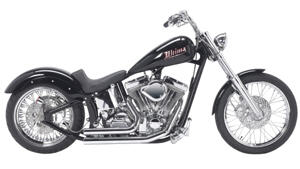
For those who want to skip the scavenger hunt entirely, DIY chopper kits offer a middle ground between a blank slate and a fully built bike. These kits typically include a frame, wheels, and basic components, leaving the engine and finishing touches to the builder. They’re designed to be affordable, accessible, and customizable, making them perfect for beginners or builders on a tight budget. Kits can range from simple “rolling chassis” setups to more comprehensive packages that include forks, handlebars, and even seats. The advantage is clear: you get a solid foundation without the guesswork of sourcing every part yourself. Plus, many kits are designed to be compatible with aftermarket parts, giving you the freedom to upgrade as your skills and budget allow.
Where to find these kits? Start with reputable suppliers specializing in chopper parts and accessories. Websites like J&P Cycles, RevZilla, or even smaller boutique shops often carry a selection of kits tailored to different budgets and styles. Local motorcycle shops may also stock kits or be able to order them for you. When choosing a kit, pay attention to the quality of the frame and components—cheap welds or subpar materials can lead to headaches down the road. It’s also worth considering the engine. Some kits are engine-agnostic, allowing you to repurpose an old V-twin or even a smaller displacement motor, while others come with a specific engine in mind. The key is to align the kit with your vision, whether that’s a minimalist bobber or a full-on custom chopper with ape hangers and a stretched frame.
Networking with Builders: The Unwritten Rules of the Chopping Community
The motorcycle customization community is a tight-knit, passionate group, and tapping into its collective knowledge can open doors you never knew existed. Networking with other builders—whether online or in person—can lead to insider tips on where to find project bikes, hidden sales, or even trades that bypass cash entirely. Start by joining forums like Bike-Builders.com or the Chopper Chat subreddit, where builders share their experiences, post “for sale” ads, and offer advice to newcomers. Attend bike shows, swap meets, and local meetups to connect with like-minded enthusiasts. Many builders are eager to help, especially if you’re willing to trade skills or labor for parts or bikes.
Another avenue is volunteering at motorcycle events or shops. Many builders are always looking for an extra set of hands, and in exchange, you might gain access to their stash of spare parts or insider knowledge about upcoming sales. Some shops even offer “project bike” programs, where they sell or rent out bikes in need of work at discounted rates to builders who are willing to put in the time. The key to successful networking is authenticity. Show genuine interest in others’ projects, share your own goals, and be open to collaboration. The chopper community thrives on camaraderie, and the bonds you form can lead to lifelong friendships—and maybe even the project bike of your dreams.
Finishing Touches: What to Look for in a Project Bike
Not all project bikes are created equal, and knowing what to look for can save you from a costly mistake. Start with the frame—it’s the backbone of your build, and any cracks, bends, or rust-through spots can be dealbreakers. A solid frame should be free of major corrosion, with clean welds and no signs of stress. Next, inspect the engine and transmission. A seized engine or a tranny with grinding gears will require significant investment to repair, so be wary of bikes that have been sitting idle for years. If possible, get a compression test or a mechanic’s inspection to assess the engine’s health. The wheels, tires, and brakes are also critical—rotors should be smooth, tires should have plenty of tread, and spokes should be tight and true.
Don’t overlook the small but crucial details, like the condition of the forks, triple trees, and swingarm. These components bear the brunt of the bike’s weight and handling, so any wear or damage can compromise safety. Electrical systems are another common pain point; a bike with a fried wiring harness or a dead battery might require a full rewire, which can be time-consuming and expensive. Finally, consider the bike’s provenance. A chopper with a documented history—even if it’s just a few photos of past builds—can be more valuable than an anonymous frame. The goal is to find a project that aligns with your skill level and budget. A bike that’s 80% complete might seem like a steal, but if the remaining 20% requires skills or tools you don’t have, it could end up costing more in the long run.
The journey to finding the perfect project chopper bike is as much about patience as it is about persistence. The road is lined with rusted frames, discarded engines, and forgotten dreams, but for those willing to dig, the rewards are immeasurable. Whether you uncover your next build in the digital aisles of an online marketplace, the chaotic aisles of a salvage yard, or the quiet corners of a local estate sale, the thrill of the hunt is part of the magic. Each bike has a story waiting to be rewritten, each scratch and dent a chapter in its rebirth. So rev up your engines, sharpen your wits, and get ready to transform the ordinary into the extraordinary—one chopper at a time.