Have you ever wondered why riding a motorcycle from the 1980s feels distinctly different from straddling the latest models? It’s more than just nostalgia whispering sweet nothings to your senses; there’s a tangible essence, a rough-edged authenticity that older bikes convey—a rawness that modern motorcycles often seem to lack. But what exactly makes these two eras so divergent in experience? Is it merely an artifact of time, or does the core philosophy behind motorcycle design play a pivotal role? Exploring this question takes us on an intricate journey through engineering evolutions, rider engagement, and the very soul of motorcycling.
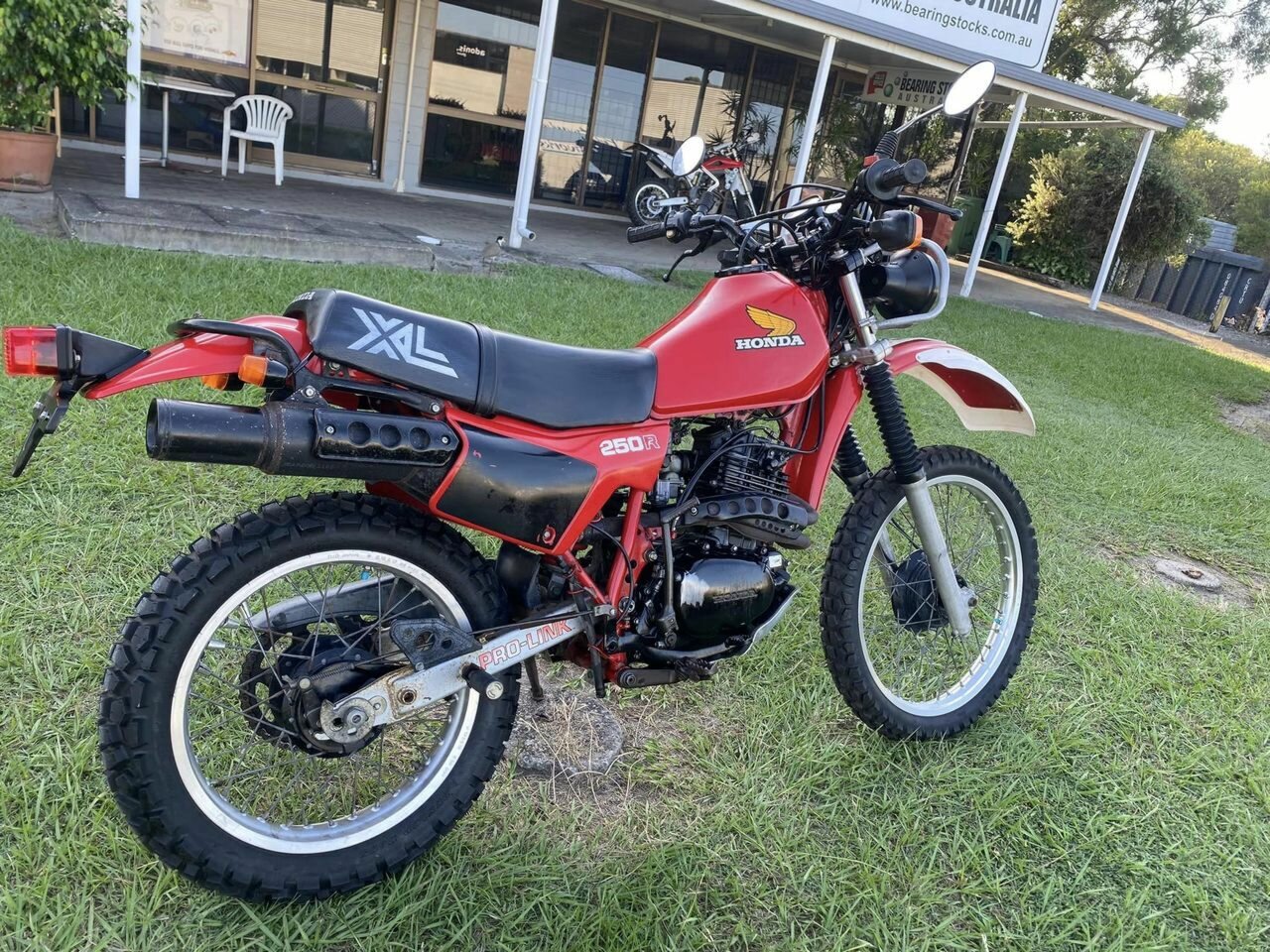
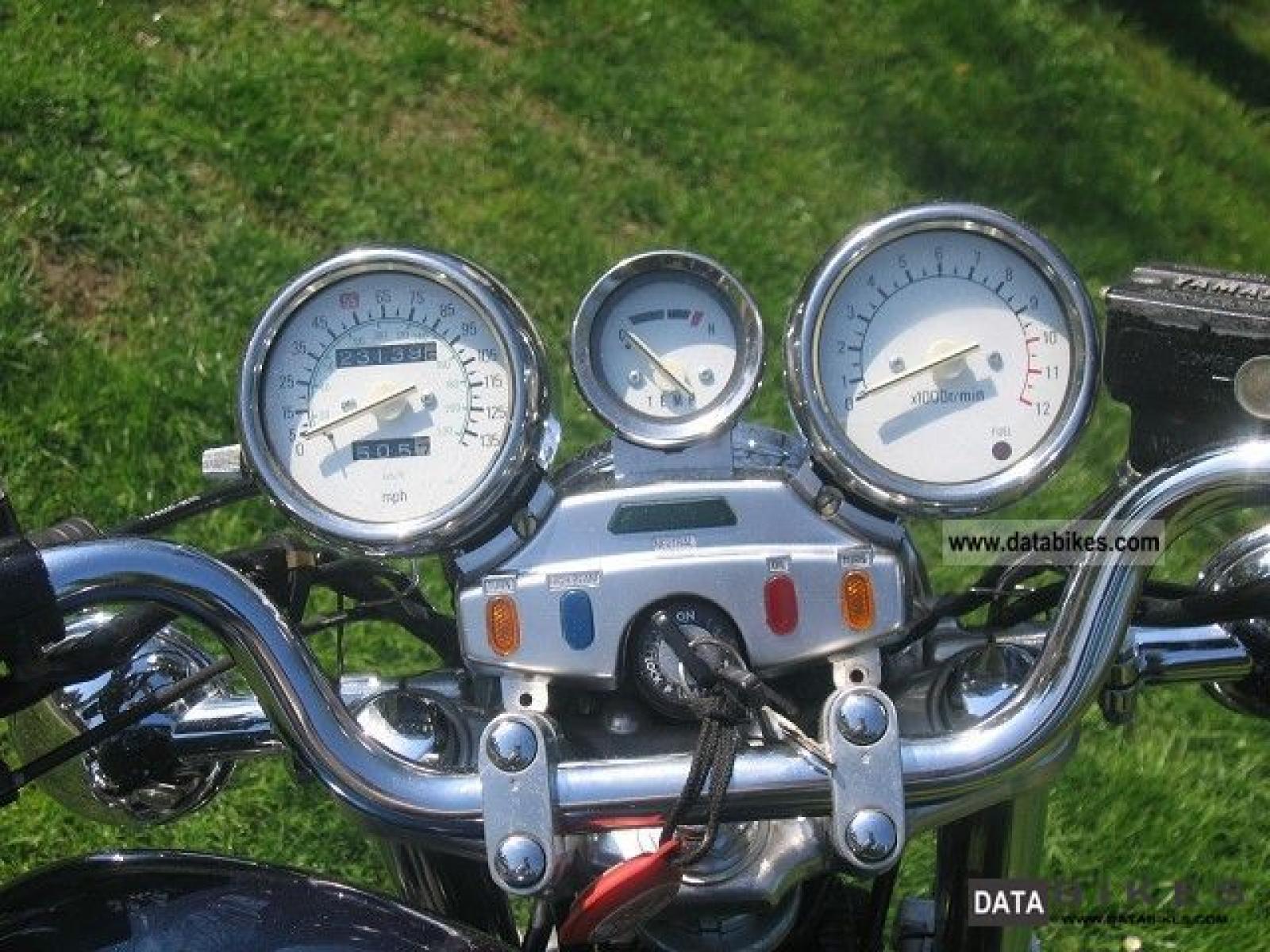
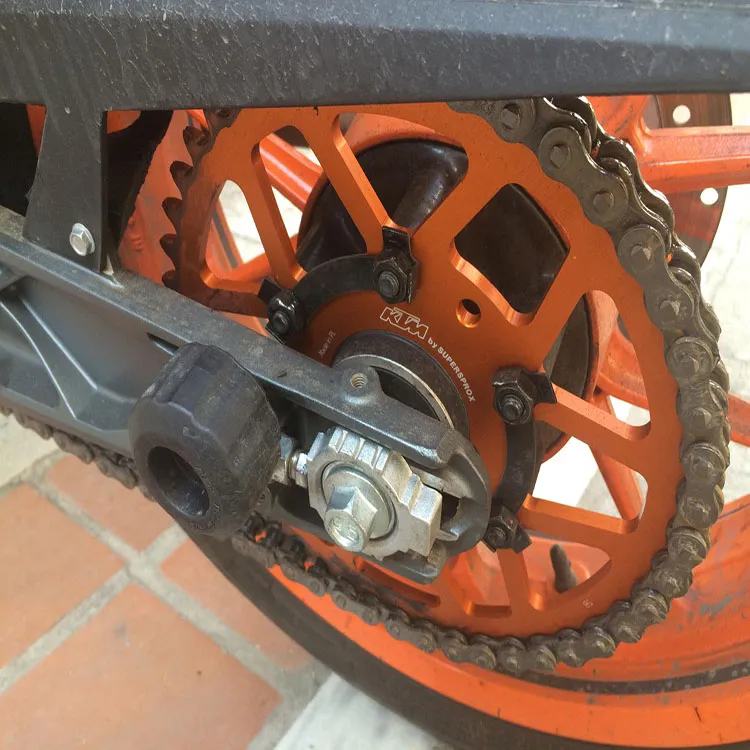
Perhaps the foremost aspect contributing to the raw sensation of 1980s motorcycles is their mechanical transparency. Unlike today’s technologically saturated counterparts, these vintage machines possess a simplicity that is refreshingly immediate. There’s no obfuscation behind layers of digital displays, electronic aids, or complex engine management systems. Instead, riders face analog gauges, physical levers, and carburetors that demand tuned attention. This tactile interface doesn’t just inform the rider; it requires them to become an intimate part of the machine’s rhythm. The mechanical symphony of valves, chains, and exposed components sings a song of direct interaction, orchestrating an almost primal connection between human and metal.
Modern motorcycles are marvels of innovation, equipped with traction control, ABS, ride-by-wire throttles, and multiple riding modes. These technologies certainly enhance safety and convenience, but they also insulate the rider from many of the raw mechanical sensations integral to motorcycling’s heritage. In contrast, 1980s bikes force riders into a more hands-on experience—you must master clutch control, execute precise throttle inputs, and feel the reluctance or eagerness of the engine beneath you without electronic assistance. This heightened level of engagement cultivates a sense of mastery and vulnerability that is both thrilling and humbling.
Another element contributing to the rawness is the unmistakable auditory character of 1980s motorcycles. The roar of an air-cooled engine, the metallic clatter of a chain drive, and the unfiltered exhaust note are visceral stimuli that modern muffled, electronically managed systems struggle to replicate authentically. Sound, often underestimated, is a crucial dimension of motorcycling’s allure. These sounds are not just noise; they are an acoustic signature that communicates engine behavior, alerts riders to impending shifts, and enriches the sensory tapestry of every ride.
The tactile feedback transmitted through the handlebars, seat, and footpegs on a vintage bike fosters a unique kinesthetic awareness. Road imperfections and engine pulses reach the rider’s body in a raw form, acting as an immediate, unmediated dialogue between man and machine. While this might be perceived as fatigue-inducing by some, many enthusiasts cherish it as an unvarnished honesty that underscores the dynamic essence of motorcycling.
A deeper dive into the design ethos of the 1980s reveals a landscape where manufacturers balanced performance with mechanical character rather than digital optimization. Often, motorcycles from this period embraced imperfections that are now ironed out by microprocessors. Slight engine vibrations, throttle quirks, and mechanical idiosyncrasies were not inconveniences but badges of authenticity. These nuances demand respect and attentiveness, fostering a unique rider-machine rapport.
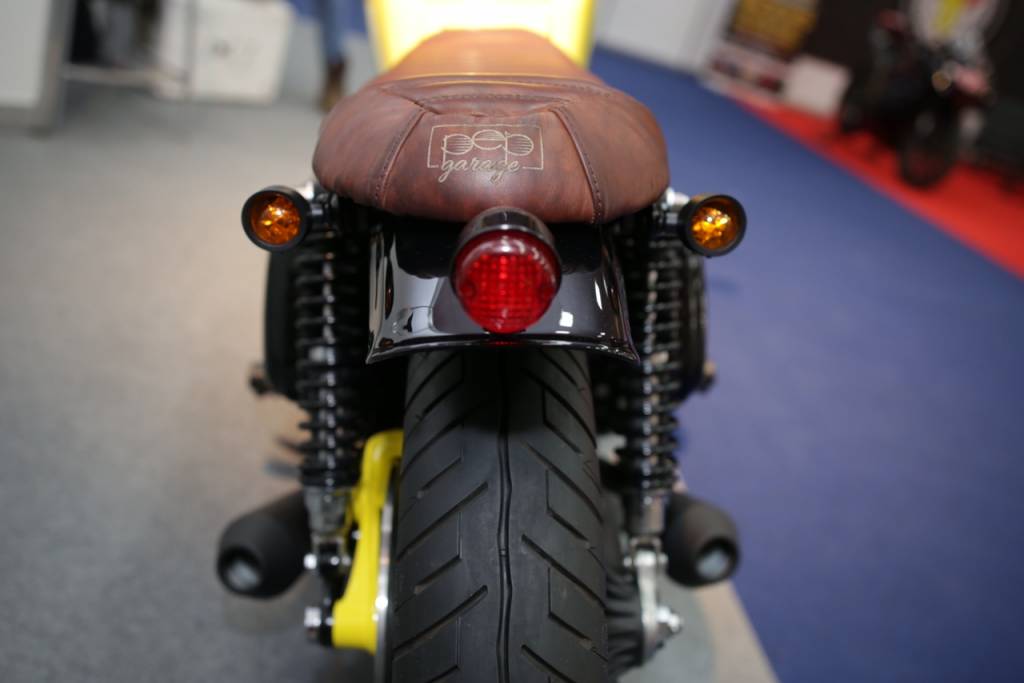
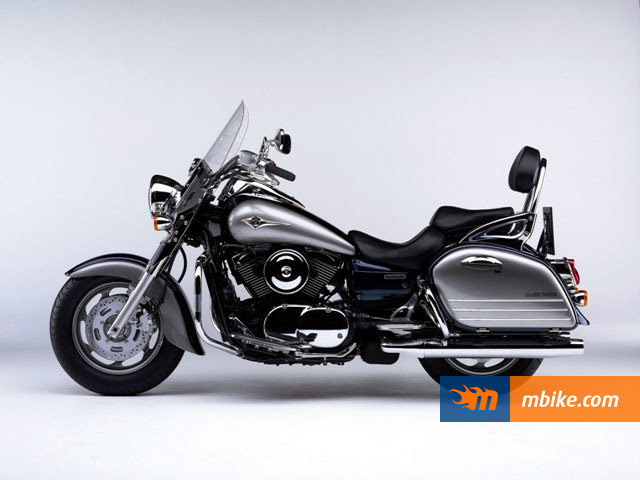
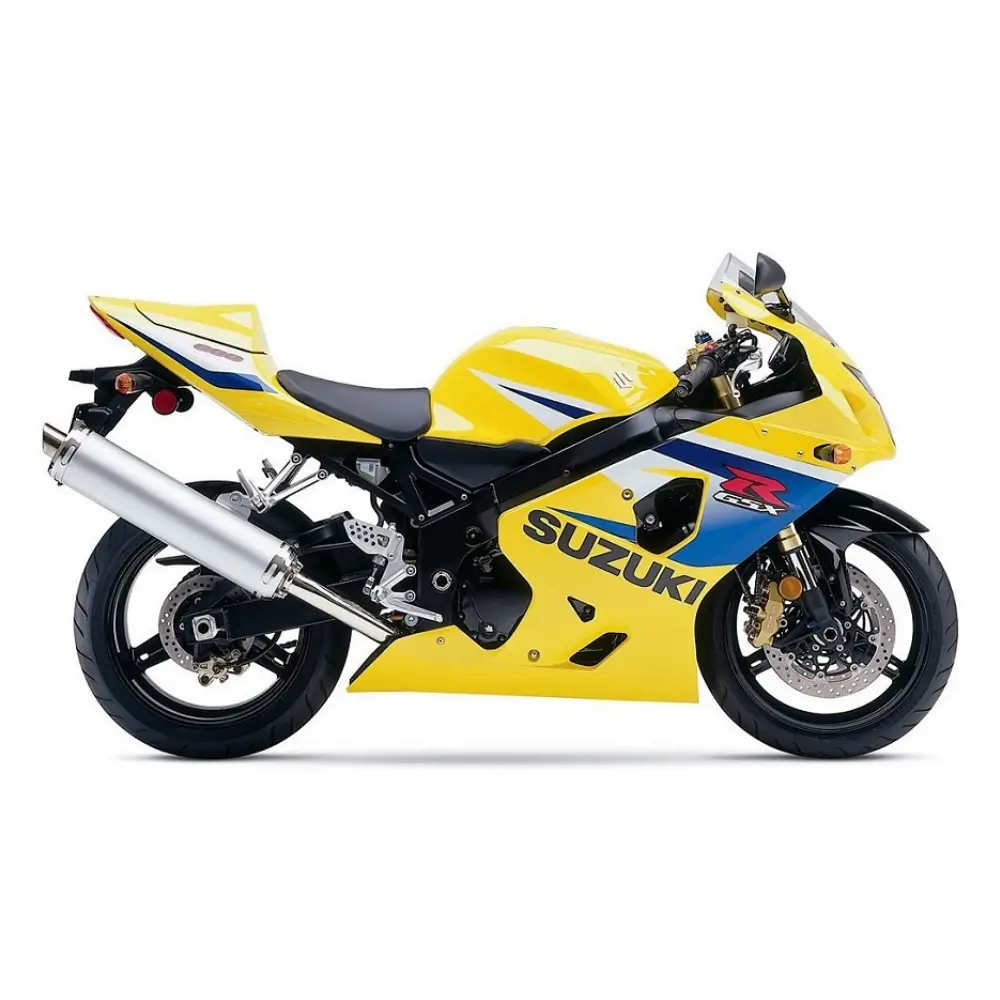
The aesthetic dimension also plays a subtle yet impactful role. The visual and tactile charm of exposed frames, analog dials, and minimalist bodywork echoes an era when form followed straightforward function. These design choices invite riders to appreciate the engineering artistry with every glance and touch. In contrast, the aerodynamic molds and sleek, technology-embedded fairings of modern bikes, while visually stunning, often veil the underlying mechanics, creating a barrier to that raw connection.
Moreover, 1980s motorcycles often represented a more personalized ownership experience. Riders were frequently involved in routine maintenance—adjusting carburetors, tuning chains, or fine-tuning suspension settings. These hands-on duties not only deepened mechanical understanding but also reinforced an emotional bond with the motorcycle. In today’s age of sealed electronic units and dealer-only servicing, that intimate maintenance ritual has largely vanished, taking with it some of the raw soul that made riding more than just commuting.
So, does this rawness equate to superiority in every way? Not necessarily. Modern motorcycles have undeniably raised the bar in reliability, safety, efficiency, and sheer performance. However, if one measures the essence of motorcycling as an art form—a symbiotic ritual between rider and machine—1980s motorcycles offer a purer, more unfiltered encounter. This experience can be likened to listening to an acoustic recording versus a polished studio remix—the former embraces imperfections that ignite emotion, while the latter delivers technical perfection but sometimes at an emotional cost.
Additionally, the raw feel challenges riders in ways modern bikes do not, requiring continuous learning and adaptation. This challenge can be profoundly satisfying. It cultivates patience, hones instincts, and deepens appreciation for the rider’s role in a motorcycle’s behavior. It’s almost as if 1980s motorcycles demand respect and cooperation rather than compliance, creating a dynamic interactivity that modern systems often automate away.
In summation, the raw vibe emanating from 1980s motorcycles is a multifaceted phenomenon sculpted by their mechanical simplicity, tactile feedback, acoustics, design philosophy, and ownership culture. They compel riders into a more engaged, less mediated experience, celebrating authenticity over refinement. While contemporary bikes excel in sophistication and accessibility, they sometimes sacrifice the visceral thrill that only raw machinery can provide. For those seeking that indefinable edge—the whisper of steel, the pulse of unfiltered power—it’s in the vintage roar of these machines that the wild, untamed spirit of motorcycling still roars loudly.