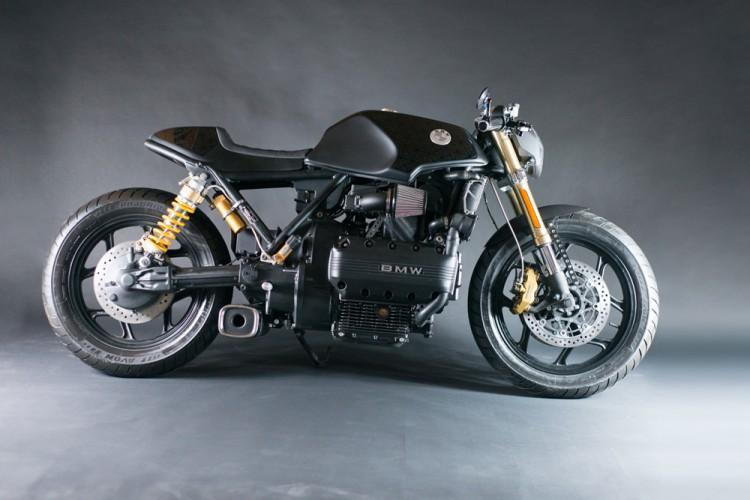
Among the myriad motorcycles that have graced the roads over the decades, the BMW K100RS remains an enduring symbol of innovation and timeless design. Despite its introduction in the early 1980s, this model continues to captivate enthusiasts and casual observers alike. The common sentiment that this motorcycle “feels ahead of its time” stems not merely from nostalgia or aesthetic appeal, but from a confluence of engineering brilliance, design foresight, and a bold approach to functionality that still resonates in today’s motorcycling landscape.
The BMW K100RS was unveiled during an era when motorcycle design was rapidly shifting from sheer horsepower competition to more nuanced considerations—such as rider comfort, aerodynamics, and reliability. The ‘RS’ badge signified a sport-touring intent, but BMW’s meticulous execution went beyond traditional categories. To understand why the K100RS feels so modern, it is essential to examine its fundamental attributes and where they intersect with present-day motorcycle trends.
First, the powerplant of the BMW K100RS was revolutionary. It housed a four-cylinder, 987cc, liquid-cooled engine arranged longitudinally—a departure from BMW’s classic air-cooled boxer twins. This engine not only delivered smooth, potent performance but also set new standards for refinement and reliability. Decades before liquid cooling became ubiquitous in the motorcycle industry, BMW’s decision anticipated a shift toward more thermally efficient, high-performance engines. The longitudinal orientation of the engine also improved weight distribution and handling characteristics, a consideration that many modern sport-touring motorcycles still prioritize.
Beyond the mechanical ingenuity, the K100RS’s frame and chassis dynamics were ahead of their time. BMW employed a robust perimeter frame, which provided increased rigidity without unduly increasing weight. This enabled a balanced ride quality—which today’s riders expect in sport-touring motorcycles—melding spirited handling with long-distance comfort. The introduction of anti-dive front forks and an emphasis on stability at high speeds revealed BMW’s prescience about rider safety and comfort, well before similar features became industry standards.
Aerodynamics, often overlooked in motorcycles of that period, played a pivotal role in the K100RS’s appeal. Its full fairing was not just a frivolous design choice but a carefully sculpted component that reduced drag and mitigated rider fatigue. The design was sleek yet purposeful, foreshadowing the integration of aerodynamic principles seen in modern sport and touring bikes. This blend of form and function created a motorcycle that was not only visually compelling but also functionally advanced.
Another aspect contributing to the timeless nature of the BMW K100RS is its ergonomic refinement. At a time when many motorcycles forced riders into compromising positions—favoring either sport performance or touring ease—the K100RS struck a harmonious balance. The seating position, handlebar placement, and footpeg alignment offered comfort over long distances without sacrificing command or control. This rider-centric philosophy is a hallmark of advanced motorcycle design and one that continues to inform contemporary models.
Moreover, the BMW K100RS was a technological vanguard in terms of instrumentation and ancillary features. The instrument cluster combined analog gauges with practical indicators in an intuitively readable layout, presaging the trend toward user-friendly digital interfaces. Experimental ventures with ABS (Anti-lock Braking System) on later models in the K100 series underscore BMW’s commitment to integrating technology that enhances rider confidence and safety—a feature that has become a standard expectation today.
The charm of the K100RS also resides in its understated aesthetic, deeply embedded in the ethos of German engineering. Its design exudes a purposeful austerity, eschewing flashiness in favor of enduring elegance. Unlike fleeting trends that date motorcycles rapidly, this restrained approach ensures the K100RS retains a refined and relevant presence. The ability of a design to transcend temporal fashions and remain visually compelling is a rare quality, accentuating why this motorcycle still stirs fascination.
Another layer beneath the surface of the K100RS’s forward-thinking nature is its cultural significance. The model bridged the gap between traditional motorcycling and a new breed of riders seeking a multi-dimensional riding experience. Rather than following the established dichotomy between aggressive race bikes and staid cruisers, the K100RS invited riders into a versatile world where performance, comfort, and reliability coexisted. This philosophy anticipated the evolving tastes of motorcyclists worldwide and has influenced generations of sport-tourers that followed.
In many ways, the BMW K100RS embodies a synthesis of engineering foresight and design foresight that remains exceptionally rare. It offers more than just mechanical prowess or aesthetic appeal; it reflects a holistic vision of what a motorcycle can and should be. Its influence is subtly woven through the DNA of many contemporary motorcycles that balance power, sophistication, and rider-focused technology with the inherent joy of two-wheeled exploration.
Even as the motorcycle world continues to evolve, embracing electrification, digital integration, and radical design departures, the BMW K100RS’s legacy endures. It stands as a testament to a moment in time when a manufacturer dared to blend tradition with innovation so seamlessly that the result defied the constraints of its era. This model remains a touchstone of motorcycling excellence, reminding us that true progress lies not in fleeting novelty but in crafting experiences and machines that resonate across generations.
In conclusion, the BMW K100RS still feels ahead of its time because it encapsulates a convergence of visionary engineering, ergonomic harmony, aerodynamic insight, and timeless design principles. Its ability to maintain relevance and inspire admiration decades after its inception speaks volumes about its unmatched synthesis of form and function. This motorcycle is not merely a relic of the past; it is a living exemplar of what happens when innovation marries thoughtful design—a combination that continues to define the pinnacle of motorcycling today.