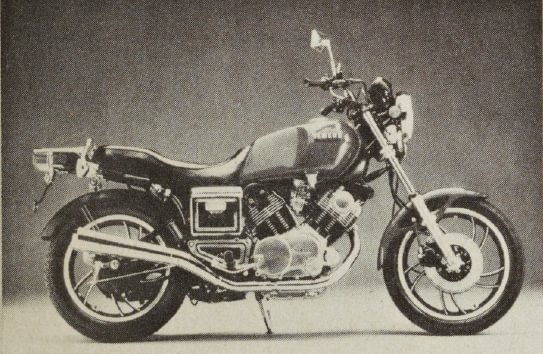
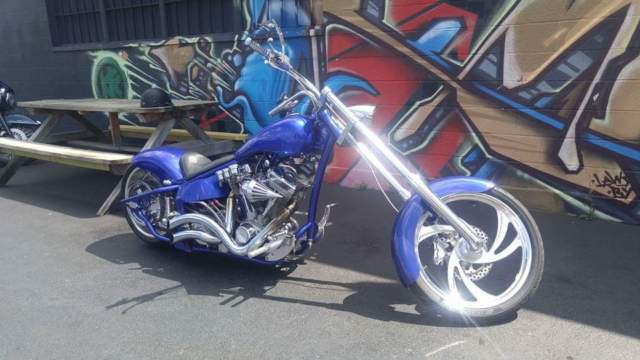
The 1983 Yamaha Virago lineup stands as a pivotal moment in the history of cruiser motorcycles. Marking a departure from the conventional designs of the era, it revolutionized the market by marrying innovative engineering with a distinct aesthetic that captured the spirit of the early 1980s. This lineup encapsulated variety and versatility, appealing to a broad spectrum of riders and setting new standards that would influence cruiser motorcycles for decades to come. The Virago series heralded a new chapter where performance, style, and rider comfort converged with remarkable dexterity.
The intrigue of the 1983 Yamaha Virago lineup stems from its multifaceted approach to cruiser design. It wasn’t just a motorcycle; it was a statement. The lineup featured different engine capacities, primarily the 500cc, 750cc, and 1000cc variants, each marrying power with handling in unique ways. These variations ensured the Virago could cater to novices as well as seasoned riders seeking more grunt and road presence. Notably, the Virago 750 emerged as a quintessential model that balanced robust performance with practical usability. This diversity in the lineup allowed Yamaha to penetrate diverse market segments, offering a tailored experience without sacrificing the core ethos of the cruiser style.
One of the critical elements that set the Virago lineup apart was its pioneering use of a V-twin engine, a configuration revered for its torque delivery and throaty exhaust note. The 1983 iteration embraced the air-cooled two-valve per cylinder system, which contributed to a smooth, reliable riding experience. This V-twin engine was not merely functional; it was an emblem of Yamaha’s engineering prowess and a direct challenge to the traditional American V-twins dominating the cruiser arena. What made Yamaha’s V-twin exceptional was its compact design, which allowed for a lower center of gravity, enhancing stability without compromising the cruiser’s signature laid-back riding posture.
Beyond the engine, the chassis and overall construction of the 1983 Virago exhibited meticulous craftsmanship. Yamaha opted for a double cradle tubular steel frame that provided an optimal balance between rigidity and flexibility. This combination translated to a stable yet comfortable ride, absorbing road imperfections without detracting from the motorcycle’s sporty feel. The Virago’s suspension system was equally noteworthy, often featuring telescopic forks at the front and dual shock absorbers at the rear, tuned for cruising comfort but also equipped to handle spirited urban rides. This attention to ride dynamics was instrumental in broadening the appeal of cruisers to those who desired both relaxation and a measure of agility.
Styling played an indispensable role in the Virago lineup’s success. The motorcycles exuded a timeless aesthetic, characterized by flowing lines, a teardrop fuel tank, and minimalist chrome embellishments. The design was unapologetically classic yet infused with contemporary sensibilities that did not succumb to the overly ornate trends of the past. Ergonomics further underscored Yamaha’s commitment to rider comfort. The seats were sculpted to provide an inviting ride position, while handlebars and footrests were positioned to facilitate both easy control and long-distance comfort. This blend of form and function meant the Virago could be both a daily commuter and a weekend cruiser.
In addition to its mechanical and stylistic prowess, the 1983 Virago lineup was also notable for the range of content and features Yamaha incorporated to appeal to different rider demographics. For instance, feature-rich variants included electric starters, a technological amenity that was becoming increasingly standard but nevertheless appreciated by riders transitioning from kickstarts. Instrumentation was comprehensive yet straightforward, with analog gauges delivering speed, tachometer readings, and fuel levels in a clean, readable format. These thoughtful inclusions enhanced the overall user experience, making ownership more accessible and enjoyable.
Exploring the broader impact of the 1983 Virago lineup reveals its lasting influence on the cruiser segment worldwide. Prior to the Virago, many cruisers were criticized for their cumbersome handling and fuel inefficiency. Yamaha’s entry challenged these stereotypes, proving that cruisers could be nimble, reliable, and fuel-conscious without losing their characteristic charm. This pivot laid the groundwork for subsequent innovations and higher consumer expectations. Moreover, it signaled the globalization of cruiser motorcycles, demonstrating that Japanese manufacturers could compete head-to-head with long-established American brands on equal footing, both in performance and cultural appeal.
The 1983 Yamaha Virago also played an integral role in shaping rider culture and community. By lowering the barrier to entry with manageable powertrains and approachable styling, it opened the cruiser world to a diverse group of motorcyclists. Women, younger riders, and urban commuters found the Virago lineup inviting and adaptable to various lifestyles. This inclusivity broadened the demographic base of cruiser enthusiasts, fostering a vibrant culture that combined tradition with innovation.
In retrospect, the 1983 Yamaha Virago lineup was more than just a collection of motorcycles; it was a catalyst for change in the cruiser motorcycle industry. Yamaha’s ability to blend innovative engineering with compelling aesthetics and rider-centered features created a legacy that endures. Enthusiasts and collectors today still revere the Virago for its role in expanding what a cruiser motorcycle could embody. Its lineage is evident in modern Yamaha cruisers, which continue to emphasize versatility, style, and performance in equal measure.
Ultimately, the significance of the 1983 Yamaha Virago lineup lies in its embodiment of transformation. It expanded the horizons of cruiser motorcycles, infusing them with new possibilities and setting a precedent for future designs. For riders seeking a blend of classic cruiser appeal and contemporary engineering finesse, the Virago remains a benchmark achievement—one that changed not only the motorcycles themselves but also the ethos surrounding cruiser culture.