When two titans of the middleweight sportbike category line up side by side, motor enthusiasts naturally feel a surge of curiosity and anticipation. The 2003 Kawasaki ZZR600 and the ZX6R are two models that have carved their niches in the pantheon of sport motorcycles, each boasting a blend of performance, style, and engineering prowess. But which one truly commands supremacy, and more importantly, how do their nuanced differences illuminate a broader narrative in motorcycle evolution? This comparative exploration aims not just to declare a winner but to awaken a fresh perspective on what these machines embody beyond mere specifications.
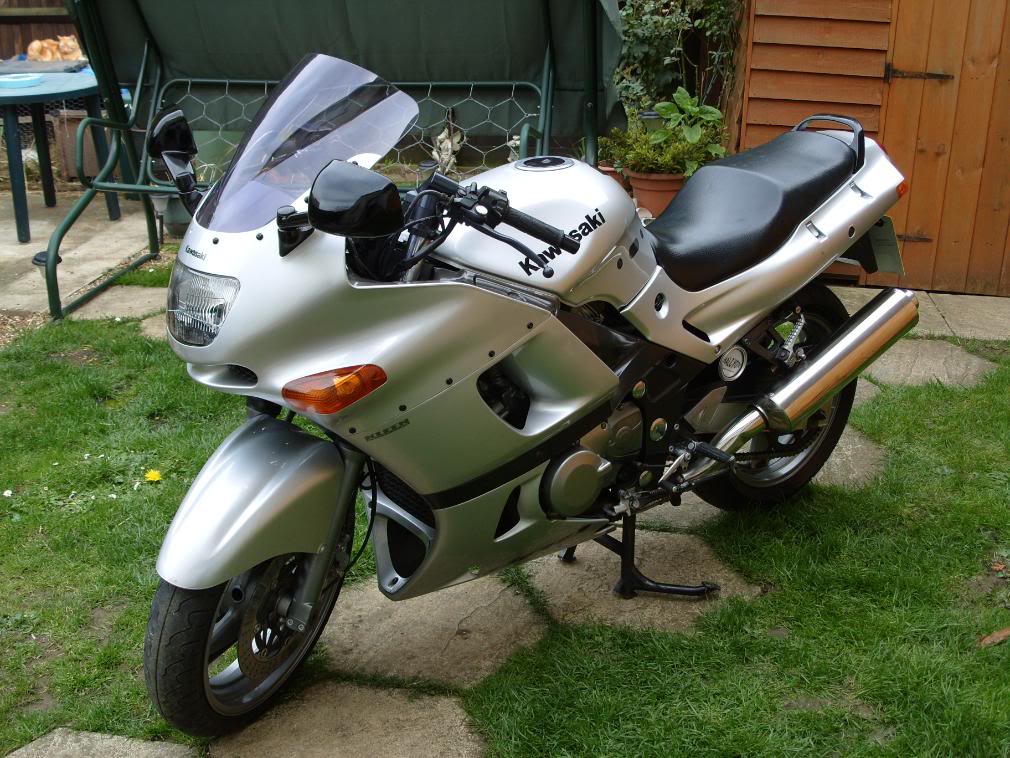
The ZZR600, often heralded for its approachable power delivery and sporting sophistication, was positioned as a versatile sport-tourer blending aggression with everyday usability. Conversely, the ZX6R is Kawasaki’s embodiment of radical performance, a lightweight track-focused weapon designed for razor-sharp precision and blistering speed. At first glance, these descriptions might suggest that the ZX6R simply outclasses the ZZR600 in a straightforward contest. However, a deeper dive into their DNA reveals a fascinating divergence in intent, execution, and rider engagement.
Starting with the heart of these motorcycles—the engine—the ZZR600 is anchored by a 599cc, inline-four engine that generates approximately 100 horsepower with a strong mid-range character. This powerplant favors tractability, offering a broad torque curve that responds fluidly to throttle inputs without demanding constant vigilance. It’s an engine that invites confidence whether slicing through urban traffic or cruising on a desolate highway at sunset. The ZX6R’s 599cc inline-four, by comparison, employs a more aggressive state of tune and a higher redline, pushing horsepower figures closer to 110. It demands a keener sense of timing and throttle control, rewarding the rider with explosive acceleration and a sharper edge in corners. In essence, the ZX6R’s engine invites the enthusiast to harness wild precision, while the ZZR600’s offers a companionable and reliable vigor.
Chassis and suspension form a crucial battleground where these motorcycles distinctly diverge. The 2003 ZZR600 presents a frame geometry that leans toward stability and comfort without shedding the sporty character entirely. Its suspension, while capable, is calibrated for a slightly forgiving ride that smooths the road’s imperfections, making it a strong candidate for longer rides and mixed conditions. The ZX6R, however, is a quintessential sportbike with a stiffened frame and suspension setup honed for cornering prowess and track-ready responsiveness. Every twist of the wrist, every lean angle, feels razor-cut and deliberate. It’s in this dynamic that the ZX6R reveals itself less as a daily rider and more as a purpose-built contender designed to flirt with the limits of adhesion.
Aerodynamics and styling further underscore the contrast in philosophy. The ZZR600’s design language exudes a balanced combination of muscular contours and subtle sophistication. Wind-tunnel testing isn’t wildly pronounced here; instead, Kawasaki sculpted the fairings to offer adequate wind protection that complements the motorcycle’s touring aspirations. Riders experience a sense of composed elegance rather than aggressive posturing. The ZX6R, undeniably, is a race-oriented masterpiece—sharp lines, a tucked riding position, and aerodynamic fairings that slice through the air with minimal drag. It visually intimates speed and sharpness, priming the rider for spirited encounters with tarmac and throttle.
Technology adoption in these two models illustrates how evolving rider demands influenced engineering priorities. The ZZR600 integrates features aimed at enhancing user comfort and accessibility, such as a more upright riding posture, passenger accommodations, and a practical instrument cluster that balances essential information without distraction. Meanwhile, the ZX6R, unabashedly focused on performance, streamlines its interface toward the essentials, favoring lightweight components and minimalist ergonomics tailored for maximum control. This strategy aligns with Kawasaki’s vision of a bike that must be light and nimble—sacrificing trivial comforts for pure athleticism.
Weight also plays a pivotal role in the comparison. The ZZR600 clocks in at a slightly heftier curb weight, emphasizing steadiness, and a planted feel that inspires confidence during longer journeys or less-than-perfect roads. The ZX6R’s reduced mass positions it as a nimble contender that effortlessly flicks through corners and demands a rider’s full attention and skill. The difference here is not merely numbers on a scale but an embodiment of two very distinct riding spirits; one calm and composed, the other sharp and razor-edged.
When it comes to braking, both models employ disc systems calibrated to their respective characters. The ZZR600’s brakes offer dependable stopping power matched with predictable feedback ideal for a variety of conditions. The ZX6R ups the ante with higher-spec components crafted for modulation and consistency under aggressive use. The latter’s braking prowess shines under track conditions where every millisecond counts and trail braking becomes an art form.
Another facet worthy of attention is the motorcycles’ longevity and maintenance perspectives. The ZZR600 is frequently commended for its robust reliability and ease of ownership, traits critical for riders seeking a motorcycle that melds spirited rides with practical day-to-day usage. The ZX6R, while still dependable, calls for more rigorous maintenance schedules to keep its high-performance machine operating at peak levels, especially if pushed to the edge regularly. This difference underscores the trade-offs between high-strung performance and all-around usability.
In terms of rider experience, these two motorcycles shape remarkably different journeys. The ZZR600 encourages exploration—longer rides that unfurl through countryside roads, offering a harmonious blend of speed and comfort. The ZX6R beckons to those who crave adrenaline-fueled screeches through apexes, dedication to riding craft, and the pursuit of precision. It isn’t just a choice of motorcycle; it’s a decision about how one wishes to connect with the visceral essence of riding.
Ultimately, the question of which motorcycle “wins” depends heavily on context and rider expectation. If the criteria are sheer track performance, lightweight craft, and aggressive dynamics, the ZX6R undoubtedly seizes the crown. Yet, if versatility, rider comfort, and a balanced blend of performance and touring capability are paramount, the ZZR600 stands as an honorable champion.
This juxtaposition reveals a broader insight: Kawasaki, through these two machines, offers not merely a spectrum of performance but an invitation to reconsider what a sport motorcycle can be. One symbolizes the thrill of raw competition, the other the promise of spirited but sustainable adventure. The 2003 Kawasaki ZZR600 versus ZX6R comparison is therefore less a duel and more a dialogue—one that asks riders to reflect on their relationship with speed, control, and the road ahead.