In the realm of cruiser motorcycles, the 2004 Kawasaki Vulcan lineup offers an intriguing duality between the Vulcan 750 and the Vulcan 1500. These machines, while sharing a familial lineage, embody distinctly different philosophies in power delivery, design nuance, and ride experience. The ensuing comparison is not merely about engine displacement or horsepower figures—it’s an expedition into what makes each model resonate with a particular kind of rider, promising a shift in how one evaluates cruiser motorcycles beyond the surface-level metrics.
At the heart of this showdown lies the fundamental distinction: the Vulcan 750 houses a liquid-cooled, parallel-twin 749cc engine, whereas the Vulcan 1500 boasts a more venerable air-cooled V-twin powerhouse of 1,489cc. This divergence in engine architecture sets the stage for contrasting performances and emotional engagements with the machine. The Vulcan 750, often hailed for its nimbleness and manageable size, offers a versatile option for riders seeking a balanced blend of agility and cruising capability. Its parallel-twin engine ensures a smooth, linear power delivery, superb for urban environments or spirited canyon runs. The liquid cooling system stabilizes temperatures under stress, allowing consistent performance even during prolonged rides or stop-and-go traffic.
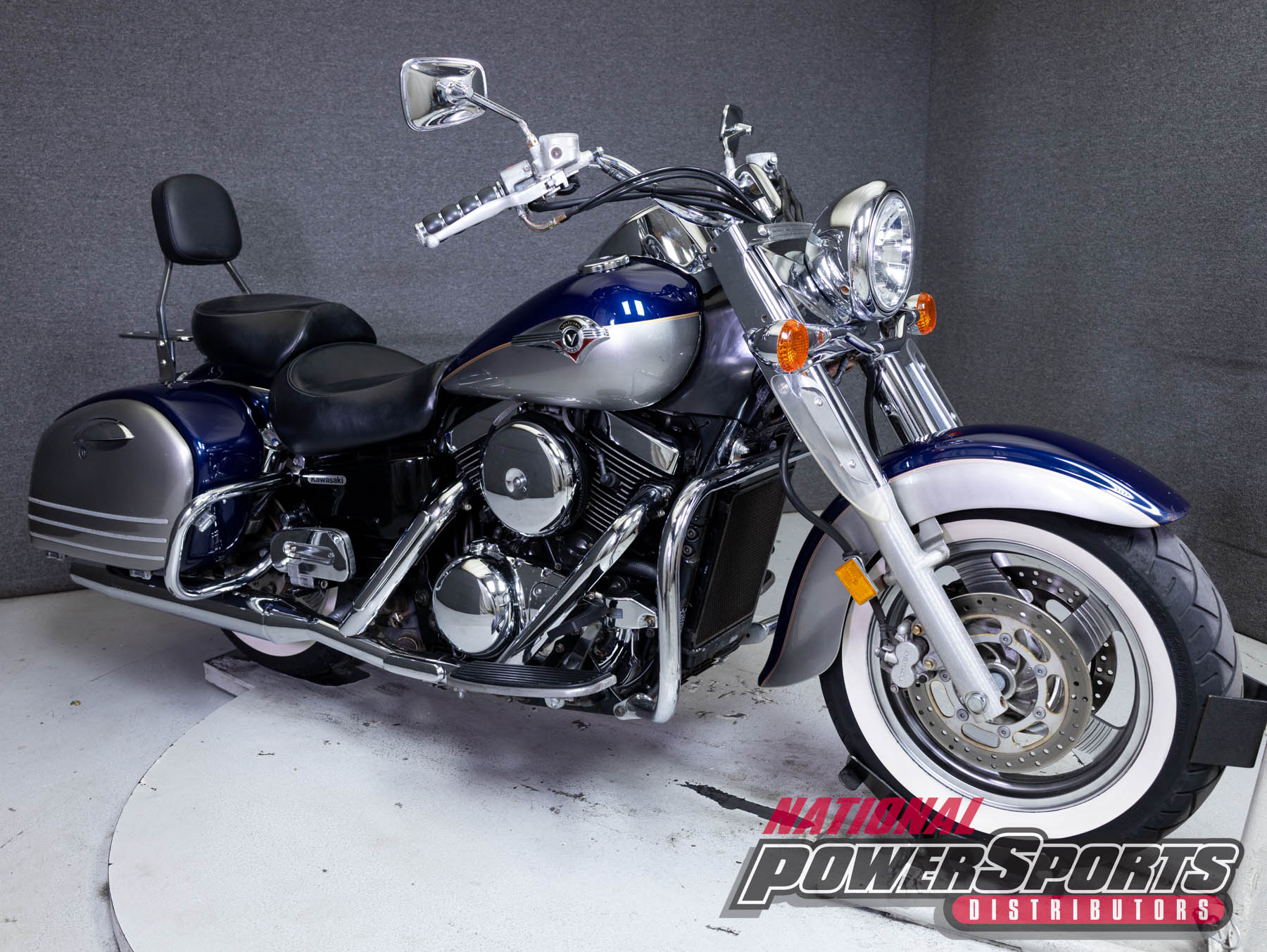
Conversely, the Vulcan 1500 epitomizes the cruiser archetype with its thunderous V-twin heart. This air-cooled engine provides a more evocative auditory and tactile experience—the classic rumble that enthusiasts crave. However, this comes with nuances: the 1500’s sheer torque output delivers a formidable acceleration curve that fewer mid-sized cruisers can rival. The air-cooled nature imparts a certain warmth and rawness but demands attentiveness in hotter climates or extended rides.
Beyond powerplants, the chassis and frame configurations of these motorcycles sculpt divergent riding Postures and handling dynamics. The Vulcan 750 is framed to accommodate a more upright seating position, fostering rider comfort without sacrificing control. This aligns with Kawasaki’s intent to cater to both entry-level riders and those who desire a daily commuter with a distinguished cruiser aesthetic. Its lighter curb weight appreciably reduces the cognitive load in slow maneuvers and parking scenarios, enhancing its practicality.
On the other side, the Vulcan 1500’s longer wheelbase and pronounced raked front fork create an unmistakable presence on the road. This design grants it stability at elevated speeds and a commanding highway demeanor. However, it demands a more deliberate technique when navigating tight corners or congested urban streets. The ergonomics emphasize laid-back cruising—feet forward, hands wide and relaxed—which is quintessential for long-distance trotting or leisurely weekend drives.
Stylistically, the motorcycles occupy adjacent but distinct territories. The Vulcan 750, with its minimalist yet purposeful lines, embraces a modern, almost sports cruiser vibe. Subtle chromatic details and a compact frame auralize the machine’s athletic intention. On the contrary, the Vulcan 1500 indulges in classic cruiser motifs—a bulbous fuel tank, sweeping fenders, and abundant chrome flourishes articulate a timeless homage to American motorcycling heritage. This aesthetic appeals to those who seek vintage romanticism bundled with contemporary engineering reliability.
Another critical facet in this comparison is the technological amenities and instrumentation. The 2004 Vulcan 750 opts for straightforward, focused instrumentation—clear, analog gauges that communicate essential data without distraction. Its modest electronics suit riders who prefer raw emphasis on road connection over extraneous features. Meanwhile, the Vulcan 1500 integrates more comprehensive instrumentation, including tachometers and auxiliary gauges, supplementing the rider with detailed feedback critical on longer journeys where monitoring engine function is paramount.
Fuel economy also manifests as a compelling differentiator. The smaller displacement and efficient parallel-twin design of the Vulcan 750 naturally confer superior mileage figures, attracting economically minded riders who may also harbor environmental concerns. While the Vulcan 1500 is less frugal, its generous fuel tank capacity and torque-rich engine encourage an experience less about numbers and more about unhurried, soul-satisfying riding.
Equipping the Vulcan duo for the open road involves dichotomous choices in suspension and braking systems. The 750 model employs a competent suspension setup tailored for urban and light touring duties, whereas the 1500 incorporates more robust components to manage the additional mass and spirited acceleration. Both offer sufficiently confident stopping power through their hydraulic disc brakes, yet the resilience and travel of the 1500’s suspension lend themselves to heavier loads and longer distances with more comfort.
Choosing between the 2004 Kawasaki Vulcan 750 and 1500 transcends a simple cost-benefit analysis or raw performance appraisal. It becomes a matter of rider identity and intent. The 750 invites those who relish a brisk, precise, and somewhat minimalist cruiser experience—a modern torchbearer for efficient, agile motorcycling. Alternatively, the 1500 beckons embodying tradition, power, and an intoxicating presence on the asphalt tapestry, designed for those who savor the visceral personality of a classic cruiser.
In essence, the Vulcan 750 vs. 1500 showdown reflects a broader narrative within cruiser culture: the tension between refinement and rawness, efficiency and gigantism, subtlety and statement. Both motorcycles punctuate their era and genre with distinctive voices, ensuring that Kawasaki’s Vulcan lineage remains versatile and compelling across rider demographics.
Ultimately, whether one gravitates toward the accessible, spirited charm of the Vulcan 750 or the majestic, commanding aura of the Vulcan 1500, each offers an authentic journey that reshapes preconceived notions about what a cruiser should embody. This comparison encourages enthusiasts to look beyond displacement and styling, fostering a deeper appreciation of how engineering choices shape the poetic rhythm of the ride.