The 2008 Suzuki GSX-R series remains a hallmark in the sportbike arena, pitting the revered GSX-R600 against the formidable GSX-R750. Both machines encapsulate the spirit of high-performance engineering, yet they address distinct niches within the supersport category. This comprehensive comparison delves into their engineering intricacies, performance capabilities, handling dynamics, and rider-centric features to discern which contender ultimately dominates.
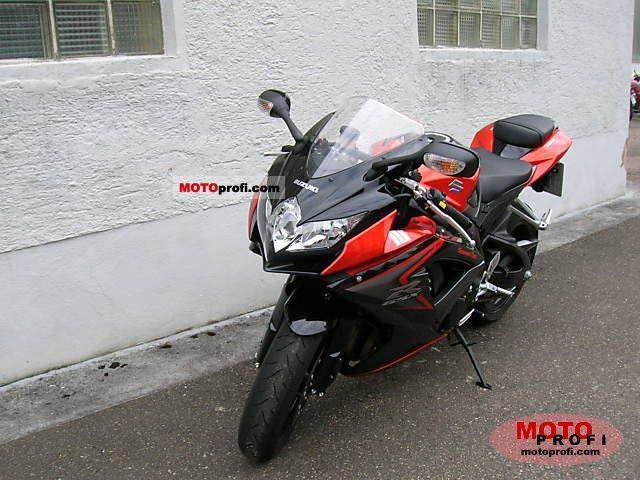
At first glance, the 2008 GSX-R600 and GSX-R750 share a family resemblance, boasting aggressive styling underscored by aerodynamic bodywork designed to slice through the wind. However, beneath this veneer of similarity lie nuanced variations that cater to different rider preferences and use cases.
Powertrain and Performance Metrics
The heart of each bike—the engine—reveals the most palpable differences. The GSX-R600 houses a 599cc inline-four engine, meticulously tuned to deliver razor-sharp throttle response and high-revving power. It excites with a peak horsepower figure hovering around 104 hp at a dizzying 13,500 rpm, emphasizing rev-happy performance tailored for agility and track-honed precision.
Conversely, the GSX-R750 packs a larger displacement of 750cc, delivering a blend of robust mid-range torque and blistering top-end horsepower, roughly around 140 hp. This additional grunt translates into a broader power curve, facilitating more accessible acceleration in real-world riding scenarios. The 2008 iteration of the GSX-R750 is particularly acclaimed for its balance between outright speed and manageable control.
The power delivery philosophies between the two reflect their intended usage distinctions: the GSX-R600 prioritizes razor-edge revs and precision, while the GSX-R750 embraces versatility with a mid-range torque advantage that reduces the necessity for constant gear shifts during spirited rides.
Chassis and Handling Dynamics
Sporting a lightweight twin-spar aluminum frame, both models exhibit exceptional rigidity and stability. However, the GSX-R600’s chassis is engineered for nimbleness, enhancing its reputation as a lithe and responsive machine on twisty circuits. The reduced weight and refined geometry encourage aggressive cornering and quick transitions, making it a favorite among racers and purists seeking pinpoint handling.
The GSX-R750’s chassis, while similarly constructed, caters more towards an equilibrium between agility and stability at higher speeds. It maintains commendable cornering prowess but introduces a slightly more planted feel, complementing the increased torque and power. This makes it well-suited not only for track days but also for street riding where varying conditions and longer distances necessitate composure and comfort without sacrificing sportiness.
Suspension components are comparable in quality, featuring inverted front forks and rear mono-shocks, both fully adjustable to allow riders to tailor the setup to individual styles or conditions. Yet, subtle tuning differences favor the GSX-R600’s emphasis on track responsiveness, whereas the GSX-R750’s suspension offers a balance optimized for mixed-terrain versatility.
Ergonomics and Rider Experience
Ergonomically, both motorcycles lean towards the aggressive sportbike riding posture. The GSX-R600’s clip-on handlebars and rear-set footpegs encourage a tucked-in stance, maximizing aerodynamics but demanding more physical exertion during extended rides. This posture enhances rider-bike integration during high-speed maneuvers but might be less forgiving for casual commuters or taller riders.
The GSX-R750 similarly champions sport-focused ergonomics yet manages to strike a marginally less severe balance, accommodating a wider range of rider physiques and enhancing comfort during longer excursions. This subtle differentiation amplifies the GSX-R750’s appeal to those who desire a race-capable machine without compromising daily usability.
Braking and Safety Features
When it comes to stopping power, both bikes employ dual front disc brakes with radial-mounted calipers, ensuring potent and consistent deceleration. The 2008 models prioritize mechanical reliability and feedback, with certain trim variations possibly incorporating ABS depending on market versions— a feature more commonly found in higher-end configurations or later iterations.
This braking proficiency allows riders to unequivocally trust their machines in dynamic conditions, whether it’s late braking into a hairpin or emergency stops amid urban traffic. The synergy between suspension and braking components in both models underscores Suzuki’s commitment to rider confidence and safety.
Technological Enhancements and Instrumentation
The 2008 GSX-R series features a cockpit that blends analog and digital instrumentation. Both bikes sport a tachometer as the focal analog gauge, surrounded by a digital LCD readout providing speed, fuel level, gear position, and temperature readings. The interface is designed for rapid information assimilation, crucial during spirited riding.
While lacking the extensive electronic aids found in contemporary superbikes, these models deliver fundamental functionality, prioritizing mechanical purity and rider skill. This absence of traction control or ride modes may appeal to enthusiasts who prefer unmediated control, elevating the riding experience to a more visceral plane.
Fuel Efficiency and Practical Considerations
Fuel economy often tilts in favor of the GSX-R600 due to its smaller displacement and peaky engine characteristics. Riders favoring frequent, cost-conscious usage or city commutes may find the 600cc variant more accommodating in this regard. The GSX-R750, while more demanding on fuel, offers extended range due to a slightly larger fuel tank, balancing out consumption with capacity.
Maintenance intervals, parts availability, and aftermarket support are robust for both, reflecting the widespread popularity of the GSX-R platform. The community backing these bikes is vibrant, ensuring that owners can access upgrade paths and service solutions with ease.
Styling and Aesthetic Appeal
The visual appeal of the 2008 GSX-R lineup is unmistakably aggressive and contemporary for its era. Sharp lines, sculpted fairings, and a purposeful stance express speed even at a standstill. The GSX-R750 often features nuanced styling embellishments that differentiate it subtly from its 600cc sibling, such as exclusive color schemes and decals.
This aesthetic sophistication complements the mechanical prowess, reinforcing the machines’ identities as both race-bred and street-ready icons.
Which One Reigns Supreme?
Deciding which motorcycle dominates hinges upon the rider’s priorities. The GSX-R600 excels as a razor-sharp, track-focused contender that demands and rewards skillful input. It is the quintessential supersport for those who savor high-rev thrills and precision handling.
In contrast, the GSX-R750 delivers a versatile package that straddles the line between aggressive sportiness and everyday usability. Its broader torque curve and marginally relaxed ergonomics widen its appeal, making it favorable for riders who desire expansive usage scenarios without compromising excitement.
In the final analysis, neither motorcycle is unequivocally superior; rather, they represent distinct philosophies within the same performance lineage. The GSX-R600 beckons the purist racer, while the GSX-R750 invites a wider brushstroke of sportbike enthusiasts. Both stand as testaments to Suzuki’s engineering prowess and continue to captivate riders with their blend of power, precision, and pedigree.