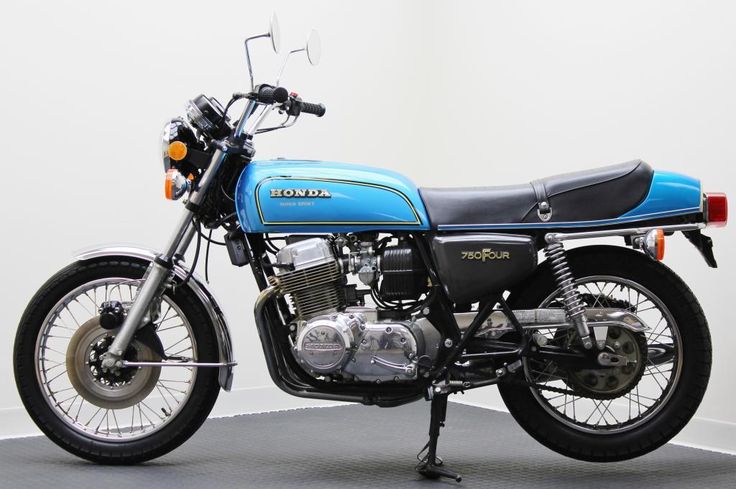
The Kawasaki Z1 represents a transformative chapter in the saga of motorcycling, emerging in the early 1970s as a harbinger of a new era. What if we could time travel back to 1972? Would we recognize the motorcycle world as we know it today without the Z1’s groundbreaking impact? Buckle up, because this iconic machine is more than mere two-wheeled machinery; it’s the genesis of modern superbikes, and its story is nothing short of thrilling.
The Birth of a Legend
After the tumultuous decade of the 1960s, which saw technological innovations in automotive engineering, Kawasaki aimed to capture the motorcycle market with an audacious vision. The Z1, introduced in 1972, was born from Moto-Cross enthusiasts, motorcycle racers, and visionary engineers who craved something extraordinary. This unprecedented motorcycle featured a 903cc inline-four engine, the first of its kind to produce a staggering 82 horsepower, setting the stage for what would later be referred to as the “Superbike Wars.”
A Pioneering Engine Design
The Z1’s engine was a masterclass in engineering artistry. Its four-cylinder layout was not only powerful but also remarkably smooth, allowing for an exhilarating ride. Suzuki and Honda had dabbled with similar configurations, but Kawasaki’s execution was a leap forward, propelling the Z1 ahead of its contemporaries. Coupled with a robust, tubular steel frame, this formidable power source allowed the motorcycle to deliver a top speed exceeding 120 mph—a benchmark that added to its allure.
Innovative Design and Styling
If one were to gaze upon a Z1 in its prime, the aesthetic appeal would be undeniable. The motorcycle came adorned in eye-catching Candy Orange or Candy Blue, complemented by polished chrome detailing that accentuated its aggressive yet elegant lines. The Z1 didn’t simply strive for performance; it sought to capture the spirit and excitement of riding. Kawasaki melded form and function, yielding an outstanding visual and tactile experience. Its bold appearance was instrumental in attracting a budding youth culture eager to embrace the open road.
Striking a Chord with Motorcycle Enthusiasts
The reception of the Z1 was nothing short of euphoric. It sparked enthusiastic discussions among motorcycle aficionados who gathered to admire its craftsmanship and cutting-edge technology. Its impact transcended mere sales figures; it reignited an ardency for motorcycling that had somewhat waned. Kawasaki had not just created a bike; they had birthed an icon. The combination of exhilarating performance and impressive handling inspired a generation of riders to take to the highways and racetracks.
Competition and Superbike Wars
With the Z1 capturing the hearts of riders, rival manufacturers were compelled to respond. The emergence of competitors like the Honda CB750 was both a rivalry and an evolution. The era of the Superbike Wars was upon us, where engineering teams revered the Z1 and sought to dethrone it. Some manufacturers pushed the boundaries further—creating machines that would amp up torque, horsepower, and overall performance. Yet, the Kawasaki Z1 remained an indomitable force, its influence festering in the designs of future motorcycles.
Technological Advancements
The success of the Z1 wasn’t merely based on engine displacement; it also initiated a series of advancements that became standard in the motorcycle industry. Features such as electric starter systems, front disc brakes, and nimble handling mechanics were partly inspired by the Z1’s success. These innovations lowered the barriers to entry for new riders, making it easier to embrace the thrilling experience of motorcycling without sacrificing safety or performance.
The Legacy Of the Z1
As the decade progressed, the Kawasaki Z1 transitioned into a legendary symbol rather than just a motorcycle. It spawned various iterations, such as the Z1-R and Z1-B, each enriching the lineage. Even though the motorcycle evolved, its quintessential spirit remained intact—a testament to Kawasaki’s initial vision. In time, the Z1 would influence a plethora of superbikes that followed, solidifying its standing in the annals of motorcycle history.
Modern Adaptations
Fast forward to the current age, and it’s fascinating to see how the legacy of the Z1 continues to resonate. Modern superbikes, while technologically advanced and power-hungry, often invoke the characteristics and design philosophies initiated by the Z1. The use of lightweight materials, aerodynamic design, and computer-controlled performance reflect its longstanding influence. Manufacturers that preceded Kawasaki have often paid homage to the Z1, articulating its profound effect on the landscape of two-wheeled transportation.
Conclusion: A Challenge to Embrace the Spirit
The Z1 is no ordinary motorcycle—it is an enduring symbol of innovation, transformation, and the sheer joy of riding. So, what challenge does this legendary machine present today? For enthusiasts and newcomers alike, the call to adventure resonates still: How will you embody the spirit of the Z1 in your motorcycling journey? Will you become the next steward of its legacy, carving out your own path on the asphalt? The world of motorcycles is vast and exhilarating, and the Kawasaki Z1 continues to be a beacon for all those ready to chase horizons and embrace the freedom of the ride.