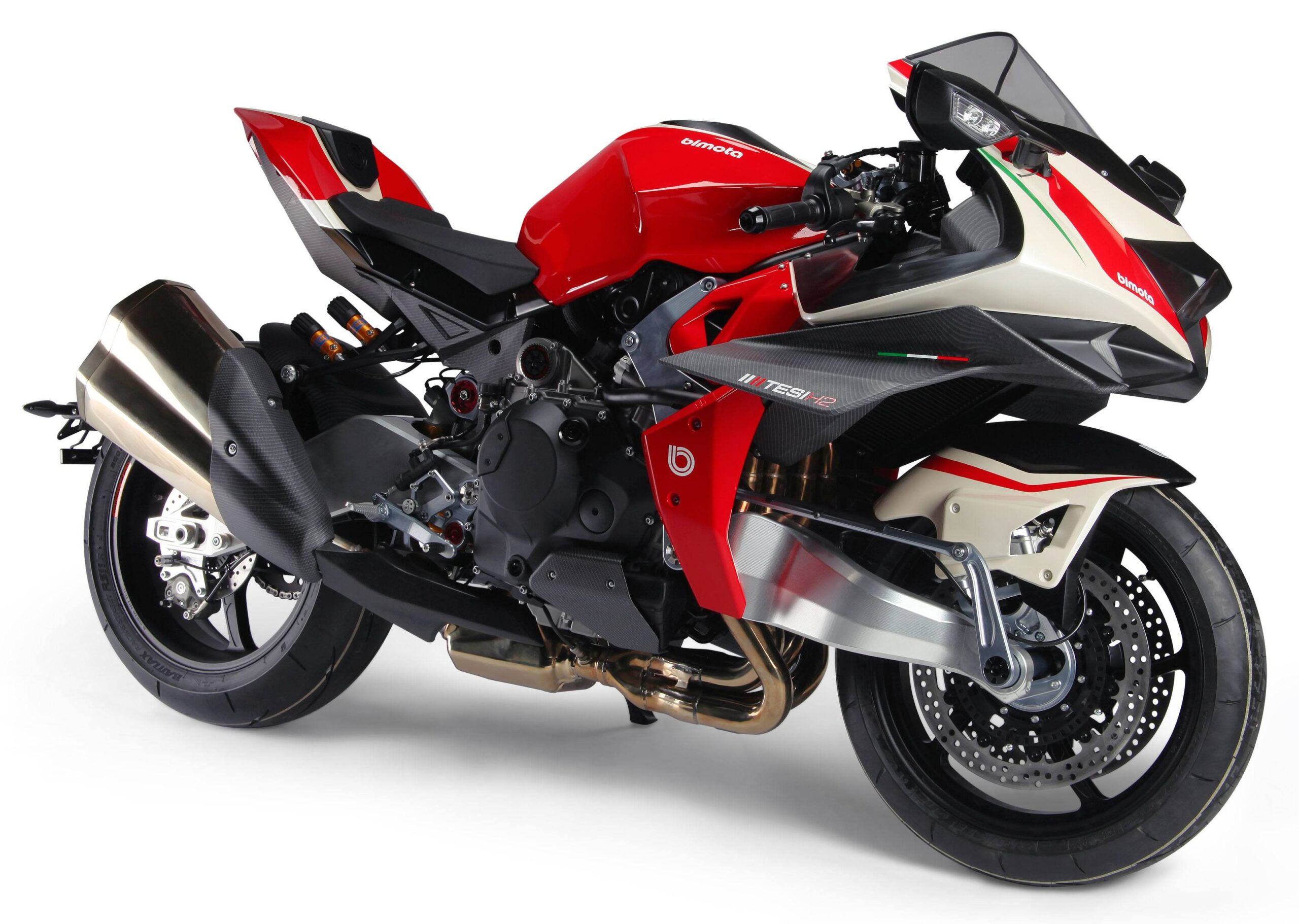
The acquisition of Bimota by Kawasaki marks a noteworthy shift in the landscape of performance motorcycles. This deal not only signals a new era for both manufacturers but also redefines the expectations and aspirations for enthusiasts around the world. Here’s a comprehensive exploration of what this acquisition entails and how it could affect the performance motorcycle market.
1. Historical Context: The Legacy of Bimota
Bimota, founded in 1973, has long been celebrated for its innovative designs and engineering prowess. The brand has built a solid reputation for producing high-performance machines that often juxtapose cutting-edge technology with exquisite craftsmanship. Models like the Bimota Tesi and the DB series have captivated riders with their unique frames and exceptional handling. This legacy of performance and exclusivity has established Bimota as a coveted name in the motorcycle elite.
2. Kawasaki’s Strategic Vision
Kawasaki, a titan in the motorcycle manufacturing industry, has long been recognized for its performance-oriented offerings, particularly in the sportbike segment. With iconic models such as the Ninja series, Kawasaki has consistently pushed the envelope in terms of speed and power. Acquiring Bimota symbolizes Kawasaki’s intent to enhance its portfolio, enabling the integration of Bimota’s bespoke engineering into its broader market strategy.
3. Reinventing Performance: Cross-Pollination of Engineering
One of the most exciting prospects of this union is the potential for cross-pollination of engineering philosophies. Bimota’s intricate focus on weight savings and handling, combined with Kawasaki’s robust engineering resources, could lead to groundbreaking developments in performance bikes. Expect lighter frames, sophisticated suspension systems, and unique design features that blend practical engineering with aesthetic appeal.
4. Revitalizing Iconic Models
The acquisition presents an opportunity to revitalize some of Bimota’s legendary models. With Kawasaki’s technological advancements, nostalgic favorites might be reborn with modern twists. Imagine a new Tesi equipped with Kawasaki’s Supercharge technology — it could emerge as a formidable contender in the hyperbike segment, capturing the essence of Bimota while offering Kawasaki’s performance pedigree.
5. Diversifying the Customer Base
Kawasaki’s acquisition also bodes well for expanding Bimota’s customer base. Traditionally, Bimota has appealed to affluent riders seeking exclusivity and unique performance. Now, with Kawasaki’s marketing prowess and extensive distribution networks, the brand could transition into mainstream awareness while maintaining its boutique charm. This could democratize access to high-performance motorcycles, making them more attainable without compromising on sophistication.
6. Innovation and Sustainability: The New Frontier
As the motorcycle industry increasingly shifts toward sustainability, this merger may catalyze innovations in eco-friendly performance technology. The integration of advanced materials and hybrid systems could lead to the development of motorcycles that satisfy high-performance standards while aligning with global sustainability goals. A Kawasaki-Bimota collaboration could pioneer the future of performance motorcycles that embody both excellence and responsibility.
7. Enthusiast Reaction: Balancing Tradition with Progress
While the excitement surrounding this acquisition is palpable, it’s essential to consider how longstanding fans of each brand will react. Bimota’s loyal customers may view the merger with skepticism, fearing loss of the brand’s legendary craftsmanship and attention to detail. Conversely, Kawasaki enthusiasts might anticipate an influx of cutting-edge features and innovation in Bimota machines. Striking a balance between tradition and progress will be paramount for the success of this acquisition.
8. Competitive Landscape: Impact on Rival Brands
The acquisition will undeniably shift the competitive dynamics in the motorcycle market. Rivals like Ducati, Aprilia, and Yamaha will need to respond to the newly-formed Kawasaki-Bimota partnership by elevating their strategies. This reaction may bring forth new models, collaborations, or technologies aimed at seizing market share. The industry is poised for a shake-up that could benefit consumers through enhanced choices and innovations.
9. Future Collaboration Opportunities
Beyond merely enhancing existing models, the acquisition opens the door for future collaborations in various sectors. Both brands could work on racing initiatives, leveraging their combined expertise to create competitive machines for various racing formats. Collaborations might extend to technology-sharing in rider aids, safety features, and telemetry systems, establishing a new standard in performance bike engineering.
10. A New Era Awaits
In summary, Kawasaki’s acquisition of Bimota is not merely a business transaction; it’s a transformative opportunity that promises to reshape the performance bike landscape. The confluence of Bimota’s bespoke artistry and Kawasaki’s engineering might just synthesis a new breed of machines — powerful, sustainable, and exhilarating to ride. With enthusiasts’ expectations set high, the coming years will be a fascinating journey to witness the evolution of these storied brands.
As we anticipate what the future holds, one thing remains clear: the motorcycle world will watch eagerly as Kawasaki and Bimota embark on this audacious collaboration, eager to see how it unfolds and reshapes the very essence of performance biking.