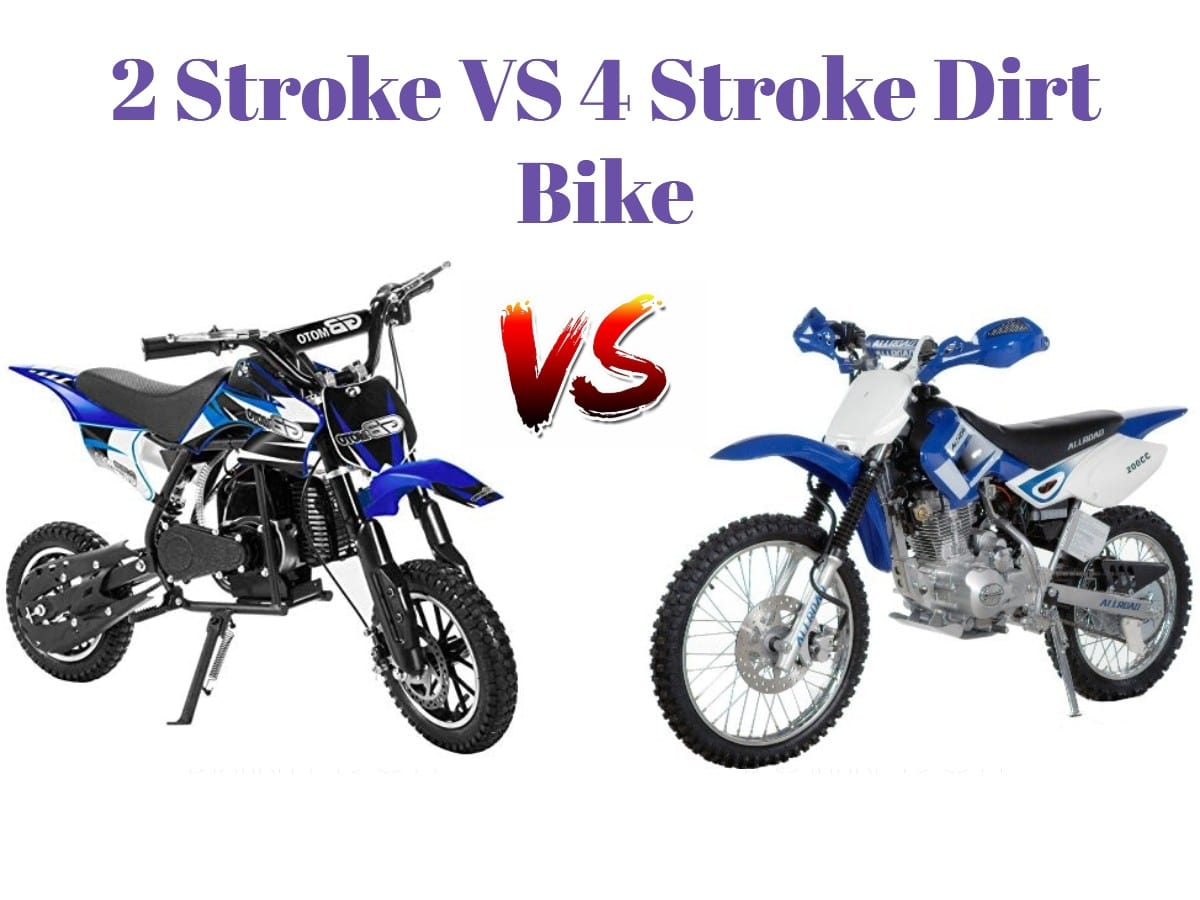
When delving into the world of dirt bikes, particularly the 125cc class, one of the most common questions that arises revolves around speed differences between 2-stroke and 4-stroke engines. For enthusiasts and beginners alike, understanding the nuances of these engine types is crucial not only to gauge performance but also to make informed decisions about maintenance, riding style, and overall bike handling. This detailed examination will elucidate the speed characteristics of 125cc dirt bikes, contrasting 2-stroke and 4-stroke variants, while exploring the underlying mechanical distinctions that influence their dynamic behavior.
At the core of the speed debate lies the fundamental disparity in how 2-stroke and 4-stroke engines operate. A 2-stroke engine completes its power cycle in just two piston movements—one revolution of the crankshaft—delivering power more frequently and with a notably aggressive torque curve. In contrast, a 4-stroke engine requires four piston movements—two crankshaft revolutions—to complete a power cycle, resulting in a smoother, more controlled delivery of power. This inherent difference significantly impacts the velocity potential of 125cc dirt bikes, as well as the riding experience they offer.
Exploring Velocity Benchmarks
While top speed is a critical metric for many riders, it’s important to note that 125cc dirt bikes are typically designed with versatility and manageable power rather than outright velocity in mind. However, the distinction in top speed between a 2-stroke and 4-stroke 125cc dirt bike is palpable and measurable.
2-stroke 125cc dirt bikes often reach top speeds ranging from 40 to 50 miles per hour. This higher velocity is largely attributed to the rapid combustion cycle and higher power-to-weight ratio inherent in 2-stroke engines. The abrupt power pulses generated tend to catapult the bike at quicker acceleration rates, making these bikes feel more responsive and exhilarating for riders who crave speed bursts and agile maneuvers.
On the other hand, 4-stroke 125cc dirt bikes average top speeds closer to 35 to 45 miles per hour. Although marginally slower, the 4-stroke contenders offer a more linear power band that enhances control, stability, and a smoother throttle response. This characteristic proves invaluable for riders seeking endurance and precision over sheer velocity. The 4-stroke engine’s comprehensive combustion cycle lends itself to greater fuel efficiency and cleaner emissions, making these bikes popular among those favoring consistency over raw quickness.
Acceleration and Power Delivery
Acceleration provides another critical viewpoint from which to contrast these two engine types. Given the power delivery mechanism, 2-stroke bikes often dominate in explosive acceleration. Their power surge occurs early in the rev range due to fewer moving parts and a higher power output per displacement. Riders can anticipate quick bursts, which are particularly advantageous when navigating technical terrain or executing quick overtakes.
Conversely, 4-stroke 125cc dirt bikes present a more gradual and predictable acceleration curve. This is due to the engine’s design, which ensures a steadier release of power. For novice riders or those prioritizing control over outright speed, the 4-stroke’s manageable acceleration can inspire confidence and reduce the likelihood of wheel spin or loss of traction.
Weight and Handling Implications
The speed dynamics of 125cc dirt bikes are not solely contingent on engine type but also significantly influenced by the weight of the bike. Typically, 2-stroke engines are lighter, due to their simpler design and fewer components such as valves and camshafts. This results in a lower overall bike weight, enhancing not only acceleration but also handling agility.
In contrast, the complexity of 4-stroke engines invariably adds weight. The added mass can slightly diminish peak speeds but improves the bike’s stability and traction, especially in uneven or rough terrain. Riders navigating intricate trails may find the enhanced grip and steadiness of a 4-stroke bike preferable despite the trade-off in raw speed.
Maintenance and Its Effects on Performance
It is imperative to consider maintenance implications as they tangibly affect speed and reliability. Two-stroke engines require more frequent maintenance intervals, including spark plug replacements, piston and ring changes, and lubrication of the engine oil mixture. Neglecting these can rapidly reduce engine efficiency and result in diminished top speeds due to poor combustion or increased friction.
Four-stroke engines, while heavier and more complex, typically boast longer maintenance cycles and more consistent performance over time when properly cared for. The regular oil changes and valve adjustments are essential but generally less frequent than the intensive upkeep needed for 2-strokes. Consequently, 4-stroke dirt bikes maintain a steadier speed profile with less fluctuation caused by wear or neglect.
Fuel Efficiency and Environmental Considerations
Fuel consumption directly correlates with performance sustainability. Two-stroke engines typically consume more fuel and emit higher pollutants due to their design that allows some unburnt fuel to escape during the combustion process. This characteristic does not enhance speed but impacts conditioning over longer rides.
Meanwhile, 4-stroke 125cc dirt bikes are engineered for fuel economy and lower environmental footprint. This efficiency translates into longer ride durations without refueling, indirectly impacting the rider’s practical experience of speed by reducing stopovers and maintaining momentum on trail rides.
Real-World Riding Scenarios and Suitability
Understanding speed parameters is essential, but considering the intended application of a 125cc dirt bike yields a more nuanced perspective. For racers or riders who relish aggressive track riding and swift acceleration bursts, a 2-stroke machine’s velocity advantage gives it an edge. Its livelier response and lighter frame facilitate rapid directional changes and quick track times.
Alternatively, for casual trail riders, beginners, or those prioritizing reliability and smooth power output, 4-stroke dirt bikes offer a more controlled and user-friendly experience. Their slightly reduced top speed is compensated by refined handling characteristics and better torque at lower RPMs, which can prove beneficial for technical trail navigation without the intimidation factor of sudden power surges.
Conclusion
Deciding between a 2-stroke and 4-stroke 125cc dirt bike ultimately hinges on a delicate balance between speed, control, maintenance, and usage preferences. Two-strokes hold a compelling allure owing to their higher top-end speed and rapid acceleration, making them ideal for thrill-seekers and racers. In contrast, four-stroke dirt bikes, while modestly slower, provide consistent power delivery, improved fuel efficiency, and greater ease of use, appealing to beginners and endurance riders alike.
Whether one prioritizes the exhilaration of 2-stroke speed or the refined steadiness of a 4-stroke ride, understanding these distinctions equips riders with the knowledge to select the machine best suited to their ambitions and experience level. The 125cc class remains a perfect incubator for skill development, and the choice of stroke technology markedly shapes the speed dynamics and overall riding journey.