Is it possible for a single engine to redefine an entire era of motorcycle engineering, while simultaneously stirring debates among enthusiasts that last for decades? The 1968–1970 Harley Shovelhead engine, a marvel of its time, is precisely that mechanical enigma that both dazzled and challenged the motorcycle community. More than just a mere component under the hood, the Shovelhead became a symbol of transition, embodying the intersection of tradition, innovation, and the quest for unmistakable power on the open road.
The genesis of the Shovelhead engine marked a decisive turning point for Harley-Davidson, an iconic brand synonymous with American motorcycling culture. Introduced as a successor to the venerable Panhead engine, the Shovelhead arrived amidst an increasingly competitive landscape, where technological advancements were rapidly evolving. Rather than clinging to obsolescence, Harley-Davidson boldly embraced a design that promised improved performance without forsaking the unmistakable character that fans revered.
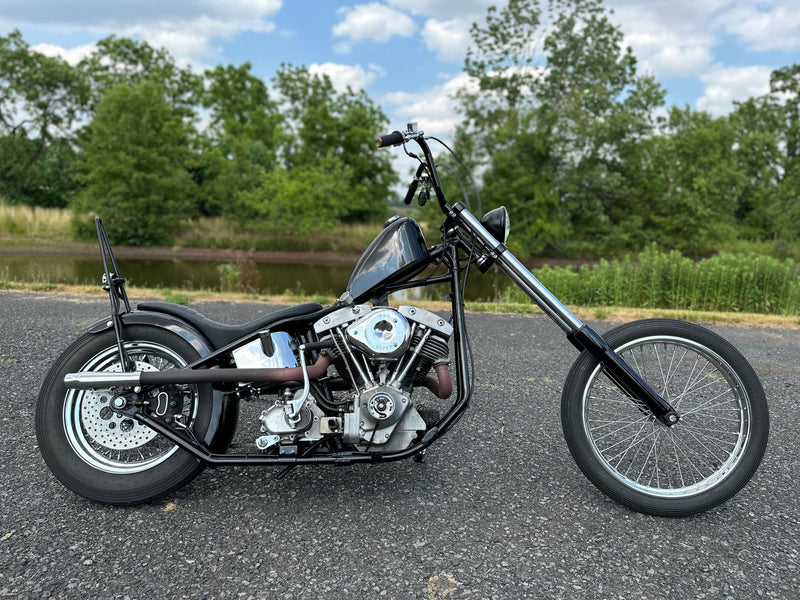
The Shovelhead’s nomenclature itself evokes curiosity and a certain rugged charm. Its distinctive combustion chamber shape resembled a shovel, a clever departure from the rounded heads of its predecessors. This new design was not merely aesthetic; it was engineered with intent. By altering the layout and dimensions of the valves and combustion chambers, the Shovelhead sought to enhance volumetric efficiency, thereby offering greater power and torque. From a technical standpoint, this was a noteworthy leap. However, this evolution also introduced a nuanced set of challenges that would define the Shovelhead’s legacy.
One might wonder: How did this engine’s revamped architecture translate on the asphalt? Riders quickly noticed a marked improvement in horsepower and torque compared to prior models. The era heralded a newfound exhilaration, with motorcyclists reveling in the Shovelhead’s robust mid-range power delivery – perfect for cruising highways or tearing through winding roads. The increased displacement, typically around 74 to 80 cubic inches, afforded better acceleration, enabling Harley riders to compete more fiercely with rival brands, particularly emerging Japanese manufacturers eager to make their mark.
Yet, with enhanced power came the quintessential Harley quirk: temperamental reliability. The Shovelhead was notorious for heat management issues, often struggling under strenuous conditions due to its cast iron heads and cylinders—a limitation that would incite considerable debate among mechanics and users alike. The engine’s oiling system, while an improvement over previous iterations, still suffered from flaws that could lead to premature wear or mechanical failures if maintenance was neglected. This perplexing cocktail of strength and fragility gave the Shovelhead its dualistic charm—fiery yet occasionally finicky.
But is it fair to critique an engine that, in its own right, bridged a crucial gap in Harley-Davidson’s evolutionary timeline? The Shovelhead can be viewed as both a celebration of craftsmanship and a harbinger of necessary change. By incorporating modernized features such as larger valves and more efficient heads, the engine laid the groundwork for future innovations, particularly inspiring the subsequent introduction of the iconic Evolution engine in the 1980s.
The cultural impact of the 1968–1970 Shovelhead also deserves homage. This engine became emblematic of a rebellious spirit during a turbulent era marked by social upheaval and the rise of countercultural movements. Motorcycle clubs and individual riders embraced the Shovelhead for its raw, visceral presence—a mechanical heart beating in tandem with freedom itself. It wasn’t just about performance; it was about identity, and the Shovelhead was a roaring proclamation of that ethos.
In addition, the Shovelhead era sparked an enthusiastic aftermarket culture. Custom builders and mechanics relished the opportunity to enhance and personalize these engines, often balancing the fine line between preservation and modification. The engine’s design permitted an array of tunings, camshaft swaps, and exhaust configurations, giving rise to an enduring community of Shovelhead aficionados dedicated to extending its life and improving its capabilities. This hands-on spirit contributed to a wealth of knowledge, making the Shovelhead a cornerstone of Harley-Davidson heritage.
However, a playful challenge sits at the heart of appreciating the Shovelhead: Can modern riders and restorers reconcile the engine’s vintage quirks with contemporary expectations of reliability and performance? Restoring or riding a Shovelhead-powered motorcycle today commands both passion and patience. The engine’s idiosyncratic demands require an intimate understanding of its design and careful attention to maintenance, lest one encounters the notorious “hot spot” issues or oil leaks that have become part of Shovelhead folklore.
So, the question remains: Why does the Shovelhead continue to captivate hearts decades after its inception? Perhaps it is because it embodies more than just mechanical specifications. It represents an intersection. Between old-world craftsmanship and impending modernization. Between raw power and mechanical vulnerability. Between aesthetic appeal and functional imperfection. This juxtaposition is what makes the 1968–1970 Harley Shovelhead a legend—a testament to the complex dance between man, machine, and aspiration.
In retrospect, the Shovelhead engine was not just an incremental upgrade; it was a transformative phenomenon. It changed how Harley-Davidson was perceived in the market and set in motion the technological tide for future engine developments. With its distinctive appearance, spirited performance, and complex personality, the Shovelhead carved out a niche that transcends mere horsepower figures or mechanical blueprints.
Ultimately, the enduring allure of the 1968–1970 Harley Shovelhead lies in its multifaceted legacy. It is a tribute to ingenuity, a challenge to mastery, and a celebration of the undying romance between rider and machine. To those who seek an engine that changed everything, the Shovelhead does so not just through performance—but through the stories it inspires and the communities it brings together.