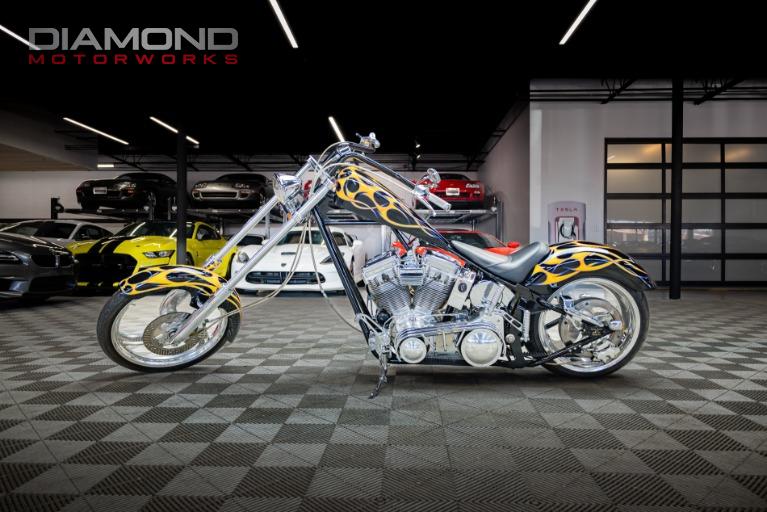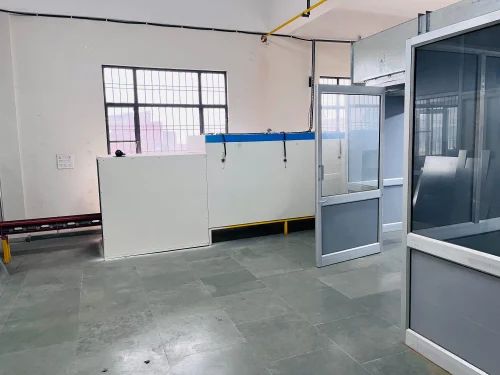
There’s something almost poetic about the way a chopper gleams under a flawless coat of paint—each curve and contour reflecting not just color, but precision, craftsmanship, and an unspoken promise of durability. Yet, beneath that lustrous finish lies a hidden battleground: dust. The tiniest speck can mar the perfection of a custom paint job, turning hours of meticulous labor into a moment of disappointment. That’s why a dust-free painting booth isn’t just a workspace; it’s a sanctuary where artistry meets engineering, where passion is preserved in layers of lacquer and enamel. For chopper enthusiasts and builders, setting up such a booth is more than a technical task—it’s a commitment to excellence, a silent vow that every ride will begin with a machine as pristine as the day it rolled off the assembly line.
The Psychology of Perfection: Why Dust is the Silent Saboteur of Chopper Paint Jobs
Every chopper tells a story—through its frame, its engine, and yes, even its paint. But dust doesn’t just settle; it narrates a different tale, one of imperfection and neglect. The human eye is drawn to symmetry and smoothness, and even the most subtle blemish disrupts that harmony. Studies in visual perception reveal that our brains process flaws in polished surfaces as subconscious irritants, triggering a mild cognitive dissonance. For a chopper owner, this isn’t just about aesthetics; it’s about identity. A flawless paint job doesn’t just reflect light—it reflects pride, dedication, and the unspoken bond between rider and machine. That’s why controlling dust isn’t merely practical; it’s psychological. It’s the difference between a chopper that feels alive and one that feels compromised.
Designing the Sanctuary: Key Structural Considerations for Your Dust-Free Booth
Before the first coat of primer touches metal, the booth itself must be a fortress against intrusion. Start with the walls—smooth, non-porous surfaces like powder-coated steel or sealed concrete prevent dust accumulation and make cleaning effortless. Ceilings demand special attention; recessed lighting with sealed fixtures eliminates dust traps while ensuring even illumination. The floor, often overlooked, should slope gently toward a central drain, allowing debris to be whisked away without leaving a trace. Ventilation is the lifeblood of the booth. A negative air pressure system, where filtered air is constantly expelled, ensures that any stray particles are pushed outward rather than inward. Think of it as a controlled ecosystem—every element, from the airflow to the lighting, must coexist in harmony to preserve the sanctity of the space.

The Art of Filtration: Choosing Systems That Outsmart the Invisible Enemy
Dust isn’t just what you see—it’s what you don’t. Microscopic particles, from airborne fibers to metallic shavings, can wreak havoc on a paint job. The solution? Multi-stage filtration. Begin with a pre-filter to capture larger debris, followed by a high-efficiency particulate air (HEPA) filter to ensnare particles as small as 0.3 microns. For the most discerning builders, electrostatic precipitators add another layer of defense, charging particles to attract them to oppositely charged plates. But filtration alone isn’t enough. The booth’s air must be in constant motion, circulating through the filters at a rate that ensures no stagnation. Imagine the air as a river—if it flows too slowly, silt settles; if it rushes too quickly, it erodes. The ideal velocity? Just enough to keep particles suspended until they’re captured, leaving the air as crisp and clean as mountain air after a rainstorm.
Lighting the Path to Flawlessness: Illuminating Without Introducing Shadows or Dust Traps
Lighting in a painting booth isn’t just about visibility—it’s about revelation. Poor lighting can mask imperfections, turning a potential flaw into a glaring mistake once the chopper hits the road. Opt for LED panels with a color rendering index (CRI) above 90, ensuring colors appear true to life. Avoid recessed fixtures that create shadows or collect dust in their crevices. Instead, use flush-mounted, sealed LED strips along the ceiling and walls, angled to eliminate glare while casting an even glow. For critical inspection, add a handheld UV light to reveal even the tiniest dust specks or orange peel textures. The goal? To see the chopper not just as it is, but as it could be—flawless, radiant, and ready to command the road.

Preparation Rituals: The Unsung Hero of Dust-Free Mastery
A dust-free booth is only as good as the preparation that precedes the first spray. Begin with a thorough cleaning of the chopper—every nook, every cranny, every bolt. Use a tack cloth to remove residual dust, followed by a solvent wipe to eliminate oils and contaminants. The booth itself must undergo a similar ritual: vacuum the walls, mop the floors, and inspect every surface for hidden debris. Even the air needs purification. Run the filtration system for at least 30 minutes before painting to purge any lingering particles. And don’t forget the painter. A lint-free bodysuit, gloves, and a respirator aren’t just accessories—they’re armor. The smallest fiber from a cotton shirt or a speck of skin can become a permanent blemish. This isn’t just preparation; it’s a ritual of reverence, a moment where the builder and the machine become one in their shared pursuit of perfection.
Spray Techniques That Defy Gravity: Mastering the Dance of Atomization
The spray gun isn’t just a tool—it’s an extension of the artist’s hand. The distance between the gun and the chopper, the angle of the spray, the pressure of the air—each variable is a note in a symphony of precision. Too close, and the paint runs; too far, and the atomized particles drift, seeking refuge on the nearest surface. The ideal distance? Typically 6 to 10 inches, but this varies with the viscosity of the paint and the viscosity of the air. Use a crosshatch pattern, overlapping each pass by 50% to ensure even coverage. And always, always spray in a single, continuous motion—hesitation invites dust to settle. For metallic or pearl finishes, the technique grows even more nuanced. The gun must move in a figure-eight, allowing the flakes to align naturally. It’s not just painting; it’s choreography, where every step is calculated to create a masterpiece.
Maintenance: The Forgotten Chapter in the Dust-Free Saga
A dust-free booth isn’t a set-and-forget system. It’s a living entity that demands respect and routine care. After each use, wipe down all surfaces with a microfiber cloth dampened with isopropyl alcohol to remove any residual overspray. Inspect the filters weekly, replacing them as needed to maintain peak efficiency. The floor should be swept and mopped daily, with special attention paid to corners and edges where dust likes to hide. Even the lighting needs care—wipe down the LED panels regularly to prevent dust buildup from dimming their brilliance. And don’t overlook the booth’s surroundings. The room housing the booth should be kept clean, with minimal foot traffic to reduce the introduction of new contaminants. Maintenance isn’t just about preserving the booth; it’s about honoring the craft. Every wipe, every sweep, every inspection is a testament to the builder’s commitment to excellence.

The Deeper Allure: Why the Pursuit of Dust-Free Perfection Never Ends
There’s a quiet magic in the pursuit of a flawless paint job. It’s not just about the chopper—it’s about the builder, the artist, the obsessive who refuses to accept anything less than perfection. Dust-free painting booths are more than workshops; they’re temples of craftsmanship, where every detail is scrutinized and every imperfection is a challenge to overcome. The fascination isn’t just in the result; it’s in the journey—the late nights, the meticulous planning, the relentless attention to detail. It’s the understanding that true artistry isn’t about avoiding mistakes; it’s about creating an environment where they simply can’t exist. And when the final coat is applied, and the chopper emerges gleaming under the booth lights, it’s not just a machine that’s been transformed. It’s the builder’s soul, immortalized in layers of lacquer and enamel, a testament to the unyielding pursuit of the extraordinary.