The allure of the open road, the hum of a finely tuned engine, the wind tugging at your sleeves—these are the visceral pleasures that draw riders to motorcycles. Yet, within this world of two-wheeled freedom, two distinct philosophies vie for the rider’s soul: the chopper and the bobber. At first glance, they may appear as cousins separated by mere inches of steel and chrome, but beneath the surface lies a chasm of intent, history, and identity. To understand the difference between a bobber is to peer into the heart of what it means to strip away the superfluous and embrace the essence of the machine.
The Soul of Minimalism: What Defines a Bobber
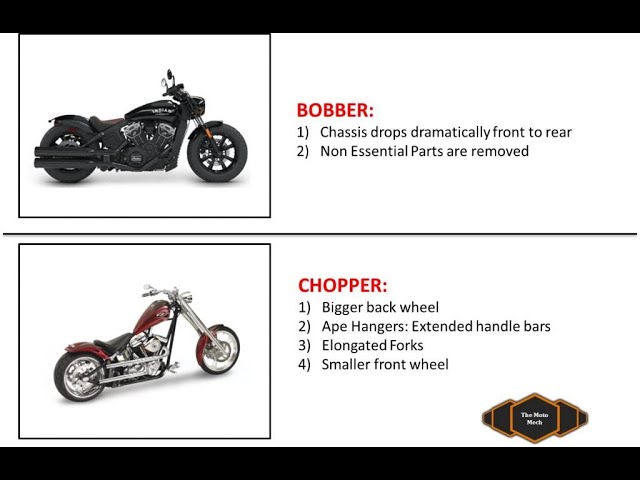
A bobber is not merely a motorcycle; it is a declaration of intent. Born from the rebellious spirit of post-war America, where returning soldiers sought to personalize their rides without the constraints of convention, the bobber emerged as a canvas of raw functionality. Unlike its more flamboyant cousin, the chopper, which often indulges in elongated forks and lavish embellishments, the bobber is a study in reduction. It is the art of paring down to the irreducible—a motorcycle shorn of excess, where every line serves a purpose, and every curve whispers of efficiency.
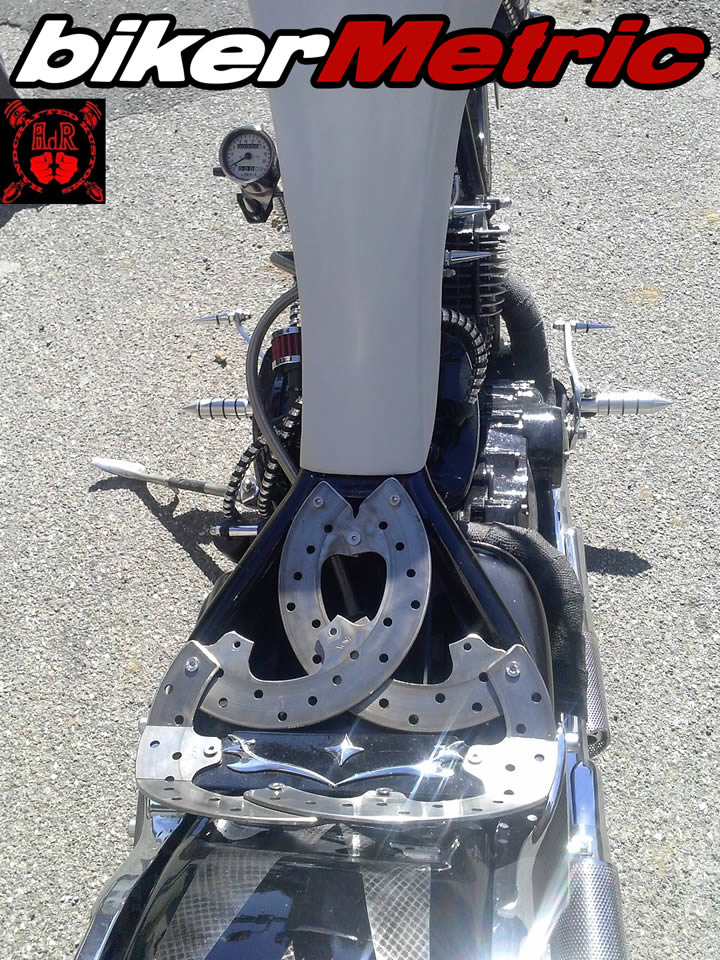
Consider the frame: often lowered, sometimes chopped, but always reimagined. The fenders are truncated, the seat is a solitary perch, and the exhaust pipes are a symphony of minimalist design. There are no flashy fairings, no unnecessary bulk. The bobber is a motorcycle that has been unburdened, not just of weight, but of pretension. It is the mechanical equivalent of a haiku—brief, potent, and devoid of ornamentation.

The Chopper’s Extravagance vs. The Bobber’s Restraint
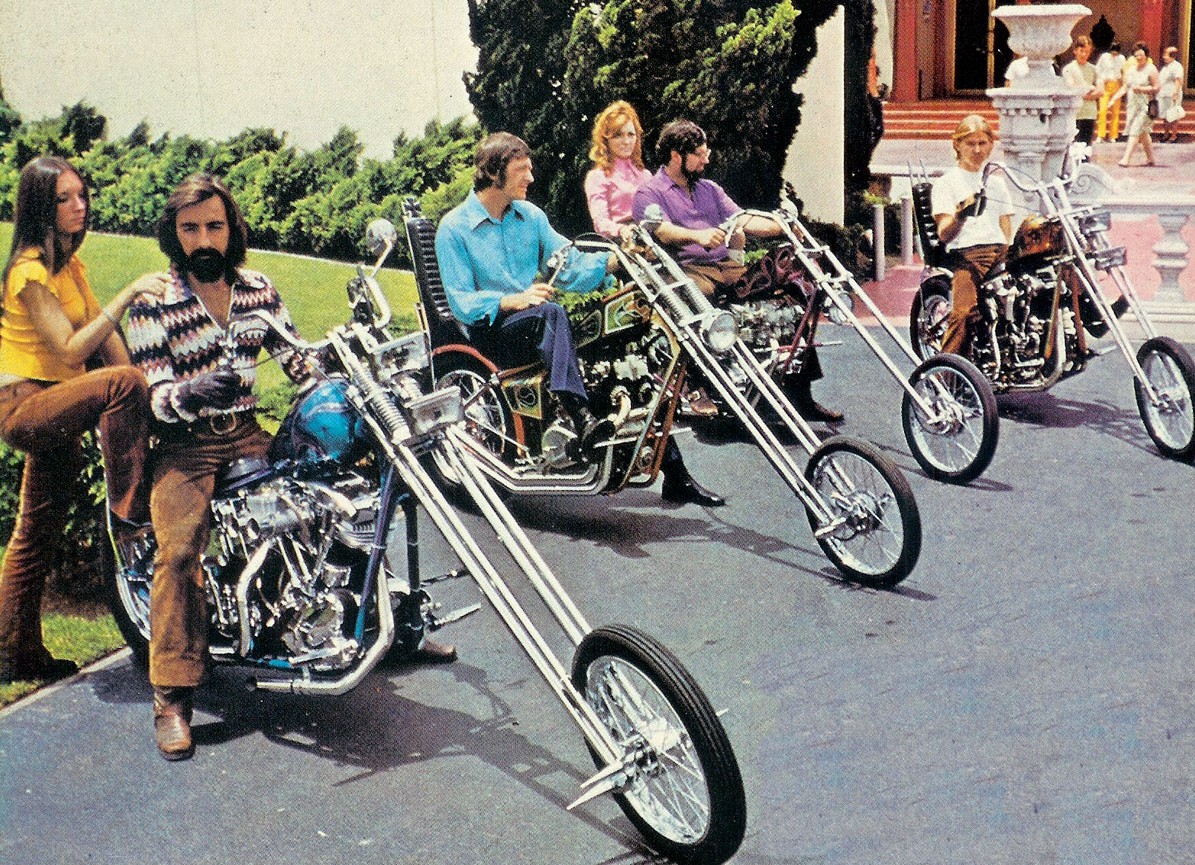
To contrast a bobber with a chopper is to witness two diametrically opposed philosophies of motorcycle customization. The chopper, with its elongated front ends and towering handlebars, is a spectacle of excess. It is the motorcycle as a canvas for artistic indulgence, where the rider’s identity is draped in chrome and leather. The bobber, by contrast, is the motorcycle as a tool—unadorned, unapologetic, and uncompromising.
The chopper’s allure lies in its ability to transform the motorcycle into a rolling sculpture, a mobile monument to individuality. The bobber, however, finds its beauty in the raw, unfiltered connection between rider and machine. There is no mistaking one for the other; the chopper demands attention, while the bobber commands respect. The chopper is a statement. The bobber is a confession.
This dichotomy reveals something deeper about the riders themselves. The chopper enthusiast often seeks to stand out, to be seen, to be a part of the spectacle. The bobber rider, on the other hand, is content to blend into the landscape, to become one with the road. The chopper is a conversation starter. The bobber is a silent companion.
The Heritage of the Bobber: From Rebellion to Reverence
The origins of the bobber are steeped in the grit and grime of mid-century America. Returning from World War II, soldiers sought to reclaim their freedom on the open road, but they also sought to express their individuality. The stock motorcycles of the day were too generic, too corporate. So, they began to modify them—cutting fenders, lowering frames, and stripping away the unnecessary. The bobber was born from necessity, but it quickly became a symbol of rebellion and self-expression.
In the decades that followed, the bobber evolved from a DIY project to a recognized art form. Clubs formed, legends were born, and the bobber became a cultural touchstone. It was no longer just a motorcycle; it was a lifestyle. The bobber rider was no longer just a rider; they were a custodian of a tradition that valued authenticity over artifice.
Today, the bobber’s heritage is celebrated in rallies and shows around the world. It is a testament to the enduring appeal of simplicity and the timeless allure of the open road. The bobber is not just a motorcycle; it is a piece of history, a rolling relic of a time when riders were defined by their spirit, not their budgets.

The Engineering of Efficiency: How Bobbers Redefine Performance
Beyond their aesthetic appeal, bobbers are a masterclass in engineering efficiency. Every modification is a calculated decision, aimed at enhancing performance without sacrificing the motorcycle’s soul. The lowered frame improves handling, the truncated fenders reduce weight, and the minimalist exhaust system maximizes power output. The bobber is not just a pretty face; it is a machine designed to perform.
Consider the engine: often a workhorse, stripped of unnecessary components to focus on raw power. The suspension is tuned for agility, the brakes are upgraded for precision, and the tires are chosen for grip and durability. The bobber is a motorcycle that has been engineered to thrive on the road, not in the showroom.
This focus on performance is not accidental. It is a reflection of the bobber’s philosophy—every modification serves a purpose. There is no room for wasted effort or superfluous design. The bobber is a motorcycle that has been honed to perfection, a machine that rewards the rider with every twist of the throttle.
The Psychology of the Bobber: Why Simplicity Captivates
There is something deeply psychological about the bobber’s appeal. In a world that is increasingly cluttered with noise and distraction, the bobber offers a moment of clarity. It is a motorcycle that demands nothing but your full attention. There are no distractions, no unnecessary embellishments—just you, the road, and the machine.
This simplicity is not just aesthetic; it is existential. The bobber rider is not just seeking a ride; they are seeking a connection. A connection to the road, to the machine, and to themselves. The bobber is a motorcycle that strips away the noise of modern life, leaving only the essentials. It is a reminder that sometimes, less really is more.
The fascination with bobbers also speaks to a deeper human desire for authenticity. In a world where everything is mass-produced and disposable, the bobber is a rebellion against the status quo. It is a motorcycle that has been built by hand, for the rider, by the rider. It is a testament to the power of individuality and the beauty of imperfection.
The Future of the Bobber: A Timeless Trend
As the motorcycle industry continues to evolve, the bobber remains a constant. It is a trend that refuses to fade, a style that continues to inspire new generations of riders. The bobber’s appeal is timeless because it is rooted in something fundamental—the desire for simplicity, authenticity, and connection.
In an era of electric motorcycles and autonomous vehicles, the bobber stands as a reminder of what it means to ride. It is a motorcycle that is not just a mode of transport, but a way of life. It is a machine that has been stripped down to its essence, a testament to the enduring power of minimalism.
The future of the bobber is not just about preserving the past; it is about redefining the future. It is about creating motorcycles that are as efficient as they are beautiful, as functional as they are expressive. The bobber is not just a style; it is a philosophy. And as long as there are riders who seek to connect with the road, the bobber will endure.