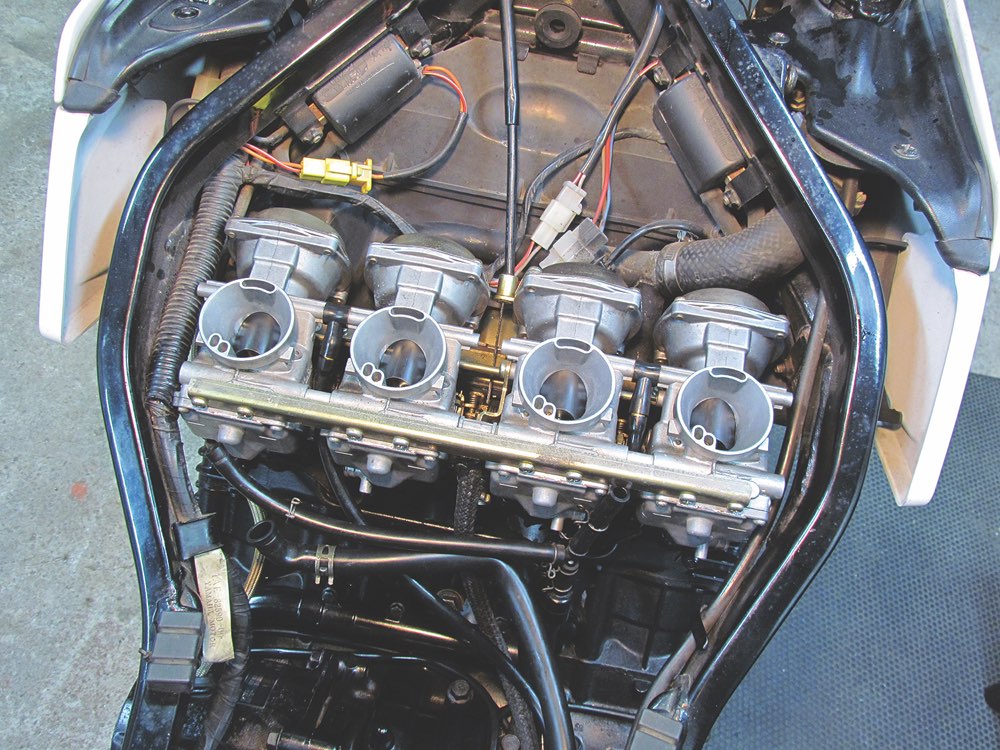
Ever stared down the gleaming dual carburetors of your chopper engine and wondered, “Why do these two stubborn siblings insist on singing off-key?” Synchronizing carburetors isn’t just about making your engine purr like a contented kitten—it’s about unlocking the full potential of your machine, ensuring every cylinder breathes in harmony. But here’s the twist: what if one carburetor is hogging all the air while its twin sulks in the corner? The result? A chopper that coughs, sputters, and leaves you questioning your mechanical prowess. Fear not, intrepid rider, for the art of syncing dual carburetors is less about brute force and more about finesse. Let’s dive into the gritty, glorious details of making your engine’s lungs work in unison.
The Symphony of Synchronization: Why Your Chopper’s Carbs Need to Dance in Tune
Picture this: your chopper’s engine is a rock band, and the carburetors are the lead singers. If one singer belts out the melody while the other mumbles backup, the harmony collapses into chaos. Similarly, unbalanced carburetors lead to uneven fuel distribution, poor throttle response, and a ride that feels like a rollercoaster with a mind of its own. Synchronization ensures both carburetors deliver the same air-fuel mixture to each cylinder, creating a smooth, powerful rhythm. Without it, you risk stalling mid-ride, overheating, or worse—watching your engine’s performance flatline like a deflated tire. The goal? A chopper that responds with the precision of a Swiss watch and the roar of a lion.
But synchronization isn’t just about performance—it’s about longevity. An imbalanced engine works harder, guzzles fuel like a thirsty camel, and wears out faster than a pair of boots in a muddy swamp. By syncing your carbs, you’re not just tweaking performance; you’re extending the life of your engine and saving yourself from costly repairs down the road. Think of it as the difference between a well-oiled machine and a rusted relic.
The Tools of the Trade: Gear Up for the Carburetor Tango
Before you waltz into the garage, arm yourself with the right tools. A carburetor synchronization tool is your dance partner in this mechanical tango. These nifty devices, often called vacuum testers or sync tools, measure the vacuum pressure at each carburetor’s intake. Why vacuum? Because it’s the heartbeat of your engine—uneven vacuum readings scream imbalance. You’ll also need a set of wrenches, a screwdriver, and a healthy dose of patience. Oh, and don’t forget safety glasses. Because nobody wants a rogue carburetor bolt to become an unplanned facial piercing.
If you’re feeling adventurous, a stethoscope (yes, the same one doctors use) can help you listen for irregularities in the engine’s rhythm. A well-synced carburetor should hum a steady tune, while an out-of-whack one will cough and splutter like a teenager learning to drive a stick shift. For the purists, a manometer—a pressure gauge that measures vacuum levels—can provide precise readings, though it’s a bit more advanced. Whichever tool you choose, remember: precision is key. This isn’t a guessing game; it’s a surgical procedure for your engine.
Step-by-Step: The Choreography of Carburetor Synchronization
Now, let’s get to the meat of the matter. Synchronizing dual carburetors is a dance of patience and precision. Here’s how to lead your engine through the steps:
1. Warm Up the Engine: The Prelude to Harmony
Before you begin, fire up your chopper and let the engine reach operating temperature. Why? Because cold metal behaves differently than hot metal, and you want your readings to reflect real-world conditions. A warm engine is a cooperative partner, while a cold one will throw a tantrum and give you inaccurate data. Let it idle for at least 10 minutes, or until the engine is purring like a satisfied cat.
2. Attach the Sync Tool: The First Step in the Dance
Connect your synchronization tool to the vacuum ports of both carburetors. These ports are usually located on the sides or tops of the carburetors and are often capped with small rubber plugs. Remove the plugs, attach the tool’s hoses, and ensure there are no leaks. A leaky hose is like a dancer with two left feet—it’ll throw off your entire routine. Tighten the connections and double-check for any hissing sounds. If you hear air escaping, you’ve got a problem that needs fixing before you proceed.
3. Take the First Reading: The Moment of Truth
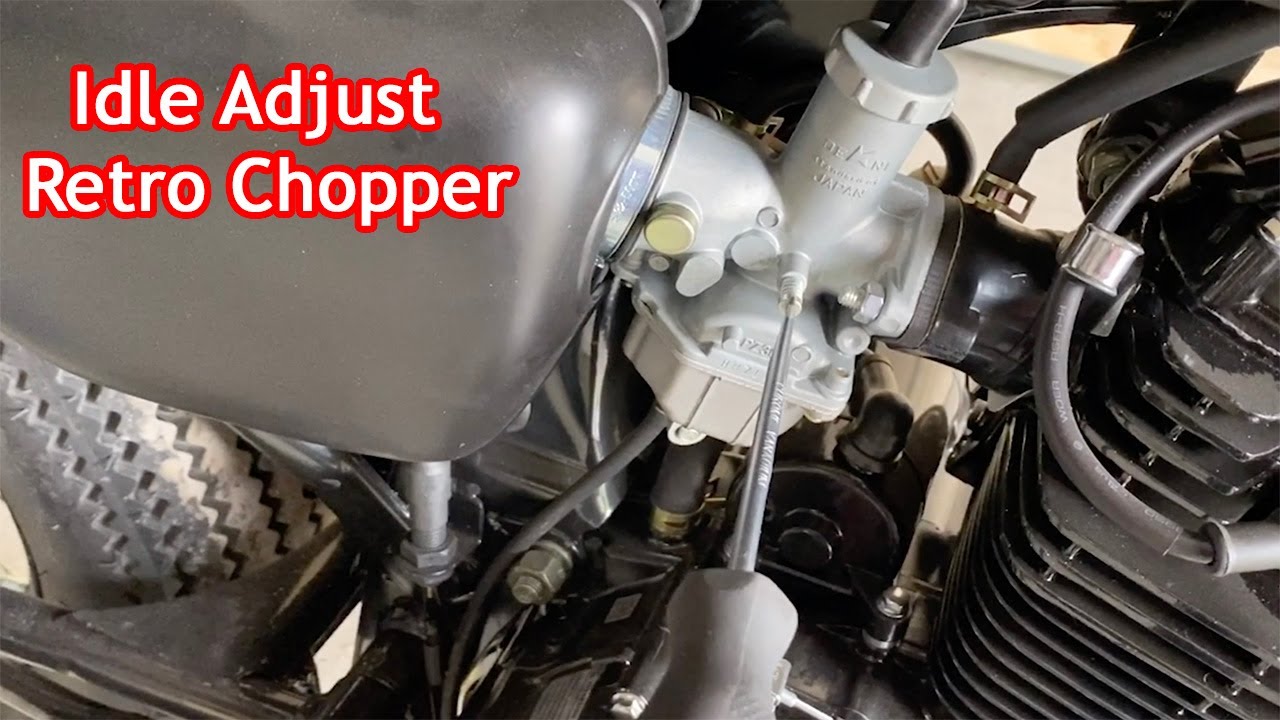
With the engine idling, observe the vacuum readings on your sync tool. The goal is to have both carburetors displaying the same vacuum level. If one reads significantly higher or lower than the other, you’ve got an imbalance. Don’t panic—this is where the real work begins. Start by adjusting the idle mixture screws on each carburetor. Turn them incrementally, a quarter-turn at a time, and observe the changes in vacuum readings. It’s a game of fine-tuning, like adjusting the strings on a guitar until every note rings true.
4. Fine-Tune the Throttle: The Delicate Balance
If adjusting the mixture screws doesn’t bring the carburetors into harmony, it’s time to tweak the throttle cables. Uneven throttle response can throw off synchronization, so ensure both carburetors are opening and closing at the same rate. Loosen the lock nuts on the throttle cables and adjust them until the carburetors move in unison. This step requires a keen eye and a steady hand—think of it as conducting a symphony where every instrument must play in time.

5. Test and Retest: The Proof Is in the Purring
Once you’ve made your adjustments, let the engine idle again and take new vacuum readings. If the carburetors are now in sync, you’ll see matching numbers on your tool. If not, repeat the process—adjust, test, and repeat. Synchronization is an iterative process, and it may take several attempts to achieve perfection. Don’t rush it. A chopper that’s out of tune is like a song with a sour note—it ruins the entire experience.
Common Pitfalls: The Traps That Trip Up Even the Best Riders
Even the most seasoned mechanics stumble into traps when syncing carburetors. Here are a few to watch out for:
The Phantom Leak: A Silent Saboteur
Air leaks are the bane of synchronization. A tiny crack in a hose or a loose fitting can throw off your vacuum readings, making it seem like your carburetors are out of balance when they’re not. Always inspect your hoses and connections before starting the process. If you find a leak, replace the faulty component immediately. There’s no room for shortcuts here.
The Stubborn Screw: When Adjustments Backfire
Sometimes, despite your best efforts, one carburetor refuses to cooperate. The idle mixture screw might be stripped, or the carburetor itself could be clogged with gunk. If you’ve turned the screw all the way and still see no change, it’s time to disassemble and clean the carburetor. A thorough cleaning can work wonders, restoring balance and performance.
The Overzealous Tweak: Too Much of a Good Thing
It’s easy to get carried away with adjustments, but remember: small changes yield big results. Turning a screw too far can flood the engine or create a vacuum leak. Always make incremental adjustments and test the results before proceeding. Patience is your greatest ally in this process.
The Reward: A Chopper That Purrs Like a Kitten and Roars Like a Lion
Once your carburetors are in perfect harmony, the difference will be undeniable. Your chopper will accelerate smoothly, idle quietly, and respond to your commands with the precision of a surgeon’s scalpel. The engine will purr like a contented kitten at idle and roar like a lion when you twist the throttle. Fuel efficiency will improve, and the wear on your engine components will slow to a crawl. It’s the kind of transformation that turns a good chopper into a great one.
But synchronization isn’t a one-and-done deal. Over time, vibrations, temperature changes, and wear can throw your carburetors out of balance again. Make it a habit to check and adjust them regularly, especially before long rides or after periods of inactivity. Think of it like tuning a guitar—it’s not a set-it-and-forget-it task, but a continuous labor of love.
So, the next time you fire up your chopper and hear the unmistakable rhythm of a well-synced engine, take a moment to appreciate the artistry behind it. Synchronizing carburetors isn’t just about mechanics; it’s about craftsmanship, patience, and a deep connection to your machine. Now, go forth and make your chopper sing.