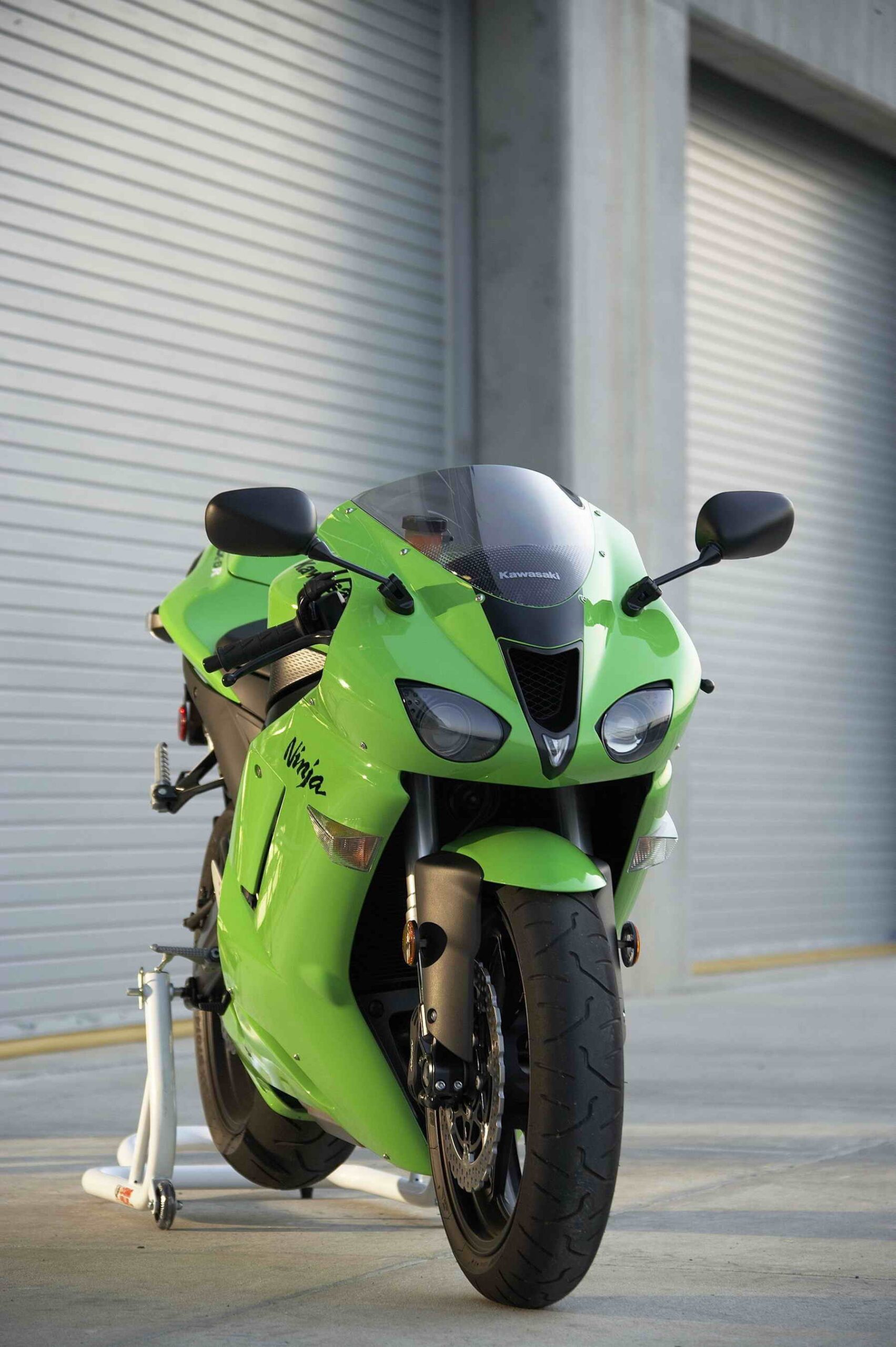
In the pantheon of cruiser motorcycles, few models have managed to carve out a lasting legacy quite like the 1985 Kawasaki Vulcan 750. Celebrated for its harmonious blend of style, performance, and reliability, this motorcycle has steadily earned a reputation as a timeless classic that continues to captivate enthusiasts decades after its initial release. It’s an emblematic example of Kawasaki’s commitment to crafting machines that are as engaging on the open road as they are enduring with the passage of time.
The 1985 Vulcan 750 occupies a distinctive niche within the cruiser category. While larger displacement bikes often dominate discussions, this model’s medium-sized 749cc V-twin engine offers an enticing blend of manageable power and user-friendly dynamics. Riders seeking a bike that balances spirited performance with accessible handling find the Vulcan 750 irresistibly appealing. It presents a smooth torque curve, ensuring ample pull in lower RPM ranges, ideal for urban cruising and highway endurance alike. The liquid-cooled, overhead camshaft engine exhibits a robust character without overwhelming the rider, making it a quintessential choice for both novices and seasoned veterans.
Design-wise, the 1985 Vulcan 750 encapsulates the quintessential cruiser ethos with meticulous attention to detail. Its silhouette is an elegant marriage of classic lines and understated aggression—featuring a teardrop-shaped fuel tank, broad fenders, and a low-slung profile that encourages a relaxed riding posture. The chrome-plated accents and polished exhaust pipes add a nuanced touch of vintage charm, highlighting Kawasaki’s dedication to aesthetic appeal. Functionality and style merge seamlessly in the ergonomics, where wide handlebars and contoured seats provide comfort even during extended journeys.
One cannot discuss the Vulcan 750 without delving into its exceptional ride quality. The chassis configuration combines a steel double-cradle frame with a telescopic front fork and dual rear shock absorbers, which adeptly soak up imperfections on the road. This interplay results in a composed and reassuring feel, allowing riders to approach corners with confidence and maintain stability at highway speeds. Braking is competent with front disc and rear drum brakes, providing dependable stopping power under various conditions. The balance of agility and planted stability underscores Kawasaki’s engineering prowess in delivering a well-rounded riding experience.
Beyond mechanical virtues, the Vulcan 750 also shines in its practical attributes. The motorcycle was originally marketed with versatility in mind—serving as a reliable machine for daily commuting as well as an accessory-laden cruiser for weekend getaways. Its moderate weight and nimble dimensions enable easy maneuvering through congested traffic or tight parking situations, a testament to its urban adaptability. Meanwhile, the bike’s seating arrangement and footpeg positioning foster a relaxed demeanor that diminishes rider fatigue over long distances. This duality of purpose elevates the Vulcan 750 from a mere motorized conveyance to an enduring companion on myriad journeys.
In terms of customization, the 1985 Vulcan 750 remains a favored canvas for personalization. Its straightforward mechanical layout invites modifications ranging from aesthetic enhancements such as aftermarket paint schemes, saddlebags, and windshields, to performance upgrades like exhaust replacements and suspension tweaks. Enthusiasts appreciate this flexibility as it allows the Vulcan to be tailored to individual riding styles and tastes. This enduring aftermarket ecosystem also contributes to the bike’s longevity in an era where bespoke motorcycles continue to gain popularity.
Owners of the Vulcan 750 often highlight the machine’s reliability and ease of maintenance. Kawasaki’s reputation for durable engineering is well-earned; the Vulcan’s V-twin engine and associated components are accessible and relatively simple to service. Parts availability remains surprisingly robust for a motorcycle over three decades old, facilitated by a dedicated community of specialists and collectors. Routine upkeep such as oil changes, valve adjustments, and chain maintenance require minimal specialized tools, encouraging a hands-on approach that appeals to both hobbyists and practical riders. This ease of care translates into lower ownership costs and greater longevity.
Historical context adds further gravitas to the 1985 Vulcan 750’s significance. Emerging at a time when cruiser motorcycles began gaining traction in the American market, the Vulcan represented Kawasaki’s strategic entry into a category traditionally dominated by domestic manufacturers. Its success helped broaden the understanding and appreciation of Japanese cruisers, blending reliability with cruiser aesthetics in a manner that resonated strongly with motorcyclists. By offering a mid-sized alternative, Kawasaki tapped into an audience craving accessibility without sacrificing cruiser authenticity. This shift contributed meaningfully to the diversification of the cruiser motorcycle landscape.
When evaluating the 1985 Kawasaki Vulcan 750 within today’s motorcycle ecosystem, it’s evident that its qualities remain remarkably relevant. For riders craving a nostalgic experience or a machine that pairs character with substance, the Vulcan 750 provides a compelling proposition. It embodies a balance rarely achieved in motorcycles—a compelling synthesis of form and function that withstands the vicissitudes of changing design trends and technological advancements. Whether as a collector’s item, a daily commuter, or a weekend cruiser, this model invites riders to savor the visceral connection between man and machine.
In conclusion, the 1985 Kawasaki Vulcan 750 endures as an archetype of the classic cruiser motorcycle. Its timeless design, balanced performance, and enduring reliability ensure it remains a beloved choice for those who cherish motorcycling heritage. More than simply a vehicle, the Vulcan 750 serves as a cultural touchstone—a vivid reminder of an era defined by mechanical elegance and spirited exploration. For anyone seeking a motorcycle that skillfully melds tradition with practicality, the Vulcan 750 continues to hold up as an outstanding example of two-wheeled mastery.