The early 2000s marked a renaissance period for the 600cc sportbike segment, a time when manufacturers harnessed burgeoning technological advancements to produce machines that were not only nimble and aggressive but also remarkably refined. These motorcycles have since garnered near-mythical status among enthusiasts and collectors alike, prompting a compelling question: Are the best 600cc sportbikes from the 2000s still worth riding today? Beyond just nostalgia, the sustained allure of these machines hints at a deeper resonance—a blend of engineering artistry, rider engagement, and cultural significance that continues to captivate.
To grasp the enduring appeal, one must first appreciate the contextual background of the 600cc sportbike scene during that decade. Unlike modern sportbikes, which often focus relentlessly on sheer power and electronic aids, early 2000s 600cc motorcycles struck a delicate equilibrium between aerodynamic efficiency, engine performance, and chassis geometry. This balance offered spirited performance without alienating riders, making it a goldilocks zone for those who sought both thrill and control.
A recurring observation is that despite two decades of technological progress, many riders still find themselves drawn to models such as the Yamaha YZF-R6, Honda CBR600RR, Suzuki GSX-R600, and Kawasaki ZX-6R from that era. What causes this gravitation? A closer examination reveals that these bikes embody a purity of intent, a simplicity overshadowed in today’s electrically complex machines. The raw, mechanical feedback, less intrusive electronic intervention, and tactile throttle control define an experience that feels intimate and rewarding.
The Yamaha YZF-R6, for instance, is often heralded as a masterpiece of engineering, with its razor-sharp handling and high-revving engine character. Introduced in the late ’90s and refined through the 2000s, it became the archetype for 600cc race replicas. The allure stems not only from its performance metrics but also from its chassis dynamics that invite spirited cornering with sublime feedback. Its titanium valves and advanced cylinder head design underscore a commitment to performance that remains remarkable even by today’s standards.
Honda’s CBR600RR takes a slightly different approach, emphasizing a harmonious blending of power and rider comfort. Known for its balanced chassis and exceptional build quality, it lives up to the legendary Honda reputation. The engine’s mid-range tractability and the bike’s overall stability make it suitable not just for racetrack aficionados but also for seasoned commuters who crave agility coupled with reliability. This blend renders the CBR600RR a versatile choice that continues to stand the test of time.
Suzuki’s GSX-R600 carved its niche through an aggressive engine characterized by a broad powerband and innovative Suzuki Composite Electrochemical Material (SCEM) cylinder plating, literally pushing the envelope of thermal efficiency and weight savings back in the day. The bike’s playful yet precise handling invites riders to engage at a deeply visceral level, reinforcing why it still ranks high on the list of coveted sportbikes.
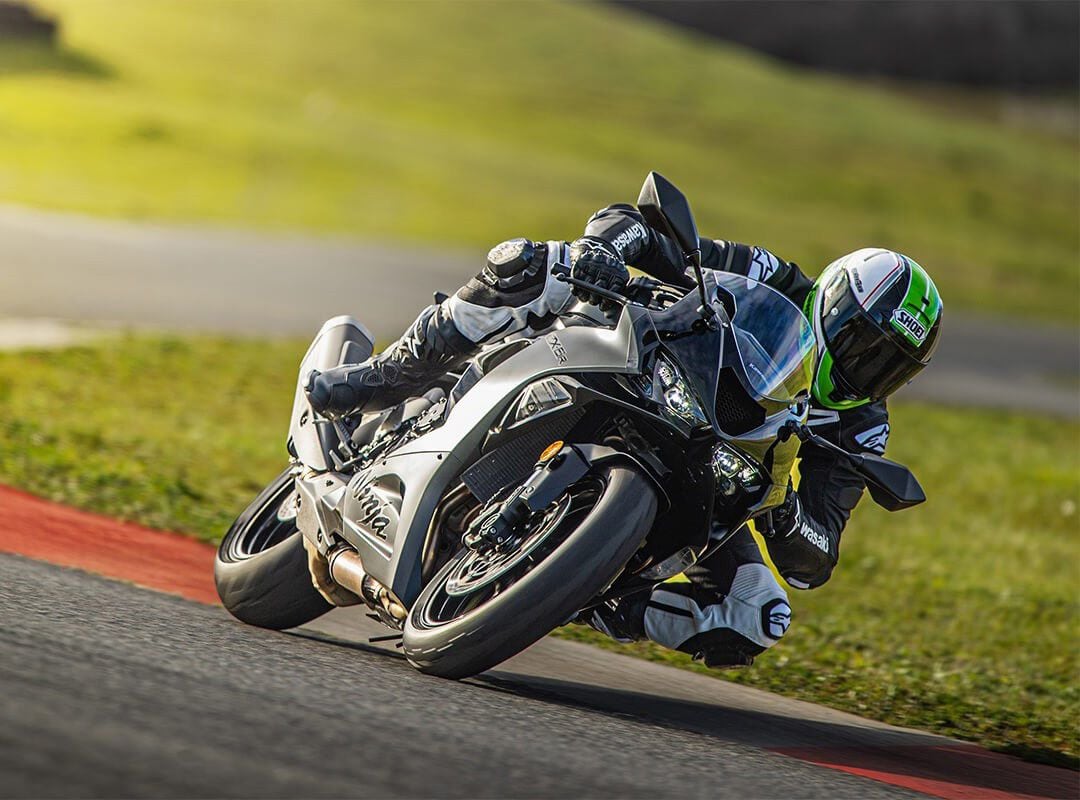
Kawasaki’s ZX-6R from the 2000s brought a cutting-edge retail offering that combined robust torque delivery with advanced suspension setup, making it a formidable contender. Its design philosophy leaned toward turn-in agility and high-speed stability, ideal for riders looking for a precise machine that serves equally well on twisty roads and short sprints. The mechanical simplicity in contrast to modern electronic gadgetry adds to its lasting charm.
Aside from individual models, a significant aspect underpinning the sustained reverence for these motorcycles is their inherent adaptability. The 2000s 600cc sportbikes were designed to be tuners’ favorites—highly customizable with aftermarket parts that allow riders to enhance performance or tailor the aesthetics extensively. This malleability furthers their longevity as riders can personalize and upgrade components to current standards while preserving the fundamental character of the bike.
Moreover, the tactile, analog nature of these sportbikes fosters a rider-machine connection that’s increasingly rare in the era of ride-by-wire throttles and sophisticated traction control systems. The mechanical purity offers nuanced cues about road conditions, throttle input, and chassis feedback, encouraging riders to cultivate skills and awareness rather than rely on electronic interventions. For many, this fosters a more profound appreciation of motorcycling as a craft, rather than a mere pastime or mode of transport.
Economically, these motorcycles represent a sweet spot. While brand-new supersport machines have escalated in price due to technological enhancements and stricter regulations, 2000s 600cc sportbikes often remain accessible on the used market. This affordability opens the door for younger riders or those looking for a nostalgic re-ride without the depreciation hit of newer models. Additionally, parts and maintenance knowledge are well documented due to longstanding enthusiast communities, making ownership a practical proposition.
Critics might argue these machines lack some modern amenities: advanced ABS, cornering traction control, and ride modes are either absent or rudimentary on these aged platforms. While this is true, it is precisely this absence that becomes a virtue for purists who prefer unfiltered engagement and the satisfaction of mastering the machine. For some, these technologies dilute the essence of motorcycling, transforming it into a system more reliant on computers than rider skill. The 600cc sportbikes from the 2000s hence stand as a counterpoint to this trend, embodying a legacy where rider input was paramount.
More than just machines, these motorcycles occupy a cultural and emotional space shaped by memorable racing seasons, iconic track battles, and an era when the middleweight category reigned supreme in promoting rider development. They have become emblematic of formative experiences for countless motorcyclists—the ‘gateway’ sportbike that taught countless riders how to harness speed responsibly yet thrillingly. In this way, their worth transcends performance graphs or price tags; it becomes intrinsically tied to the stories and progression of riders themselves.
In summation, the best 600cc sportbikes from the 2000s are far more than relics of a bygone era. They hold continuing relevance, celebrated for their uncompromising focus on rider engagement, mechanical integrity, and balanced performance. These are motorcycles that reward patience, skill, and appreciation rather than mere technological excess. Far from being outdated, they serve as vital benchmarks and enduring icons in the pantheon of sportbikes. For those seeking authenticity, affordability, and a profound motorcycling experience, these machines remain not only worth it—they are essential.