In the realm of superbikes, the 2010 BMW S1000RR emerged not merely as another contender but as a groundbreaking force that redefined expectations and set new benchmarks for performance, technology, and rider experience. More than just a machine designed for rapid acceleration or razor-sharp handling, the S1000RR transcended traditional superbike boundaries, captivating enthusiasts and industry experts alike with its blend of precision engineering and unrelenting speed. The common fascination with this motorcycle often begins with a simple, almost instinctive question: how quickly can it get from 0 to 60 mph? Yet, this seemingly straightforward inquiry only scratches the surface of what makes the S1000RR truly revolutionary.
The 2010 BMW S1000RR’s 0–60 mph time is frequently cited as a concrete measure of its prowess. Clocking in at approximately 3.0 seconds, this feat underscores the bike’s powerful inline-four engine and weight-optimized design. But acceleration is just one facet; the real intrigue lies in the harmonious fusion of its powertrain, electronics, and chassis dynamics that collectively redefine the superbike experience. The S1000RR’s ability to sprint from a standstill with explosive force is no mere happenstance. It results from meticulous engineering that balances torque delivery with traction control, ensuring that power is not only abundant but also manageable—an essential factor in taming the beast beneath the fairings.
What distinguishes the 2010 model from its predecessors and competitors is the infusion of advanced technology seldom seen in production superbikes at the time. BMW implemented sophisticated ride-by-wire throttle control, multiple riding modes, and dynamic traction control systems that adapt to conditions in real-time, elevating rider confidence on winding roads and race tracks alike. These features mark a paradigm shift not only in performance metrics but also in the intricate interplay between rider and motorcycle. The S1000RR’s electronics do not merely exist as passive aids; instead, they embody a forward-thinking strategy to enhance safety while amplifying the explosive potential of the engine.
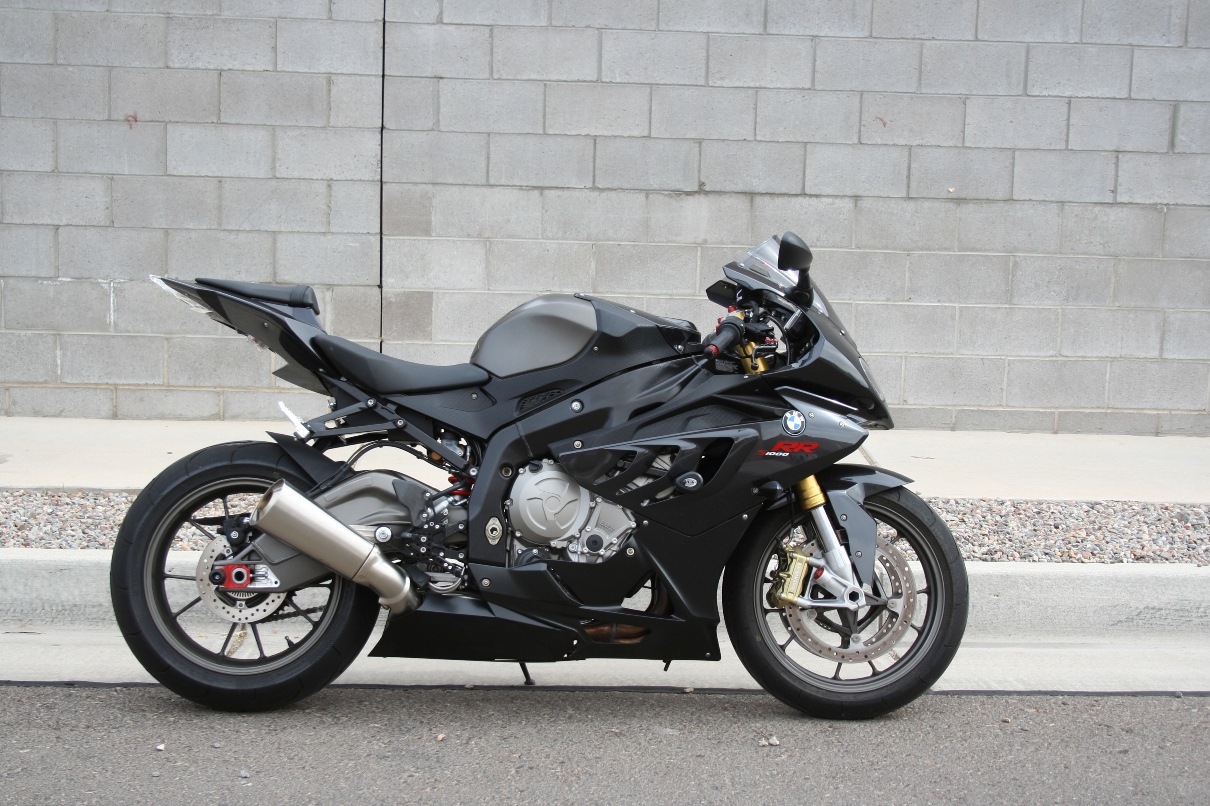
The engineering marvel of the 2010 S1000RR extends beyond acceleration and electronics. Its chassis, constructed using lightweight aluminum alloy, provides rigidity and agility essential for aggressive cornering and high-speed stability. The asymmetric exhaust design and the distinctive right-side swingarm further underscore BMW’s commitment to precision and innovation. Every element of the bike is engineered for optimal performance, contributing to a sublime riding experience that blends raw power with razor-sharp control. The resulting synergy allows riders to exploit the bike’s capabilities fully, showcasing what a superbike should be capable of in the 21st century.
One cannot discuss the S1000RR without acknowledging its aesthetic and psychological impact. The aggressive stance, sharp angles, and aerodynamic bodywork create an unmistakable presence that commands attention. Beyond mere looks, the design serves functional purposes—improving airflow, reducing drag, and facilitating heat dissipation. Yet, the allure of the S1000RR goes deeper than function; it embodies the aspirational spirit of motorcycling, capturing the imagination of riders who crave speed but also seek mastery over their machine. It represents the convergence of art and engineering, a synthesis that stirs a profound fascination within the motorcycle community.
This fascination is not merely about raw numbers or headline-grabbing specs. It is about the deeper connection between rider and machine—a dialogue conducted through throttle inputs, lean angles, and braking points. The S1000RR invites riders into an intimate exchange where precision and instinct coalesce, unlocking a sense of exhilaration that is both primal and sophisticated. This is why the bike remains relevant and revered even more than a decade after its introduction: it promises and delivers a quest for perfection on two wheels.
When contemplating the 2010 BMW S1000RR, it becomes clear that the superbike revolution it sparked is multifaceted. It challenged entrenched notions of what a superbike should be, marrying blistering acceleration with cutting-edge electronics and refined handling. The S1000RR did not merely compete; it set new standards that forced competitors to reevaluate their own approaches. Its 0–60 mph sprint is impressive, yes—but it is the holistic integration of performance, technology, and rider engagement that truly defines its legacy.
More than just a powerful motorcycle, the 2010 BMW S1000RR symbolizes a pivotal moment in superbike history—a moment when innovation transcended mere speed and ventured into realms of control, intelligence, and connectivity. Enthusiasts continue to regard it as a benchmark, a testament to what passion and engineering excellence can achieve when combined with visionary foresight. From its commanding acceleration to its sophisticated electronic suite, the S1000RR is a superbike that fulfills both the mechanical and emotional yearnings of motorcycle aficionados worldwide.
Ultimately, fascination with the 2010 BMW S1000RR is rooted in the synthesis of tangible performance and intangible allure. Its 0–60 mph acceleration sparks initial interest, but it’s the broader revolution—the merger of cutting-edge technology, innovative design, and emotional resonance—that sustains enduring admiration. This superbike not only transports riders from zero to sixty in mere seconds; it transports them into a heightened realm of motorcycling engagement—one where every twist of the wrist and every lean through the curve is imbued with the thrill of possibility and precision.