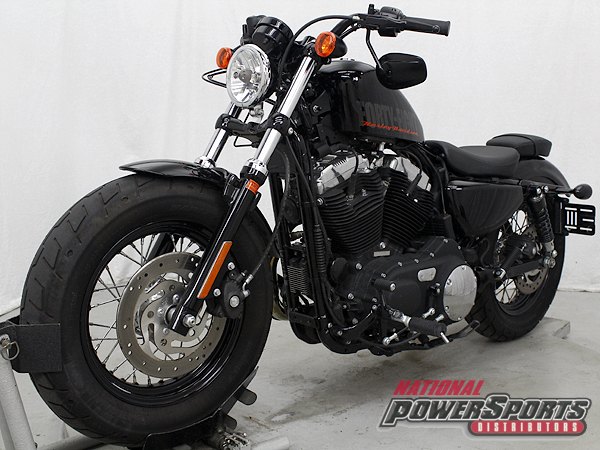
The 2012 Harley-Davidson Sportster lineup presents a captivating trifecta that has long sparked debate among motorcycle enthusiasts: the Sportster 1200, Forty-Eight, and 72. Each model carries its own distinctive allure, merging classic Harley-Davidson heritage with nuanced contemporary design cues. What lies beneath this enduring fascination is not just a comparison of specs but an exploration of identity, purpose, and the subtle symphony of form and function that dictates rider choice.
At first glance, the Sportster 1200, Forty-Eight, and 72 appear to whisper the same language: air-cooled Evolution V-twin engines, raw and unfiltered mechanical appeal, and a minimalist ethos aligned with the spirit of the original café racers and bobbers. However, a discerning look unveils the nuances that distinguish these siblings and create fervent allegiances in the motorcycling community.
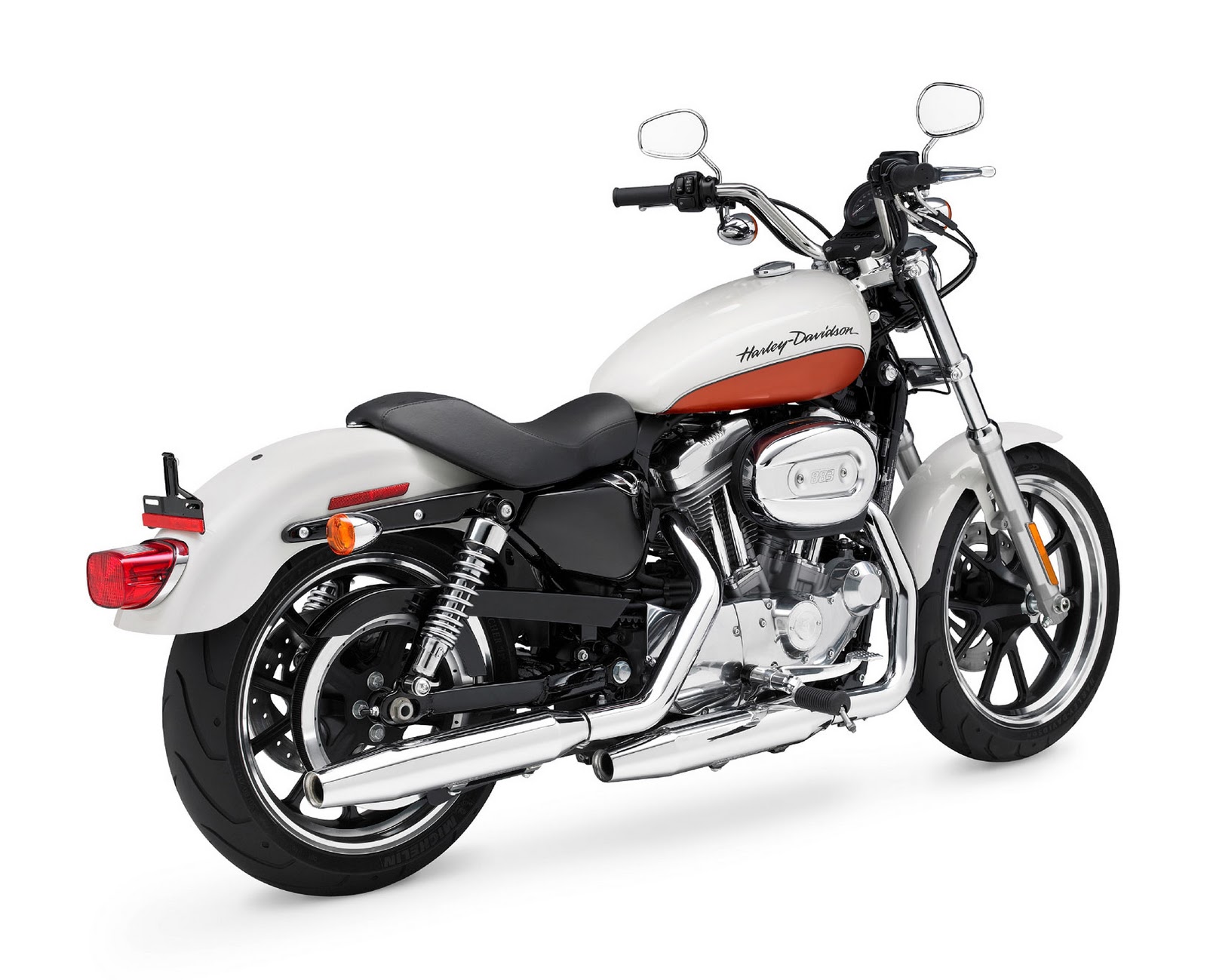
The 2012 Sportster 1200, often regarded as the backbone of the lineup, epitomizes versatility. With a refined yet straightforward aesthetic, it bridges everyday practicality with the essence of Harley’s rugged charm. The 1200cc Evolution engine offers a solid balance of torque and horsepower sufficient for urban commuting and spirited weekend rides alike. Its mid-sized frame provides rider comfort without sacrificing maneuverability, allowing it to serve as a gateway to the Harley universe for many.
Transitioning to the Forty-Eight, one immediately notices its distinct vintage cues — a tribute to its origins that hark back to the 1948 Harley models. Distilled into a compact, low-slung silhouette, the Forty-Eight melds aggressive aesthetics with an almost visceral presence. Its “peanut” fuel tank, barely accommodating a few gallons, reinforces the minimalist ideology, hinting at shorter, yet intensely engaging, rides. The low seat height and forward controls position the rider in a tucked posture, emphasizing that archetypal bobber feel, while the thick 130mm front tire enhances its muscular stance. Underneath, it shares the same 1200cc engine but accentuates torque delivery for street agility and punchy acceleration, making it an icon of urban rebellion and style.
Then there is the Forty-Eight’s counterpart—the 72, which indulges in a more flamboyant aesthetic drama. Inspired by the chopper culture of the 1970s, the 72 is characterized by its bold design flourishes: higher handlebars, a larger fuel tank, and a stretched-out front end that commands attention. The 72 is almost theatrical in its presence, both on and off the asphalt, blending retro allure with modern engineering. Mechanically akin to its siblings, it wields the same Evolution powerplant but invites a more relaxed, cruiser-style riding posture. The increased rake and lean geometry enhance straight-line stability, while the distinctive chopped fenders and unique paint schemes amplify its custom appeal.
When evaluating these models through the lens of performance and ergonomics, several considerations arise. The Sportster 1200 balances user-friendliness and spirited riding, making it the Swiss Army knife of the group. Its neutral riding position aids in long-haul comfort, and the relatively straightforward chassis provides predictable handling. Conversely, the Forty-Eight, with its compactness and aggressive stance, demands a more engaged approach from the rider. The forward foot controls and low seat height cultivate a connection to the machine that is intimate but perhaps less forgiving on extended journeys.
The 72’s allure lies in its embraced flamboyance and nostalgic references, which may polarize opinion but never fail to command respect. Its ergonomics suit riders prioritizing presence and image over closed-course agility. The slightly heavier feel and chopper-inspired silhouette may make it less nimble in tight environments but enhance highway composure and visual intimidation.
Beyond the tangible, the fascination with these Sportsters transcends mere specifications. It touches on the deeper human appeal of motorcycling—the yearning for freedom, for a machine that not only transports but resonates with the rider’s personality and aspirations. The Forty-Eight appeals to those drawn to raw, unbridled charisma, the allure of the stripped-back bobber culture where style and substance coalesce in stark simplicity. Meanwhile, the 72 fulfills a desire for bold expression, a nod to rebellious counterculture and custom craftsmanship. The base Sportster 1200 caters to pragmatists and purists alike, those who appreciate Harley’s legacy filtered through a versatile and approachable riding experience.
Another dimension is the cultural symbolism embedded within each model. The Forty-Eight’s nostalgic design evokes the post-war era’s rugged individualism, a time when motorcycle customization emerged as an act of personal identity and freedom. The 72 channels the hedonistic spirit of the ‘70s, an epoch where speed, style, and individual flair converged in the chopper renaissance. The 1200, more timeless in appearance, represents a bridge from past to present—an everyman’s Harley that upholds tradition while adapting to modern sensibilities.
In terms of customization potential, all three models serve as blank canvases for personalization, a foundation upon which riders can project their visions. However, the Forty-Eight and 72 often attract owners eager to emphasize aesthetic transformations, given their more pronounced design themes. From aftermarket exhausts to bespoke paint jobs and unique seating configurations, these bikes invite a dialogue of creativity that resounds with Harley’s long-standing culture of individuality.
Practical aspects such as maintenance and accessibility also factor into the decision. The shared Evolution engine, renowned for its dependability, ensures that parts and service knowledge remain widespread. Nonetheless, the 1200’s more traditional ergonomics and design simplicity may ease routine upkeep and installation of accessories, affording newcomers an advantage. The Forty-Eight and 72, while mechanically similar, might require more nuanced consideration due to their specialized parts and tighter design constraints.
Ultimately, determining which 2012 Harley-Davidson Sportster is best hinges upon more than horsepower figures or stylistic nuances. It hinges upon the intangible yet palpable connection between rider and machine—the emotional and cultural rhythms that dictate preference. Whether it is the balanced and versatile 1200, the bare-knuckled attitude of the Forty-Eight, or the chopper-inspired bravado of the 72, each model encapsulates a unique fragment of the motorcycling experience.
Choosing among them is more than a tactical decision; it is a personal statement, an expression of the rider’s values, identity, and dreams. In this nexus of engineering, heritage, and heart, the 2012 Sportster variants unfurl a rich tapestry that continues to captivate, inviting enthusiasts to not just ride but to belong.