Is it possible for a motorcycle to balance the razor-sharp performance of a track-ready machine with the nuanced demands of everyday riding? The 2003 Suzuki GSX-R1000 certainly rises to this challenge, straddling the line between brute force and refined controllability with an unwavering confidence. It beckons enthusiasts and casual observers alike to delve deeper, to understand what truly makes this superbike an icon of its era.
Taking a closer look at the 2003 Suzuki GSX-R1000 reveals a meticulously engineered powerhouse, crafted to meet the expectations of riders who demand excellence. Beneath its aerodynamic fairings lies a 999cc, inline four-cylinder engine—an amalgamation of cutting-edge technology and precision engineering. This powerhouse delivers an exhilarating mileage of approximately 162 horsepower, a feat that was nothing short of groundbreaking at the time. The sheer energy condensed into this machine’s heart invites an exploration of how such raw power is harnessed and translated onto the pavement.
Beyond the numbers, the GSX-R1000’s engine features a nuanced layout that combines double overhead camshafts (DOHC) with a sophisticated fuel injection system. This arrangement permits fluid throttle response and sharp power delivery, traits usually reserved for racing machinery. The incorporation of lightweight pistons along with optimized engine friction reduction techniques enhances efficiency and responsiveness, making the throttle twisting experience both thrilling and precise. Every rev is a clear testament to Suzuki’s intent: to forge a motorcycle that is as intuitive to pilot as it is ferocious in output.
However, raw horsepower alone doesn’t define the superbike experience. Can a bike this potent maintain composure during aggressive maneuvers, or is it merely a wild beast to be tamed? The 2003 GSX-R1000 answers this with an equally advanced chassis and suspension system. The twin-spar aluminum frame serves as a rigid backbone, engineered to provide supreme stability without compromising agility. This architectural choice minimizes flex, optimizing the bike’s handling characteristics whether carving tight corners or blasting down straights.
Complementing this structural ingenuity is the bike’s suspension setup: a 43mm inverted telescopic front fork and a rear link-type suspension with a gas-charged shock absorber. Both are fully adjustable, allowing riders to tailor the ride to their preferences or track demands. This system adeptly soaks up irregularities, ensuring that the GSX-R1000 faithfully adheres to the intended line without succumbing to treacherous understeer or oversteer. In this way, Suzuki not only emphasizes power but also commands respect for handling finesse.
Stopping such a rapid machine safely is another herculean task. Will the braking system match the bike’s prodigious speed capabilities? The answer lies in the dual front 310mm discs paired with four-piston calipers and a single 220mm rear disc. This symphony of stopping power generates predictable and modulated performance, critical when navigating high-speed scenarios where precision is paramount. The inclusion of advanced pads and braided steel brake lines further refines hydraulic feel, bolstering rider confidence during sudden or prolonged deceleration.
Every detail matters when considering the total riding experience. The ergonomics of the 2003 Suzuki GSX-R1000 create a harmonious interface between rider and machine. The exaggerated sporty posture, characterized by raised footpegs and a compact handlebar arrangement, may challenge long-term comfort, but undeniably enhances control and rider immersion. This positioning places the operator’s weight slightly forward, a subtle encouragement to engage fully with the bike’s aggressive character.
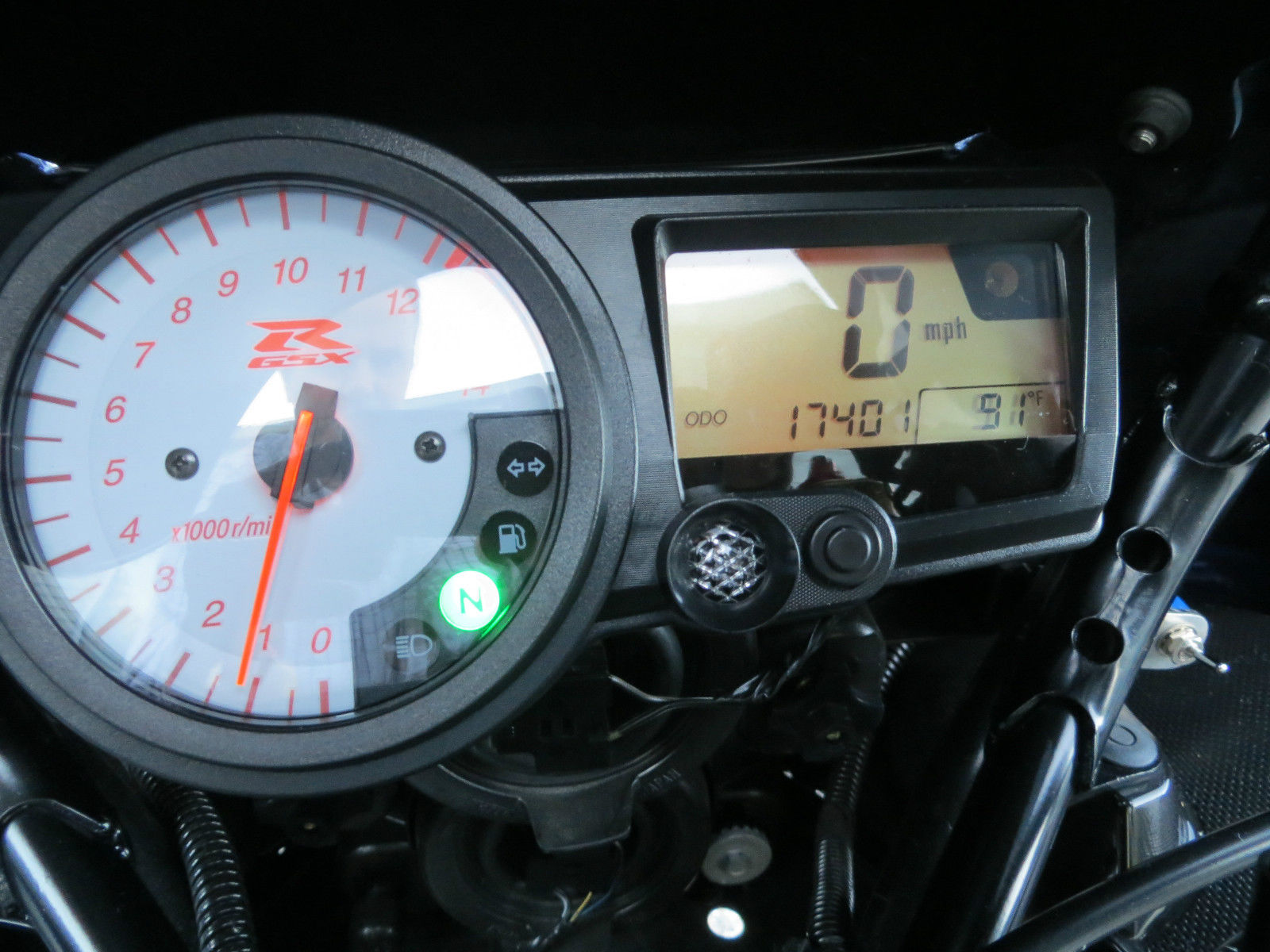
Moreover, the instrument cluster seamlessly blends functionality with sport aesthetics. Featuring a combination of analog tachometer and digital speedometer, the display provides essential information at a glance. Indicators for fuel, gear position, and engine temperature round out the package, allowing the rider to focus on the road and performance without distraction. It’s a cockpit designed for clarity, one that complements the bike’s high-octane spirit.
But what about the sensory allure—the visceral feel, the symphony of mechanical sounds that define the riding experience? The GSX-R1000’s exhaust emits a sharp, throaty growl that rises with revs, an auditory embodiment of the machine’s ferocity. This sound is not mere noise; it forms an indispensable part of the connection between rider and bike, communicating power surges and engine temperament instinctively. Riding the GSX-R1000 is as much an emotional engagement as it is a physical one.
In terms of technological innovation, the 2003 model introduced subtle yet impactful refinements that cemented its status in the superbike pantheon. Suzuki’s use of lightweight materials such as magnesium and aluminum in critical components reduced overall weight to approximately 397 pounds dry—remarkably nimble for a liter-class motorcycle. This attention to mass centralization and balance was instrumental in enhancing the bike’s agility and responsiveness, aspects vital to spirited street and track performance alike.
Finally, one might wonder: how does the GSX-R1000 fare in the context of its contemporaries? Despite facing stiff competition from brands renowned for their racing pedigrees, Suzuki carved a niche by integrating accessible handling with relentless power delivery. The bike’s approachable character invites riders to explore the limits without feeling overwhelmed, bridging the gap between raw speed and practical usability.
In sum, the 2003 Suzuki GSX-R1000 exemplifies a masterclass in superbike engineering. Its combination of formidable power, precise handling, and thoughtful ergonomics presents a compelling case study in motorcycle dynamics. It challenges preconceptions about what a superbike can and should be, forging a legacy that continues to inspire both riders and designers. To experience this machine is to engage in a dialogue of engineering excellence and riding exhilaration—a conversation that continues to resonate across generations.