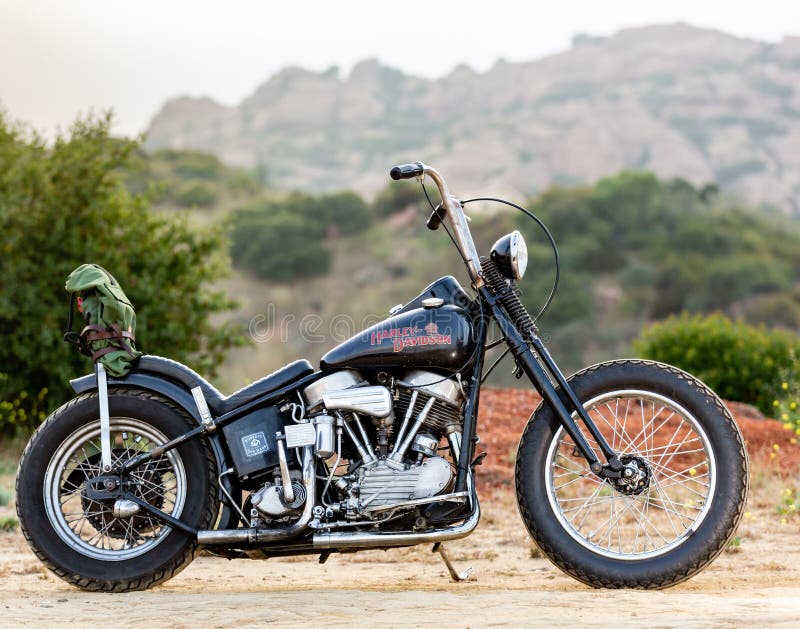
The allure of a vintage chopper isn’t just in its gleaming chrome or the throaty growl of its engine—it’s in the story each bolt and bracket whispers. Every OEM Harley part carries the weight of decades, the craftsmanship of an era when motorcycles were built to last, not just to sell. Yet, for the modern builder, sourcing these relics of a bygone golden age can feel like hunting for buried treasure. The challenge isn’t just finding parts; it’s uncovering the soul behind them. Where do you turn when the aftermarket floods the market with generic replicas, and the originals seem to vanish like ghosts of the open road? The answer lies not just in warehouses and salvage yards, but in the hidden networks of enthusiasts, the whispers of mechanics who still remember the old ways, and the digital archives that preserve the blueprints of history. This isn’t just about assembling a bike—it’s about resurrecting a legend, one carefully selected part at a time.
The Allure of Authenticity: Why OEM Harley Parts Matter
There’s a magnetic pull to OEM Harley parts that aftermarket alternatives can never replicate. These aren’t just components; they’re artifacts of a time when Harley-Davidson wasn’t just a brand but a way of life. The precision of a 1970s-era brake master cylinder, the heft of a vintage kickstand, the unmistakable stamp of a factory serial number—each detail is a testament to an era when motorcycles were built by hand, not on assembly lines. The fascination isn’t merely aesthetic; it’s existential. These parts carry the DNA of the riders who came before, the mechanics who tuned them, and the roads they conquered. To build a vintage chopper with OEM parts isn’t just to create a machine; it’s to step into a legacy. The authenticity isn’t just in the metal—it’s in the lineage.
Yet, this authenticity comes with a price. OEM parts are rare, often discontinued, and frequently priced like collector’s items. The deeper reason for this obsession lies in the human desire to connect with history. In a world where everything is mass-produced and disposable, a vintage chopper built with original Harley parts becomes a rebellion—a declaration that some things are worth preserving, not replacing. The patina on a 50-year-old fender isn’t a flaw; it’s a badge of honor, a visible record of the miles traveled and the hands that guided it. This is why builders don’t just seek parts; they seek stories.

The Digital Goldmine: Online Marketplaces for Rare Finds
The internet has revolutionized the hunt for OEM Harley parts, turning what was once a painstakingly slow scavenger hunt into a global treasure hunt at your fingertips. Websites like eBay, Craigslist, and specialized forums such as The H.A.M. (Harley-Davidson Motorcycle) Club or VintageChopper.com have become digital bazaars where enthusiasts from every corner of the globe trade parts like rare coins. The key to success here isn’t just persistence—it’s strategy. Savvy builders set up alerts for specific part numbers, monitor auctions like hawks, and cultivate relationships with sellers who might tip them off about hidden gems. The thrill of the chase is real; the moment a long-sought-after part lands in your cart feels like winning a lottery where the prize is a piece of motorcycle history.
But the digital realm isn’t without its pitfalls. The market is rife with counterfeits, mislabeled parts, and sellers who don’t understand—or worse, misrepresent—the provenance of what they’re offering. The deeper challenge lies in verifying authenticity. A genuine 1960s Harley oil pump might look identical to a reproduction at first glance, but the devil is in the details: the weight of the metal, the alignment of the casting marks, even the subtle patina of age. This is where the community’s wisdom becomes invaluable. Engaging in forums, joining Facebook groups dedicated to vintage Harley restoration, or even striking up conversations on Reddit threads can provide the kind of insider knowledge that separates a bargain from a boondoggle. The online world has democratized access to parts, but it has also amplified the need for discernment—a skill that only comes with time and experience.
The Salvage Yard Odyssey: Digging for Buried Gems
For those who crave the tactile thrill of the hunt, salvage yards remain the last bastion of raw, unfiltered discovery. These sprawling graveyards of two-wheeled history are where motorcycles go to die—or, more accurately, where they go to be reborn. Walking through a salvage yard is like stepping into a time capsule: the scent of oil and rust, the jangle of loose parts, the skeletal remains of bikes that once roared down Route 66. Here, the search isn’t just for parts; it’s for character. A rusted frame might hide a perfectly intact engine. A pile of discarded fenders could contain a pristine 1970s Harley tank. The magic lies in the unpredictability—the way a yard that looks barren on first glance might yield a goldmine of OEM treasures just by peering under a tarp or asking the right question.
The deeper allure of salvage yards is the connection to the past they provide. Every part has a history, even if it’s not immediately apparent. A set of vintage Harley footpegs might have been installed on a bike that crossed the country in the 1970s. A carburetor could have fed an engine that powered a police cruiser. These aren’t just components; they’re fragments of untold stories. The challenge, of course, is knowing what to look for. Not all salvage yards are created equal—some are meticulously organized, while others are chaotic mazes of chaos. The best yards are often the ones run by old-school mechanics who’ve been in the business for decades. They don’t just sell parts; they share lore. They might point you to a hidden stash of NOS (New Old Stock) parts tucked away in a corner or warn you about a batch of parts that look good but are actually reproductions. The salvage yard isn’t just a place to find parts; it’s a classroom where the lessons are taught in oil stains and rust.
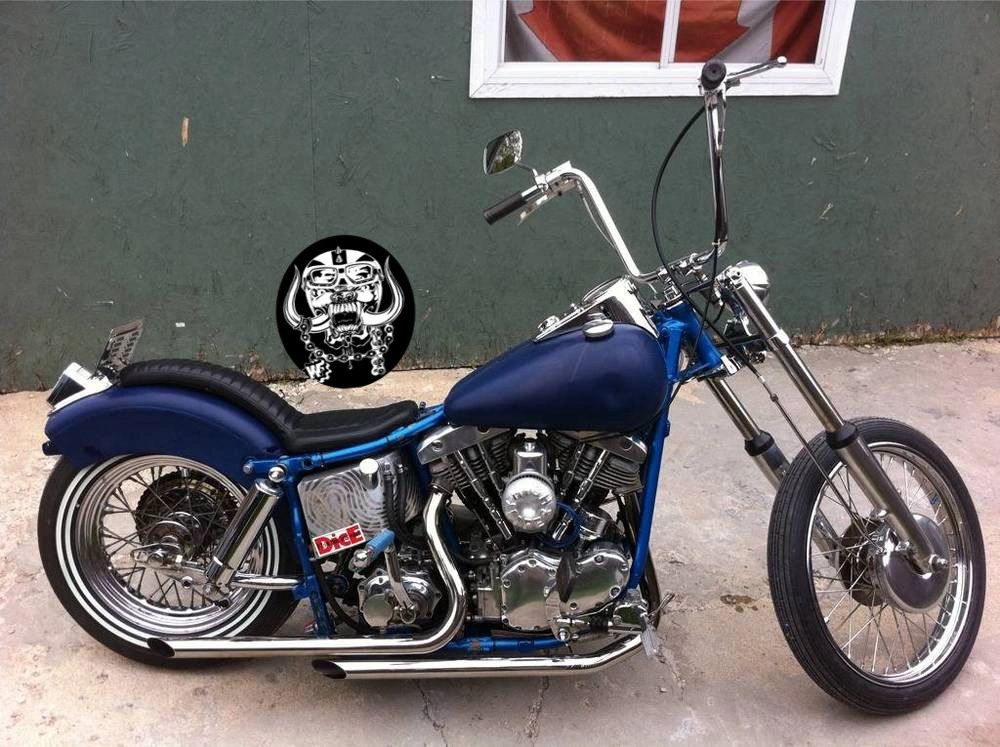
The Art of the Trade: Bartering and Networking in the Vintage Community
In the world of vintage chopper builds, currency isn’t just cash—it’s trust, reciprocity, and the unspoken currency of shared passion. The most coveted OEM Harley parts often change hands not through transactions, but through trades. A builder might swap a set of vintage Harley saddlebags for a rare engine case, or trade a custom exhaust system for a NOS transmission. The key to these deals isn’t just having something valuable to offer; it’s knowing who to approach and how to frame the trade. The vintage community thrives on relationships, and the most successful builders are those who’ve cultivated a reputation as someone who gives as much as they take. It’s a delicate dance—one that requires humility, patience, and a willingness to listen more than you speak.
The deeper magic of bartering lies in the stories it generates. A trade isn’t just an exchange of goods; it’s an exchange of experiences. The builder who hands over a pristine 1980s Harley brake caliper might regale you with tales of the bike it came from—a custom chopper that won trophies at a 1985 rally. The mechanic who trades a NOS carburetor might share memories of the day he rebuilt the engine it once fed. These aren’t just transactions; they’re oral histories, passed down one part at a time. The vintage community is, at its core, a brotherhood of storytellers, and the parts they trade are the chapters of their shared narrative. To participate in this world is to become part of the story—a legacy that extends far beyond the bike you’re building.
Preserving the Legacy: Maintenance and Care for OEM Parts
Acquiring OEM Harley parts is only half the battle—the real challenge is keeping them alive. These aren’t modern, mass-produced components designed for easy replacement; they’re heirlooms that demand respect. The first rule of preservation is understanding the materials. Cast iron, aluminum, and steel all age differently, and each requires a tailored approach to maintenance. A vintage Harley engine case, for example, might need regular oiling to prevent corrosion, while a chrome fender could require a gentle touch to avoid stripping the patina. The deeper artistry lies in knowing when to restore and when to leave well enough alone. Some builders argue that a part’s value lies in its imperfections—a scratch here, a dent there—while others insist on bringing every component back to factory-fresh condition. The truth, as always, lies somewhere in between.
The care of OEM parts extends beyond the mechanical. These components carry the weight of history, and that history must be respected. Storing parts in a climate-controlled environment isn’t just practical; it’s a form of reverence. Wrapping a vintage Harley tank in a soft cloth isn’t just about protection—it’s about honoring the craftsmanship that went into its creation. Even the act of cleaning a part can become a ritual. Using the wrong solvent on a 50-year-old metal surface could strip away decades of character in seconds. The best builders treat their parts like museum pieces, not just tools. This isn’t just about preserving functionality; it’s about safeguarding the soul of the machine.
The journey to find and restore OEM Harley parts for a vintage chopper build is more than a hobby—it’s a pilgrimage. It’s a quest to reconnect with an era when motorcycles were more than machines; they were companions, symbols of freedom, and testaments to human ingenuity. The parts you seek aren’t just components; they’re fragments of a story waiting to be told. And when you finally turn the key and hear that engine roar to life, you’ll know you haven’t just built a bike. You’ve resurrected a legend.