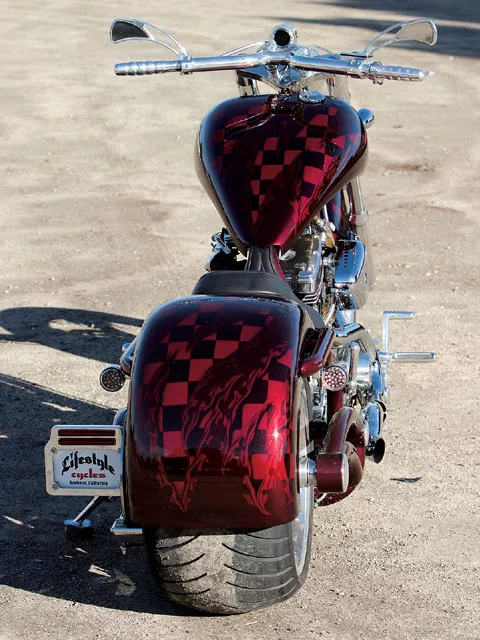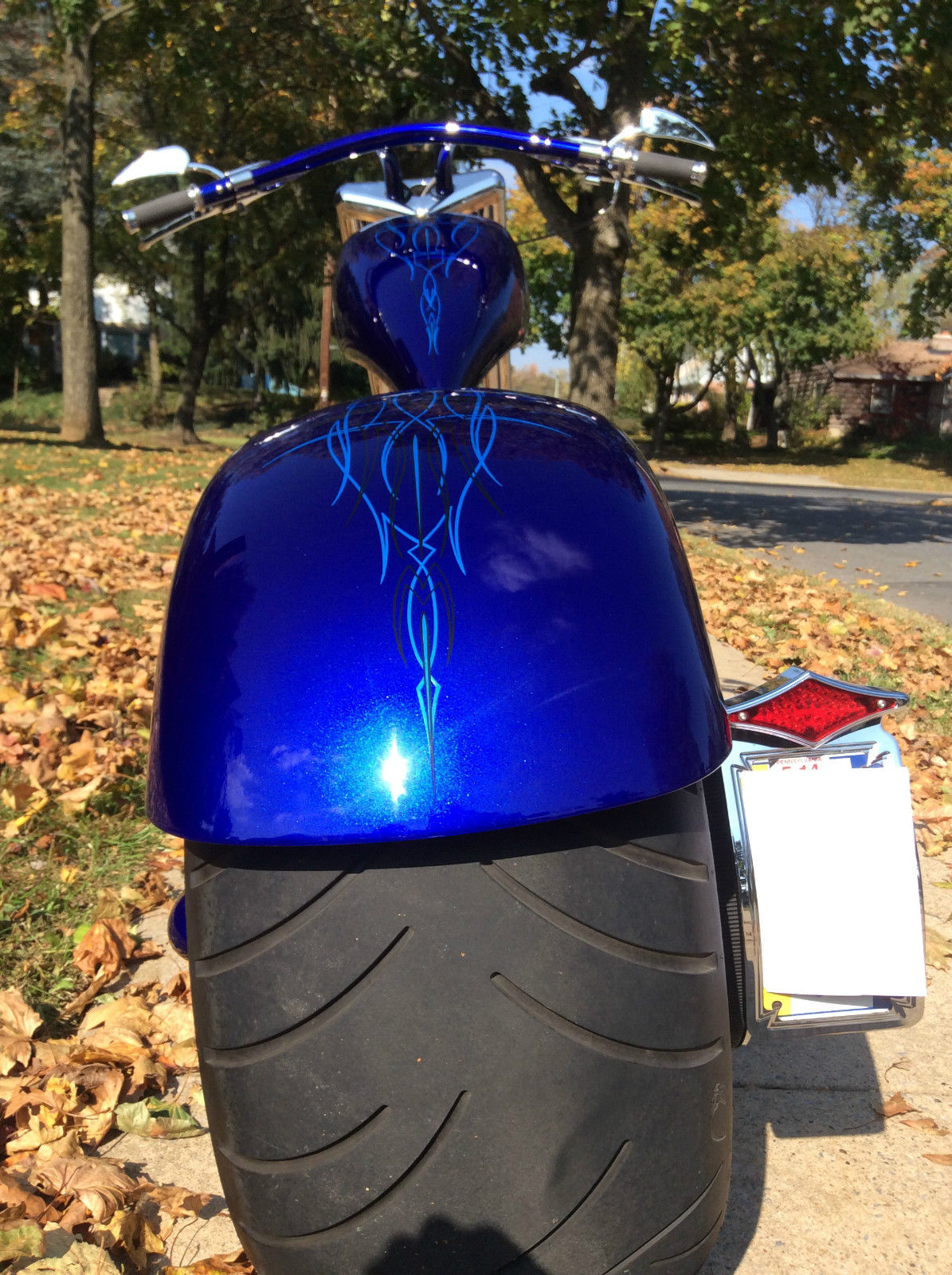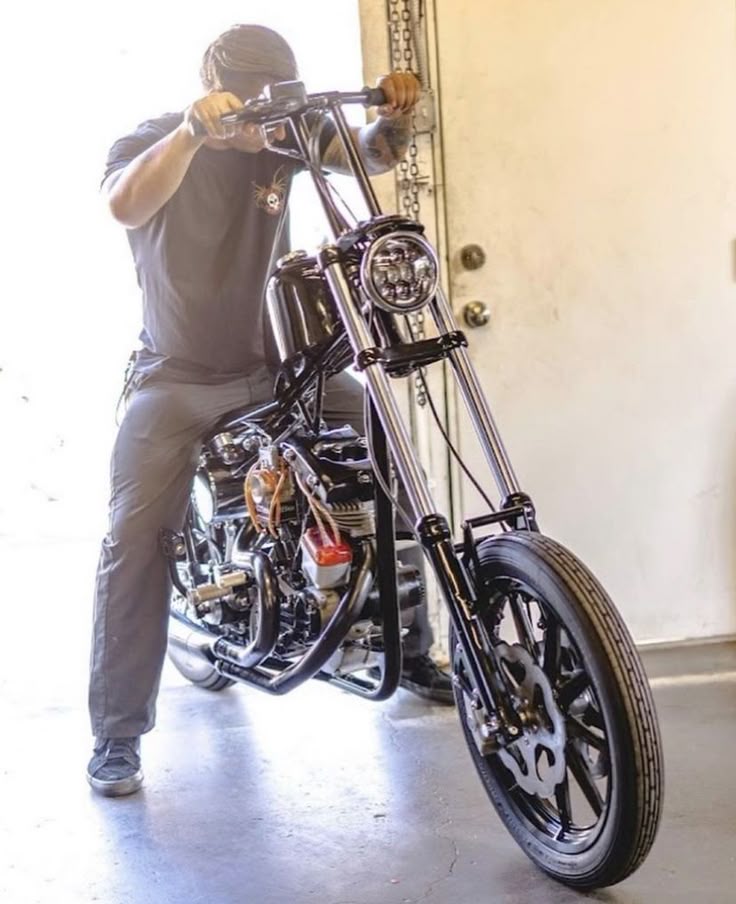
The allure of a custom chopper isn’t just in its gleaming chrome or the throaty growl of its engine—it’s in the story it tells. Every cut, weld, and polish is a testament to an artisan’s vision, a rebellion against mass production, and a celebration of individuality. Yet beneath the romance of two-wheeled craftsmanship lies a question that separates the dreamers from the doers: What are the real profit margins in a custom chopper business? The answer isn’t as straightforward as the lines of a freshly painted tank, but it’s one that could make or break your garage’s legacy.
The Myth of the Overnight Tycoon: Why Margins Aren’t What They Seem
Walk into any biker bar, and you’ll hear tales of chopper builders who turned a single project into a six-figure payday. The reality? Those stories are outliers, not the rule. The custom chopper industry thrives on perception—where the craftsmanship is art, and the price tag is a reflection of passion. But passion doesn’t pay the bills. The average profit margin for a custom chopper business hovers between 15% and 30%, a far cry from the 50%+ margins touted in glossy magazine spreads. Why the discrepancy?
First, the raw materials alone can devour profits. A high-end chopper requires premium steel, hand-forged components, and custom fabrication—none of which come cheap. Factor in the labor: a skilled builder might spend 200 hours on a single frame, and at $75–$150 per hour, those hours add up faster than a Harley’s tachometer in third gear. Then there’s the overhead: rent for a well-equipped shop, insurance for liability-prone projects, and the ever-growing cost of tools that can rival a small nation’s GDP. The math is brutal. A $25,000 chopper might cost $18,000 to build, leaving just $7,000 for profit—before taxes, marketing, or the inevitable “oops, we need a new plasma cutter” moments.
The Psychology of Pricing: Why Customers Balk at the Real Cost
Here’s the paradox: customers will happily drop $50,000 on a limited-edition sports car, yet they’ll haggle over a $12,000 custom chopper like it’s a used lawnmower. The disconnect stems from a fundamental misunderstanding of value. A chopper isn’t just a vehicle; it’s a bespoke experience, a rolling sculpture that carries the builder’s soul. Yet most buyers see it as a commodity—a bike with a fancy paint job. This cognitive dissonance forces builders into a brutal negotiation dance, where margins evaporate faster than a puddle on a desert highway.
To combat this, savvy builders don’t sell bikes—they sell legacies. They weave narratives around each chopper: the client’s personal journey, the technical challenges overcome, the hours spent perfecting a weld. They leverage exclusivity, positioning each build as a one-of-a-kind masterpiece. But even then, the market is fickle. A chopper that sits unsold for six months isn’t just an unsold asset; it’s a drain on cash flow, storage space, and morale. The key is to strike a balance between artistry and accessibility, ensuring that the price reflects both the craftsmanship and the builder’s right to profit.
The Hidden Costs: When “Custom” Means “Chaos”
Custom work is, by definition, unpredictable. A client might request a radical frame modification halfway through the build, or a supplier could delay a critical part for weeks. These aren’t just minor setbacks; they’re profit killers. The most successful chopper businesses plan for chaos by building in contingency buffers—both in time and money. A 20% buffer on material costs and a 30% buffer on labor hours can mean the difference between a project that’s “just breaking even” and one that’s “actually profitable.”
Then there’s the issue of scope creep. A client who initially wanted a simple bobber might suddenly decide they need a stretched frame, a custom airbrush job, and a sound system that could power a small concert venue. Each addition eats into margins, and unless the builder has ironclad contracts, they’re stuck absorbing the cost. The solution? Clear, detailed contracts that outline exactly what’s included—and what isn’t. Charge for changes. Bill for revisions. And for the love of the open road, get a deposit upfront.
The Scalability Trap: Why More Builds Don’t Always Mean More Profit
It’s tempting to think that taking on more projects will automatically increase profits. After all, more builds mean more revenue, right? Not necessarily. The custom chopper business is a boutique industry, and scaling it requires a delicate balance. Hiring additional builders can dilute quality control, while outsourcing parts risks eroding the “handcrafted” appeal that justifies premium pricing. Then there’s the issue of lead time. A builder with a two-year waiting list might seem successful, but if they’re turning down lucrative commercial projects to focus on high-end custom work, they’re leaving money on the table.
The solution lies in diversification. Some builders supplement their custom work with smaller, higher-margin products—like pre-built frames, aftermarket parts, or even merchandise. Others focus on a niche, such as vintage restorations or electric chopper conversions, where demand outstrips supply. The goal isn’t to become a factory; it’s to become a destination—a brand that customers seek out, not just because of the product, but because of the experience.
The Brand Factor: How Reputation Outweighs Revenue
In an industry where word-of-mouth is king, a builder’s reputation can be their most valuable asset—or their biggest liability. A single botched project can tarnish years of hard-earned credibility, while a viral build can catapult a garage into the stratosphere of industry fame. The most profitable chopper businesses aren’t the ones with the flashiest ads; they’re the ones with the strongest narratives. They leverage social media, motorcycle shows, and collaborations with influencers to create a mythos around their brand. They don’t just sell bikes; they sell a lifestyle.
But building a brand isn’t just about aesthetics. It’s about consistency. A builder who delivers on time, communicates clearly, and stands behind their work will always outlast one who cuts corners. The profit margins in this industry aren’t just about dollars and cents; they’re about trust. And trust, once earned, is the ultimate currency.
The Future of Custom Choppers: Where Margins Meet Innovation
The custom chopper industry is at a crossroads. On one hand, traditional craftsmanship is more valued than ever—a reaction against the homogeneity of mass-produced bikes. On the other, new technologies like 3D printing, electric powertrains, and AI-assisted design are reshaping what’s possible. Builders who embrace innovation without sacrificing artistry will thrive. Those who cling to the past may find themselves outpaced by competitors who can offer the same level of customization at a fraction of the cost.
The key to future-proofing a chopper business lies in adaptability. It’s about understanding that the next generation of riders doesn’t just want a bike; they want an experience. They want to be part of the build process, to see their chopper evolve from raw materials to rolling art. They want sustainability, whether through recycled metals or electric conversions. And they’re willing to pay for it—if the value is clear.
The custom chopper business is a high-stakes game of skill, patience, and business acumen. The margins may not be as glamorous as the bikes themselves, but for those who navigate the challenges with precision, the rewards extend far beyond the ledger. They’re in the roar of an engine on the open road, the pride of a satisfied customer, and the legacy of a craft that refuses to be mass-produced. That’s a profit margin worth fighting for.