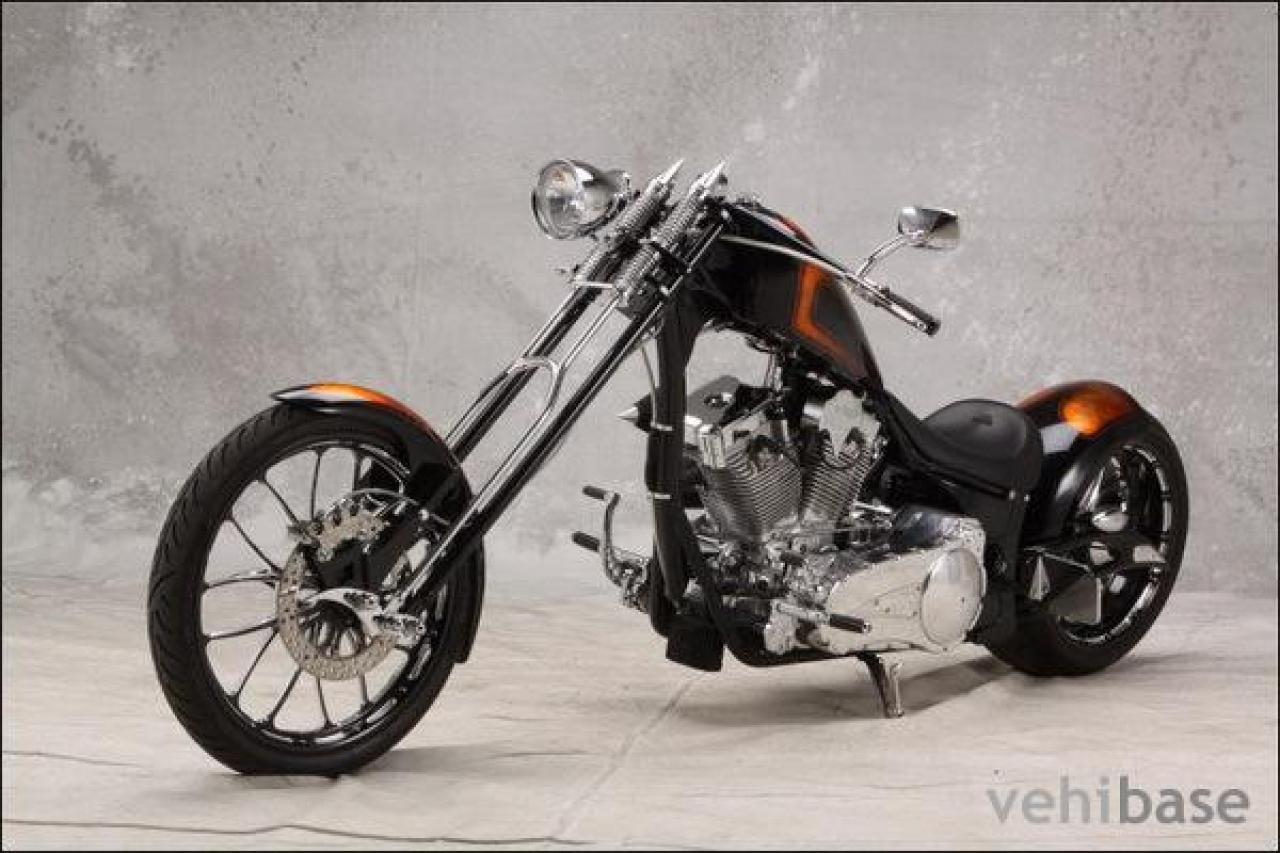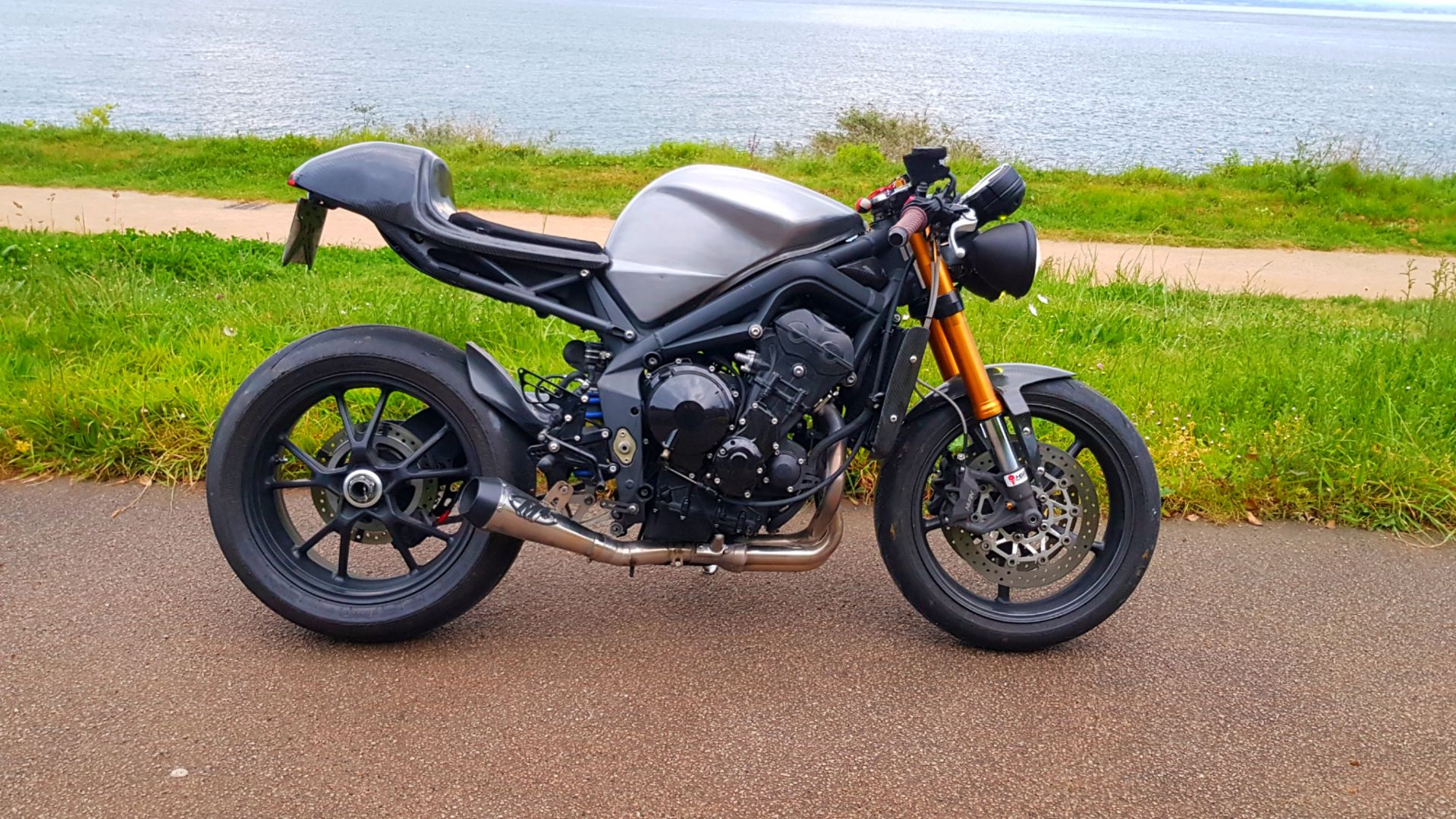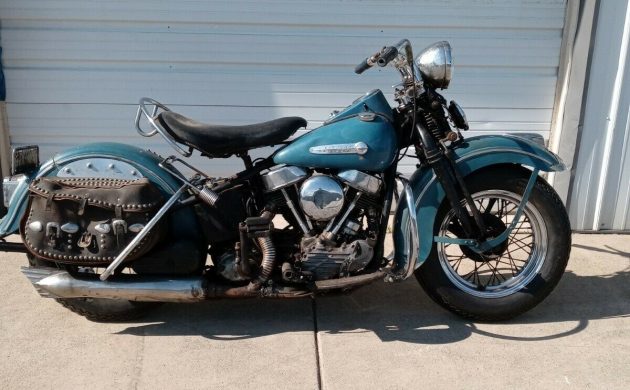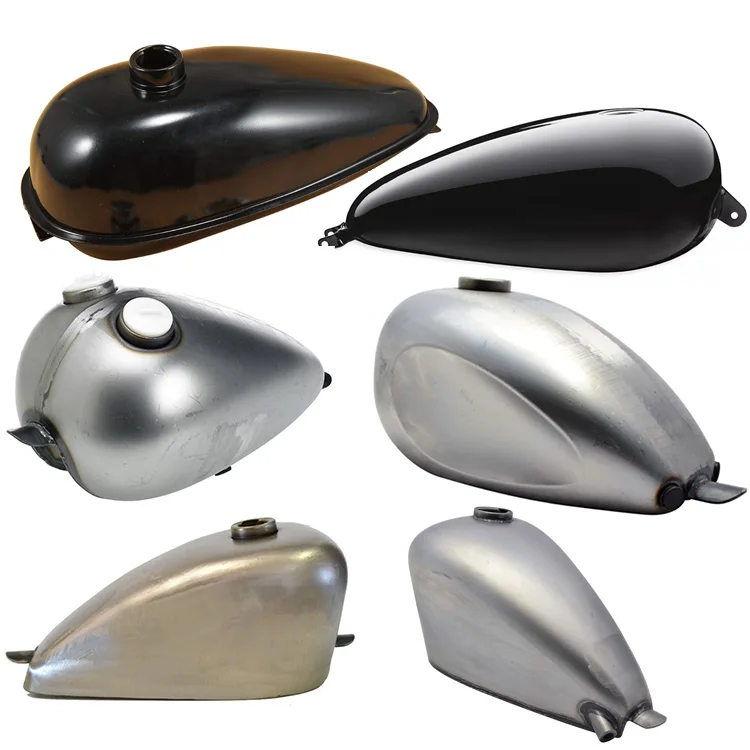
What if the soul of your chopper could be bottled, distilled into a single gleaming vessel that not only fuels your ride but also whispers tales of rebellion, freedom, and raw mechanical poetry? The gas tank isn’t just a reservoir—it’s the heartbeat of your machine, the canvas where engineering meets artistry, the silent storyteller of every twist of the throttle and growl of the engine. But here’s the twist: not all gas tanks are created equal. Some cradle fuel with utilitarian indifference; others transform your chopper into a rolling masterpiece. So, how do you choose the one that doesn’t just carry gas, but carries *your* legend? Buckle up. We’re about to dive into the world of chopper gas tanks, where form and function collide in a symphony of steel and style.
The Anatomy of a Legend: What Makes a Gas Tank Truly “King”?
Imagine your chopper as a knight’s steed. The engine is its mighty heart, the wheels its steadfast legs, and the gas tank? That’s the armor—gleaming, unyielding, and utterly unmistakable. But not all armor is forged equally. A true king’s tank must balance three sacred virtues: capacity, craftsmanship, and charisma.
Capacity is the unsung hero. Too small, and you’re constantly hunting for gas stations like a desperate nomad. Too large, and you risk turning your chopper into a behemoth that guzzles fuel like a dragon in a drought. The sweet spot? A tank that holds enough to let you chase horizons without the weight of excess baggage. Most chopper enthusiasts swear by 3 to 5 gallons—enough to keep the adventure alive without drowning in dead weight.
Craftsmanship is where the magic happens. A mediocre tank might hold fuel, but a *king’s* tank holds *attention*. Look for seamless welds, flawless finishes, and materials that laugh in the face of rust. Stainless steel and aluminum are the nobility of the tank world—durable, lightweight, and endlessly customizable. Then there’s the artistry: hand-painted flames, intricate engravings, or even a mirror-polished surface that reflects the world like a chrome mirror. This is where your tank stops being a component and starts being a signature.
Charisma? That’s the je ne sais quoi—the indefinable spark that makes heads turn. A tank with charisma doesn’t just sit there; it *commands*. It might be the way it tapers into a sleek teardrop shape, or how it sits low and menacing like a predator crouched for the kill. Charisma is the difference between a tank that’s merely functional and one that makes passersby stop mid-step, eyes wide with envy.

Material Matters: Steel, Aluminum, or Something More Exotic?
Choosing the right material for your gas tank is like selecting the blade for a samurai—each has its strengths, its weaknesses, and its own kind of poetry. Let’s break it down.
Steel: The tried-and-true warhorse of the tank world. Steel is tough, affordable, and forgiving when it comes to welding. It’s the material of choice for builders who prioritize durability over everything else. But beware—steel is heavy, and if you’re aiming for a chopper that dances on the edge of agility, it might weigh you down like an anchor in a storm. Still, for those who favor brute strength and a classic look, steel is a steadfast ally.
Aluminum: The lightweight champion. Aluminum tanks are the rebels of the bunch—sleek, nimble, and resistant to rust. They’re perfect for choppers where every ounce counts, and their natural sheen makes them a blank canvas for custom paint jobs. The downside? Aluminum can be finicky to weld, and if you’re not careful, it might not hold up to the rough-and-tumble life of a chopper. But for those who crave speed and style, aluminum is the way to go.
Exotic Alloys and Custom Blends: For the truly audacious, there are materials like titanium or even carbon fiber-reinforced composites. These are the tanks of legends—ultra-lightweight, corrosion-proof, and eye-wateringly expensive. They’re not for the faint of heart, but if you’re building a chopper that’s as much a work of art as it is a machine, these materials let you push boundaries. Just be prepared to mortgage your soul—or at least your savings—to make it happen.
Shape and Style: Crafting a Tank That Speaks Volumes
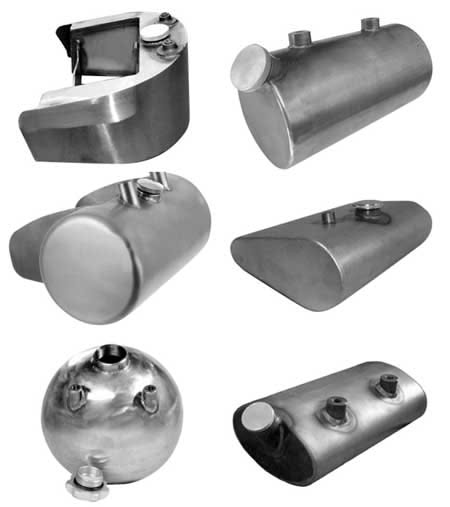
The shape of your gas tank is where your chopper’s personality starts to take flight. It’s not just about holding fuel; it’s about making a statement. Let’s explore the most iconic styles and what they say about their riders.
Teardrop: The quintessential chopper tank. Sleek, aerodynamic, and timeless, the teardrop shape is the darling of custom builders. It flows seamlessly into the frame, creating a silhouette that’s both aggressive and elegant. This is the tank for riders who want their chopper to look like it’s always in motion, even when parked.
Fat and Mean: For those who prefer their choppers with a side of intimidation, the fat tank is a beast of burden and beauty. These tanks bulge with character, their rounded forms demanding attention. They’re perfect for choppers with a vintage or bobber aesthetic, where excess is celebrated, not shunned. Think of them as the tank equivalent of a biker’s leather vest—bold, unapologetic, and impossible to ignore.
Saddleback: A nod to the classic American cruiser, the saddleback tank splits the difference between two worlds. It’s a bridge between the old-school and the modern, offering a retro vibe with a contemporary edge. This shape is ideal for riders who want to pay homage to the golden age of choppers while still riding something fresh and unique.
Custom Sculpted: Why settle for the ordinary when you can have the extraordinary? Custom sculpted tanks are where creativity knows no bounds. From tanks that mimic the curves of a woman’s torso to those shaped like skulls or abstract art, these are the tanks of dreamers and rule-breakers. The only limit is your imagination—and your welder’s patience.

The Customization Conundrum: Paint, Plating, and Personal Flair
Here’s where things get *really* interesting. A plain gas tank is like a blank sheet of paper—it’s full of potential, but it’s not *yours* yet. Customization is where you transform a tank from functional to *fabulous*. But be warned: this is also where many riders stumble into the pitfalls of overindulgence.
Paint is the most accessible way to make your tank sing. Whether you go for a glossy candy apple red, a matte black that swallows the light, or a wild custom design with pinstriping and flames, the right paint job can turn heads for miles. Just remember: prep work is everything. A poorly prepped surface will peel faster than a sunburnt biker in July. Sanding, priming, and sealing are non-negotiable if you want your paint to last.
Plating is the next level of bling. Chrome, nickel, or even gold plating can give your tank a mirror-like finish that reflects the world in a dazzling display. Chrome, in particular, is the holy grail of chopper aesthetics—it’s shiny, it’s durable, and it screams “look at me.” But plating isn’t cheap, and it requires a professional touch. DIY plating is a recipe for disaster unless you’re a masochist with a steady hand and a lot of free time.
Engravings and Etchings: For those who want to add a touch of sophistication (or menace) to their tank, engravings are the way to go. Whether it’s a subtle pattern, a bold logo, or even a full-on scene like a skull or a dragon, etched designs add depth and character. The key here is subtlety. Overdo it, and your tank starts to look like a tattoo parlor exploded on it. Less is often more.
Inlays and Accents: Mother-of-pearl, wood veneers, or even embedded LED lights—these are the flourishes that separate the kings from the also-rans. Inlays can add a touch of elegance or a dash of rebellion, depending on the materials and design. Just be prepared for the sticker shock; these embellishments can turn a modest tank into a six-figure statement piece.
The Installation Gauntlet: Fitting Your Tank Like a Glove
You’ve found the perfect tank. It’s got the right shape, the right material, the right *vibe*. Now comes the hard part: fitting it to your chopper. This is where even the most meticulous planners can find themselves in a world of hurt.
First, measure twice, weld once. A tank that doesn’t fit isn’t just ugly—it’s dangerous. You need to account for clearance around the frame, the position of the petcock, and the routing of your fuel lines. If your tank sits too high, it’ll throw off your chopper’s center of gravity. Too low, and you risk scraping your knuckles on every bump. And if the petcock isn’t aligned with your fuel line? Congratulations, you’ve just invented a new way to spill gasoline all over your ride.
Mounting brackets are another potential minefield. Off-the-shelf brackets might work for some choppers, but for a truly custom fit, you’ll likely need to fabricate your own. This is where a good welder and a steady hand come in handy. The last thing you want is for your tank to wobble like a drunkard at last call.
Don’t forget the little things. A fuel gauge that’s visible but not obtrusive. A filler cap that’s easy to access but doesn’t scream “I’m an afterthought.” Even the color of your fuel lines can make or break the overall aesthetic. It’s the details that elevate a good build into a great one.
Final Verdict: Your Tank, Your Legend
At the end of the day, the “best” gas tank for your chopper isn’t the one with the shiniest chrome or the most intricate design. It’s the one that *feels* right. The one that makes your heart race when you straddle your bike and twist the throttle. The one that turns heads not because it’s expensive, but because it’s *yours*.
So ask yourself: Do you want a tank that’s a silent workhorse, or one that roars with personality? Do you crave the timeless elegance of a teardrop, or the rebellious swagger of a fat tank? Are you willing to invest in custom work, or do you prefer the off-the-shelf charm of a production model? The answers to these questions will guide you to the tank that doesn’t just carry fuel—it carries your legacy.
Now go forth. Find your king. And when you finally hit the open road, let your tank tell the world exactly who you are.