The Discovery Channel didn’t just broadcast television—it forged a cultural revolution in the chopper market, transforming custom motorcycles from mechanical oddities into mainstream icons. Before the roar of engines drowned out the silence of skepticism, these two-wheeled titans were the domain of outlaw mechanics and backroad dreamers. But when Discovery’s cameras turned their gaze onto the artistry of chopper craftsmanship, they didn’t just document a trend—they ignited one. The screen became a stage, the mechanics became stars, and the chopper itself became a symbol of rebellion, freedom, and unbridled creativity. This is the story of how one network didn’t just cover the chopper revolution—it fueled it, broadcasting the heartbeat of a subculture into living rooms across the globe.
The Birth of a Visual Phenomenon: Choppers on the Small Screen
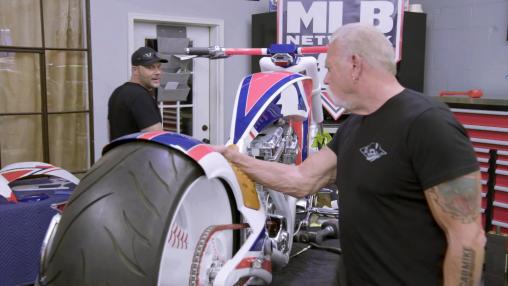
In an era when television was still finding its footing as a storytelling medium, Discovery dared to showcase the raw, unfiltered soul of chopper building. These weren’t polished corporate machines—they were raw, hand-forged dreams, sculpted from steel and sweat. The network didn’t just air shows; it curated a visual symphony where every weld was a note, every curve a crescendo. The camera didn’t just capture the motorcycle—it immortalized the alchemy of transformation, where a pile of scrap metal became a rolling masterpiece. The result? A hypnotic spectacle that made viewers feel the heat of the torch, the tension of the wrench, and the triumph of the first ride. Discovery didn’t just broadcast content; it broadcast *experience*, turning passive viewers into passionate believers.
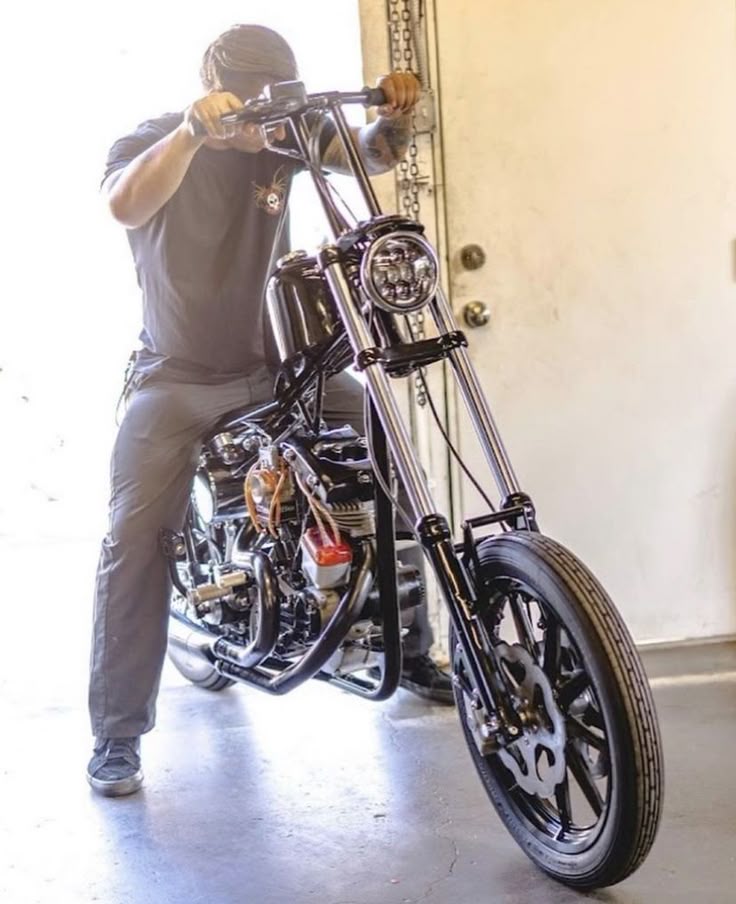
Imagine the scene: a dimly lit garage, the air thick with the scent of oil and ambition. A lone builder, sleeves rolled up, stands before a half-finished frame. The camera lingers not on the motorcycle’s skeletal form, but on the builder’s hands—rough, calloused, yet precise. This wasn’t just television. It was a masterclass in craftsmanship, a testament to the idea that true artistry isn’t found in galleries, but in the grit of the garage. Discovery didn’t just air a show; it elevated chopper building to the realm of high art, proving that passion could be as compelling as any scripted drama.
The Alchemy of Personality: Turning Mechanics into Legends
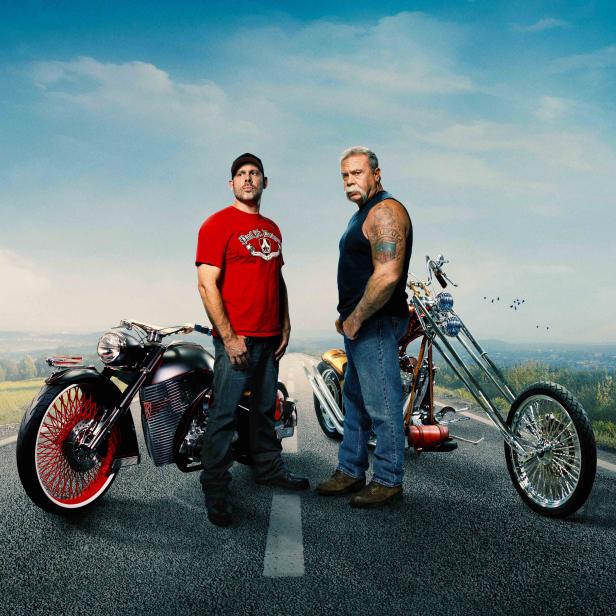
Discovery didn’t just showcase choppers—it showcased the personalities behind them. The network understood that a motorcycle, no matter how beautifully crafted, is only as compelling as the storyteller who brings it to life. Enter the builders: a motley crew of artists, rebels, and visionaries whose personalities were as intricate and unforgettable as the machines they created. These weren’t faceless technicians; they were characters in a real-life saga, each with their own quirks, rivalries, and triumphs. The camera didn’t just follow the build—it followed the *builder*, capturing the fire in their eyes, the frustration in their voice, and the sheer joy of creation.
Consider the dynamic between a perfectionist engineer and a free-spirited dreamer, each pushing the other to new heights of innovation. Or the lone wolf who built a chopper in secret, only to unveil it to a stunned audience. Discovery didn’t just document these interactions—it amplified them, turning personal journeys into shared experiences. The result was a cultural phenomenon where viewers didn’t just admire the choppers; they rooted for the builders. The network didn’t just create fans of motorcycles—it created a community of enthusiasts who saw themselves in the stories unfolding on screen. In doing so, Discovery didn’t just influence the chopper market; it redefined what it meant to be a part of it.
The Ripple Effect: How Discovery Shaped Consumer Desire
The impact of Discovery’s programming extended far beyond the screen. As viewers watched builders transform hunks of metal into rolling works of art, a new desire took root in the public consciousness. Suddenly, choppers weren’t just for outlaws or enthusiasts—they were for anyone who dared to dream. The network didn’t just create a trend; it sparked a movement. Dealerships reported surges in custom bike inquiries. Parts suppliers scrambled to keep up with demand. And perhaps most importantly, a new generation of builders emerged, inspired by the magic they saw unfolding on their televisions.
But the influence didn’t stop at consumer demand. Discovery’s shows also democratized the art of chopper building. Before, the craft was shrouded in mystery, accessible only to those who had apprenticed under a master. But as the network peeled back the curtain, it revealed that building a chopper wasn’t a secret art—it was a skill that could be learned. Viewers began to see themselves not just as spectators, but as potential builders. Workshops popped up across the country, offering classes and resources to those eager to try their hand at crafting their own masterpiece. Discovery didn’t just change the market—it expanded it, turning a niche hobby into a vibrant, inclusive community.
The Cultural Zeitgeist: Choppers as Icons of Rebellion and Freedom
Discovery didn’t just influence the chopper market—it shaped the cultural narrative surrounding it. The network didn’t just showcase motorcycles; it turned them into symbols of rebellion, freedom, and individuality. The chopper became more than a machine; it became a statement. A middle finger to convention. A declaration of independence. The camera didn’t just capture the motorcycle’s design—it captured its *soul*. Viewers didn’t just see a bike; they saw a reflection of their own desires to break free from the ordinary, to carve their own path, to live life on their own terms.
This cultural shift was particularly potent in an era when conformity was the norm. The chopper, with its elongated frames and bold aesthetics, became a visual rebellion against the mundane. It was the antithesis of the mass-produced, cookie-cutter machines rolling off assembly lines. The chopper was raw, unapologetic, and uniquely *yours*. Discovery didn’t just broadcast this ethos—it amplified it, turning the chopper into a cultural touchstone that resonated with anyone who felt stifled by the status quo. The network didn’t just influence the market; it gave voice to a generation of dreamers who saw the chopper as more than a vehicle—it was a manifesto.
The Global Stage: How Discovery Took Choppers Worldwide
What began as a niche interest in the United States quickly became a global phenomenon, thanks in no small part to Discovery’s reach. The network didn’t just broadcast shows—it broadcast a lifestyle. Viewers in Europe, Asia, and beyond were captivated by the spectacle of chopper building, and soon, custom bike shops began sprouting up in cities far from the American heartland. The chopper, once a symbol of American rebellion, became a universal language of creativity and freedom. Discovery didn’t just influence the market; it created a global community of enthusiasts who shared a common passion.
This global expansion wasn’t just about selling motorcycles—it was about selling an idea. The idea that anyone, anywhere, could take a pile of scrap metal and a dream and turn it into something extraordinary. Discovery didn’t just showcase choppers; it showcased the power of human ingenuity and the unbreakable spirit of innovation. The network’s programming became a bridge between cultures, connecting builders and enthusiasts across continents. The result was a vibrant, interconnected world where choppers weren’t just machines—they were symbols of a shared human experience.
The Legacy: A Market Transformed, a Culture Enriched
Years after the first episode aired, the influence of Discovery’s programming on the chopper market is undeniable. The network didn’t just shape the industry—it redefined it. Choppers are no longer fringe curiosities; they’re celebrated as works of art, coveted as collector’s items, and revered as symbols of individuality. The market has evolved, with custom builders pushing the boundaries of design and innovation, all while drawing inspiration from the very shows that first brought their craft to the masses.
But the legacy of Discovery’s influence extends beyond the market. It’s woven into the fabric of a culture that values creativity, craftsmanship, and the courage to defy convention. The network didn’t just create a trend—it fostered a mindset. A mindset that says, “If you can dream it, you can build it.” That ethos has inspired countless builders, artists, and dreamers to pursue their passions, no matter how unconventional. Discovery didn’t just change the chopper market—it changed lives.
The roar of a chopper’s engine is more than a sound—it’s a declaration. A declaration that artistry matters, that individuality is worth celebrating, and that the road to freedom begins with a single, bold step. Discovery didn’t just broadcast that message—it lived it. And in doing so, it ensured that the chopper would never again be just a motorcycle. It would be a legend.