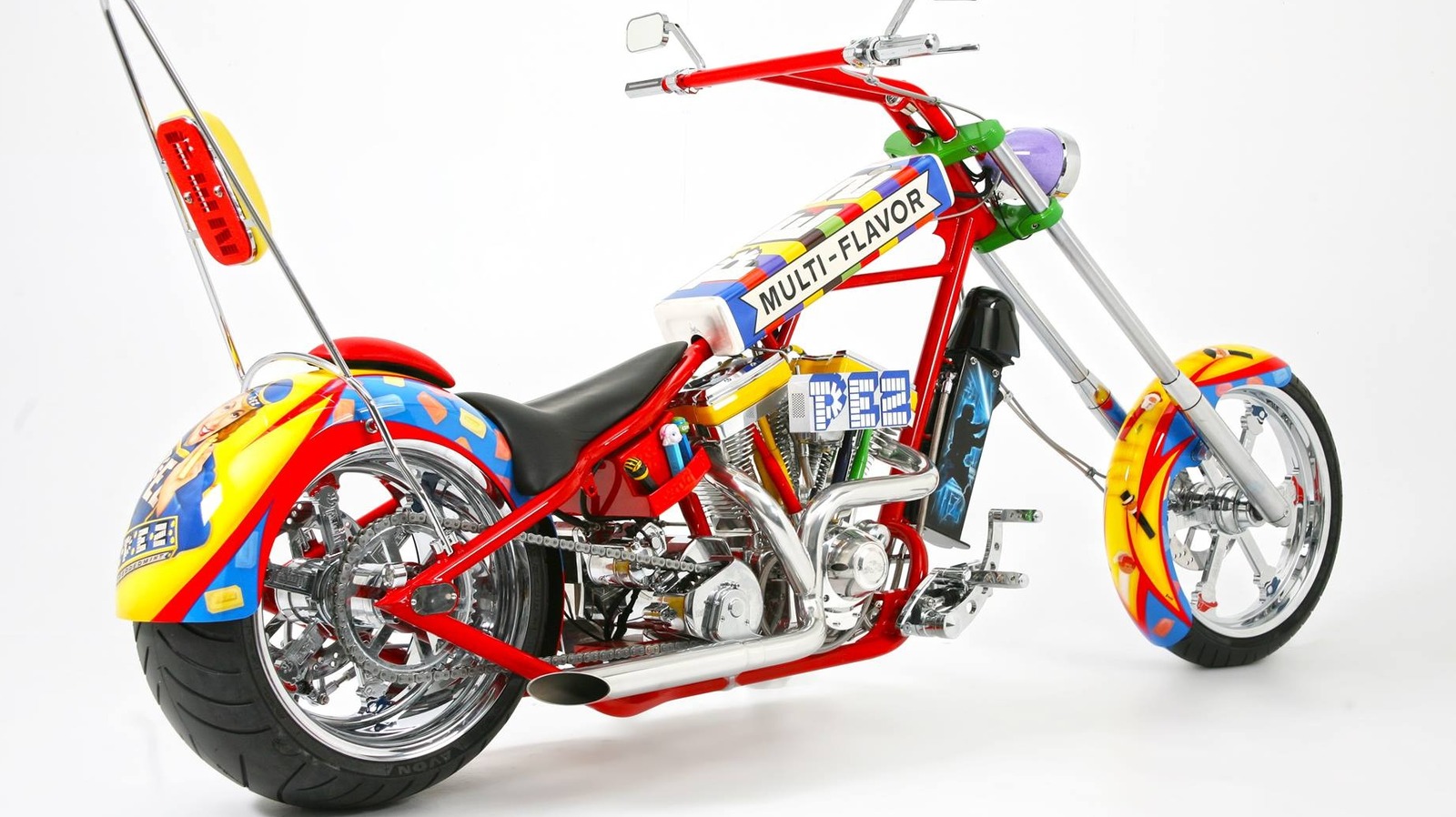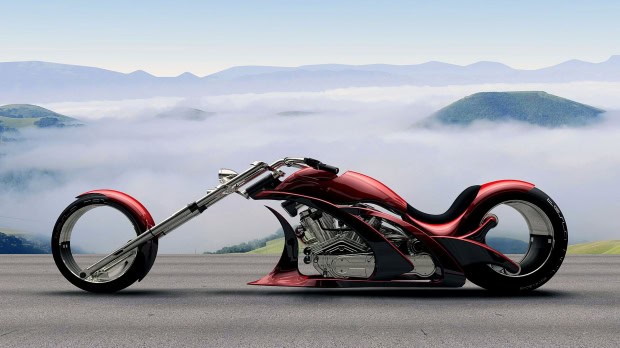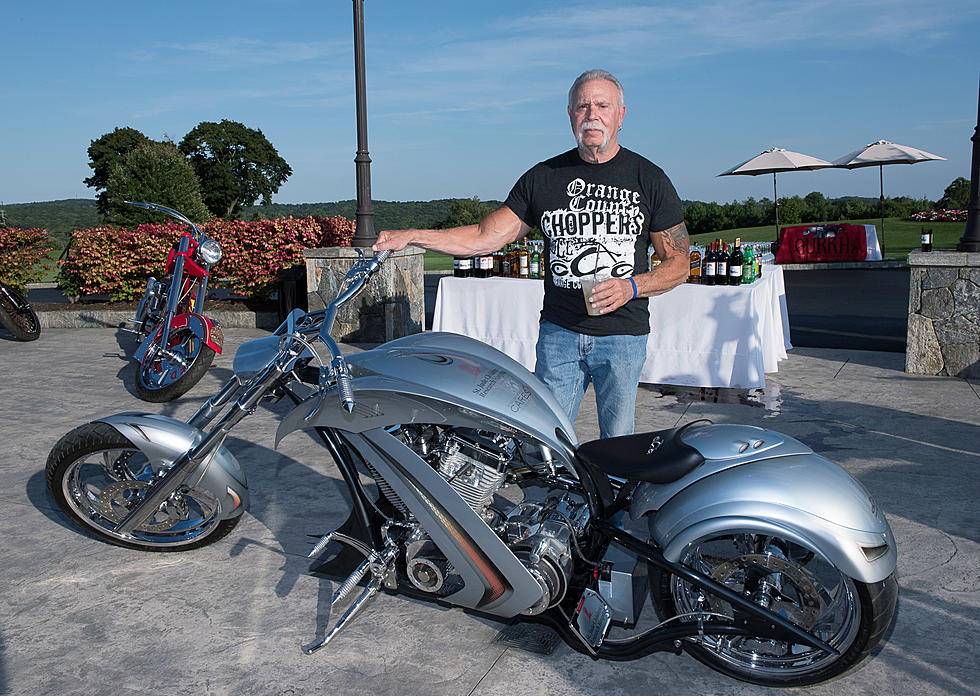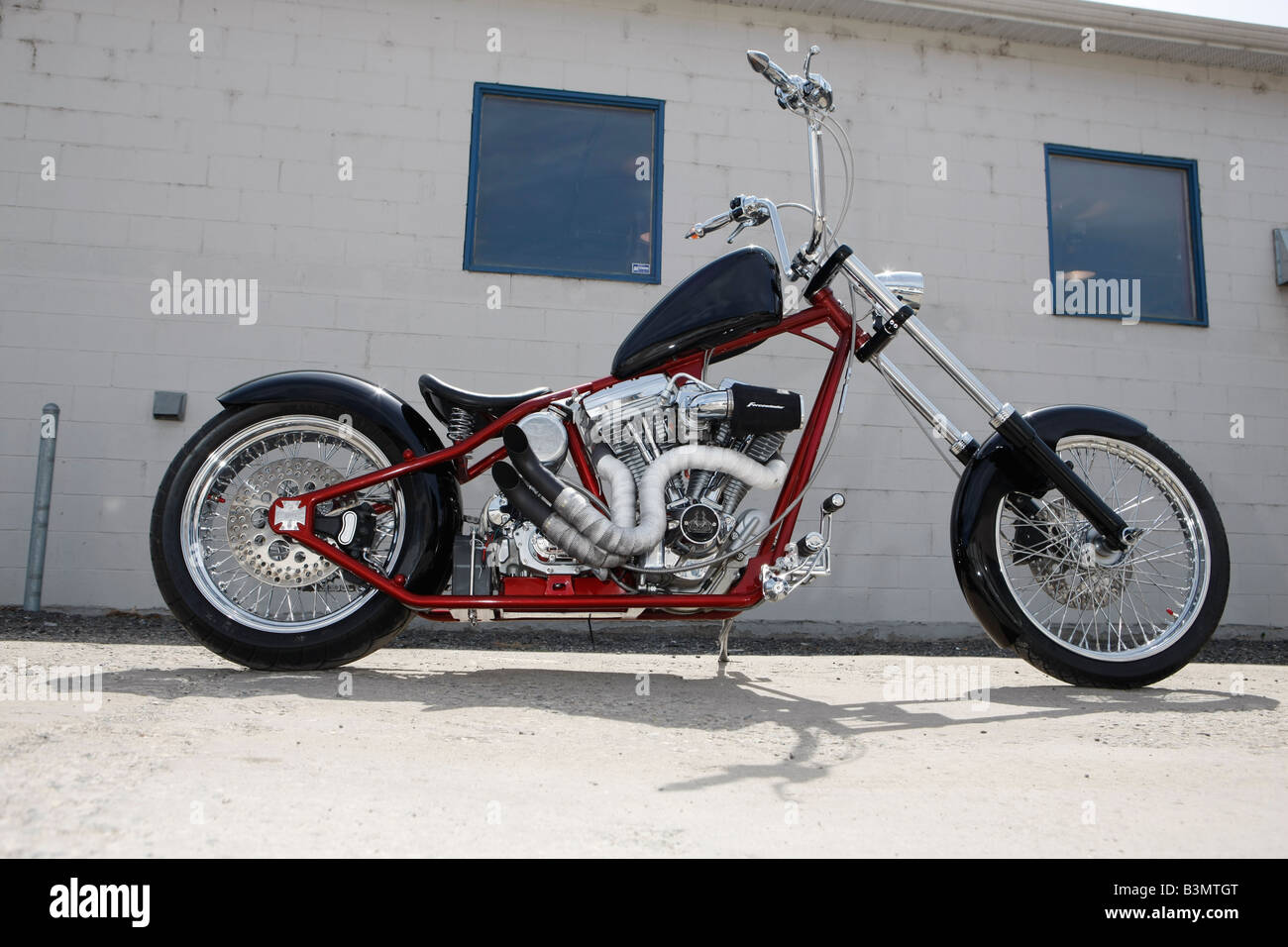
There’s something almost mythic about a chopper—those elongated forks, the raked-out rake, the gleaming chrome that catches the sun like a blade unsheathed. It’s not just a motorcycle; it’s a rolling manifesto of rebellion, a steel-and-leather ode to individuality. But when you’re ready to make that dream machine yours, the transaction isn’t just about handing over cash and driving away. It’s a pact between dreamer and builder, a handshake written in ink and signed in trust. And like any pact worth its salt, it deserves a contract that’s as meticulously crafted as the bike itself.
The Contract as Your Mechanical Constitution
Think of the purchase contract as the motorcycle’s constitution—a foundational document that doesn’t just list parts and payments, but enshrines the soul of the deal. Every bolt, every finish, every promise of performance should be etched into this agreement with the precision of a master engine builder honing a cylinder head. A well-drafted contract doesn’t just protect you; it elevates the transaction from a mere transaction to a covenant between artist and patron.
Consider the language within. Vague phrases like “as discussed” or “standard build” are the grease that clogs the gears of clarity. Instead, insist on specifics: “The frame shall be powder-coated in matte black with a gloss clearcoat,” or “The seat shall be upholstered in premium Italian leather, color code #RAL-9005.” These aren’t pedantic details—they’re the difference between a bike that whispers “custom” and one that screams “unique.”

Warranties: The Safety Net Beneath the Chrome
A chopper is a symphony of moving parts, each one a potential crescendo of failure if not harmonized properly. That’s where warranties come in—not as an afterthought, but as the shock absorbers of your investment. A robust warranty isn’t just a piece of paper; it’s a lifeline, a promise that the builder stands behind their craft like a knight behind his sword.
Look for clauses that cover not just the engine and drivetrain, but the custom fabrication work. Does the frame warranty extend to the welds? Does the paint warranty cover fading from UV exposure? And crucially, what are the exclusions? Some builders carve out “custom modifications” as grounds for voiding coverage—a red flag waving in the wind. Demand clarity, because a warranty that’s more sieve than shield is worse than no warranty at all.
Also, scrutinize the duration. A one-year warranty on a bike that took two years to build is like putting a Band-Aid on a bullet wound. Push for at least two years on structural components and one year on finish work. And if the builder balks? That’s the sound of a red flag flapping in the breeze.
Payment Schedules: The Rhythm of Trust
Money, like oil in an engine, must flow—but not too fast, not too slow. A payment schedule is the cadence of your transaction, a tempo that should sync with the builder’s progress like a well-timed gear shift. Never hand over the full sum upfront; that’s the financial equivalent of handing someone the keys to your soul before they’ve even turned the ignition.
A typical schedule might start with a deposit (10-20%) to secure the build, followed by progress payments tied to milestones: frame fabrication complete, engine installed, paint cured, final assembly. Each payment should be a stepping stone, not a leap of faith. And always insist on a clause that ties final payment to your satisfaction with the bike’s performance and finish. A builder who refuses this isn’t confident in their work—and confidence is the first spark in any custom build.
Beware of builders who demand full payment before the bike is even started. That’s not a partnership; it’s a hostage situation. And if they cite “material costs” as the reason? Walk away. A reputable builder fronts those costs, confident in their ability to deliver.
Delivery and Inspection: The Grand Reveal
The day your chopper arrives is the culmination of dreams, sweat, and probably a few tears. But before you sign the final paperwork and hand over the last payment, the bike must pass the ultimate test: your inspection. This isn’t just a formality; it’s the final quality control check, the moment where theory meets reality.
Schedule the inspection in daylight, with all tools and documents on hand. Walk the bike from stem to stern, from the gleam of the chrome to the stitching on the seat. Test the throttle, the brakes, the suspension. Does the bike sit level? Are there gaps in the paint? Does the engine purr like a contented lion? Document everything—photos, notes, even video. If something’s amiss, don’t sign. Not yet.
And here’s a pro tip: include a “punch list” in the contract. This is a detailed list of any defects or incomplete work that must be addressed before final payment. The builder should sign off on it, committing to repairs or adjustments within a specified timeframe. Without this, you’re at the mercy of their goodwill—and goodwill, while admirable, isn’t a substitute for a legally binding promise.
Legal Protections: The Armor Behind the Aesthetic
A chopper is a work of art, but it’s also a high-value asset that deserves the protection of the law. Your contract should be more than a handshake; it should be a shield. Start with clear ownership terms: the bike is yours from the moment you sign, not when it’s delivered. This protects you if the builder’s business implodes mid-build or if they decide to “borrow” your dream bike for a weekend joyride.
Also, include clauses for what happens if the builder fails to deliver. Will you receive a full refund? Partial? Will they cover the cost of sourcing a replacement bike? And what if the bike is damaged during transport? Who bears the risk—the builder or you? These aren’t pleasant questions, but they’re the guardrails that keep your investment from careening off a cliff.
Finally, ensure the contract specifies the governing law—ideally, the laws of your state or country. This avoids the nightmare of trying to enforce a contract across international borders if something goes awry. A chopper built in one country and delivered to another is a logistical marvel, but it’s also a legal minefield if the paperwork isn’t airtight.
The Emotional Fine Print: Protecting the Dream
Beyond the nuts and bolts, there’s the intangible magic of the build—the late-night phone calls, the shared excitement, the trust that the builder will bring your vision to life. A contract can’t capture that, but it can protect it. Include a clause that acknowledges the collaborative nature of the project, emphasizing that the bike is a reflection of your shared passion. This isn’t just legalese; it’s a reminder that this isn’t a faceless transaction, but a partnership.
Also, consider adding a “no resale” clause for a set period (e.g., one year). This prevents the builder from flipping your bike to another buyer if demand skyrockets mid-build. It’s a safeguard against opportunism, ensuring that your dream machine stays yours until it’s ready to hit the open road.
And don’t forget the human element. If the builder’s work is exceptional, say so in the contract. A simple line like “Builder agrees to maintain a professional relationship and provide ongoing support for the lifetime of the motorcycle” can turn a transaction into a lifelong bond. Because a chopper isn’t just a bike—it’s a legacy.
Final Thoughts: The Road Ahead
Buying a chopper from a custom builder is like commissioning a portrait from a master artist. You’re not just paying for materials; you’re investing in their skill, their vision, and their promise to bring your dream to life. And like any great portrait, the contract is the frame that holds it all together—elegant, sturdy, and designed to last.
So take your time. Read every clause. Ask questions until the answers shine as bright as the chrome. Because when you finally twist the key and hear that engine roar to life, you’ll know the real magic wasn’t just in the build—it was in the contract that made it possible.