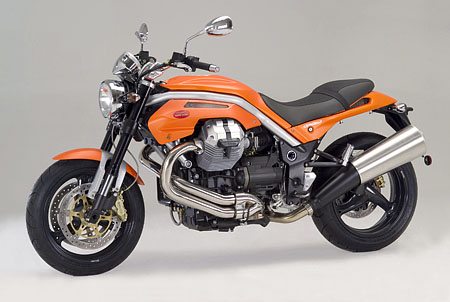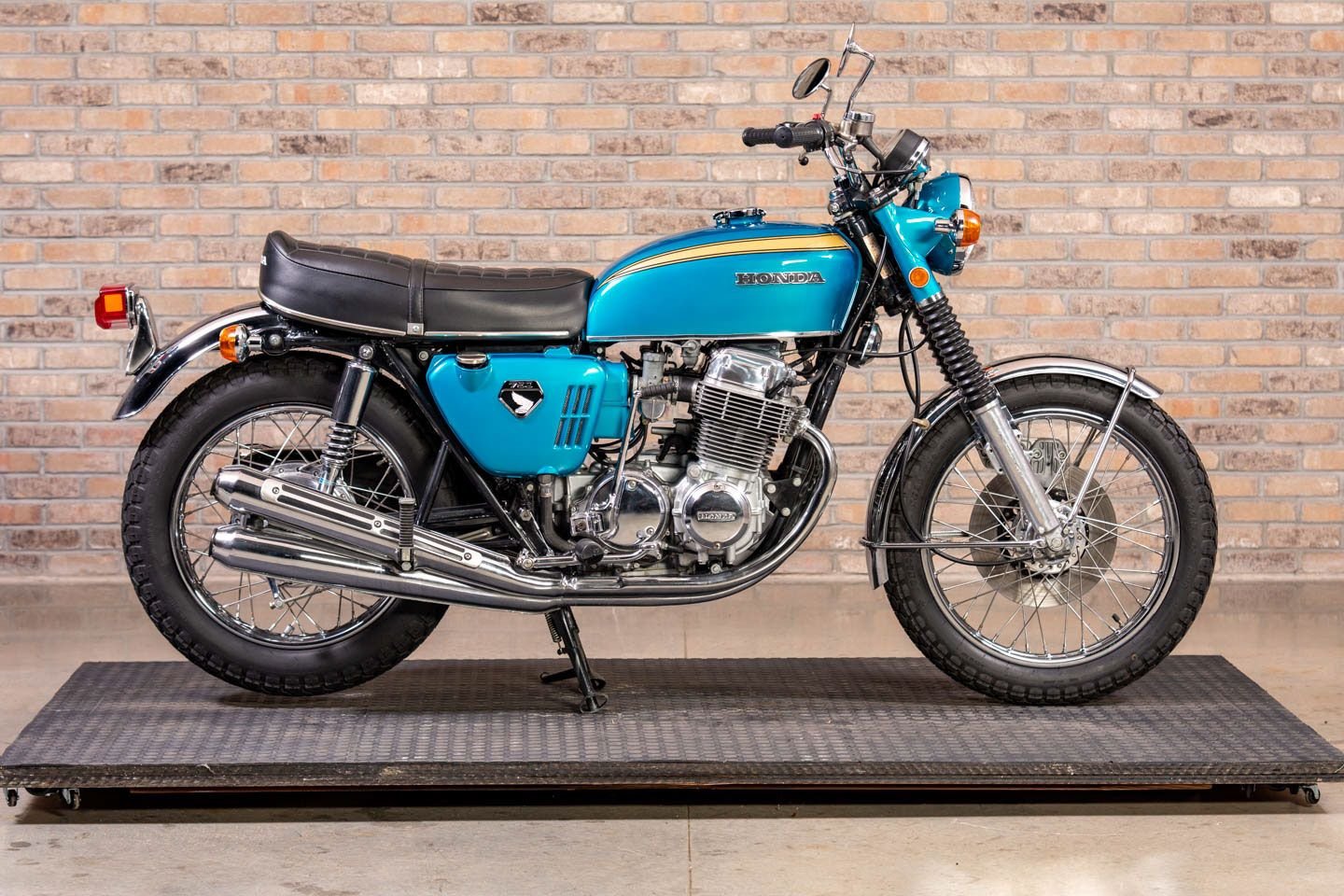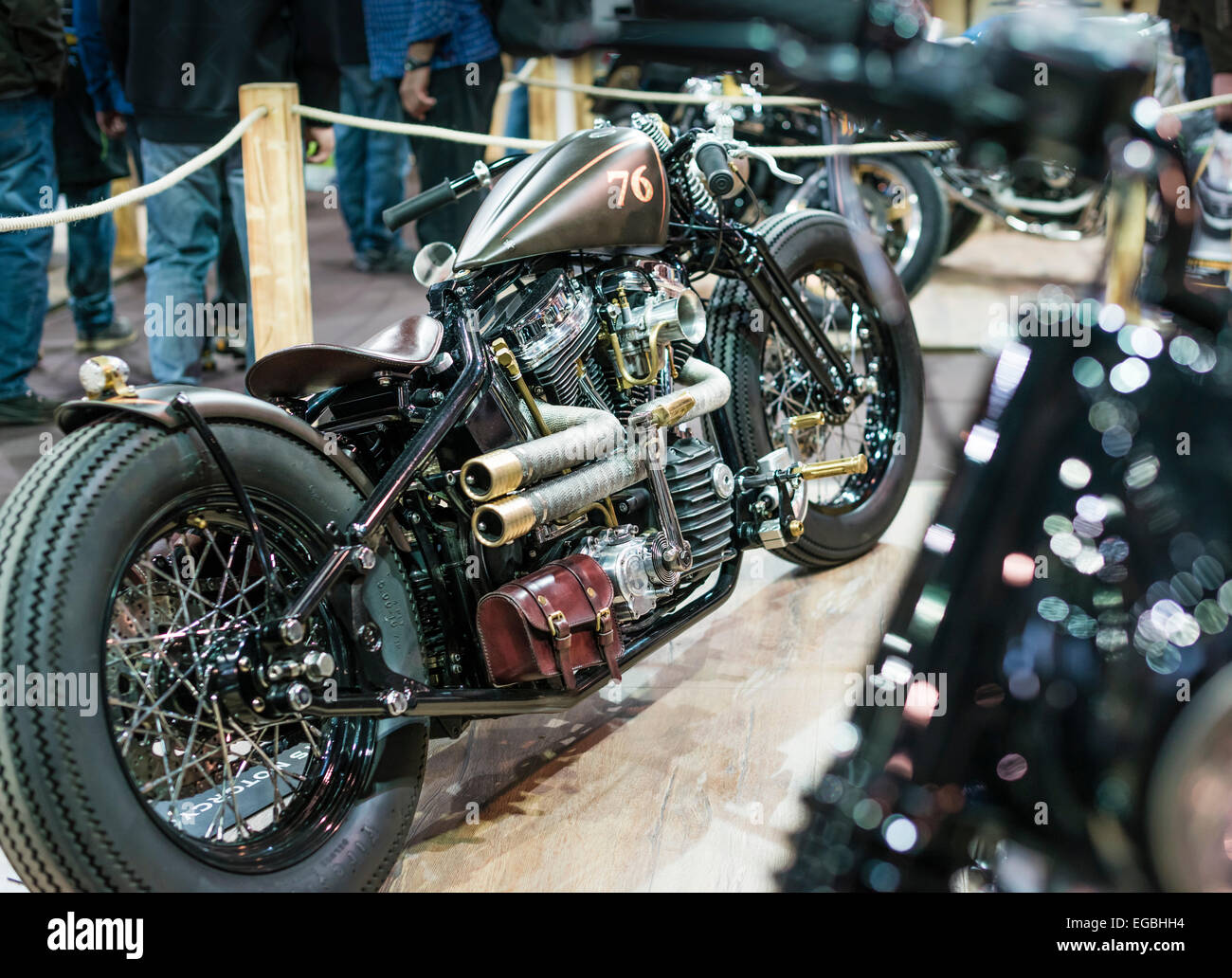
The European Bike Week in Austria isn’t just an event—it’s a pilgrimage for those who see motorcycles not merely as machines, but as extensions of the soul. Among the sea of gleaming metal and roaring engines, the custom chopper scene stands out as a testament to unbridled creativity and mechanical artistry. Here, the lines between rider and machine blur, and the machines themselves become characters in a larger narrative of freedom, rebellion, and self-expression. What draws thousands to this alpine gathering isn’t just the spectacle of chrome and leather; it’s the promise of witnessing what happens when passion meets craftsmanship in its purest form.
The Allure of the Chopper: More Than Just a Bike
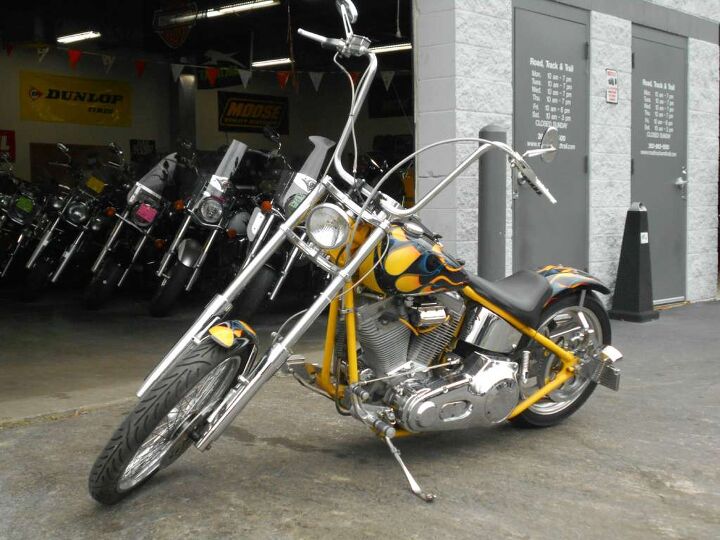
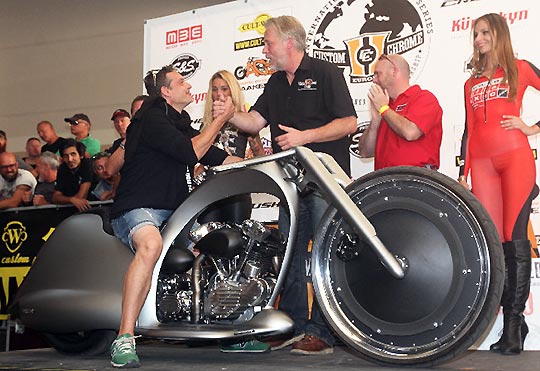
At first glance, a custom chopper might appear as a mere assembly of pipes, leather, and polished steel—but that would be like calling the Alps a pile of rocks. These machines are sculpted dreams, each line and curve telling a story of the builder’s vision and the rider’s spirit. The elongated forks, the raked-out front ends, the meticulously stitched saddles—every element is deliberate, every detail a declaration. It’s not just transportation; it’s a rolling manifesto of individuality.
What fascinates observers most is the way choppers defy convention. Unlike production bikes, which prioritize efficiency and mass appeal, choppers are born from obsession. They are the antithesis of assembly-line uniformity, each one a bespoke creation that refuses to blend in. This rebellion against the ordinary is magnetic. It speaks to a deeper human longing—to stand out, to be seen, to assert one’s presence in a world that often demands conformity.
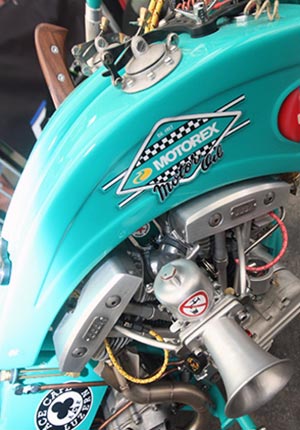
The Craftsmanship Behind the Chrome: Where Art Meets Engineering
The true magic of the European Bike Week chopper scene lies beneath the surface, in the workshops and garages where raw metal is transformed into rolling masterpieces. Building a chopper is a labor of love, a process that can span months or even years. It begins with a sketch—a rough idea scribbled on paper, a vision taking shape in the builder’s mind. From there, it moves to the frame, which is often hand-welded and meticulously aligned to achieve the perfect rake and trail.
Then comes the engine, the heart of the beast. Many choppers are powered by vintage V-twin motors, their rumbling growls a symphony of mechanical poetry. The transmission is chosen for its character, the exhaust pipes crafted to produce a sound that stirs the soul. Even the smallest details—the placement of the handlebars, the stitching on the seat, the patina of the leather—are considered with reverence. This isn’t just fabrication; it’s alchemy, turning base materials into something transcendent.
What’s often overlooked is the community that sustains this craft. Builders share tips, trade parts, and push each other to new heights. The European Bike Week is as much a celebration of these unsung artisans as it is of the bikes themselves. Their work is a reminder that true artistry thrives in collaboration, in the exchange of knowledge and the shared pursuit of perfection.
The Psychology of the Chopper: Why We’re Drawn to the Outlandish
There’s a primal allure to the chopper that goes beyond aesthetics. These bikes are loud, they’re bold, they demand attention—and in a world that often feels stiflingly controlled, that’s intoxicating. The chopper rider isn’t just piloting a vehicle; they’re performing a ritual, a daily act of defiance against the mundane. It’s no coincidence that choppers often feature elongated front ends and low-slung seats, designs that force the rider into a posture of dominance and control.
Psychologists might argue that this fascination stems from a deep-seated desire for autonomy. In an era of algorithmic curation and digital surveillance, the chopper represents a tangible, unfiltered form of self-expression. It’s a machine that responds to the rider’s touch, that bends to their will in a way that few modern technologies do. The roar of the engine, the vibration of the handlebars, the wind rushing past—these are sensory experiences that ground the rider in the present moment, stripping away distractions and leaving only the raw essence of freedom.
There’s also an undeniable eroticism to the chopper. The way the rider straddles the bike, the way the leather hugs the body, the way the machine seems to become an extension of the self—it’s a dance of power and intimacy. The chopper isn’t just a tool; it’s a partner, a confidant, a silent witness to countless journeys. This bond is what transforms a simple ride into a transcendent experience.
The European Bike Week as a Cultural Phenomenon
The European Bike Week isn’t just a gathering; it’s a cultural phenomenon, a temporary autonomous zone where the rules of the everyday world are suspended. For one week, the alpine landscape becomes a stage for the most extravagant expressions of motorcycle culture. The choppers on display aren’t just machines; they’re art installations, each one a testament to the builder’s skill and the rider’s passion.
What makes this event so special is its inclusivity. Whether you’re a seasoned builder, a first-time rider, or simply an admirer, there’s a place for you here. The atmosphere is electric, charged with a sense of camaraderie and shared purpose. Strangers become friends over the hum of engines and the clink of beer bottles. Stories are swapped, tips are exchanged, and the love of the ride is celebrated in all its forms.
But the European Bike Week is more than just a party. It’s a statement. In a world that often prioritizes speed over soul, convenience over craftsmanship, and conformity over creativity, this event is a defiant assertion of what motorcycling can—and should—be. It’s a reminder that the road isn’t just a path from point A to point B; it’s a journey of self-discovery, a celebration of the human spirit, and a tribute to the machines that carry us forward.
The Future of the Chopper: Tradition Meets Innovation
As the motorcycle industry evolves, so too does the chopper scene. While traditionalists cling to the timeless aesthetics of vintage designs, a new wave of builders is experimenting with electric motors, carbon fiber frames, and cutting-edge technology. These innovations aren’t betraying the spirit of the chopper; they’re expanding it, proving that the form can adapt without losing its soul.
Electric choppers, for instance, offer a quieter, cleaner alternative to their petrol-powered counterparts, without sacrificing the raw power and performance that riders crave. Carbon fiber allows for lighter, stronger frames that push the boundaries of what’s possible. And digital integration—think LED lighting, touchscreen dashboards, and even augmented reality displays—adds a new layer of sophistication to these mechanical beasts.
Yet, for all the technological advancements, the essence of the chopper remains unchanged. It’s still about the connection between rider and machine, the thrill of the open road, and the unapologetic embrace of individuality. The future of the chopper scene lies in this balance—honoring tradition while embracing innovation, preserving the past while forging ahead into the unknown.
The European Bike Week will continue to be a beacon for this evolution, a place where the old and the new collide in a symphony of chrome and carbon. And as long as there are builders with fire in their hearts and riders with a need for speed, the chopper will endure—rolling, roaring, and inspiring for generations to come.