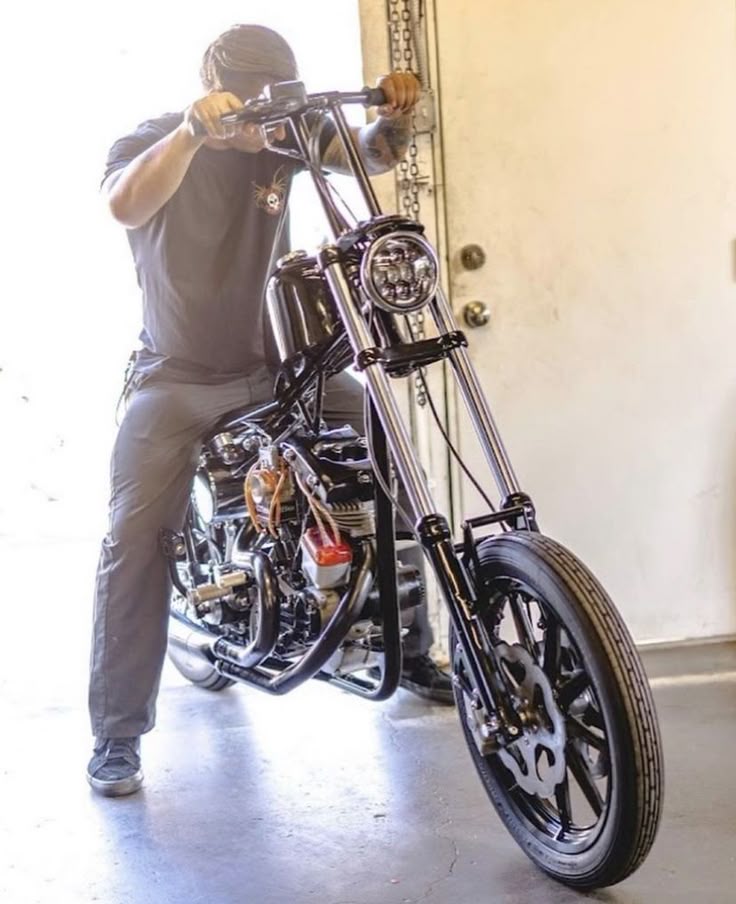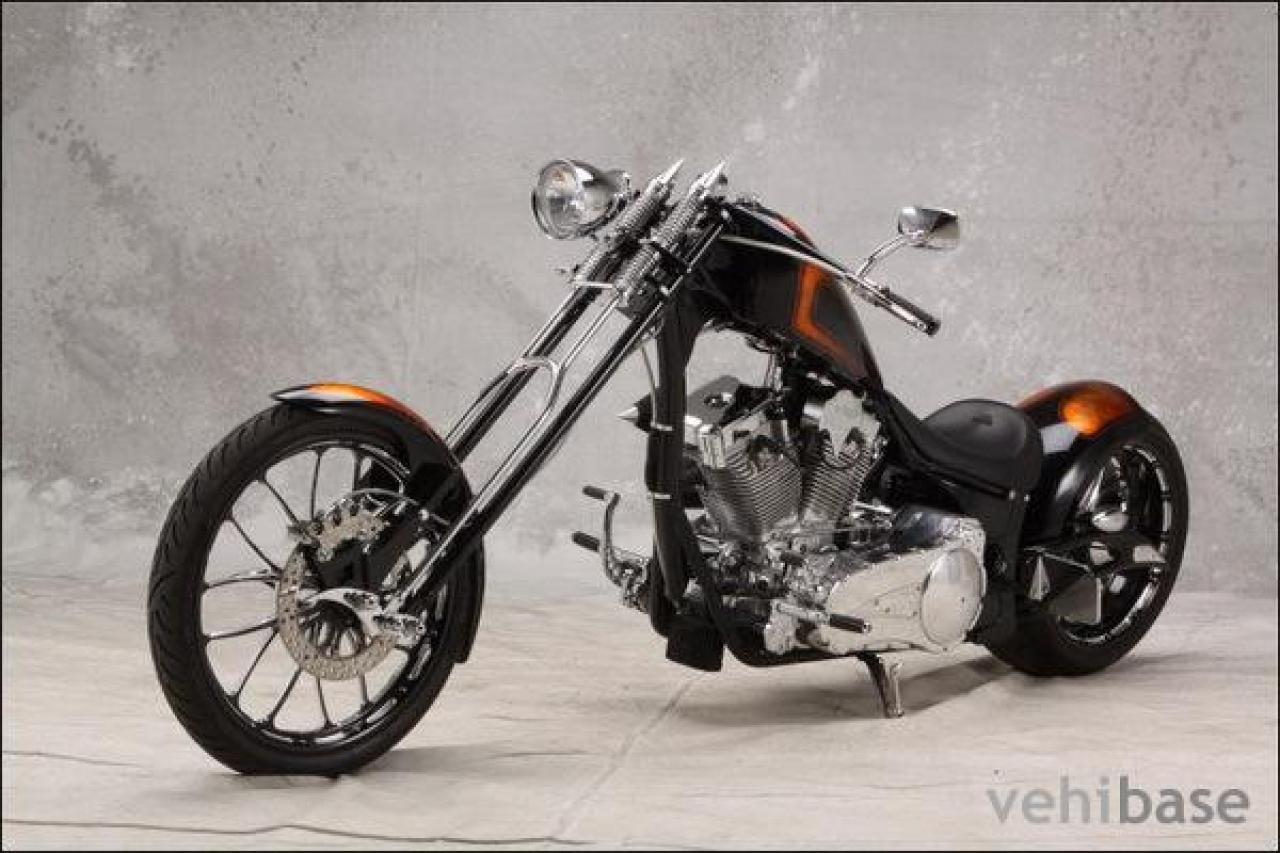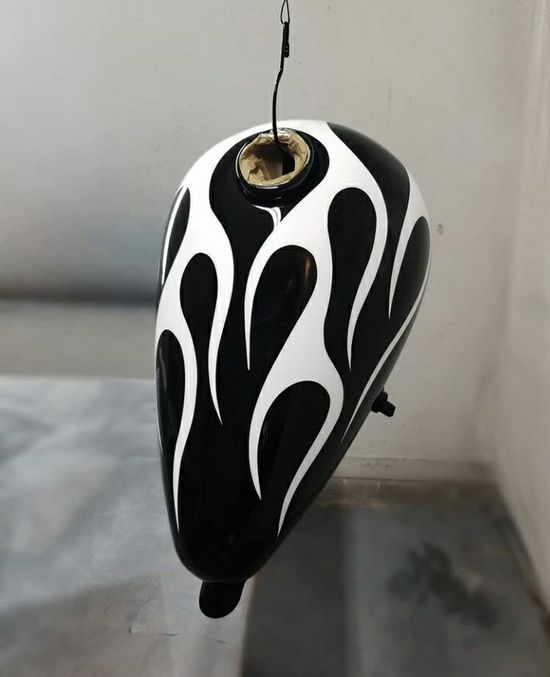
Imagine a canvas where steel bends to the will of artistry, where the rigid lines of a motorcycle’s gas tank transform into a symphony of curves and angles that defy convention. This is the world of chopper gas tank shapes—a realm where function meets fantasy, and every weld, every contour, tells a story. Forget the mundane, the predictable. Here, the gas tank isn’t just a reservoir; it’s a declaration, a bold statement etched in metal and imagination.
The Anatomy of Rebellion: Why Gas Tank Shapes Matter
At first glance, a gas tank might seem like a simple component, a utilitarian vessel to hold fuel. But in the hands of a true artist, it becomes something far more profound. The shape of a chopper’s gas tank is a rebellion against the ordinary. It’s a challenge to the status quo, a visual manifesto that whispers (or sometimes shouts) the rider’s personality, passions, and even their defiance of convention.
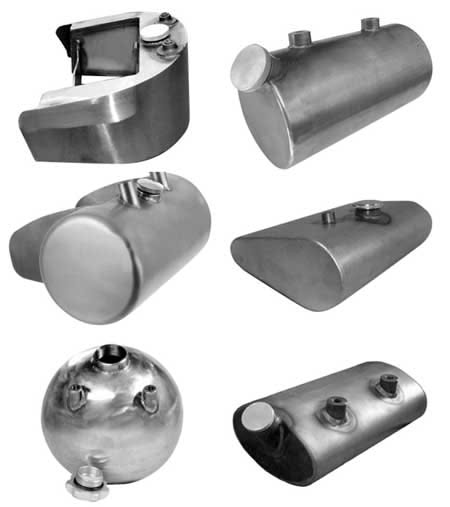
Consider the teardrop tank, a classic silhouette that evokes speed and fluidity. Its smooth, aerodynamic form isn’t just about aesthetics—it’s about harmony with the wind, a silent promise of effortless glide. Then there’s the flat-back tank, a stark contrast that exudes raw, unfiltered power. Its angular lines cut through the air like a blade, a visual metaphor for the rider’s uncompromising spirit. And let’s not forget the asymmetrical tanks, where chaos and order collide in a dance of controlled rebellion. These shapes aren’t accidents; they’re deliberate choices, each telling a different story of freedom and individuality.
From Function to Fantasy: The Evolution of Tank Design
The evolution of chopper gas tank shapes is a testament to the relentless pursuit of innovation. In the early days of motorcycling, tanks were purely functional—simple, rounded vessels that did little more than hold fuel. But as the culture of customization grew, so did the ambition of designers. The 1960s and 70s saw the rise of the café racer and the chopper, where form began to rival function. Riders wanted more than just a ride; they wanted a statement.
This era birthed the elongated teardrop tank, a shape that elongated the bike’s silhouette and added a sense of speed and aggression. The 1980s and 90s brought a wave of experimentation, with builders pushing boundaries by incorporating organic, almost surreal shapes into their designs. Think of tanks that resemble abstract sculptures, where the line between motorcycle and art blurs into obscurity. Today, the possibilities are limitless. 3D printing, advanced welding techniques, and a global community of builders have turned the gas tank into a playground for the most audacious ideas.
The Art of Contrast: Merging Opposing Forces
What makes chopper gas tank shapes so mesmerizing is their ability to juxtapose opposing forces. Strength and delicacy. Chaos and precision. Tradition and avant-garde. The most striking designs are those that masterfully balance these contradictions, creating a visual tension that captivates the eye.
Take the “floating” tank, for example—a design where the tank appears to hover above the frame, defying gravity with its sleek, minimalist lines. It’s a paradox: a solid piece of metal that looks weightless, as if it’s about to take flight. Then there’s the “organic” tank, inspired by nature’s curves and textures. These designs often feature asymmetrical bulges and undulating surfaces that mimic the flow of water or the contours of a leaf. They’re a reminder that even in the rigid world of steel, there’s room for the whimsical and the unexpected.
But perhaps the most daring contrast comes from the “industrial” tanks—angular, sharp-edged designs that borrow from machinery and architecture. These tanks look like they were hewn from a block of steel by a futuristic sculptor, their geometric precision a stark contrast to the organic flow of traditional chopper aesthetics. It’s a clash of eras, a fusion of the raw and the refined.
Cultural Echoes: How Gas Tank Shapes Reflect Identity
A chopper’s gas tank isn’t just a piece of metal; it’s a cultural artifact. It reflects the rider’s identity, their values, and even their place in the world. In the biker community, the tank is a badge of honor, a visual shorthand for the rider’s story.
For the outlaw biker, the tank might be a canvas for rebellion—sharp angles, jagged edges, and bold, unapologetic designs that scream defiance. For the artist, it could be a surreal dreamscape, a tank that looks like it belongs in a gallery rather than on a bike. And for the purist, it might be a nod to classic designs, a tribute to the golden age of motorcycling reimagined with modern precision.
Consider the “bobber” influence, where tanks are stripped down to their essence, their shapes pared back to the bare minimum. These designs emphasize simplicity and raw functionality, a rejection of excess in favor of purity. On the other end of the spectrum, the “pro-street” tanks are all about aggression and dominance, their wide, flat shapes designed to command attention and assert power. Each style speaks to a different facet of the chopper culture, a different facet of the rider’s soul.
The Future of Tank Design: Where Will Creativity Take Us?
As technology advances and materials evolve, the future of chopper gas tank shapes is limited only by imagination. We’re already seeing the rise of “smart” tanks, where embedded LEDs and interactive displays transform the tank into a dynamic canvas that changes with the rider’s mood or the bike’s performance. Imagine a tank that pulses with the rhythm of the engine, or one that shifts colors based on the speed of the ride. The possibilities are as boundless as the creativity of the builders who dare to dream them into existence.
There’s also the growing influence of sustainability, with builders experimenting with eco-friendly materials and designs that minimize waste. The “green chopper” movement is pushing the boundaries of what’s possible, proving that even in a world of steel and chrome, there’s room for innovation that respects the planet.
And let’s not forget the role of digital design tools. With software like CAD and 3D modeling, builders can now visualize and refine their tank designs with unprecedented precision. This digital revolution is democratizing creativity, allowing even amateur builders to craft tanks that rival the work of seasoned professionals. The future isn’t just about new shapes; it’s about new ways of thinking, new ways of creating.
A Call to Adventure: Why Your Next Tank Should Break the Mold
If you’ve ever looked at a chopper and felt a spark of inspiration, now is the time to act. The world of gas tank design is waiting for your vision. Whether you’re drawn to the elegance of a teardrop, the raw power of a flat-back, or the surreal beauty of an organic shape, there’s a tank design out there that’s begging to be brought to life.
Don’t settle for the ordinary. Don’t let your bike blend into the crowd. The gas tank is your opportunity to make a statement, to tell the world who you are before you even utter a word. It’s a chance to turn your chopper into a work of art, a rolling masterpiece that inspires awe and sparks conversation wherever it goes.
So, what will your tank say? Will it whisper secrets of the open road, or will it roar defiance to the world? The choice is yours. The metal is waiting. The story is yours to write.