The open road hums a siren’s song, a melody only the initiated can decipher. For the chopper rider, the machine is more than steel and chrome—it’s an extension of the soul, a rolling manifesto of freedom etched in gleaming curves and thunderous exhaust. Yet, no rider truly completes their ensemble without a leather vest that whispers tales of the asphalt, a second skin that speaks the language of the wild. These vests are not mere garments; they are armor forged in the fires of rebellion, each stitch a promise, each buckle a vow to the road ahead.
The Vest as a Canvas: Where Art Meets Armor
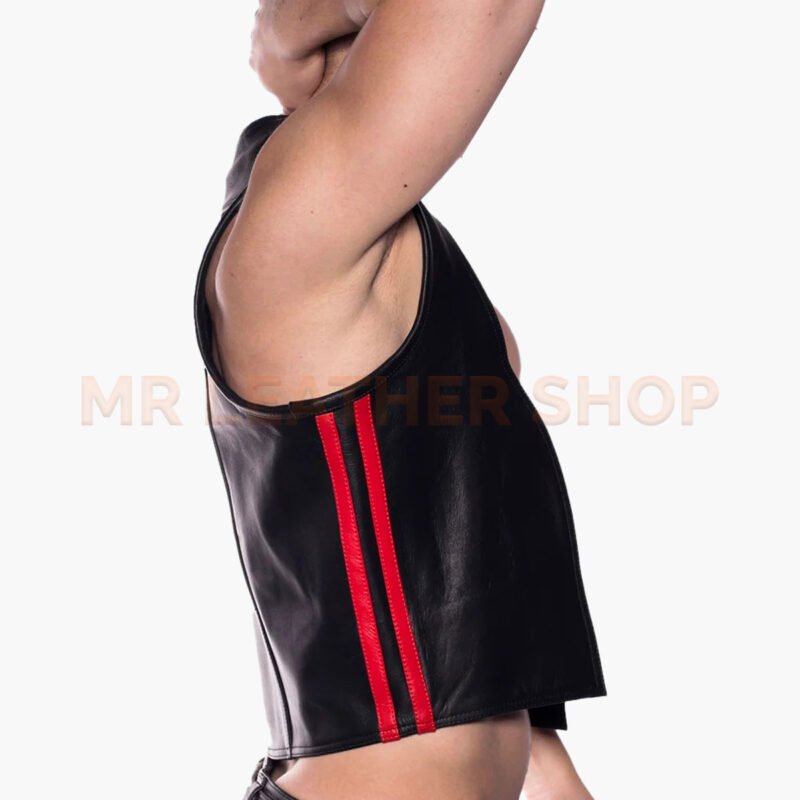
Imagine the leather vest as a blank parchment, waiting for the rider’s story to be inked upon it. Unlike the rigid uniformity of factory-made apparel, a custom leather vest is a living canvas, a testament to individuality. The supple hide, whether buttery soft cowhide or exotic python, molds to the rider’s form like a lover’s embrace, aging gracefully with every mile. Intricate embroidery—dragons coiling around the shoulders, flames licking the hem, or a meticulously stitched club insignia—transforms the vest into a mobile gallery. It’s not just clothing; it’s a declaration, a visual anthem that announces the rider’s allegiance to the brotherhood of the road.
Consider the tactile poetry of aged leather, its patina deepening with each journey, each near-miss, each sunrise ridden into. The vest becomes a chronicle of the road, its surface etched with the ghosts of past rides. A well-worn vest doesn’t just carry the scent of gasoline and leather; it carries the weight of stories untold, a silent confidant to the rider’s soul.
Form Follows Function: Engineering for the Open Highway
A chopper rider’s vest must do more than dazzle—it must endure. The best designs marry aesthetics with engineering, ensuring the vest moves as fluidly as the machine beneath the rider. Look for reinforced stitching along stress points, like the shoulders and collar, where the vest bears the brunt of wind resistance at 70 mph. Hidden pockets, lined with fleece or suede, cradle essentials—keys, cash, a vial of the open road’s elixir—without betraying their presence to the casual observer.
Ventilation is another unsung hero. Strategically placed grommets or perforated panels allow the summer breeze to kiss the rider’s back, preventing the dreaded “leather sauna” effect. Yet, these features must be subtle, lest they disrupt the vest’s sleek silhouette. The ideal vest is a paradox: a fortress that breathes, a second skin that never suffocates.
Weight distribution is critical. A vest that clings too tightly to the torso can chafe during long rides, while one that sags becomes a burden. The solution? Adjustable straps and contoured seams that hug the rider’s frame like a tailored suit. The vest should feel like an extension of the body, not an encumbrance.
The Alchemy of Materials: From Hide to Heaven
Not all leather is created equal. The connoisseur knows that the soul of a vest lies in its hide. Full-grain leather, untouched by sanding or buffing, retains its natural grain and durability, aging into a rich, honeyed patina over time. Top-grain leather, slightly more refined, offers a balance of suppleness and strength, ideal for riders who demand both comfort and resilience. For those seeking the extraordinary, exotic leathers—python, ostrich, or even stingray—add a touch of the untamed to the ensemble.
But leather is only part of the equation. The lining is the unsung hero, the silent partner in comfort. Shearling, with its plush wool facing inward, cocoons the rider in warmth during chilly dawn rides, while silk or satin linings glide effortlessly against the skin, reducing friction and irritation. The choice of lining can elevate a vest from functional to transcendent, transforming it into a second skin that feels as good as it looks.
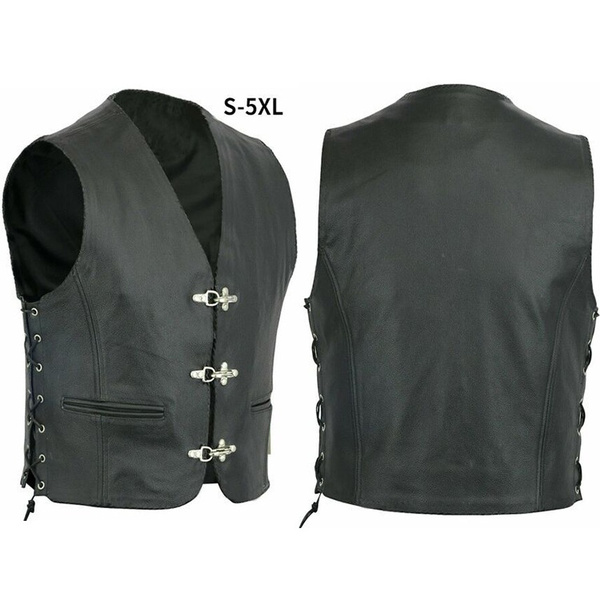
And let’s not forget hardware. Heavy-duty brass or stainless steel buckles and snaps aren’t just about durability—they’re about style. A vest with polished nickel hardware gleams like a chrome-plated dream, while aged bronze or blackened steel adds a rugged, industrial edge. The hardware should be as much a part of the vest’s character as the leather itself.
Personalization: The Vest as a Signature
A custom leather vest is more than a garment; it’s a signature, a fingerprint of the rider’s soul. The art of personalization begins with the base—choosing the right color. Ebony for the purist, cognac for the classicist, or even bold hues like crimson or emerald for the audacious. But personalization doesn’t stop at color. It’s in the stitching: contrasting thread that outlines the vest’s edges, or intricate patterns that snake across the back like a roadmap of the rider’s journey.
Patches are the vest’s most potent storytelling tool. A club patch declares allegiance; a military insignia nods to service; a custom embroidered design—perhaps a skull with wings or a serpent coiled around a dagger—speaks to the rider’s inner mythology. The placement of these patches is an art in itself. Centered on the back for maximum visibility, or clustered on the chest like a secret code, each placement tells a different story.
Even the smallest details matter. A hidden zipper pocket for a flask, a discreet loop for a bandana, or a microfiber lining to wipe away the sweat of a long ride—these touches transform a vest from ordinary to extraordinary. The best vests are those that feel like they were made just for the rider, as if the leather itself whispered, “This is yours.”
The Vest in Motion: A Dance of Leather and Steel
There’s a moment, just before the engine roars to life, when the rider and the vest become one. The vest settles onto the shoulders like a second heartbeat, its weight familiar and comforting. As the chopper thunders to life, the vest sways with the rider’s movements, a silent partner in the dance of man and machine. At speed, the vest becomes a windbreak, a shield against the elements, its edges fluttering like the wings of a bird riding the thermals.
But the vest’s true magic lies in its silence. It doesn’t clatter or cling; it moves in harmony with the rider, a seamless extension of the body. A well-made vest doesn’t betray its presence—it becomes invisible, allowing the rider to focus solely on the road ahead. It’s the difference between wearing a vest and becoming one with it.
And when the ride ends, the vest remains. It carries the scent of the open road, the warmth of the sun, the chill of the night air. It’s a relic of the journey, a tangible reminder of the miles ridden and the memories made. In its quiet way, the vest becomes a part of the rider’s identity, a silent witness to every adventure.
Beyond the Vest: The Brotherhood of Leather
The leather vest is more than a piece of clothing—it’s a passport to a brotherhood that transcends borders and backgrounds. It’s a symbol of freedom, of rebellion, of the unbreakable bond between rider and machine. When a rider dons their vest, they’re not just putting on a garment; they’re joining a legacy, a tradition that stretches back to the dawn of the open road.
This brotherhood is built on shared stories, on the clink of glasses in roadside diners, on the nod of recognition between riders at a stoplight. The vest is the common thread that binds them, a visual shorthand for the language of the road. It’s a way of saying, “I’ve ridden the miles. I’ve felt the wind. I am one of you.”
In a world that often feels fragmented, the leather vest is a unifying force. It’s a reminder that, no matter where you come from or where you’re headed, the road is a shared experience. And the vest? It’s the armor that protects the soul of the rider, the banner that flies high above the asphalt.