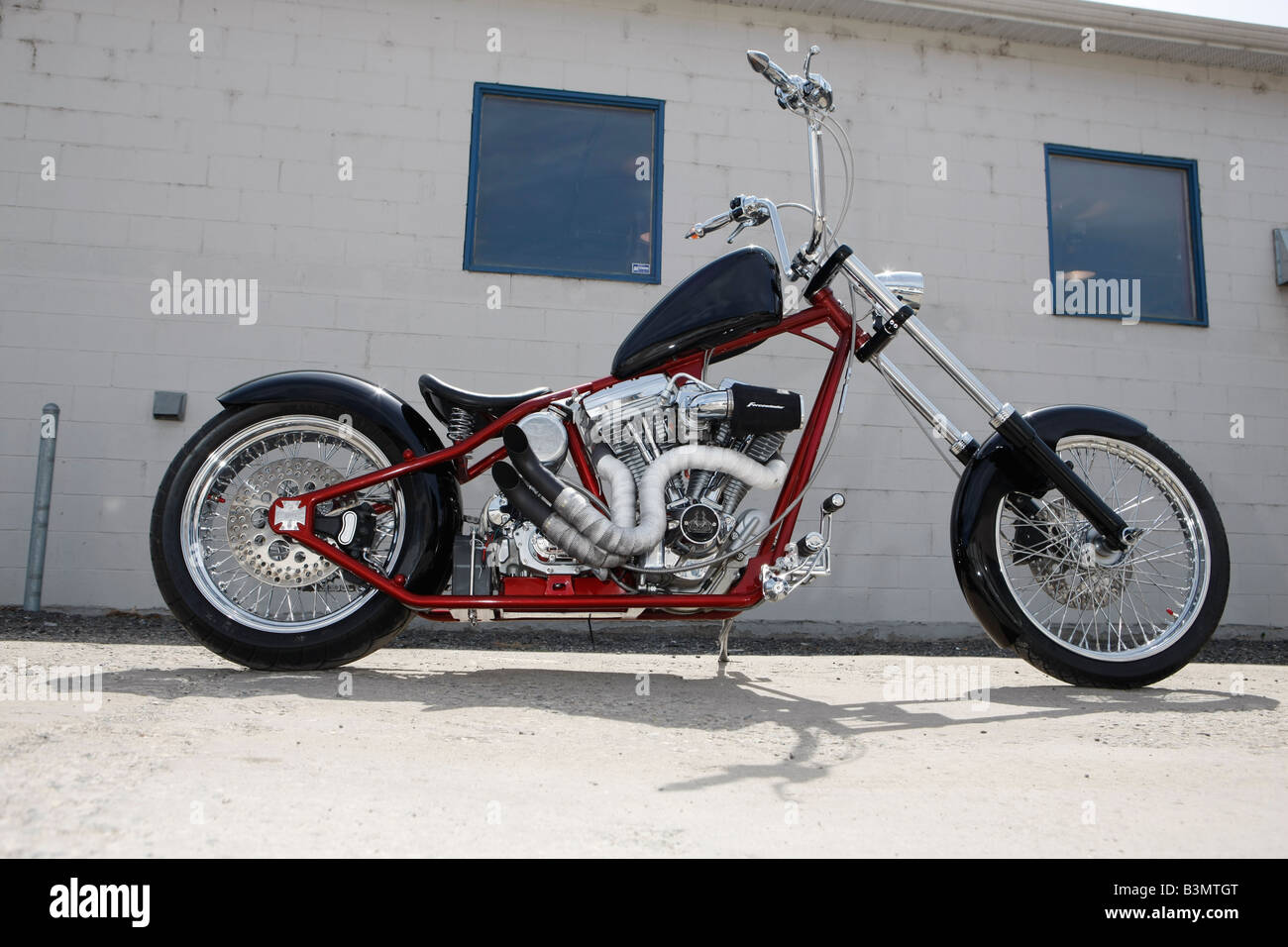
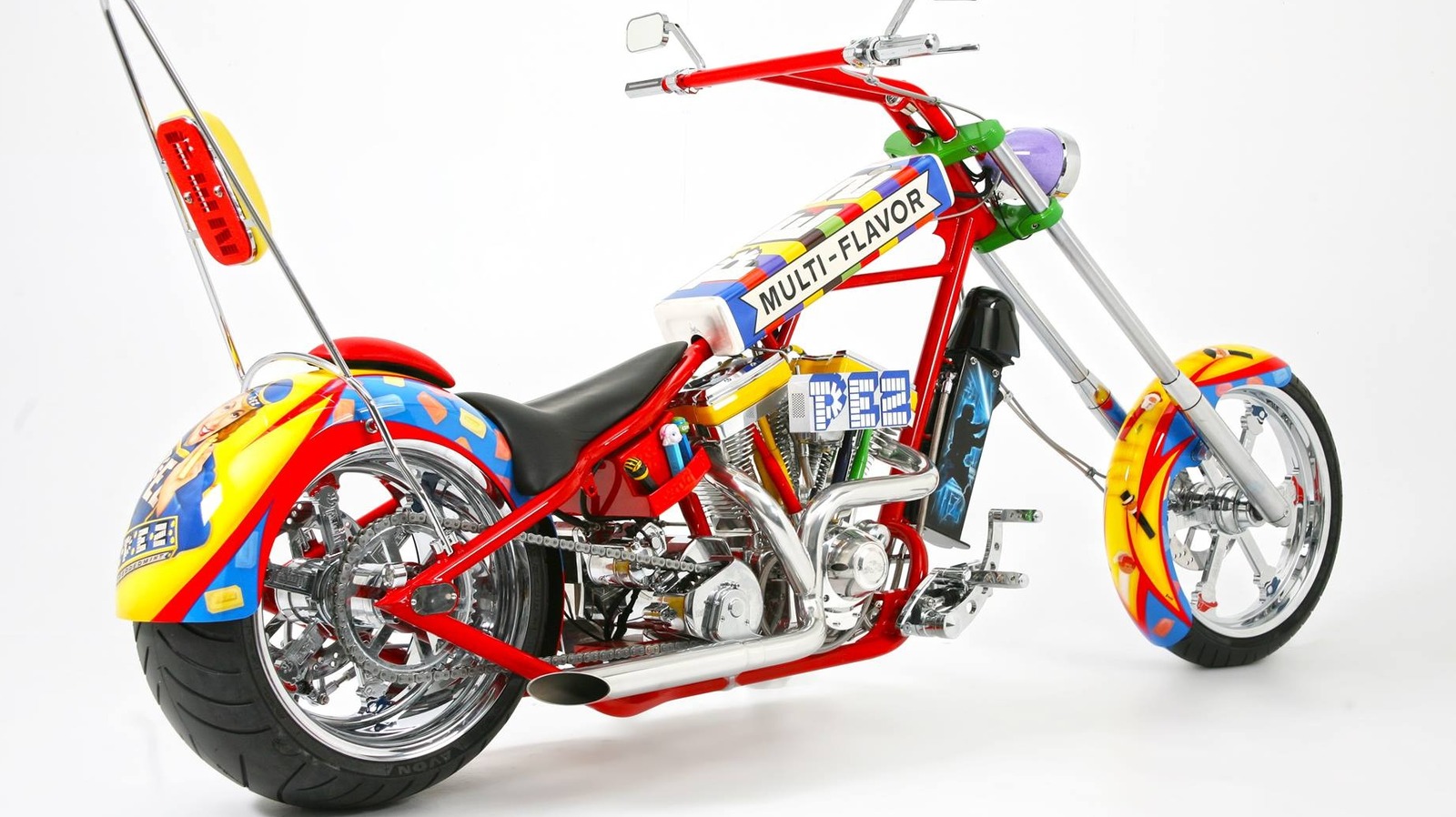
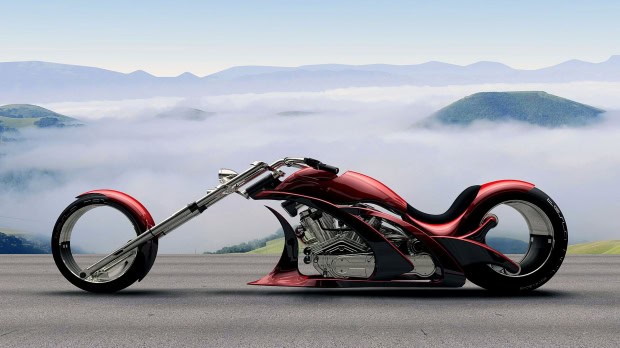
The allure of a metal flake chopper tank isn’t just in its gleaming, mirror-like finish—it’s in the way light dances across its surface, fracturing into prismatic shards that seem to defy physics. There’s a hypnotic quality to it, a visual symphony that turns heads and stirs something primal in the onlooker. But behind that mesmerizing facade lies a meticulous process, one that demands the right tools to achieve perfection. The paint gun, often overlooked in favor of the flake itself, is the unsung hero of this transformation. It’s the conduit through which raw creativity flows, the instrument that dictates whether your tank will shimmer like a mirage or flop like a dull dream. Choosing the best paint gun for metal flake chopper tanks isn’t just about spraying paint; it’s about mastering the alchemy of light, texture, and motion.
The Alchemy of Metal Flake: Why the Right Gun Matters
Metal flake isn’t just another paint job—it’s a performance. The flakes themselves are tiny, reflective particles that scatter light in unpredictable ways, creating a dynamic, almost living surface. But to coax out their full potential, you need a paint gun that can deliver paint with surgical precision. A subpar gun will leave streaks, uneven coverage, or worse, flake clumping that ruins the effect. The ideal gun must handle high-viscosity paints and flake suspensions without clogging, while maintaining a consistent spray pattern that ensures even distribution. Think of it as conducting an orchestra: every nozzle, every adjustment, every pass must harmonize to produce the crescendo of brilliance you’re after.


The fascination with metal flake runs deeper than aesthetics. It taps into a cultural obsession with transformation—taking something mundane and elevating it into the extraordinary. There’s a rebellion in it, a refusal to conform to the ordinary. The right paint gun becomes a tool of empowerment, allowing you to bend reality to your vision. It’s not just about spraying paint; it’s about sculpting light itself.
HVLP vs. LVLP vs. Conventional: Decoding the Spray Gun Hierarchy
Not all paint guns are created equal, and the choice between HVLP (High Volume Low Pressure), LVLP (Low Volume Low Pressure), and conventional spray guns can make or break your metal flake project. HVLP guns are the darlings of the custom paint world, prized for their efficiency and reduced overspray. They use a high volume of air at low pressure to atomize paint into a fine mist, which is crucial for achieving that seamless, mirror-like finish. LVLP guns, on the other hand, offer a middle ground—lower air consumption than HVLP but with finer control, making them ideal for intricate work. Conventional guns, while powerful, are less forgiving, often requiring more skill to avoid runs and orange peel.
For metal flake, HVLP reigns supreme. The low pressure ensures that the flakes settle evenly without being blasted into oblivion, while the high volume guarantees a smooth, consistent base coat. But don’t discount LVLP entirely—if you’re working on a smaller tank or need more precision, they can be a game-changer. The key is understanding your project’s demands and matching them to the gun’s capabilities. It’s like choosing between a broadsword and a rapier; both are deadly in the right hands, but one is better suited for a duel.
Nozzle Size and Fluid Tip: The Unsung Variables
The nozzle size and fluid tip of your paint gun are the gatekeepers of your metal flake destiny. A nozzle that’s too small will struggle with the viscosity of metal flake paint, leading to clogs and uneven application. Too large, and you risk excessive overspray, wasting precious material and creating a mess. For metal flake, a 1.4mm to 1.8mm nozzle is typically ideal, as it balances flow rate with atomization. The fluid tip, which controls the amount of paint released, must also be calibrated to your gun’s pressure settings. A tip that’s too large will flood the surface, while one that’s too small will starve it, both of which will sabotage your flake’s potential.

Think of the nozzle and fluid tip as the lens of a camera. The wrong lens will distort your vision, but the right one will bring every detail into sharp focus. Metal flake is unforgiving—it magnifies imperfections. That’s why investing in high-quality, replaceable parts is non-negotiable. Cheap nozzles and tips wear out quickly, leading to inconsistent results that can ruin hours of work. It’s not just about buying a gun; it’s about curating a system that works in harmony with your vision.
Pressure Settings: The Invisible Hand Guiding Your Flake
Pressure is the invisible hand that shapes your metal flake’s destiny. Too much pressure, and you’ll blast the flakes into oblivion, leaving a chaotic mess of scattered particles. Too little, and you’ll end up with a patchy, uneven coat that lacks depth and vibrancy. The sweet spot for metal flake typically lies between 15 to 25 PSI at the gun, depending on your specific setup. But pressure isn’t just about the number—it’s about the interplay between your gun, compressor, and hose. A poorly maintained compressor can fluctuate pressure, leading to inconsistent results. A kinked hose can restrict airflow, turning your precision instrument into a blunt tool.
Mastering pressure is like learning to play a musical instrument. It requires patience, practice, and an acute awareness of how small adjustments can produce profound changes. Start with the manufacturer’s recommendations, then tweak based on your environment. Humidity, temperature, and even the type of flake you’re using (fine vs. coarse) will influence your settings. It’s a dance, one that rewards those who listen closely to the rhythm of their materials.
Preparation: The Foundation of Flake Perfection
No paint gun, no matter how advanced, can save a poorly prepared surface. Metal flake demands a flawless base—any imperfections will be magnified tenfold once the flakes are applied. Start with a thorough cleaning to remove oils, dirt, and contaminants. Sand the surface to a smooth finish, using progressively finer grits until it’s as close to glass as possible. A tack cloth is essential for removing any residual dust before spraying. Primer is your best friend here; it fills minor imperfections and provides a consistent surface for the flake to adhere to. And don’t forget the sealer—it’s the unsung hero that locks everything in place, ensuring your flake stays put for years to come.
The preparation phase is where the magic begins. It’s not just about avoiding mistakes; it’s about creating a canvas that allows your creativity to flourish. Think of it as the difference between painting on raw canvas versus a primed, stretched masterpiece. The latter gives the artist the freedom to explore, to take risks, to push boundaries. The same is true for metal flake. A well-prepared surface is the difference between a job that’s merely good and one that’s breathtaking.
The Art of Layering: Building Depth and Dimension
Metal flake isn’t a one-and-done process. It’s a symphony of layers, each contributing to the final masterpiece. Start with a base coat of high-quality automotive paint, applied in thin, even layers to avoid runs. Once cured, apply a mist coat of clear to prepare for the flake. The flake itself should be applied in multiple passes, allowing each layer to settle before adding the next. Too much flake at once will create clumps, while too little will leave gaps that disrupt the light’s play. Finally, seal it all with a high-build clear coat, sanding between layers for a glass-like finish.

The layering process is where the true artistry comes into play. It’s about understanding how light interacts with each layer, how the flakes will catch and refract it. It’s about patience—knowing when to stop, when to add more, when to let the paint breathe. Each layer is a conversation between you and your materials, a dialogue that evolves with every pass. The result isn’t just a paint job; it’s a testament to your skill, your vision, and your dedication to the craft.
Maintenance: Preserving the Brilliance
A paint gun is a precision instrument, and like any tool, it requires care to perform at its best. After each use, disassemble the gun and clean it thoroughly with the appropriate solvents. Pay special attention to the nozzle and fluid tip, as these are the most prone to clogging. Store your gun in a clean, dry environment to prevent corrosion and damage. Regularly check hoses and connections for leaks or wear, as even a small issue can throw off your pressure and ruin your work. And don’t forget to lubricate moving parts—silicon-based lubricants are ideal for preventing seizing and ensuring smooth operation.
Maintenance isn’t just about prolonging the life of your gun; it’s about preserving the integrity of your work. A well-maintained gun will deliver consistent results, time after time. It’s the difference between a paint job that looks fresh and one that’s already showing its age. Think of it as the difference between a vintage car that’s been pampered and one that’s been neglected. Both might look similar at first glance, but the details reveal the true story.