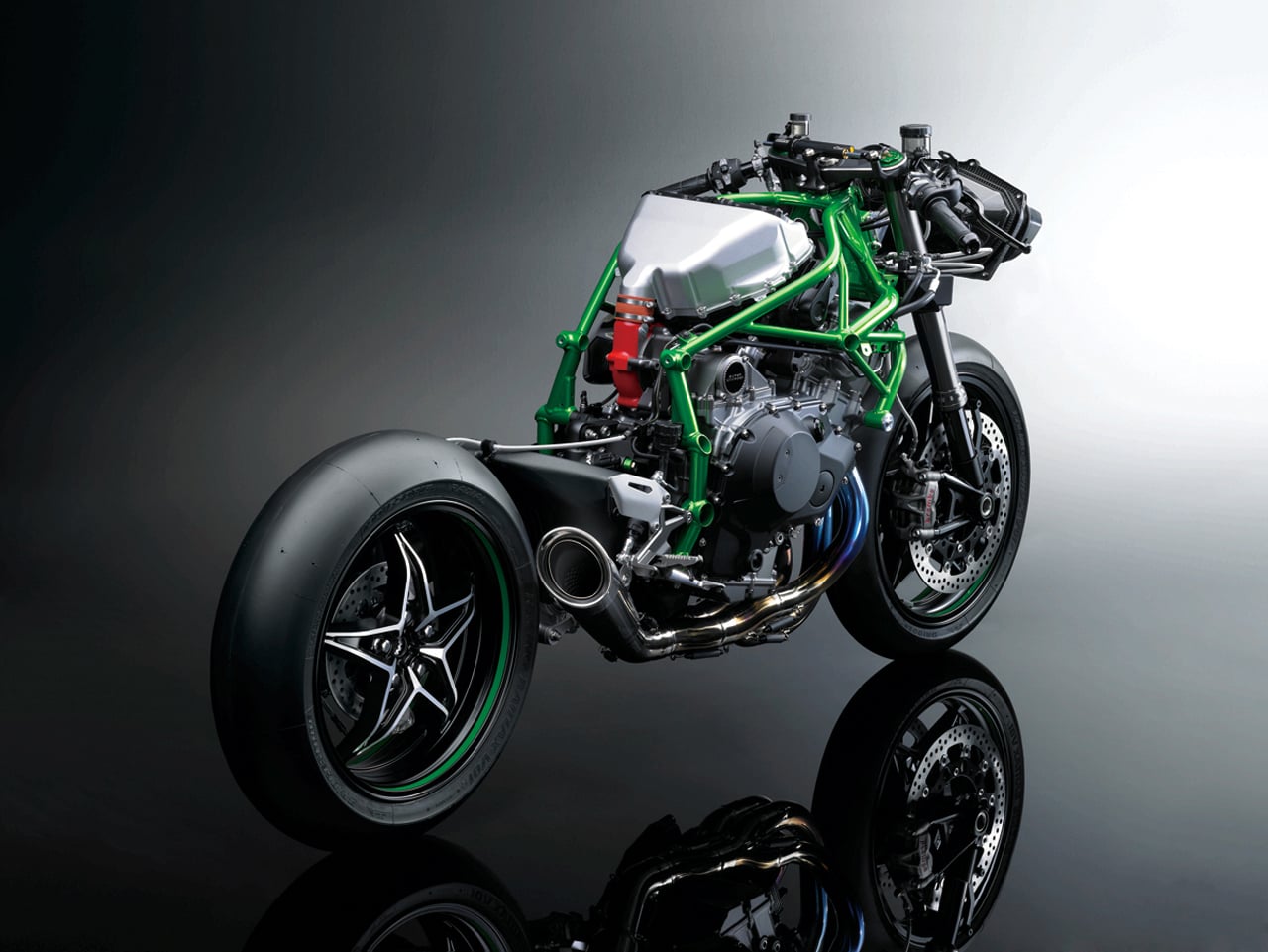
Ever stared at your chopper frame, dreaming of a gleaming, factory-fresh finish—only to be met with the stubborn, battle-worn remnants of countless rides? The kind of grime that laughs in the face of your wire brush and elbow grease? If so, it’s time to meet your new best friend: the sandblaster. But not just any sandblaster. We’re talking about the ultimate machine for stripping chopper frames down to their bare, unblemished bones. The question isn’t whether you need one—it’s which one will turn your restoration project from a Sisyphean chore into a triumphant, dust-free victory.
The Art of Sandblasting: Why Your Chopper Frame Deserves a Spa Day
Let’s face it: chopper frames aren’t just metal. They’re canvases of your riding legacy, etched with the scars of adventure, the patina of time, and—let’s be honest—the occasional misadventure with a poorly aimed wrench. Stripping them isn’t just about cleanliness; it’s about rebirth. A proper sandblaster doesn’t just remove paint and rust—it erases the old story so you can write a new one. Whether you’re restoring a vintage classic or prepping a custom build for a fresh coat of candy apple red, the right sandblaster is the difference between a hack job and a masterpiece.
But here’s the catch: not all sandblasters are created equal. A delicate café table? Sure, a gentle touch will do. Your chopper frame? It’s seen things. It’s endured heat, friction, and the occasional rogue pebble at 70 mph. You need a machine that can handle the grit—literally. That’s where the heavyweights come in: the dustless, wet sandblasters, the high-pressure abrasive blasters, and the portable titans designed to chase down every nook and cranny of your bike’s skeletal structure.
Wet vs. Dry: The Great Sandblasting Showdown
Picture this: you’re mid-project, your garage is a snowstorm of aluminum oxide, and your lungs are staging a protest. Sound familiar? Dry sandblasting is the OG method—fast, aggressive, and unapologetically messy. It’s the go-to for professionals who need to strip a frame in under an hour. But at what cost? The dust. Oh, the dust. It gets everywhere: your eyes, your lungs, your neighbor’s pristine white sedan parked outside. It’s the kind of chaos that turns a simple restoration into a hazmat situation.
Enter the wet sandblaster. This isn’t your grandpa’s sandblaster. This is the future—dustless, controlled, and surprisingly gentle. By mixing abrasive media with water, these machines tame the chaos. The water suppresses the dust, cools the surface, and even helps prevent warping. Sure, it’s a tad slower than dry blasting, but the payoff? A cleaner workspace, a safer project, and a frame that’s ready for the next step without the respiratory aftermath. For chopper frames—where precision matters more than speed—wet sandblasting is the unsung hero.
Pressure Points: How Much Oomph Does Your Frame Need?
You wouldn’t use a sledgehammer to crack a walnut, and you shouldn’t use a 150-psi sandblaster to strip a delicate chrome finish. The key to a flawless strip-down lies in pressure. Too low, and you’re stuck in an endless loop of half-hearted blasting. Too high, and you risk turning your frame into a modern art piece—abstract, but not in a good way.
For most chopper frames, a pressure range of 80 to 120 psi is the sweet spot. This is where the magic happens: the abrasive media (think glass beads, aluminum oxide, or even baking soda for ultra-fine work) strips away paint and rust without turning your frame into Swiss cheese. If you’re dealing with heavy corrosion or thick layers of old paint, lean toward the higher end of the spectrum. Just remember: finesse is your friend. Start low, test often, and let the machine do the heavy lifting.
The Media Matters: Choosing Your Abrasive Arsenal
Not all abrasives are born equal. Your choice of media can mean the difference between a frame that gleams and one that looks like it survived a bar fight. Let’s break it down:
- Aluminum Oxide: The workhorse. Tough, reusable, and relentless. It’s the sandblaster’s Swiss Army knife—great for general stripping, but can be a bit aggressive for delicate finishes.
- Glass Beads: The gentle giant. Perfect for restoring chrome or polished surfaces without leaving a scratch. It’s like giving your frame a spa day with a side of exfoliation.
- Silica Sand: The old-school choice. Cheap and effective, but it’s a dusty nightmare and can embed itself in soft metals. Proceed with caution.
- Baking Soda: The wildcard. Non-toxic, biodegradable, and surprisingly effective for light stripping. Ideal for frames with intricate details or when you’re feeling eco-conscious.
Pro tip: If you’re unsure, start with glass beads or baking soda. They’re forgiving, and if you need to switch to something more aggressive later, you can always ramp up the pressure or switch media.
Portability vs. Power: Can You Have It All?
You’re standing in your garage, sandblaster in hand, staring at your chopper frame like it’s a puzzle waiting to be solved. The question looms: do you need a beast of a machine that lives permanently in your workspace, or a nimble, portable unit that can follow you anywhere?
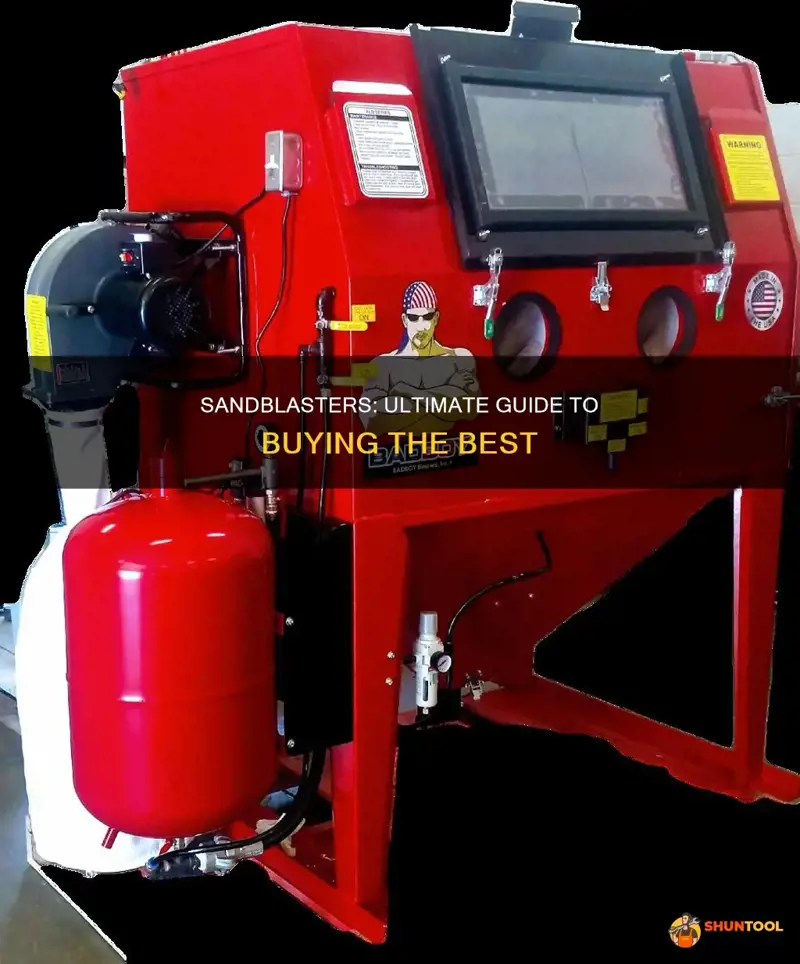
For most home restorers, portability is key. You want a machine that can tuck into a corner when not in use but still packs enough punch to tackle a frame without breaking a sweat. Look for units with wheels, compact designs, and easy-to-adjust pressure settings. Some even come with built-in dust collection systems—because nobody wants to vacuum their garage mid-project.
But if you’re running a full-blown restoration shop or tackling massive projects, a stationary unit might be your best bet. These heavy-duty machines offer consistent pressure, larger media capacities, and the kind of durability that laughs in the face of 24/7 use. Just make sure you’ve got the space—and the budget—to accommodate them.
The Dust Dilemma: Keeping Your Workspace—and Lungs—Safe
Let’s talk about the elephant in the room: dust. Even the best sandblaster can turn your workspace into a respiratory hazard if you’re not careful. The solution? Dust collection. Modern sandblasters often come with built-in systems, but if yours doesn’t, don’t panic. A simple shop vac with a HEPA filter can work wonders. For wet sandblasters, the water itself acts as a natural dust suppressant, but you’ll still want to wear a mask for those fine mist particles.
And don’t forget about ventilation. If your garage doubles as a sandblasting arena, crack a window or invest in a portable exhaust fan. Your future self—post-project, breathing easy—will thank you.
Final Polish: Prepping Your Frame for the Next Chapter
You’ve stripped your frame down to its gleaming, naked metal. The old paint? Gone. The rust? Vanquished. The battle scars? Erased. Now what? This is where the real fun begins. A thorough inspection is crucial. Look for cracks, warping, or weak spots that might need reinforcement. Sand any rough edges smooth, and consider a quick pass with a wire wheel to remove any lingering media residue.
Once you’re satisfied, it’s time to protect your handiwork. A rust inhibitor or primer will ensure your frame stays pristine until you’re ready to apply that show-stopping topcoat. And hey, while you’re at it, why not treat yourself to a cold drink? You’ve earned it.
So there you have it—the ultimate guide to choosing the best sandblaster for stripping your chopper frame. It’s not just about blasting away the old; it’s about making room for the extraordinary. Your frame is more than metal and paint. It’s a story. And with the right sandblaster, you’re not just restoring it—you’re rewriting its legacy.