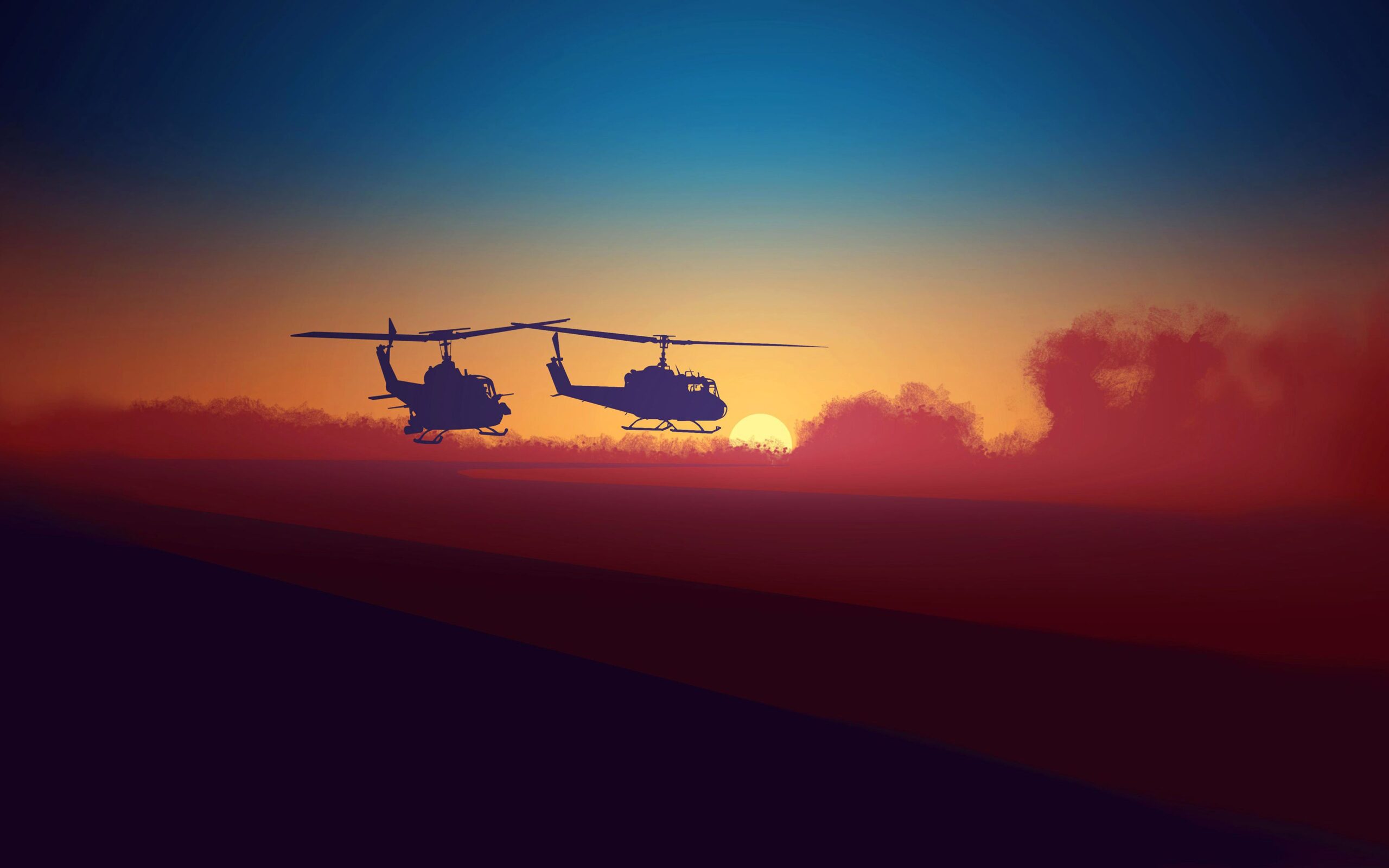
The roar of turbines splits the sky like a blade through silk, a symphony of steel and fire that commands the horizon. Military choppers are not mere machines; they are the iron avatars of modern warfare, guardians of the stratosphere, and silent sentinels of the battlefield. Their sleek fuselages slice through the air with predatory grace, while their rotors hum a hypnotic mantra of power and precision. These aerial titans transcend their mechanical origins, embodying the relentless spirit of human ingenuity and the unyielding will to dominate the skies. To speak of them is to invoke the essence of dominance, where every rivet and rotor blade tells a story of strategic supremacy and unparalleled engineering.
The Anatomy of Aerial Dominance: Engineering Marvels That Defy Gravity
Beneath the polished exteriors of military choppers lies a labyrinth of innovation, where aerodynamics and lethality intertwine like the threads of a finely woven tapestry. The fuselage, a sculpted masterpiece of composite materials, is designed to withstand the brutal forces of combat while minimizing radar cross-section. Stealth technology, once the domain of fixed-wing aircraft, now cloaks these helicopters in an invisible shroud, allowing them to slip through enemy airspace like ghosts.
The rotor system is the heartbeat of these machines, a symphony of spinning blades that generate lift with the precision of a surgeon’s scalpel. Advanced composite materials reduce weight without sacrificing strength, while the latest in vibration-dampening technology ensures that even the most violent maneuvers remain smooth. The tail rotor, often overlooked, is a marvel of balance, counteracting torque with the finesse of a tightrope walker. Together, these components form a cohesive whole, a testament to human ingenuity and the unrelenting pursuit of aerial superiority.
But it is the avionics that truly elevate these choppers to the realm of the extraordinary. Fly-by-wire systems, once the stuff of science fiction, now allow pilots to control these machines with the subtlety of a pianist. Integrated sensor suites provide a 360-degree view of the battlefield, while advanced targeting systems lock onto enemies with the precision of a predator’s gaze. These are not just helicopters; they are the eyes and ears of the modern military, the silent arbiters of life and death in the skies.
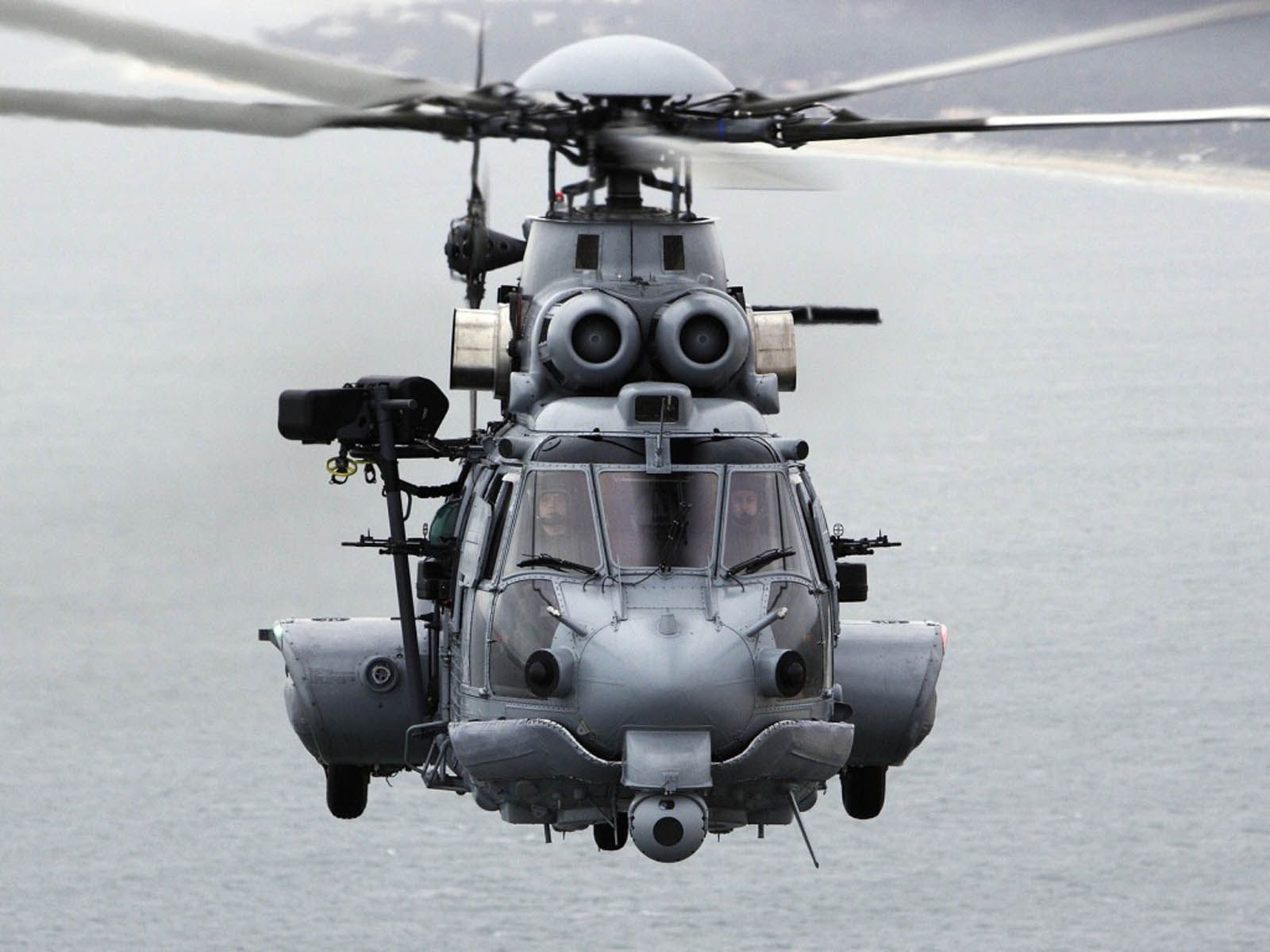
Their interiors are a testament to ergonomic brilliance, where every control is within reach, every display a window into the heart of the machine. The cockpit is a sanctuary of technology, a cocoon of glass and steel where pilots become one with their machines. Here, the boundaries between human and machine blur, and the chopper becomes an extension of the pilot’s will.
Stealth and Subterfuge: The Invisible Warriors of the Sky
In the theater of modern warfare, invisibility is the ultimate weapon. Military choppers, once the loudest and most visible of machines, have evolved into stealthy specters, slipping through enemy airspace with the quiet grace of a shadow. The art of stealth is not merely about reducing radar cross-section; it is about becoming a phantom, a whisper in the wind that leaves no trace.
Advanced radar-absorbing materials coat the fuselage, scattering electromagnetic waves like a mirage in the desert. The shape of the chopper itself is a study in deception, with angular edges and faceted surfaces designed to deflect radar waves away from their source. Even the paint is a weapon, infused with radar-absorbing pigments that further reduce detectability. These are not just helicopters; they are the ghosts of the sky, unseen until it is too late.
But stealth is not just about avoiding detection; it is about deception. Choppers equipped with advanced electronic warfare suites can mimic the signatures of other aircraft, sowing confusion in the enemy’s ranks. They can jam communications, spoof radar systems, and even create false targets, turning the battlefield into a hall of mirrors where reality is fluid and truth is elusive. In the hands of a skilled pilot, these machines become instruments of psychological warfare, striking fear into the hearts of their adversaries before a single shot is fired.
Their missions are as varied as they are covert. From reconnaissance to sabotage, from rescue to assassination, these choppers operate in the gray zones of conflict, where the rules of engagement are fluid and the stakes are life and death. They are the silent partners of special forces, the unseen guardians of the night, and the harbingers of chaos in the enemy’s rear.
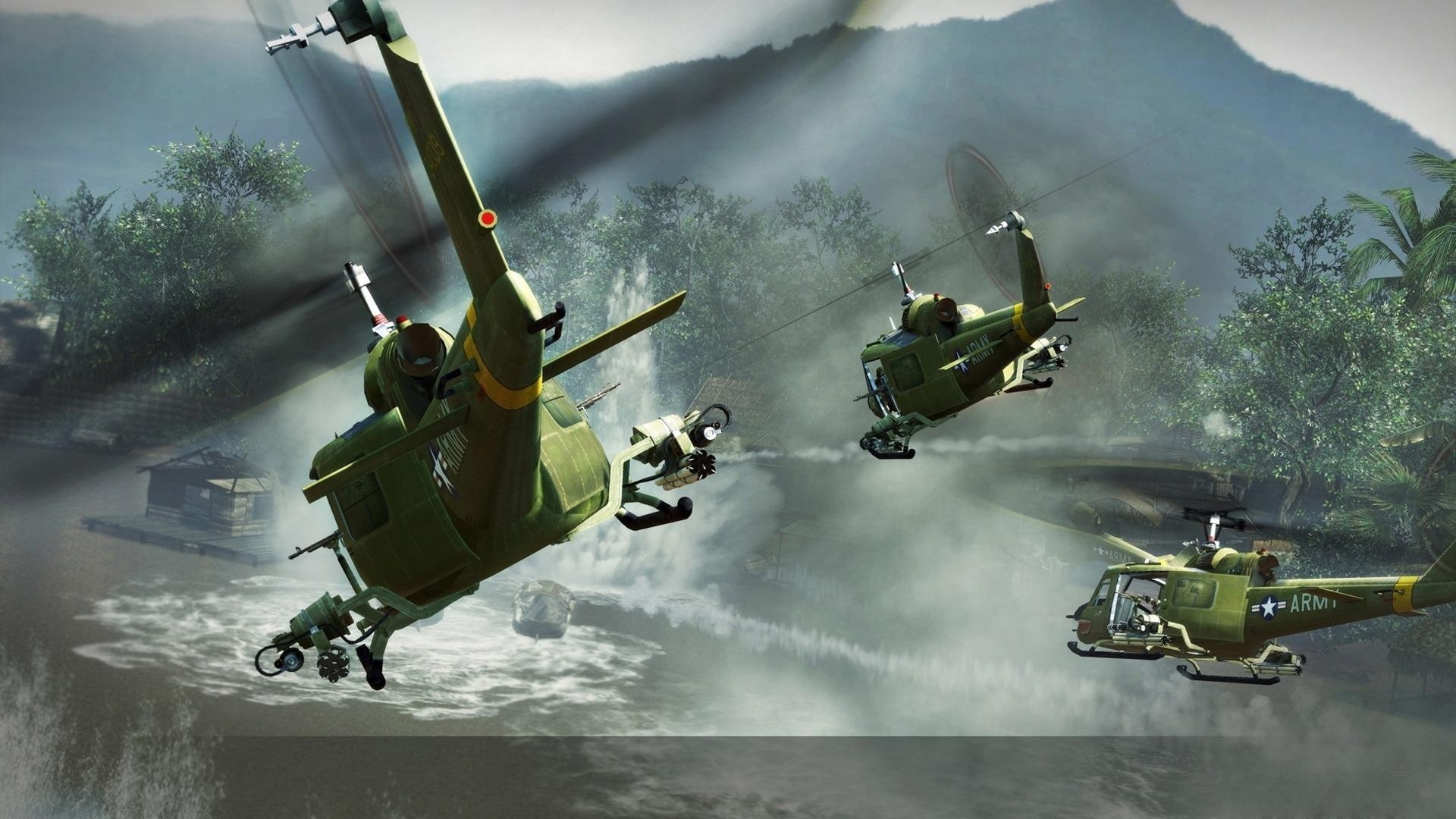
Their presence is felt more than seen, a fleeting shadow that vanishes as quickly as it appears. And when they strike, it is with the precision of a surgeon’s scalpel, leaving behind only the echoes of their passing and the wreckage of their targets.
Power and Precision: The Lethal Arsenal of Modern Choppers
Beneath the skin of these aerial titans lies a lethal arsenal, a symphony of firepower designed to dominate the battlefield. From the thunderous roar of rotary cannons to the deadly accuracy of guided missiles, these choppers are walking arsenals, capable of unleashing devastation with the flick of a switch. Their weapons are not mere tools; they are extensions of the chopper’s will, instruments of destruction that strike with the precision of a predator’s talons.
The most iconic of these weapons is the chain gun, a rotary cannon that spits death at a rate of hundreds of rounds per minute. Its thunderous bark echoes across the battlefield, a sound that strikes fear into the hearts of enemies and allies alike. Mounted on a turret, it can swivel with the speed of thought, tracking targets with the relentless focus of a predator stalking its prey. Whether firing armor-piercing rounds or high-explosive shells, the chain gun is a force multiplier, turning a single chopper into a one-chopper army.
But the true game-changers are the guided missiles, sleek projectiles that streak toward their targets with the speed of a comet. These are not mere rockets; they are intelligent weapons, guided by lasers, infrared, or GPS, capable of adjusting their trajectories in real-time to ensure a direct hit. From anti-tank missiles that reduce armored behemoths to smoldering wrecks to air-to-air missiles that turn the sky into a shooting gallery, these weapons redefine the meaning of precision warfare. A single chopper, armed with the right payload, can cripple an entire armored column or shoot down an enemy aircraft before it even knows it’s under attack.
The integration of these weapons with advanced targeting systems is where the magic happens. Targeting pods, mounted on the chopper’s fuselage, provide a real-time feed of the battlefield, allowing pilots to identify and engage targets with the accuracy of a sniper. Thermal imaging reveals hidden enemies in the dead of night, while laser designators paint targets for guided munitions, turning the chopper into a mobile artillery piece. It is a ballet of technology and firepower, where every movement is calculated, every shot is a masterpiece of precision.
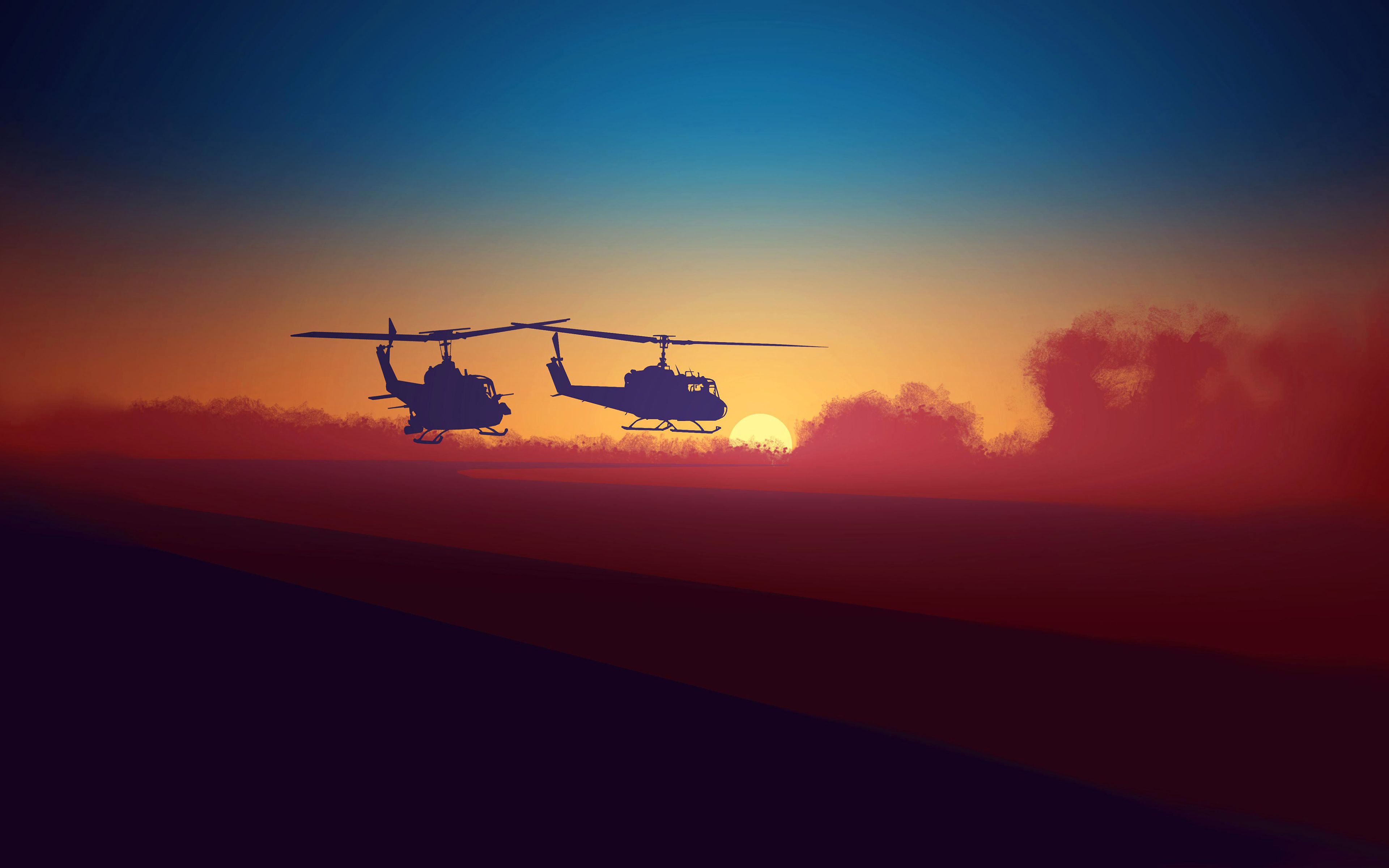
And when the moment comes, when the chopper unleashes its fury, the battlefield is transformed into a theater of chaos and destruction. The ground trembles beneath the impact of its weapons, the air is filled with the screams of engines and the thunder of explosions, and the enemy is left scrambling for cover, their plans in ruins and their confidence shattered. These are not just helicopters; they are the harbingers of doom, the instruments of a new era of warfare where power and precision reign supreme.
The Pilots: Masters of the Sky, Architects of Victory
Behind every military chopper is a pilot, a human being whose skill and courage elevate these machines from mere tools to instruments of destiny. These are not ordinary aviators; they are the elite, the cream of the crop, trained to the limits of human endurance and beyond. Theirs is a world of split-second decisions, where a single mistake can mean the difference between life and death, victory and defeat.
The training regimen is brutal, a crucible of fire that forges pilots into the warriors they need to be. From the basics of flight to the complexities of combat tactics, every aspect of their education is designed to push them to the edge of their abilities. They learn to fly in the dead of night, to navigate through storms, and to engage enemies in the most chaotic of environments. They are taught to trust their instincts, to rely on their machines, and to never, ever hesitate when the moment of truth arrives.
The cockpit is their kingdom, a sanctuary of technology where they become one with their machines. Here, they are not just pilots; they are tacticians, strategists, and warriors all rolled into one. They plan missions with the precision of a chess grandmaster, adapting on the fly to the ever-changing dynamics of the battlefield. They communicate with ground forces, coordinate with other aircraft, and make split-second decisions that can alter the course of history. In their hands, a military chopper is not just a machine; it is an extension of their will, a tool of their trade, and a weapon of their choosing.
But it is not just skill that defines these pilots; it is courage. The battlefield is a place of chaos and danger, where the line between life and death is as thin as a razor’s edge. Pilots face enemy fire, mechanical failures, and the ever-present threat of capture or death. They fly into the heart of storms, into the teeth of enemy defenses, and into the unknown, driven by a sense of duty and a desire to protect their comrades. Theirs is a burden that few can bear, a responsibility that weighs heavily on their shoulders. Yet, they press on, driven by the unshakable belief that their mission is just, their cause is noble, and their machines are invincible.
The bond between pilot and chopper is sacred, a covenant forged in the fires of combat. They trust each other implicitly, knowing that their lives depend on the other’s skill and judgment. The chopper responds to the pilot’s touch, its every movement a reflection of the pilot’s will. In return, the pilot trusts the chopper to carry them through the storm, to protect them from harm, and to bring them home alive. It is a partnership that transcends the boundaries of human and machine, a union of purpose and passion that defines the very essence of aerial warfare.