The hydraulic clutch system in a custom chopper isn’t just a mechanical necessity—it’s a symphony of precision, where air bubbles are the uninvited guests that disrupt the harmony. For riders who demand flawless engagement, bleeding the clutch isn’t merely maintenance; it’s a ritual of restoring purity to the system’s lifeblood. The telltale signs—spongy pedals, erratic disengagement, or a pedal that sinks to the floor—aren’t just annoyances; they’re cries for intervention. But why does this ritual hold such fascination for chopper enthusiasts? Perhaps it’s the blend of tactile satisfaction and the deeper understanding that every drop of fluid, every turn of the bleeder screw, is a step closer to perfection.
The Anatomy of a Hydraulic Clutch: Where the Magic Happens
A hydraulic clutch system is a marvel of engineering, where fluid dynamics replace the brute force of a cable. At its core, the master cylinder converts pedal pressure into hydraulic pressure, which travels through a line to the slave cylinder. This pressure forces the slave cylinder’s piston to push the clutch fork, disengaging the clutch disc from the flywheel. The beauty lies in its simplicity: no cables to stretch, no adjustments to make—just a closed loop of fluid under pressure. Yet, this elegance is fragile. Introduce air, and the system becomes a traitor, betraying the rider with hesitation and uncertainty.
The master cylinder’s reservoir, often overlooked, is the guardian of this system. It ensures the clutch line remains primed with fluid, preventing air from creeping in. But when the reservoir runs dry or the line develops a leak, the stage is set for chaos. The clutch pedal’s resistance fades, and the once-smooth engagement becomes a gamble. For the chopper builder, understanding this anatomy isn’t just about fixing a problem—it’s about mastering the language of the machine.
Spotting the Saboteurs: Air in the System
Air in the hydraulic clutch is the silent saboteur, the phantom that turns a precision instrument into a temperamental beast. The symptoms are unmistakable: a pedal that feels like it’s filled with helium, a clutch that slips when it should hold, or a release that’s more of a suggestion than a command. But how does air infiltrate this closed system? Often, it’s during routine maintenance—when the clutch line is disconnected, the fluid is topped off, or the master cylinder is replaced. Even the smallest bubble, invisible to the naked eye, can wreak havoc.
There’s a poetic irony here. The very fluid that enables the clutch’s operation is also its Achilles’ heel. Hydraulic fluid is hygroscopic, meaning it absorbs moisture from the air. Over time, this moisture can turn to vapor, creating microscopic bubbles that expand under pressure. The result? A system that behaves like it’s half-empty, even when it’s not. For the chopper rider, this isn’t just a mechanical issue—it’s a lesson in the fragility of perfection.
The Bleeding Ritual: A Step-by-Step Exorcism of Air
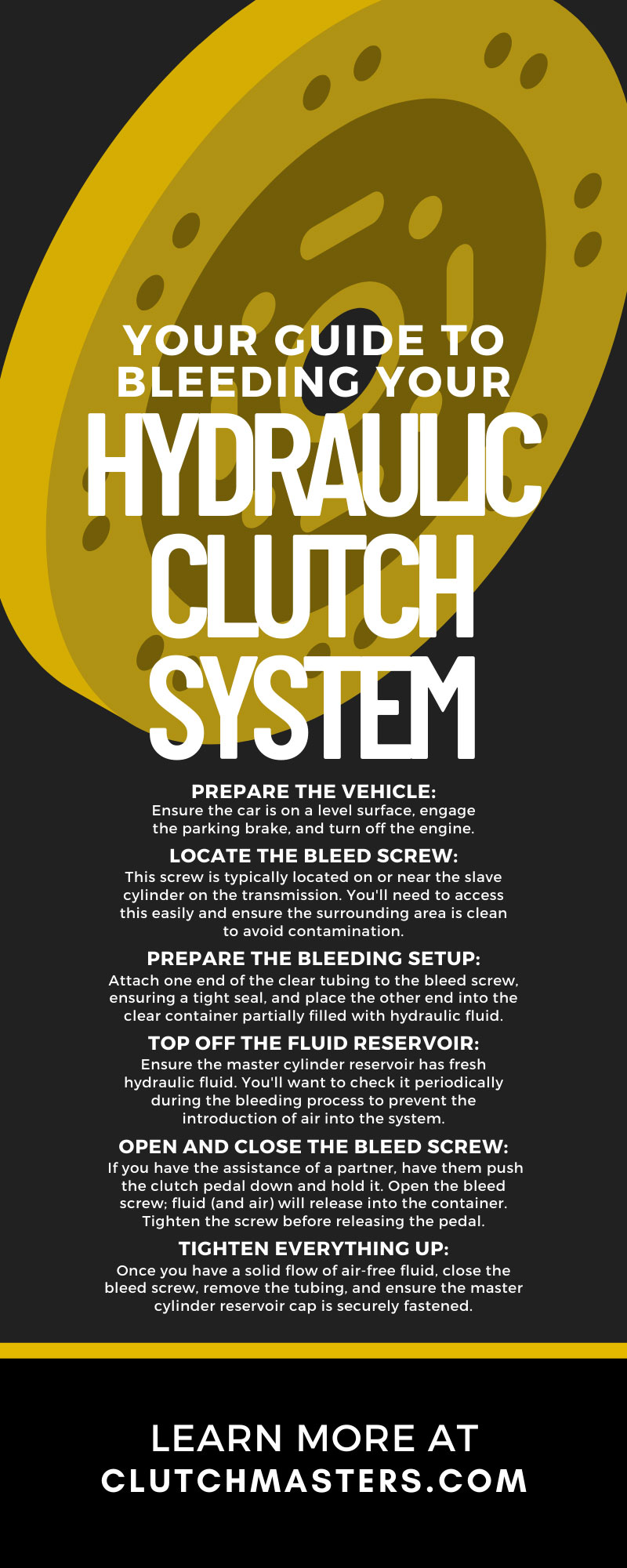
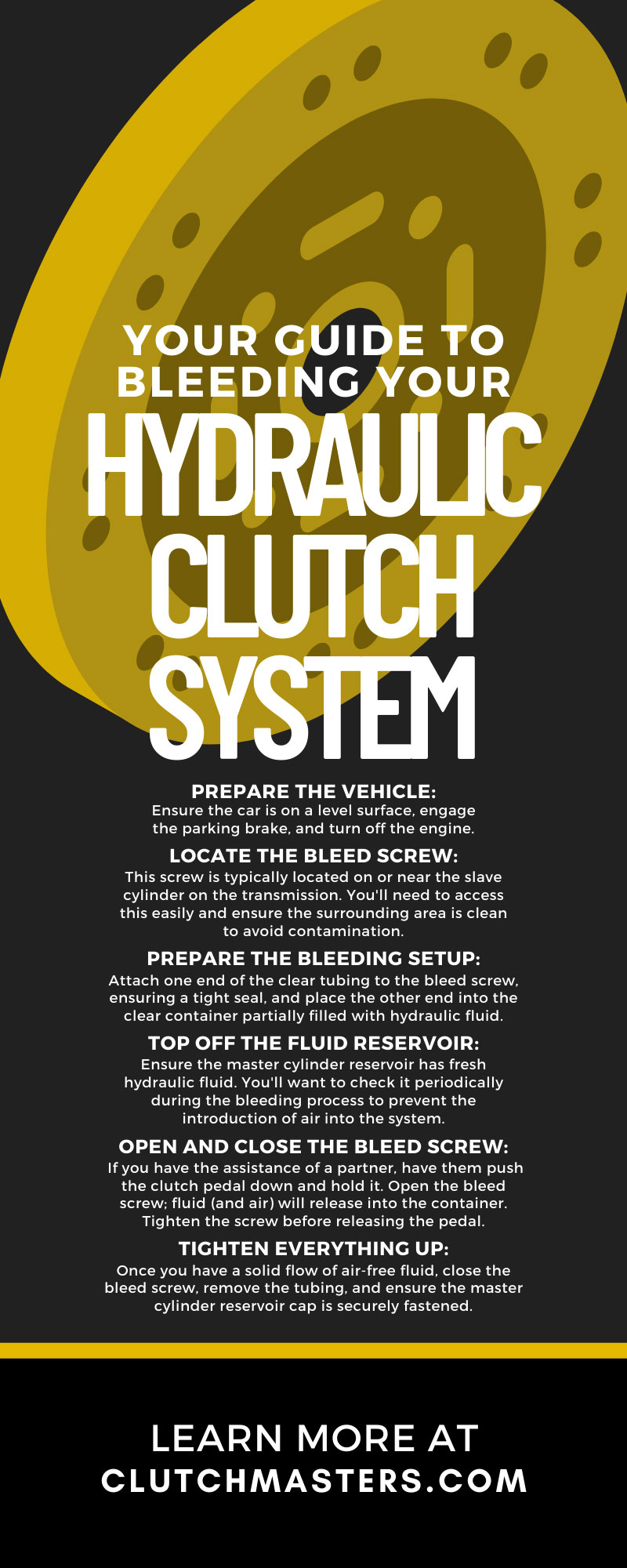
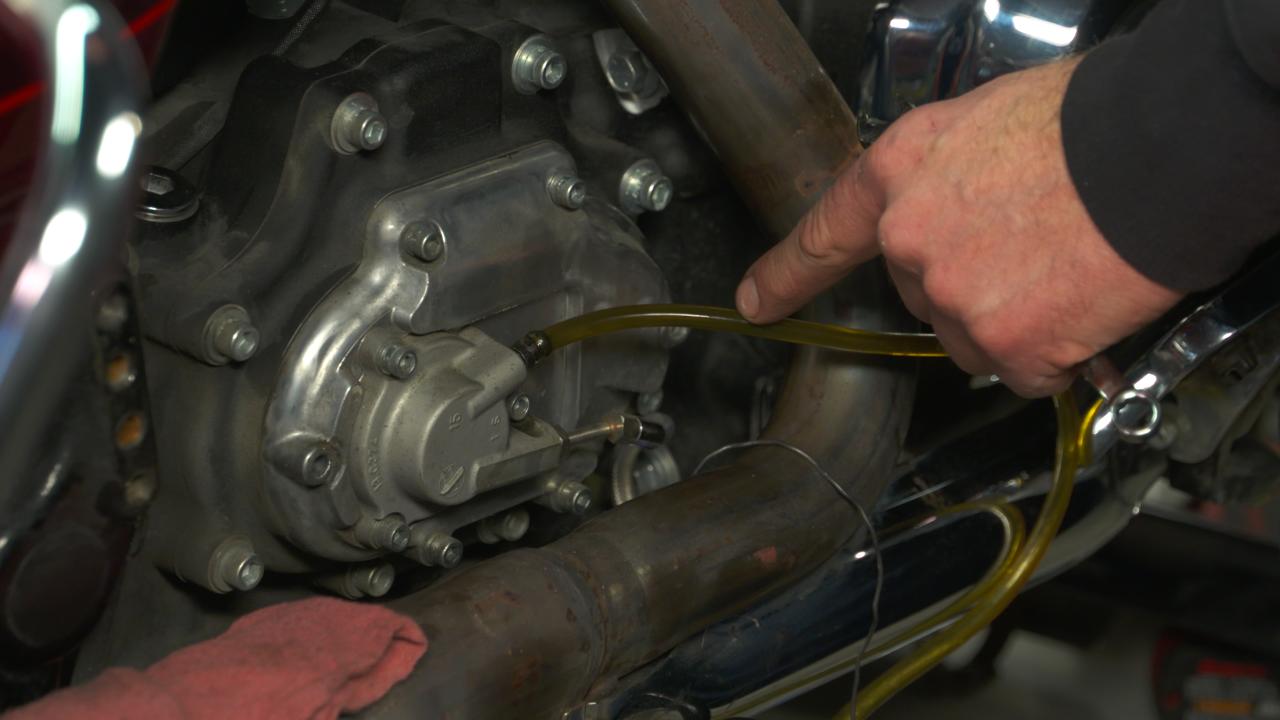
Bleeding the hydraulic clutch is less a task and more a rite of passage for the chopper enthusiast. It begins with preparation: gathering the tools—a wrench, a length of clear tubing, a catch bottle, and fresh hydraulic fluid. The process is methodical, almost meditative. First, the reservoir is filled to the brim, ensuring no air can sneak in during the procedure. Then, the bleeder screw on the slave cylinder is loosened, allowing fluid—and air—to escape. The key here is patience. Fluid must be pumped through the system until the stream runs clear, a sign that the air has been purged.
But here’s where the ritual takes on a deeper meaning. The act of bleeding isn’t just about removing air; it’s about reaffirming control. Each squeeze of the pedal, each turn of the wrench, is a dialogue with the machine. The rider isn’t just fixing a problem—they’re restoring order, ensuring that the clutch responds with the precision it was designed for. And when the pedal finally regains its firmness, it’s a moment of triumph, a testament to the rider’s skill and the machine’s resilience.
Choosing the Right Fluid: The Unsung Hero of Smooth Engagement
Not all hydraulic fluids are created equal, and for a custom chopper, the choice isn’t just about compatibility—it’s about performance. DOT 3, DOT 4, or DOT 5.1? The debate rages on, but the answer lies in the system’s specifications. DOT 3 is the most common, affordable, and widely available, but it’s also hygroscopic, meaning it absorbs moisture over time. DOT 4 offers higher boiling points and better performance under heat, making it ideal for high-performance applications. DOT 5.1, while not silicone-based like DOT 5, provides the highest boiling point and is often used in racing clutches.
The choice of fluid isn’t just a technical decision—it’s a statement. A chopper built for cruising might thrive with DOT 3, but a machine designed for spirited riding demands the resilience of DOT 4 or 5.1. And then there’s the matter of viscosity. Thinner fluids flow more easily, reducing pedal effort, but they may not provide the same level of lubrication. Thicker fluids, on the other hand, offer better protection but can make the pedal feel heavier. It’s a balancing act, one that requires a deep understanding of the machine’s purpose and the rider’s expectations.
Common Pitfalls and How to Avoid Them
Even the most seasoned chopper builders can stumble during the bleeding process. One of the most frequent mistakes is allowing the reservoir to run dry. When this happens, air is sucked into the system, undoing all the hard work. The solution? Keep the reservoir topped off at all times, and never let it dip below the halfway mark. Another pitfall is using the wrong type of fluid. Mixing DOT 3 with DOT 5, for example, can cause the system to swell or fail entirely. Always check the manufacturer’s recommendations before pouring in a new batch.
Then there’s the issue of over-tightening the bleeder screw. The aluminum fittings on most slave cylinders are delicate, and a single overtightened screw can strip the threads, leading to a costly repair. The key is to tighten just enough to create a seal—no more, no less. And let’s not forget the importance of using clear tubing. Without it, you can’t see the air bubbles as they escape, turning the bleeding process into a guessing game. Clear tubing isn’t just a tool; it’s a window into the system’s soul.
The Deeper Fascination: Why We Obsess Over Hydraulic Clutches
There’s something almost spiritual about the hydraulic clutch. It’s not just a component; it’s a testament to human ingenuity, a marriage of physics and craftsmanship. The way it translates the rider’s intent into motion with such precision is awe-inspiring. But beyond the mechanics, there’s a deeper fascination—a recognition that this system is a microcosm of the chopper itself. A well-built machine is more than the sum of its parts; it’s a reflection of the builder’s passion, patience, and attention to detail.
For the chopper enthusiast, bleeding the clutch isn’t just maintenance; it’s a ritual of connection. It’s a way to commune with the machine, to understand its nuances, and to ensure that every ride is as smooth as the day it rolled off the assembly line. And when the pedal finally feels just right, when the clutch engages with the crispness of a well-tuned instrument, it’s a moment of pure satisfaction. It’s the kind of satisfaction that keeps riders coming back, not just for the thrill of the ride, but for the love of the machine.