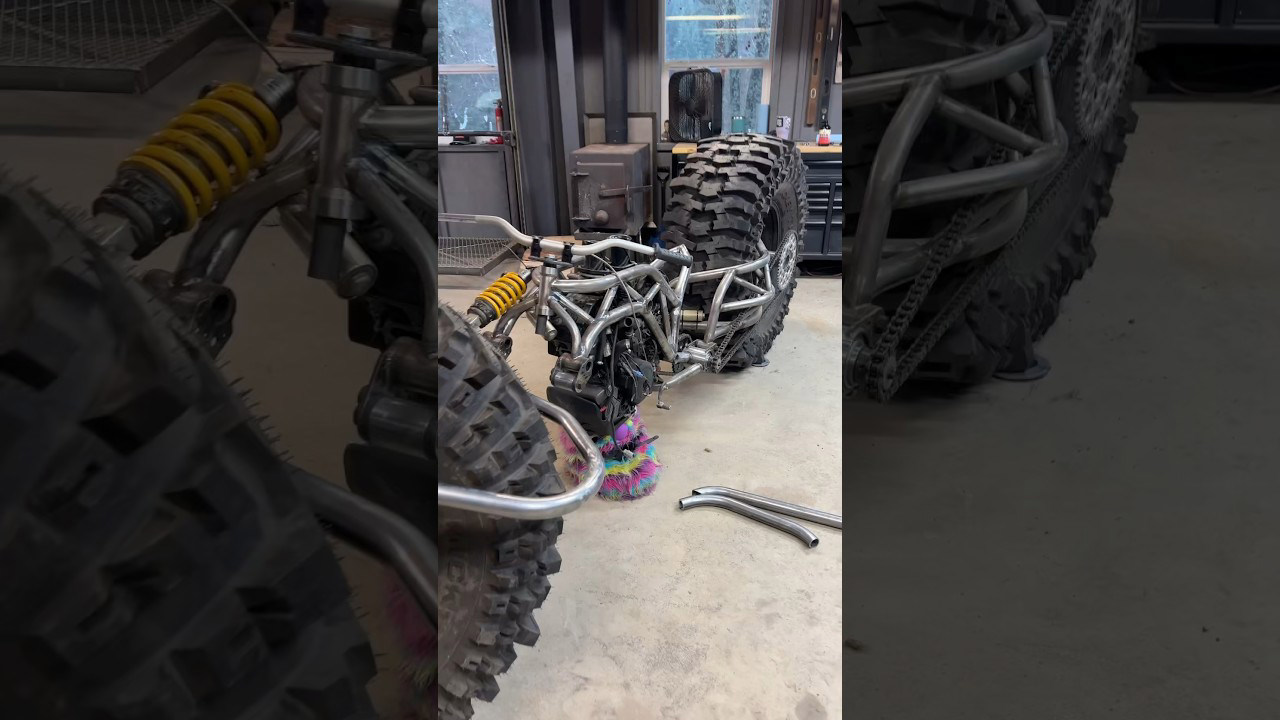
There’s a moment, when the wrench slips for the third time in an hour, when the dream of a custom chopper feels less like liberation and more like a slow-motion descent into mechanical madness. You’ve stared at blueprints until your eyes blur. You’ve watched every YouTube tutorial twice. You’ve even whispered to the engine block like it’s a stubborn old friend. And yet, here you are—still $4,987 away from the bike of your dreams, with a credit card that’s seen better days and a garage that smells faintly of regret and motor oil.
The Myth of the $5,000 Chopper: Why It’s Not Impossible—It’s Inevitable
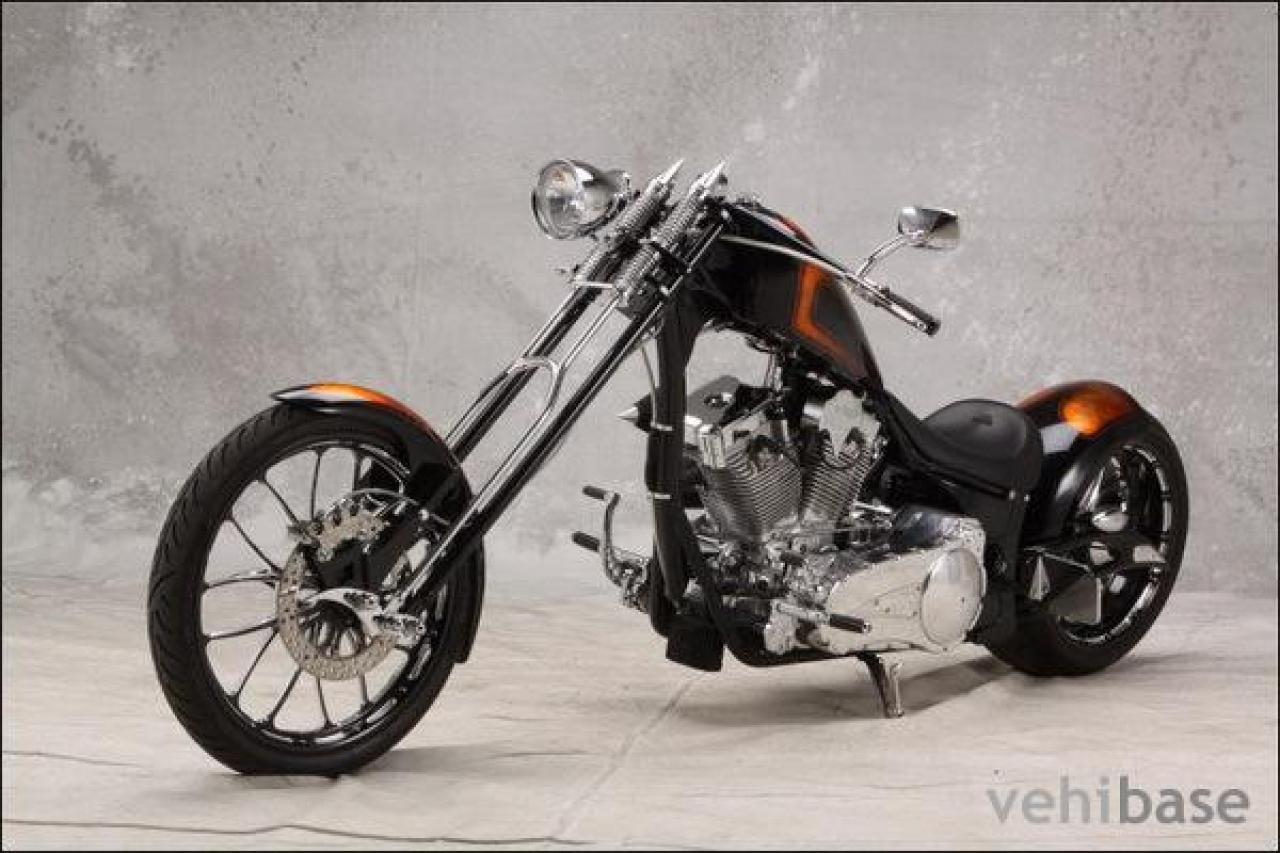
Let’s shatter one illusion right now: building a chopper for $5,000 isn’t a compromise. It’s a revolution. It’s the art of turning scarcity into ingenuity, of transforming a pile of rusted steel and borrowed dreams into a machine that doesn’t just run—it roars with personality. This isn’t about cutting corners. It’s about sharpening your vision. The $5,000 chopper isn’t a poor man’s Harley. It’s a statement: I build what I ride, and I ride what I build.
Every bolt, every weld, every midnight spent sanding down a frame is a declaration of independence. The motorcycle industry thrives on exclusivity, on price tags that scream “elite” while quietly whispering “exploitative.” But you? You’re rewriting the rules. You’re proving that greatness doesn’t need a six-figure budget—it needs a six-figure mindset.
Deconstructing the Dream: What a $5,000 Chopper Actually Looks Like
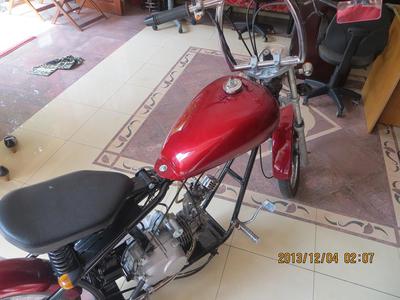
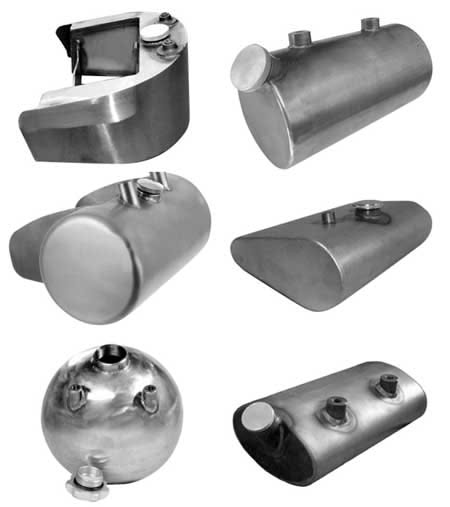
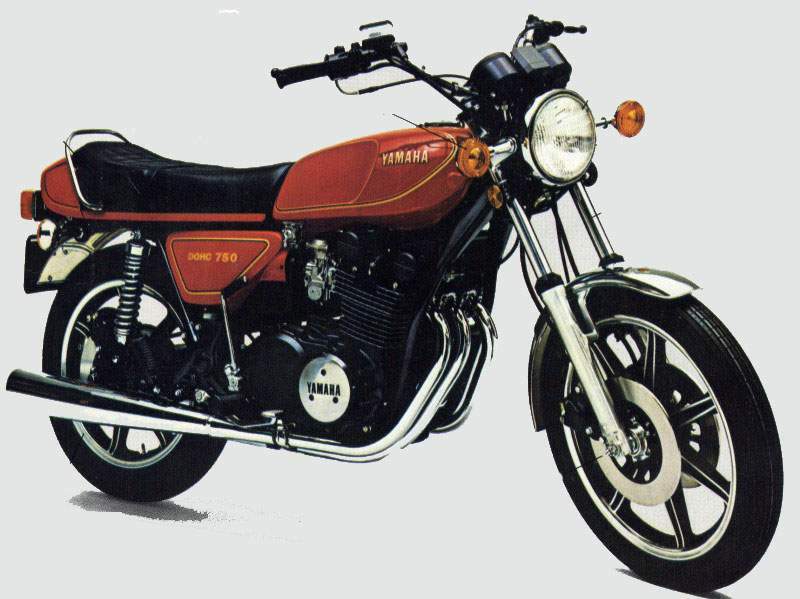
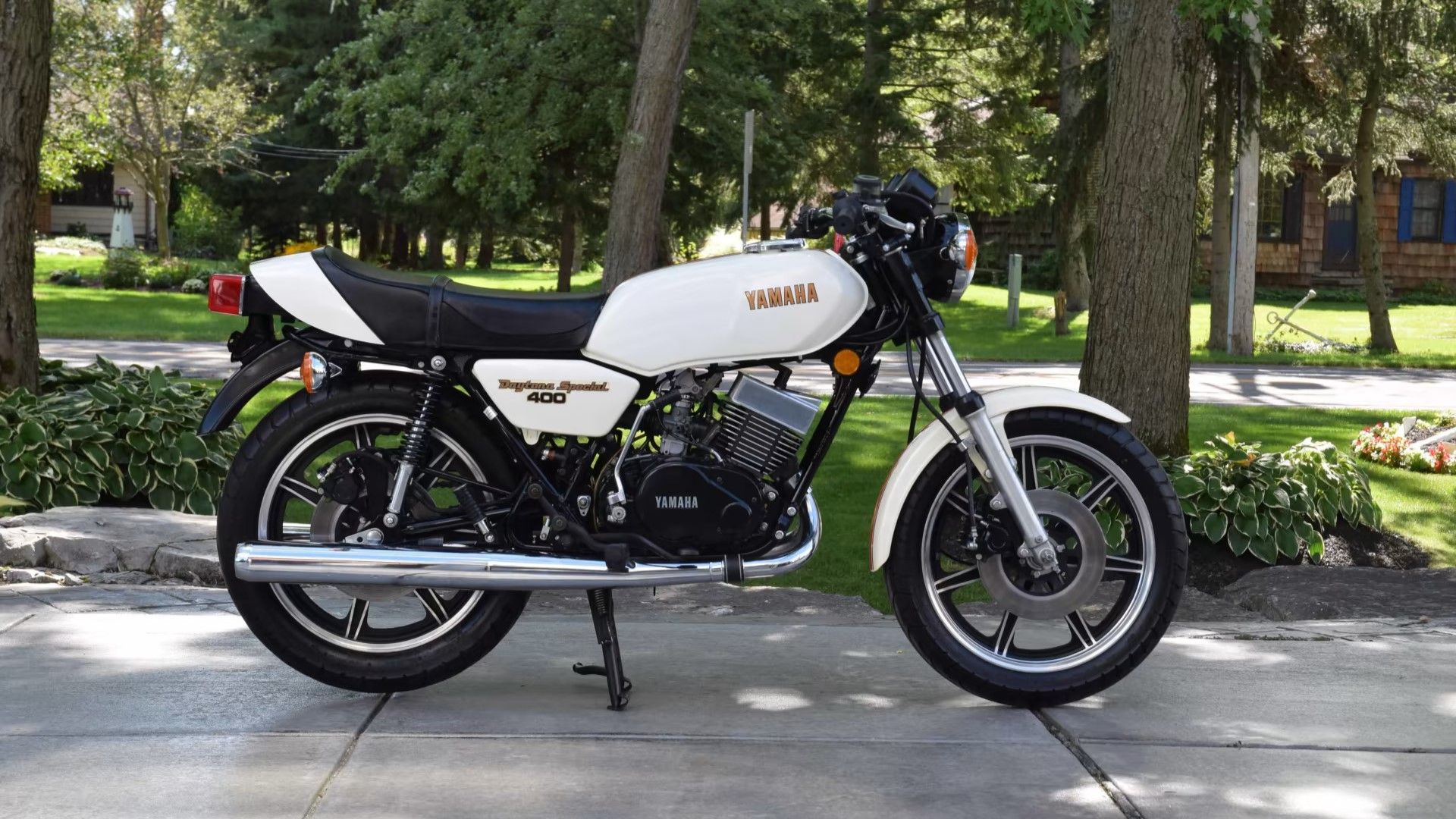
Forget the polished chrome and the leather seats that cost more than your first car. A $5,000 chopper isn’t a replica of a Hollywood bike. It’s a Frankenstein’s monster of parts—some salvaged, some swapped, all stitched together with duct tape and stubbornness. It might have a 1978 Honda CB750 engine dropped into a 1950s Triumph frame. It might wear a gas tank from a lawnmower and handlebars bent by your own two hands. And yes, it might leak oil in the driveway. But it will run. And it will turn heads—not because it’s perfect, but because it’s yours.
Think of it like a jazz improvisation. You start with a basic structure—a donor bike, a frame, a dream—and then you riff. Maybe you swap the stock seat for a vintage-style saddle you found at a flea market. Maybe you weld on a set of ape hangers you fabricated from plumbing pipes. The key isn’t precision. It’s passion. And in the world of chopper building, passion is the most expensive currency of all.
The Art of the Scavenger Hunt: Where to Find Parts Without Selling a Kidney
Your first stop? The internet’s digital flea market. Facebook Marketplace, Craigslist, eBay—these aren’t just platforms. They’re treasure troves. Look for listings with keywords like “project bike,” “needs work,” or “for parts not running.” Ignore the polished listings. Hunt the desperate ones. A seller who’s moving across the country in a week? A mechanic clearing out a garage? Those are your people.
But don’t stop online. The real magic happens in junkyards, scrapyards, and the back rooms of motorcycle shops where the owner keeps a “spare parts” bin for $5 a pop. Learn to speak the language of mechanics: “Do you have any old forks? Any rusted frames? Any engines that just need a jump to cough to life?” You’ll be surprised how often the answer is yes.
And then there’s the barter economy. Trade skills, not cash. Know how to rebuild a carburetor? Offer to do it for a friend in exchange for a set of wheels. Can you weld? Trade your time for a sissy bar. The $5,000 chopper isn’t just built with money. It’s built with connections, favors, and the quiet understanding that everyone has something to offer—if you’re willing to ask.
Welding, Wiring, and Worrying: The Unsexy Side of Chopper Building
Here’s the truth no one tells you: most of building a chopper isn’t glamorous. It’s not the gleaming chrome or the polished tank. It’s the hours hunched over a wiring diagram that looks like a subway map of Tokyo. It’s the frustration of a fuel line that leaks like a sieve. It’s the moment you realize the frame you just cut is three inches too short. It’s the sweat, the cursing, the occasional silent scream into a rag.
But here’s the secret: every mistake is a lesson. Every misaligned weld teaches you patience. Every blown fuse teaches you humility. And every time you fix something you thought was broken forever? That’s the closest thing to magic you’ll ever feel on two wheels.
Invest in a decent welder. Learn to read a wiring schematic. Buy a multimeter. And for the love of all that’s holy, label your wires. There’s nothing worse than tracing a circuit at midnight with a flashlight in your mouth, cursing the ghost who wired your bike in the dark.
The Engine: The Heart of the Beast (And How to Keep It Beating)
The engine is the soul of your chopper. It’s the roar that wakes the neighbors. It’s the vibration that rattles your teeth. And in a $5,000 build, it’s often the most expensive single component. But here’s the good news: you don’t need a brand-new V-twin to make it sing. You need a running engine. Any running engine.
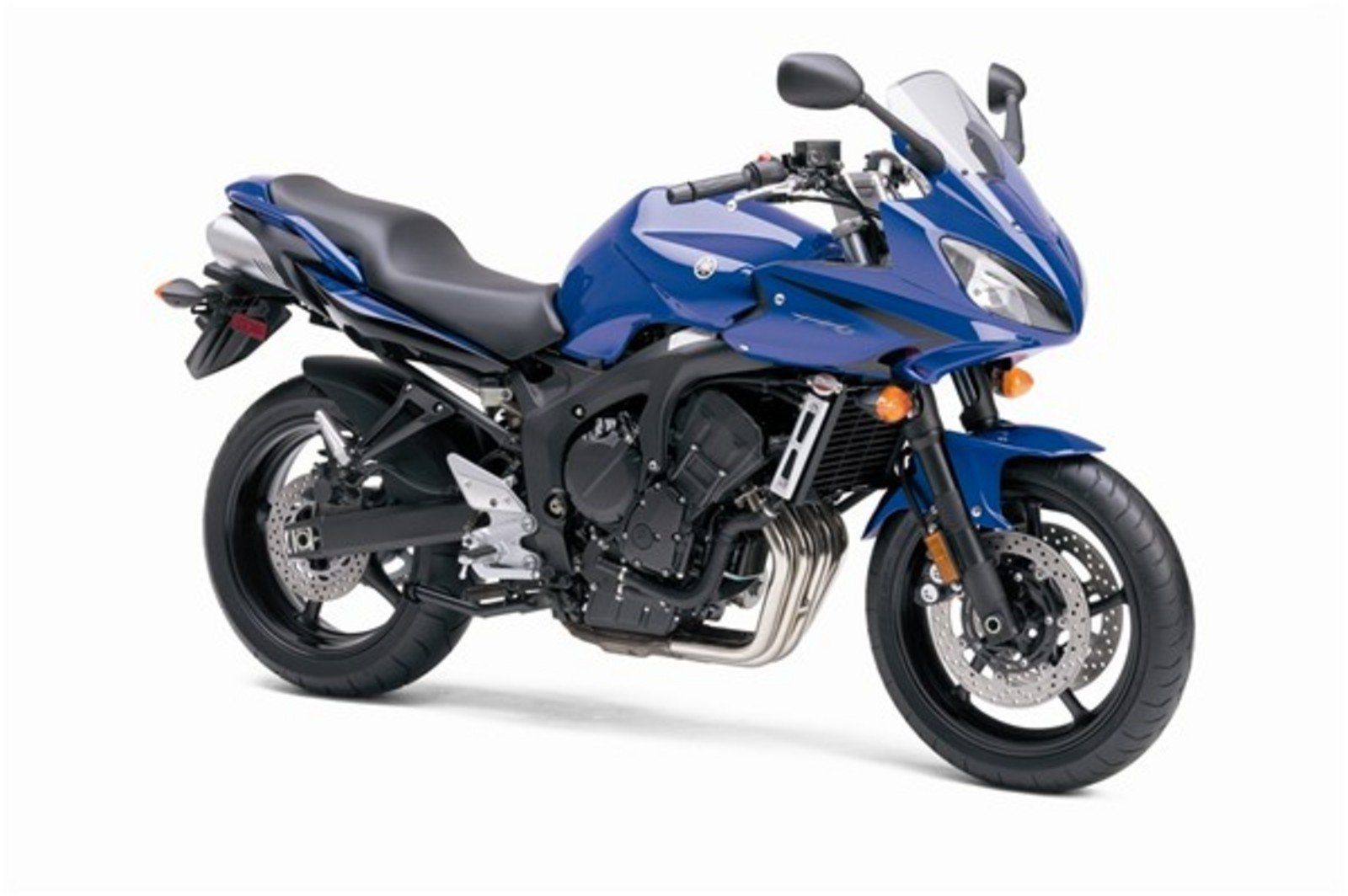
Start with a donor bike—a Honda CB750, a Suzuki GSXR, even an old dirt bike. Strip it down. Clean it. Rebuild the top end. Replace the gaskets. Change the oil. And then, if you’re feeling bold, give it a little extra love: port the heads, upgrade the camshaft, or slap on a set of high-performance exhaust headers. You won’t get a Ducati-level power band, but you’ll get something far more valuable: a bike that purrs like a kitten and roars like a lion when you twist the throttle.
And if the engine’s beyond saving? Don’t panic. Salvage yards are littered with discarded powerplants waiting for a second chance. A $200 engine from a junkyard can become the heart of a $5,000 dream—if you’re willing to put in the work.
The Frame: Where Geometry Meets Madness
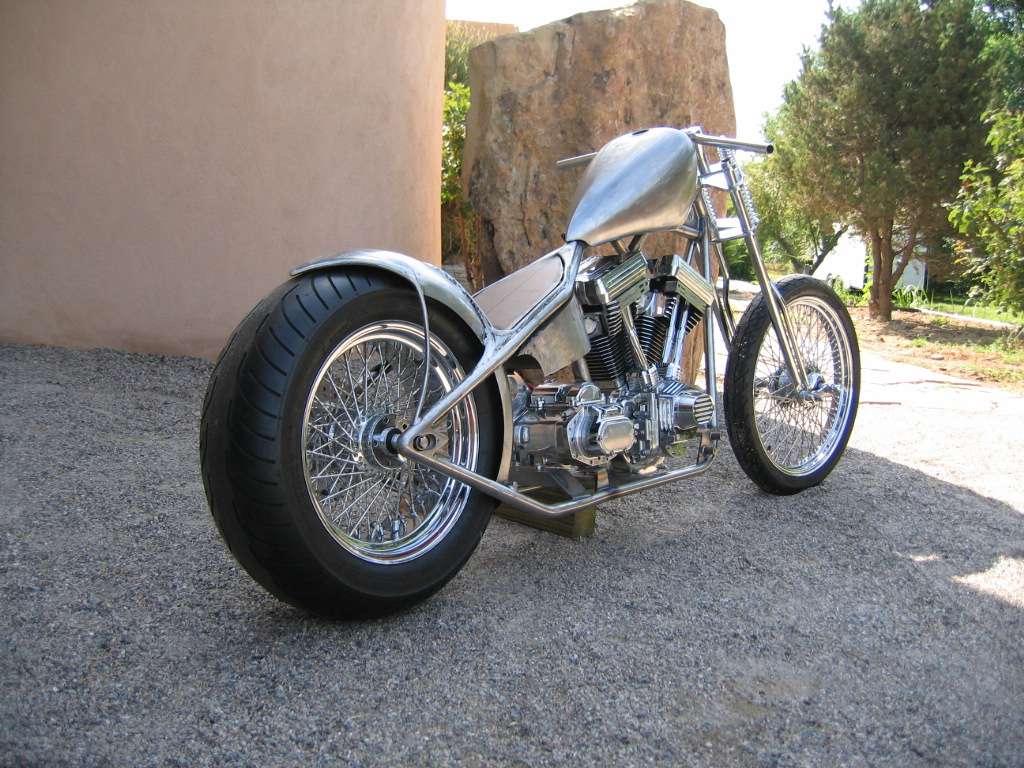
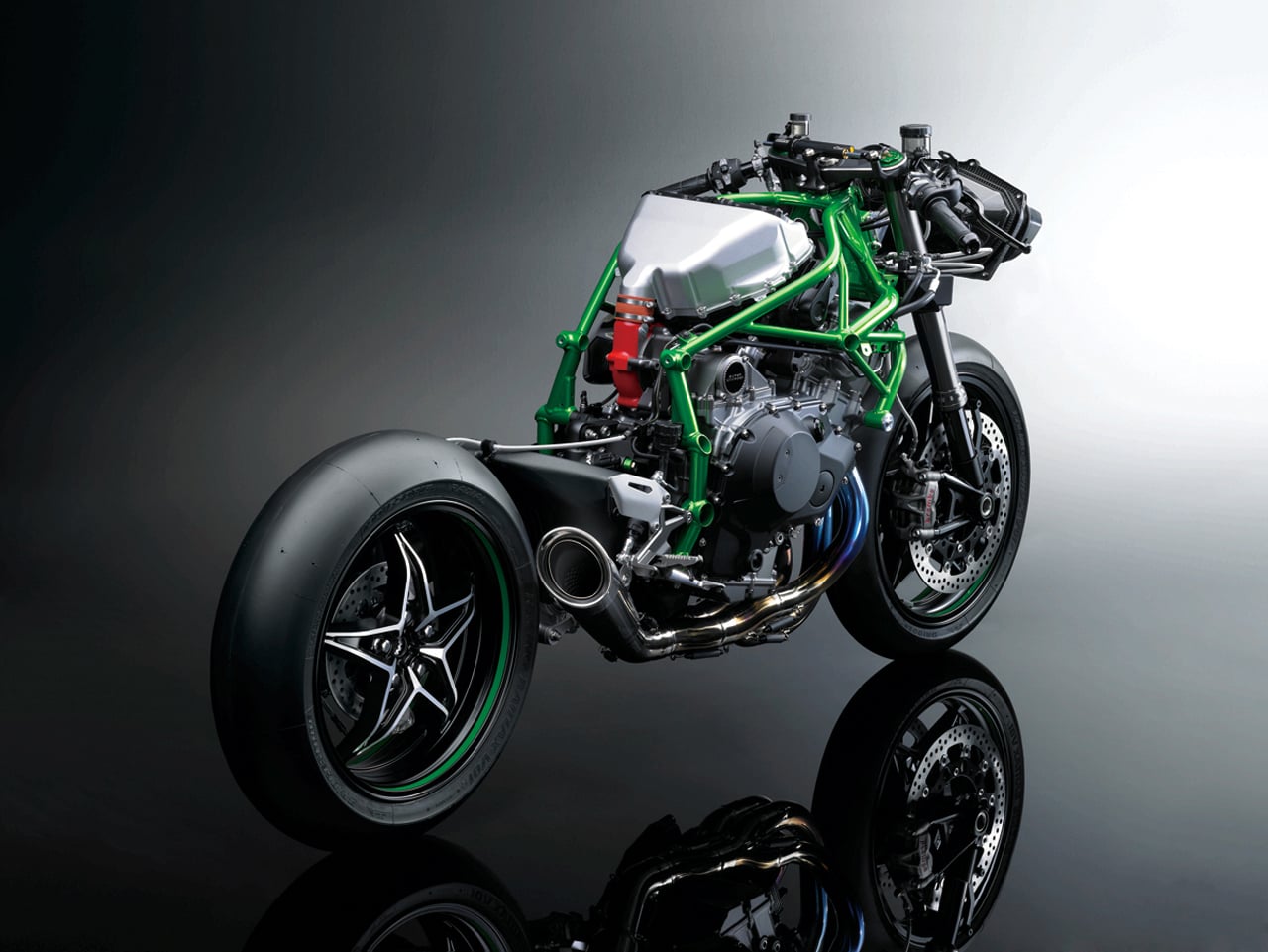
The frame is the skeleton of your chopper. It’s the line that defines the bike’s character. A stretched-out hardtail frame gives that classic chopper stance. A rigid frame offers simplicity and soul. But here’s the catch: frames are expensive. A new one can cost more than your entire budget.
So you improvise. You scour junkyards for steel tubing. You visit a local metal fabricator and ask for a custom bend. You even consider using the frame from a donor bike—if you’re willing to live with its geometry. And if all else fails? You grab a hacksaw and a welder and make your own. It won’t be perfect. It might not even be pretty. But it will be yours.
Remember: the frame isn’t just a structure. It’s a statement. It’s the difference between a bike that looks like it belongs in a museum and a bike that looks like it belongs on the open road—dented, dirty, and defiantly alive.
The Finishing Touches: When the Bike Stops Being a Project and Starts Being a Legend
This is where the magic happens. This is where the bike stops being a pile of parts and starts being a machine with a soul. The paint job doesn’t have to be flawless. A hand-brushed coat of matte black with a single stripe of neon orange? That’s not a mistake. That’s a signature. The seat doesn’t need to be leather. A vintage-style saddle from a thrift store, reupholstered in your favorite fabric? That’s not cheap. That’s creative.
And the details? The devil’s in them. A set of custom footpegs. A tiny skull-shaped mirror. A license plate that reads “CHOPPER” in bold, defiant letters. These aren’t just accessories. They’re the fingerprints of the builder. They’re the reason your bike will turn heads not because it’s expensive, but because it’s unmistakably yours.
The First Ride: When the Dream Becomes Reality
There comes a moment—usually at 3 AM, usually after a week of sleepless nights—when you finally slide onto the seat, turn the key, and feel the engine rumble to life. The bike might shake. It might sputter. It might sound like a lawnmower with a grudge. But it runs. And when you ease out of the driveway, the wind in your face, the road stretching ahead of you, something shifts.
This isn’t just a motorcycle. It’s a rebellion. It’s a declaration. It’s proof that with enough grit, enough creativity, and a little bit of madness, you can build something extraordinary—even on a shoestring budget. The $5,000 chopper isn’t a compromise. It’s a manifesto. And the open road? It’s waiting.