There’s something undeniably magnetic about a custom chopper—its gleaming chrome, its low-slung silhouette, the way it commands attention as it rumbles past. Yet, beneath the surface allure lies a harsh reality: these meticulously crafted machines often stumble at the final hurdle, failing inspection not because of mechanical failure, but because of overlooked details. Nowhere is this more evident than in the realm of lighting. What seems like a minor oversight—a dim bulb, a misaligned beam—can unravel months of labor, turning a masterpiece into a roadside cautionary tale. The reasons run deeper than mere aesthetics; they reveal a tension between artistry and regulation, between the freedom of the open road and the rigid demands of compliance. Let’s illuminate the most common pitfalls and uncover why they resonate so deeply with riders and inspectors alike.
The Peril of Dim or Flickering Headlights: When Shadows Betray the Ride
A chopper’s headlights are its eyes—piercing the darkness, signaling intent, and defining presence. Yet, all too often, these vital organs fail inspection due to a simple yet devastating flaw: dimness or flicker. This isn’t merely an aesthetic issue; it’s a safety hazard that transforms a ride from a statement into a liability. The culprits? Corroded wiring, aging bulbs, or aftermarket setups that prioritize style over function. Even a slight dimming can reduce visibility by up to 30%, turning a nighttime cruise into a gamble with fate. The deeper irony? Many riders invest fortunes in custom paint jobs and exhaust systems while neglecting the most critical component of all—the very thing that keeps them visible to others. It’s a reminder that true craftsmanship demands attention to every detail, no matter how unglamorous.

Misaligned or Crooked Headlight Beams: The Illusion of Precision
There’s a certain poetry in the way a chopper’s headlight beam cuts through the night—a laser-straight path that seems to defy gravity. But when that beam wavers, tilts, or scatters haphazardly, it’s not just an inspection failure; it’s a betrayal of the machine’s soul. Misalignment often stems from improper mounting, aftermarket modifications, or even the subtle shifts that occur over time as suspension components wear. The result? A beam that either blinds oncoming traffic or fails to illuminate the road ahead, rendering the chopper both dangerous and non-compliant. Worse still, it undermines the rider’s confidence, turning every ride into a test of faith in their own machine. The lesson here is clear: precision isn’t just about how a chopper looks—it’s about how it functions, and no amount of aesthetic flair can compensate for a beam that’s lost its way.
Non-Compliant or Missing Turn Signals: The Silent Betrayal of Intent
Turn signals are the chopper’s voice—they communicate direction, intent, and presence without a word. Yet, all too often, these critical components are either missing, damaged, or non-compliant with regulations. Whether it’s a rider who prioritizes minimalism over functionality or an aftermarket setup that sacrifices visibility for style, the result is the same: an inspection failure that feels like a punch to the gut. The deeper issue? A chopper without proper signals isn’t just illegal; it’s a rolling hazard. Other drivers rely on these cues to anticipate movement, and when they’re absent, the consequences can be catastrophic. It’s a stark reminder that freedom on the road comes with responsibility—and that true customization isn’t just about standing out, but about ensuring everyone else can see you coming.
Brake Light Failures: The Invisible Threat of Stilled Warnings
Brake lights are the chopper’s last line of defense—a silent scream that demands attention when the rider slows or stops. Yet, they’re also one of the most commonly overlooked components during inspections. Whether it’s a burnt-out bulb, a frayed wire, or a custom setup that obscures the light, the failure is both glaring and dangerous. The irony? A chopper that looks immaculate from a distance can become a menace in traffic, its lack of brake light warnings turning every stop into a game of chance. The deeper fascination here lies in the contrast between the chopper’s bold, rebellious spirit and the mundane reality of brake light compliance. It’s a reminder that even the most radical machines must bow to the rules of the road—or risk becoming relics of their own making.
License Plate Light Deficiencies: The Forgotten Obligation
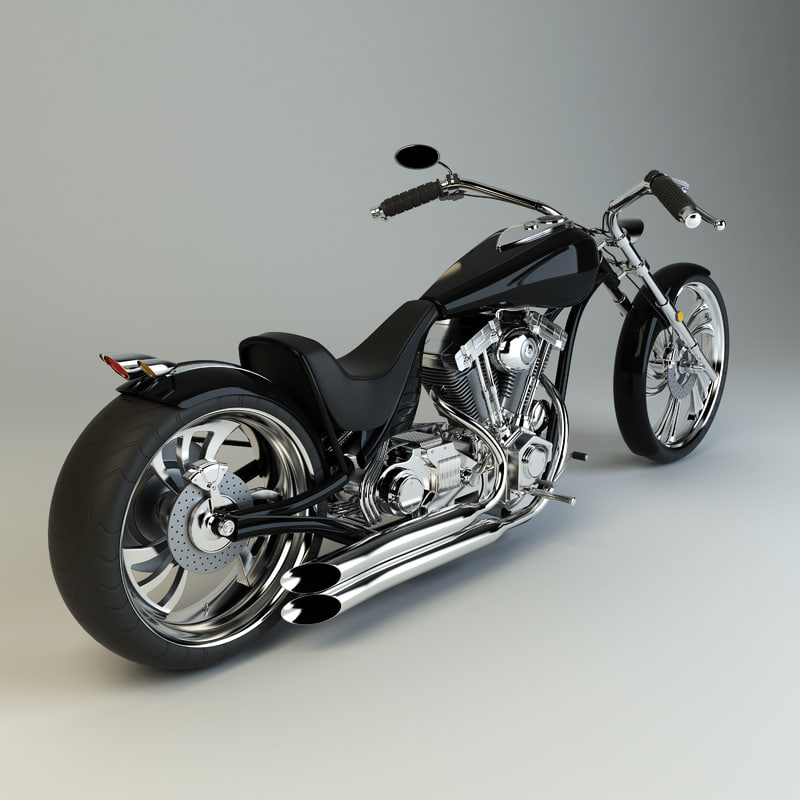
In the grand tapestry of a chopper’s lighting system, the license plate light is often the thread that goes unnoticed—until it snaps. Yet, this tiny, unassuming bulb is a legal necessity, ensuring that the chopper’s identification is visible at all times. When it fails, the consequences are immediate: an inspection failure that feels disproportionate to the oversight. The deeper issue? It reflects a broader trend in customization—where riders pour their hearts into every detail except the ones that don’t scream for attention. It’s a humbling reminder that compliance isn’t just about the big, flashy components; it’s about the small, seemingly insignificant ones that keep the machine—and its rider—legal and safe.
LED and Aftermarket Lighting Pitfalls: The Double-Edged Sword of Innovation
Aftermarket lighting offers a tantalizing promise: brighter beams, sleeker designs, and a level of customization that stock systems can’t match. But with innovation comes risk. Many riders discover too late that their cutting-edge LED setups fail inspection due to color temperature violations, improper beam patterns, or even the absence of DOT compliance markings. The irony? What was meant to elevate the chopper’s presence can instead render it unroadworthy. The deeper lesson? Innovation must be tempered with responsibility. A chopper that dazzles in a showroom can become a liability on the road if its lighting doesn’t meet the standards that keep everyone safe.
The Psychological Weight of Inspection Failures: Why It Stings So Deep
There’s a reason why inspection failures hit chopper riders harder than most. These machines are more than just vehicles; they’re extensions of identity, works of art that demand respect. When a chopper fails inspection due to a lighting issue, it’s not just a bureaucratic setback—it’s a blow to the rider’s pride, a reminder that even the most meticulous craftsmanship can be undone by a single oversight. The deeper fascination lies in the emotional investment: riders don’t just build choppers; they forge legacies. And when those legacies are called into question, the sting lingers long after the inspection is over.
Conclusion: Lighting as the Soul of Compliance
The next time you admire a custom chopper, look beyond the gleaming chrome and the thunderous exhaust. Peer into the shadows cast by its headlights, watch the flicker of its turn signals, and consider the silent scream of its brake lights. These aren’t just components; they’re the soul of the machine, the difference between a ride that thrills and one that fails. True customization isn’t about bending the rules—it’s about mastering them. And in the world of choppers, where every detail tells a story, lighting is the chapter that keeps the ride alive.