The speedometer cable in a custom chopper isn’t just a mechanical conduit—it’s the lifeline of your machine’s heartbeat, a slender serpent of steel that whispers the machine’s velocity into the rider’s soul. When it falters, the symphony of motion stutters, and the road ahead becomes a mystery wrapped in steel and rubber. But fear not, for the art of reviving this vital thread is within reach, a dance of precision and intuition that transforms a silent wire into a roaring testament to mechanical poetry.
The Anatomy of a Silent Pulse: Understanding the Speedometer Cable
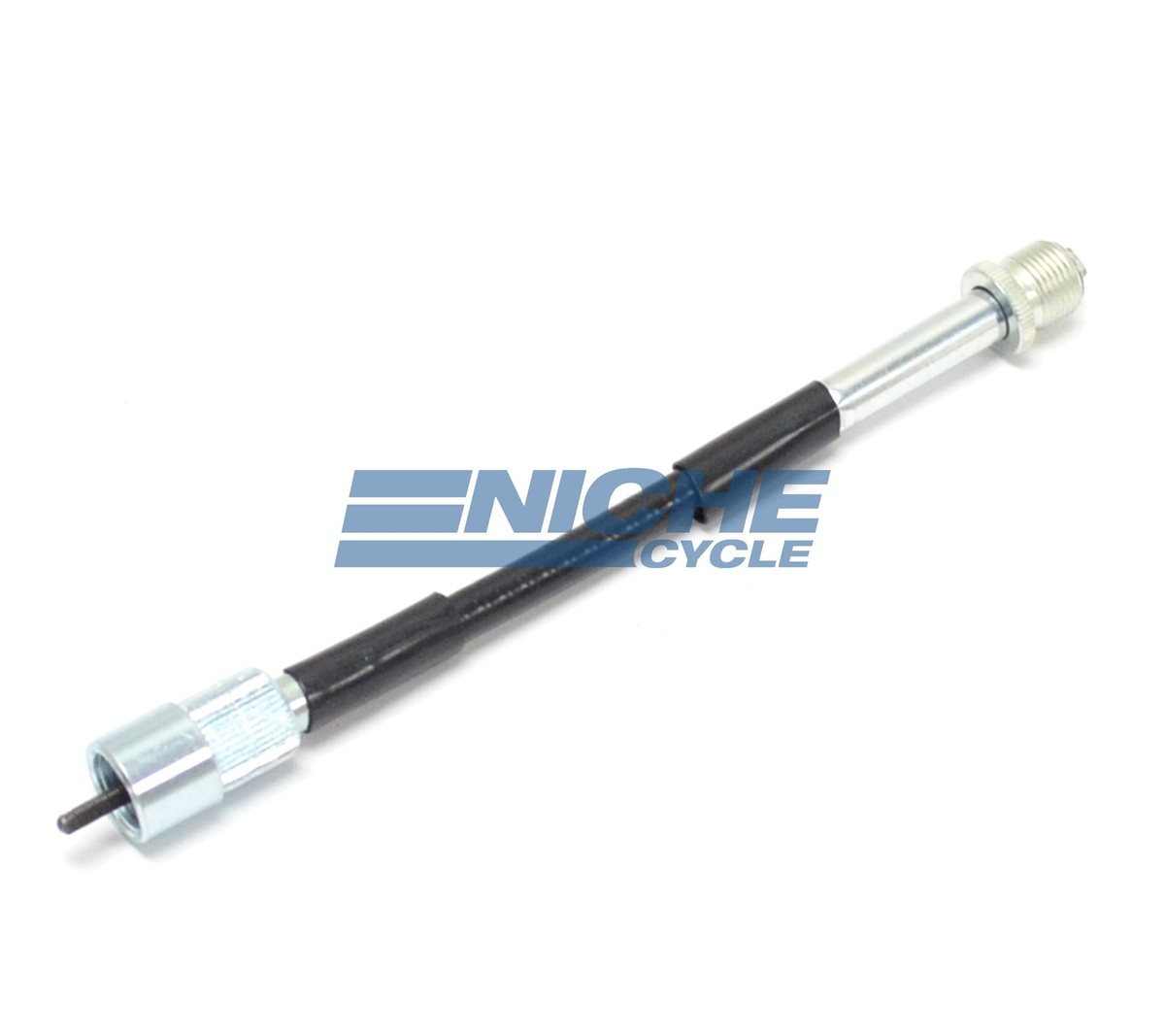
Beneath the glossy chrome and the thunderous rumble of your chopper lies a humble yet heroic component: the speedometer cable. This unassuming braid of coiled steel, encased in a flexible armor of woven wire, is the unsung messenger between your rear wheel and the gauge that chronicles your journey. Think of it as the nervous system of your machine, a delicate filament that carries the electric whispers of motion from the drivetrain to the rider’s eyes.
At its core, the cable is a marvel of simplicity—a spiraled wire that twists in direct proportion to the rotation of your wheel. This torsion is translated into a flickering needle or a digital display, a silent count of miles per hour that guides your throttle decisions. But when this cable frays, kinks, or seizes, the harmony of your ride dissolves into a discordant silence. The needle may stick, the gauge may flicker, or worse, the cable may snap entirely, leaving you navigating by instinct alone.
The Prelude to Repair: Diagnosing the Fractured Thread
Before wielding wrenches and cursing bolts, one must first diagnose the ailment. A broken speedometer cable rarely announces its demise with fanfare; instead, it often slinks away in stealth, its symptoms as subtle as a shadow creeping across the pavement. The needle may stutter like a dying metronome, or the gauge may remain stubbornly inert, a silent sentinel refusing to acknowledge the miles beneath your wheels.
Begin your investigation with a tactile test. With the ignition off, grasp the cable near the transmission and gently rotate it. Resistance should be minimal, a smooth twist like turning the pages of a well-worn novel. If it feels gritty, like sand grinding between your fingers, the cable’s inner strands may be fraying. If it refuses to budge entirely, a kink or corrosion may be seizing its spine. Listen, too, for the telltale *squeak* of a cable starving for lubrication—a sound as mournful as a desert wind.
For those with a digital gauge, the diagnostic dance is simpler. A flickering display or an error code flashing like a distress signal is your cue to investigate the cable’s integrity. Remember, the speedometer is not merely a gauge; it is a storyteller, and a broken cable is a chapter left unfinished.
The Ritual of Replacement: A Choreography of Precision
Once the diagnosis is confirmed, the ritual of replacement begins—a ballet of patience and persistence. The first act is disassembly, a careful unraveling of the old cable from its housing. This is not a task for brute force; the cable is a delicate thing, and its armor is easily crushed. Use a pair of needle-nose pliers to gently coax the cable free, avoiding the temptation to yank it like a stubborn weed from the earth.
With the old cable extracted, the stage is set for its successor. Before installation, anoint the new cable with a whisper of lubricant—a silicone-based grease or a dedicated cable lube—to ensure its future movements are as fluid as a river carving through stone. Slide the cable into its housing, guiding it with the tenderness of a lover’s touch. The transmission end must be secured with a ferrule or a set screw, a union as unbreakable as the bond between rider and machine.
At the gauge end, the cable must be threaded with care. Some gauges feature a threaded nut, while others rely on a simple push-fit. Whichever your chopper demands, ensure the connection is snug but not suffocating—a handshake, not a stranglehold. Once in place, test the cable’s freedom by rotating the wheel and watching the needle dance in response. If it moves with the grace of a ballerina, you’ve succeeded. If not, retrace your steps, for the devil lurks in the details.
The Lubricant’s Embrace: A Chore of Silken Smoothness
A speedometer cable is not a static thing; it is a living, breathing entity, its steel strands flexing and twisting with every mile. To keep it supple, it must be bathed in the elixir of lubrication—a ritual as essential as oiling a revolver before a duel. Over time, the grease within the cable’s armor degrades, leaving the strands to chafe and fray like old lovers bickering in a dimly lit room.
To rejuvenate your cable, disassemble it from the chopper (if possible) and inject a fresh dose of lubricant into its housing. A cable lube gun or a simple syringe will suffice, delivering the golden nectar directly to the heart of the beast. Work the cable back and forth, massaging the grease into every crevice, until its movements are as silent and smooth as a shadow slipping through moonlight.
For those unwilling to disassemble, a quick fix can be achieved by squirting lubricant into the cable’s housing at the transmission end. Gravity will do the rest, coaxing the grease downward like a river finding its path to the sea. This is not a permanent solution, but it is a balm for the immediate, a temporary reprieve from the creeping specter of failure.
The Aesthetic Imperative: Blending Form and Function
A custom chopper is not merely a machine; it is a canvas, a rolling sculpture that reflects the rider’s soul. The speedometer cable, though functional, is also a thread in this tapestry, a line that must be woven with intention. Consider the cable’s path—does it snake behind the engine like a hidden river, or does it trace a bold arc across the frame, a deliberate stroke of the artist’s brush?
For those seeking a touch of flair, colored cable housing or custom ferrules can elevate the cable from a utilitarian necessity to a statement piece. A neon-green housing might echo the chopper’s paint scheme, or a polished brass ferrule could add a vintage flourish. Even the cable’s termination points can be adorned with heat-shrink tubing or polished aluminum caps, transforming a mundane component into a jewel in the machine’s crown.
The Final Test: A Symphony of Motion Restored
With the new cable installed and the lubricant applied, the moment of truth arrives. Fire up the engine, and listen—not just to the growl of the exhaust, but to the quiet hum of the speedometer needle as it responds to your throttle. It should glide, not jerk; it should whisper, not scream. If it does, you have not merely fixed a cable—you have resurrected the pulse of your machine.
Take your chopper for a ride, and feel the road beneath you. The needle dances in harmony with your speed, a silent partner in your journey. The cable, once a fractured thread, is now a conduit of motion, a testament to your skill and perseverance. And when you glance down at the gauge, you are not just reading a number—you are witnessing the heartbeat of your creation, a machine alive with your spirit.
In the end, fixing a broken speedometer cable is more than a repair; it is a rite of passage, a dance between rider and machine that binds them in a shared rhythm. It is the difference between a chopper that merely exists and one that truly lives.