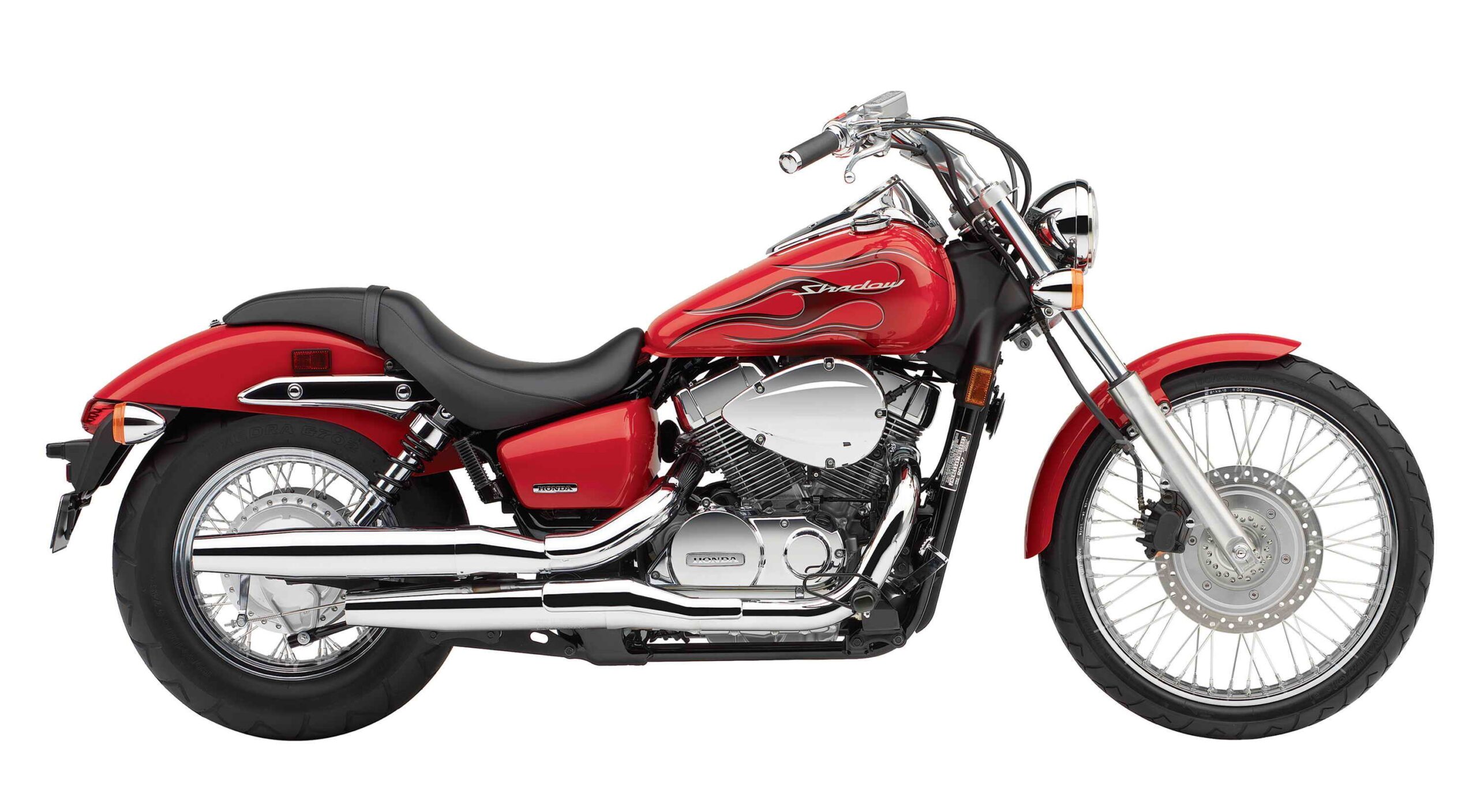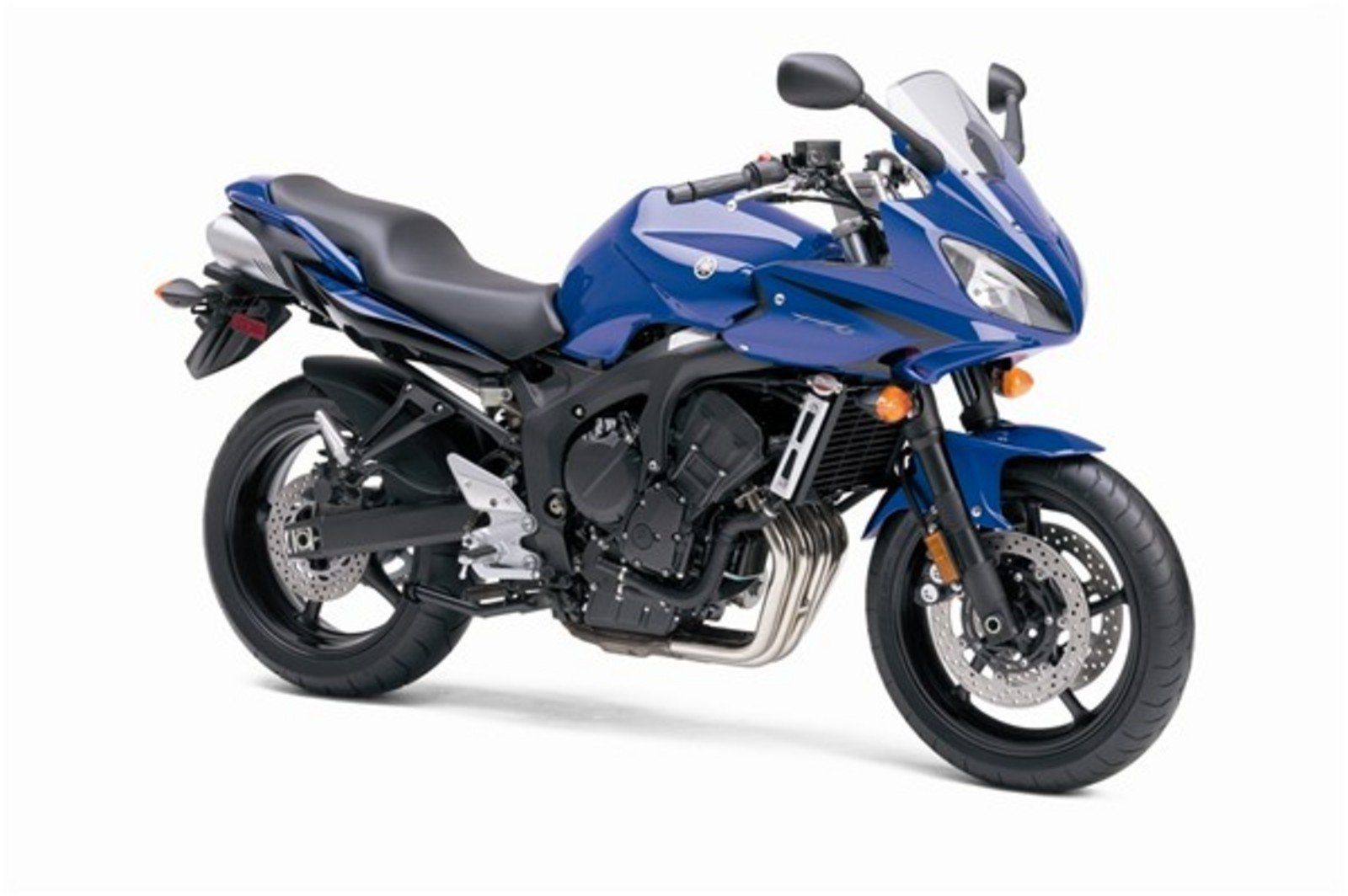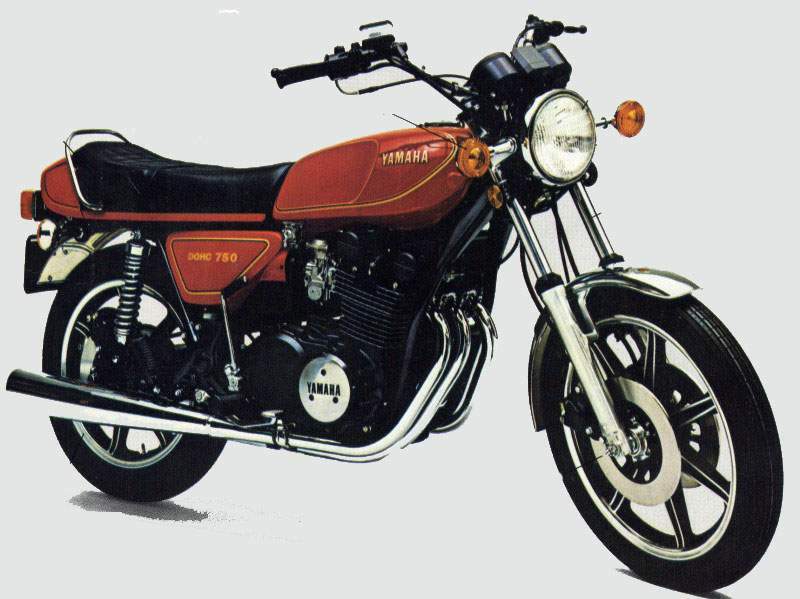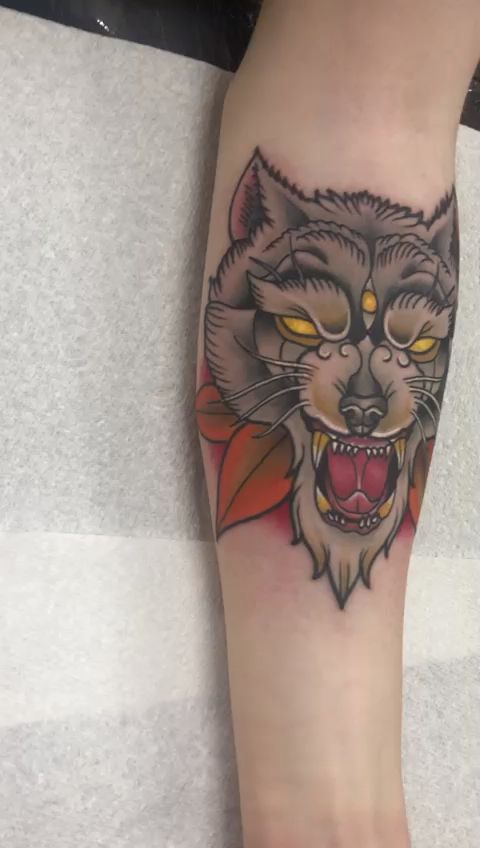
The chopper tattoo style is more than just ink on skin—it’s a roaring testament to rebellion, freedom, and the open road. Born from the same countercultural spirit that birthed the chopper motorcycle, this tattoo art form captures the raw essence of custom bike culture, where metal and flesh merge into a symphony of speed and self-expression. Whether etched on a biker’s forearm or a city dweller’s calf, chopper tattoos evoke the thunderous growl of a V-twin engine, the sleek lines of a handcrafted frame, and the untamed spirit of those who dare to ride differently. This isn’t just body art; it’s a legacy carved in both steel and skin.
The Birth of the Chopper: From War Machines to Rebellion Machines
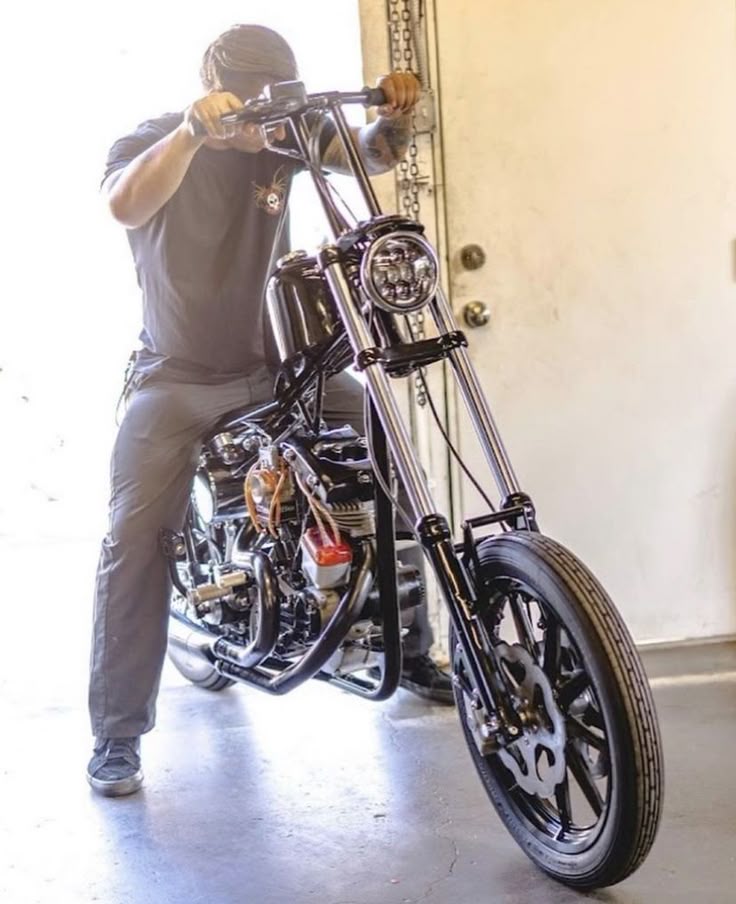
The chopper’s lineage traces back to the post-World War II era, when surplus military motorcycles—particularly the iconic Harley-Davidsons—found their way into the hands of returning soldiers. These bikes, built for durability and power, became canvas for customization. Veterans, many of whom had ridden them through the horrors of war, sought to strip away the unnecessary weight, transforming these machines into lighter, faster, and more agile versions of their former selves. The term “chopper” emerged from the act of “chopping” off excess parts—fenders, exhausts, even entire frames—to shave pounds and boost performance.
By the 1950s and 60s, the chopper evolved from a functional modification into a symbol of defiance. The rise of outlaw biker clubs, immortalized in films like *The Wild One* (1953), cemented the chopper’s association with rebellion. These weren’t just bikes; they were statements. And as the chopper culture grew, so did the artistry behind it—leading to a parallel evolution in tattoo design, where the motorcycle’s aesthetic became a visual language of its own.
Chopper Tattoos: The Art of Capturing Motion and Muscle
A well-executed chopper tattoo doesn’t just depict a motorcycle—it breathes life into it. The best designs transcend static imagery, using bold lines, dynamic shading, and intricate details to convey the raw power and movement of a custom bike. Artists often employ techniques like blackwork for contrast or realism to highlight the metallic sheen of chrome and the grit of worn leather. Some tattoos feature 3D effects, making the bike appear to leap off the skin, while others use geometric precision to emphasize the chopper’s angular, skeletal frame.
Common motifs include:
- Panhead and Shovelhead Engines: The heart of a chopper, these air-cooled V-twin engines are often rendered with meticulous detail, their gleaming fins and exposed cylinders evoking the roar of a throttle.
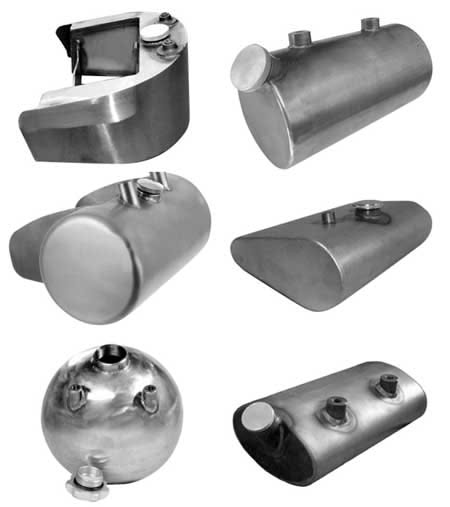
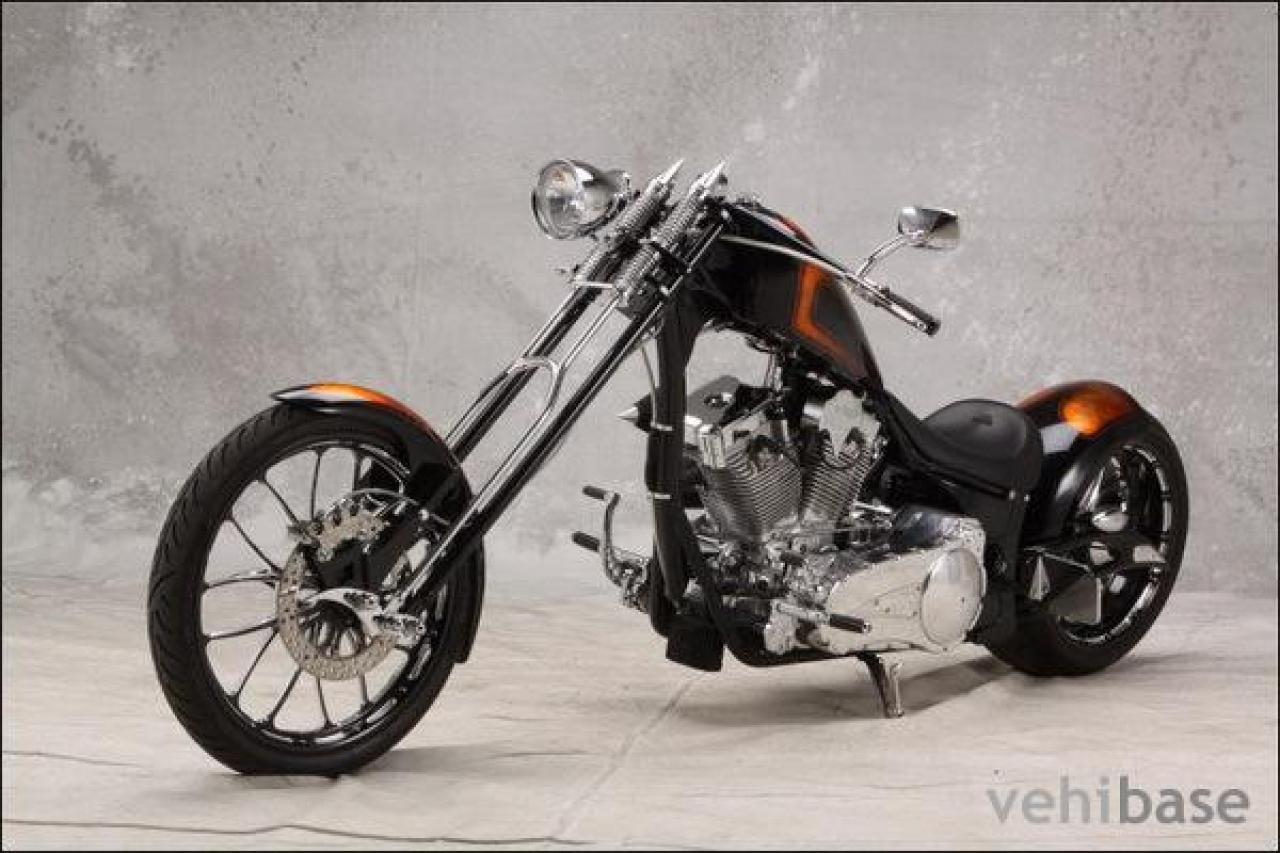
- Fat Bob Tanks: The elongated fuel tanks of choppers, often adorned with flames or pinstripes, symbolize both speed and style.
- Springer Front Ends: The unmistakable front forks of a chopper, with their exaggerated rake and exposed springs, add a sense of aggression and vintage charm.
- Leather Saddlebags: More than just storage, these bags represent the biker’s journey—functional yet steeped in tradition.
The placement of a chopper tattoo is just as deliberate as the design itself. A sleeve tattoo might wrap around the arm like a road map of a long-distance ride, while a back piece could sprawl across the shoulders like a panoramic view of a desert highway. The skin becomes a canvas for storytelling, where every line and shadow narrates a chapter of the rider’s life.
Symbolism and Subculture: The Chopper as a Badge of Identity
Beyond aesthetics, chopper tattoos are steeped in symbolism, each element carrying weighty meaning. The chopper itself is a rebellion against conformity—a rejection of the assembly-line sameness of modern life. It’s a celebration of individuality, where every bolt and weld is a personal touch, a fingerprint of the owner’s soul. For many, the tattoo is a tribute to the biker community, a visual oath of loyalty to the open road and the brotherhood (and sisterhood) of riders.
Certain symbols recur with almost ritualistic frequency:
- The Skull: A memento mori, a reminder of mortality and the fleeting nature of life—a theme that resonates deeply in biker culture.
- The Eagle: Representing freedom, power, and the American spirit, often perched atop fuel tanks or soaring in the background of a tattoo.
- Flames: Not just for show; flames symbolize passion, speed, and the transformative power of the ride.
- The Road: A winding path etched into the skin, symbolizing the journey—both literal and metaphorical—of the rider.
For some, the chopper tattoo is a rite of passage, a mark of having earned one’s place in the biker world. For others, it’s a lifelong obsession, a way to carry the spirit of the road with them even when they’re far from the asphalt.
Regional Flavors: How Different Cultures Interpret the Chopper Tattoo
The chopper tattoo isn’t a monolith—it adapts and evolves based on cultural context. In the American Midwest, where Harley-Davidson culture runs deep, tattoos often feature classic, vintage-inspired choppers with heavy emphasis on chrome and leather. The designs here are bold, unapologetic, and steeped in tradition.
In Europe, particularly in countries like Germany and the UK, chopper tattoos take on a grittier, more industrial aesthetic. The bikes depicted might lean toward European custom builders like Arlen Ness or Roland Sands, with sleeker lines and a focus on European engineering. Tattoos in these regions often incorporate more abstract elements, blending the chopper with cyberpunk or steampunk influences.
Down under in Australia, the chopper tattoo scene is infused with a laid-back, surf-and-turf vibe. Designs here might feature choppers cruising along coastal highways, with the ocean or outback landscapes serving as the backdrop. The artistry leans toward a more relaxed, organic style, reflecting the country’s love for both the road and the sea.
Meanwhile, in Japan, chopper tattoos are often reimagined through the lens of irezumi (traditional Japanese tattooing). Artists blend the chopper’s raw energy with the intricate patterns of irezumi, creating a fusion of East and West. Dragons might coil around the bike’s frame, or koi fish could swim alongside it, symbolizing perseverance and transformation.
Evolution and Modern Trends: From Garage Builds to Global Phenomenon
The chopper tattoo has come a long way from its greasy-garage origins. Today, it’s a global phenomenon, embraced by artists and enthusiasts from all walks of life. Modern trends reflect this evolution:
- Minimalist Choppers: Clean, single-line tattoos that capture the essence of a chopper in a single, elegant stroke. These designs appeal to those who prefer subtlety without sacrificing impact.
- Watercolor Choppers: A splash of vibrant hues bleeding into the skin, giving the tattoo a dreamlike, almost ethereal quality. These designs are perfect for riders who want their ink to feel alive and fluid.
- Neo-Traditional Choppers: A marriage of old-school boldness and modern detail. Think thick outlines, rich colors, and a touch of surrealism—like a chopper cruising through a Salvador Dalí landscape.
- Chopper Sleeve Tattoos: A full-arm canvas where the chopper becomes part of a larger narrative, perhaps intertwined with other biker symbols like road signs, gas pumps, or vintage roadside motels.
The rise of social media has also democratized chopper tattoo artistry. Artists now share their work on platforms like Instagram, inspiring a new generation of ink enthusiasts. Custom choppers and their tattooed counterparts are no longer confined to the backroads—they’re global icons, celebrated in galleries, films, and fashion.
Getting Inked: What to Consider Before Your Chopper Tattoo
If you’re considering a chopper tattoo, the journey begins long before the needle touches skin. First, find an artist who specializes in the style you’re after. A chopper tattoo demands precision—every bolt, every curve, every shadow must be rendered with care. Look for portfolios that showcase not just technical skill, but a deep understanding of biker culture and motorcycle mechanics.
Next, think about placement. A chopper tattoo on the forearm is a bold statement, visible and unapologetic. A back piece offers more canvas for storytelling but may require multiple sessions. Consider how the tattoo will age—fine details like pinstripes or engine parts might blur over time, so discuss longevity with your artist.
Finally, embrace the process. A chopper tattoo isn’t just an image; it’s a commitment to a lifestyle, a piece of art that will grow with you. Whether you’re a seasoned rider or an armchair enthusiast, the tattoo should resonate with your personal connection to the chopper ethos—freedom, rebellion, and the unshakable call of the open road.
The Future of Chopper Tattoos: Where Tradition Meets Innovation
As tattoo technology advances, so too does the art of the chopper tattoo. Innovations like UV ink and biomechanical designs are pushing the boundaries of what’s possible, allowing artists to create choppers that seem to pulse with life—or even appear to move when the muscle beneath flexes. Augmented reality tattoos, though still in their infancy, hint at a future where your chopper tattoo could “start up” when viewed through a smartphone camera.
Yet, for all the futuristic possibilities, the heart of the chopper tattoo remains rooted in its past. It’s a tribute to the rebels, the builders, and the dreamers who transformed a machine into a symbol of freedom. Whether rendered in bold blackwork or delicate watercolor, the chopper tattoo will always be more than ink—it’s a roar, a whisper, a promise of the road ahead.