There’s something undeniably magnetic about a custom chopper—its raw power, its sculpted lines, its unapologetic rebellion against convention. But when that masterpiece rolls into a world championship show, it transcends mere machinery; it becomes a legend in motion. For the builders, riders, and dreamers who pour their souls into these two-wheeled marvels, competing at the highest level isn’t just about prestige—it’s about proving that artistry on steel can rival the finest galleries. If you’ve ever stared at a half-finished frame and wondered how to take it from garage to global stage, this guide is your roadmap. From the meticulous craftsmanship that catches judges’ eyes to the psychological grit required to stand among the greats, we’ll dissect every critical step. Buckle up, because the journey to a world championship podium is as much about passion as it is about precision.
The Anatomy of a Championship-Worthy Chopper: Where Form Meets Function
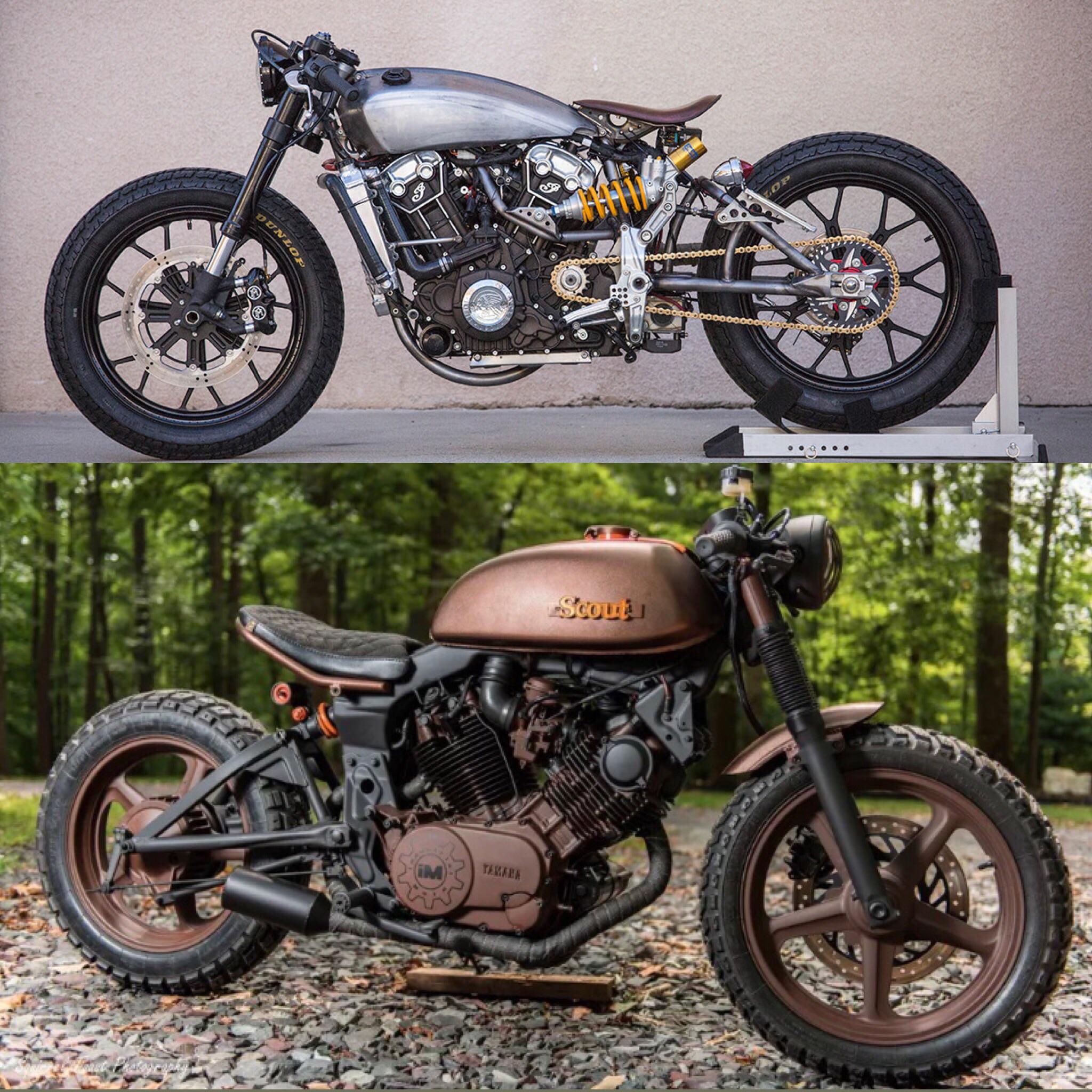
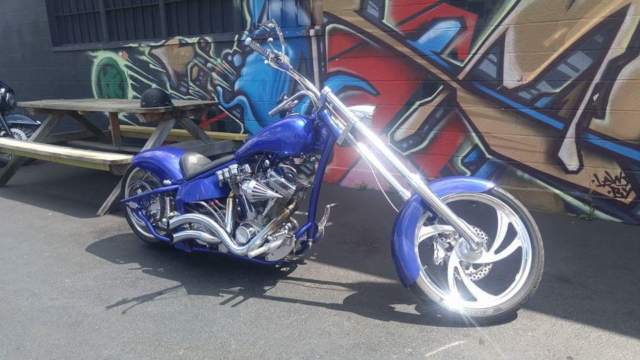
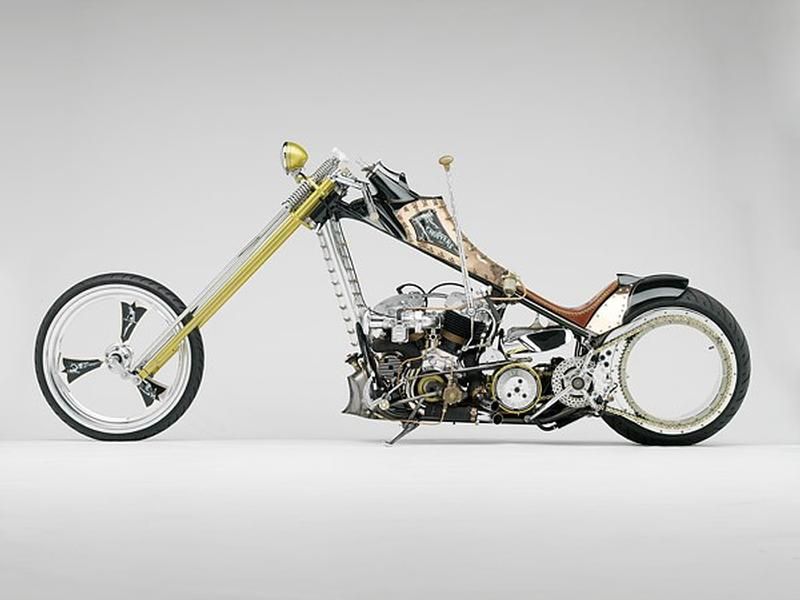
A custom chopper isn’t just a motorcycle—it’s a three-dimensional manifesto of its builder’s vision. At the heart of every championship contender lies a frame that whispers (or roars) its story. The backbone of your entry must balance radical aesthetics with uncompromising engineering. Start with the geometry: a stretched-out rake angle might turn heads, but if it compromises handling, judges will dock points faster than a speeding bullet. Suspension tuning is equally pivotal—whether you opt for a rigid hardtail or a modern monoshock, the goal is the same: a ride so smooth it feels like the bike is gliding on air. Then there’s the powertrain, where the growl of a crate motor or the purr of a meticulously built V-twin becomes the soundtrack to your machine’s legacy. Don’t overlook the details: hand-forged triple trees, billet aluminum components, and custom-welded exhausts aren’t just embellishments—they’re the difference between “nice” and “nominated for the Hall of Fame.”

Choosing Your Weapon: Selecting the Right Chopper Class for Your Vision
The world of championship shows is a labyrinth of categories, each with its own rules, judges, and cult followings. Will you enter the Bagger Battle, where touring-style choppers flaunt their touring bags and windshields like battle scars? Or perhaps the Streetfighter Showdown, where stripped-down, aggressive machines bare their teeth in a display of raw aggression? For the purists, the Traditional Class demands authenticity—think hardtail frames, sprung seats, and engines that hum like a vintage blues guitar. Meanwhile, the Custom Builder’s Challenge rewards innovation, where unconventional materials and avant-garde designs can catapult you to the top. Research the judging criteria for each class meticulously; a chopper that dazzles in the Artistic Expression category might flounder in Performance Testing. Your choice isn’t just about preference—it’s about strategy. Align your build’s strengths with the judges’ expectations, and you’ll already be ahead of half the field.
From Blueprint to Perfection: The Art of Documentation and Presentation
A championship chopper isn’t just seen—it’s experienced. Judges will scrutinize every inch of your machine, but they’ll also pore over the story behind it. This is where documentation becomes your secret weapon. Start with a build journal, a visual and written chronicle of your journey from concept to completion. Include CAD renderings, material sourcing photos, and even failed attempts—authenticity resonates. High-quality videos and timelapse footage of key milestones (like the first engine fire-up or the frame’s final weld) add a cinematic layer to your submission. When it’s time to present your chopper, think of the show floor as a stage. Use lighting to accentuate your bike’s curves, and arrange supporting materials—like a portfolio of your previous work or testimonials from fellow builders—within arm’s reach of the judges. Remember, you’re not just showcasing a motorcycle; you’re selling an experience. Make it unforgettable.

The devil, as they say, is in the details. Ensure your chopper is immaculate—no fingerprints on the tank, no dust on the spokes, no loose bolts anywhere. A single oversight can overshadow months of labor. And don’t underestimate the power of a well-rehearsed pitch. Practice explaining your build’s unique features in 30 seconds or less. Judges hear dozens of spiels; yours should be concise, passionate, and peppered with technical insights that demonstrate your expertise. Whether it’s the aerodynamics of your fairing or the thermal efficiency of your exhaust, speak their language.
Navigating the Judging Gauntlet: What the Panel Really Looks For
Judges at world championship shows aren’t just counting points—they’re curating a legacy. Their evaluation criteria are a carefully guarded secret, but decades of whispers and leaked scorecards reveal a pattern. Originality is king; a chopper that copies a trend will never outshine one that redefines it. Craftsmanship is the backbone—flawless welds, mirror-like finishes, and precision-fit components are non-negotiable. Innovation earns bonus points; whether it’s a groundbreaking suspension design or a sustainable material choice, judges reward builders who push boundaries. Rideability is the silent hero—even the most stunning chopper will lose points if it handles like a bucking bronco. Finally, storytelling ties it all together. A chopper with a compelling narrative—perhaps it’s a tribute to a legendary builder or a bold experiment in electric conversion—will linger in the judges’ minds long after the scores are tallied.
To maximize your score, anticipate the judges’ walkthrough. Position your chopper so its best angles face the judging path. Highlight its signature features—maybe it’s a custom airbrush mural or a one-of-a-kind seat design—by arranging the bike’s orientation accordingly. During the Q&A, answer questions with confidence but humility. If a judge spots a flaw, acknowledge it gracefully. Defensiveness is a red flag; transparency is a virtue. And always, always bring spare parts. A broken taillight or a loose mirror can be the difference between a podium finish and a heartbreaking near-miss.
The Mental Game: Building Resilience for the Championship Grind
Behind every trophy is a builder who refused to quit. The road to a world championship show is paved with setbacks—welds that crack, engines that refuse to turn over, and deadlines that loom like storm clouds. Mental resilience isn’t just helpful; it’s essential. Start by setting micro-goals: finish the frame by Friday, source the perfect leather seat by next week. Celebrate these small victories to maintain momentum. When frustration strikes, take a step back. Sometimes, a 24-hour cooling-off period can reveal a solution that hours of stress obscured. Surround yourself with a support network—fellow builders, mentors, or even an online community—who can offer perspective when your own vision blurs.
Visualization is another powerful tool. Picture your chopper on the show floor, gleaming under the spotlight, judges nodding in approval. Rehearse the moment you hear your name called as the winner. This mental rehearsal primes your brain for success, reducing performance anxiety when the big day arrives. On the day of the show, arrive early to acclimate. Walk the venue, study the competition, and remind yourself why you started this journey. The judges aren’t your adversaries; they’re fellow enthusiasts who share your love for the craft. Approach the experience with curiosity, not fear. After all, the goal isn’t just to win—it’s to leave a mark on the chopper community that lasts for generations.

The night before the judging, resist the urge to tinker. Trust your preparation. Get a full night’s sleep, hydrate, and eat a hearty breakfast. Your chopper is ready. You are ready. The rest is just showmanship.
Beyond the Podium: Leveraging Your Championship Entry for Long-Term Success
Winning a world championship is a career-defining moment, but it’s also the beginning of a new chapter. The exposure can catapult you into the spotlight, attracting clients, collaborators, and sponsors eager to align with your brand. Start by capitalizing on the momentum immediately. Share your journey on social media with behind-the-scenes content, live Q&As, and high-resolution images of your chopper. Use hashtags strategically to tap into the global chopper community. Consider offering limited-edition merchandise—signed prints, branded tools, or even a scaled model of your championship-winning bike—to monetize your newfound fame.
Networking is your next frontier. Attend post-show gatherings, join builder forums, and participate in industry panels. The relationships you forge can lead to collaborative projects, mentorship opportunities, or even invitations to judge future competitions. Document your experience in a blog or YouTube series to establish yourself as a thought leader. Over time, your championship entry becomes more than a trophy; it becomes a case study in how to turn passion into a sustainable career. And if you’re not ready to hang up your tools just yet? Use your platform to advocate for the craft. Mentor aspiring builders, push for sustainability in materials, or challenge the status quo with bold new designs. The chopper world needs pioneers—be one.