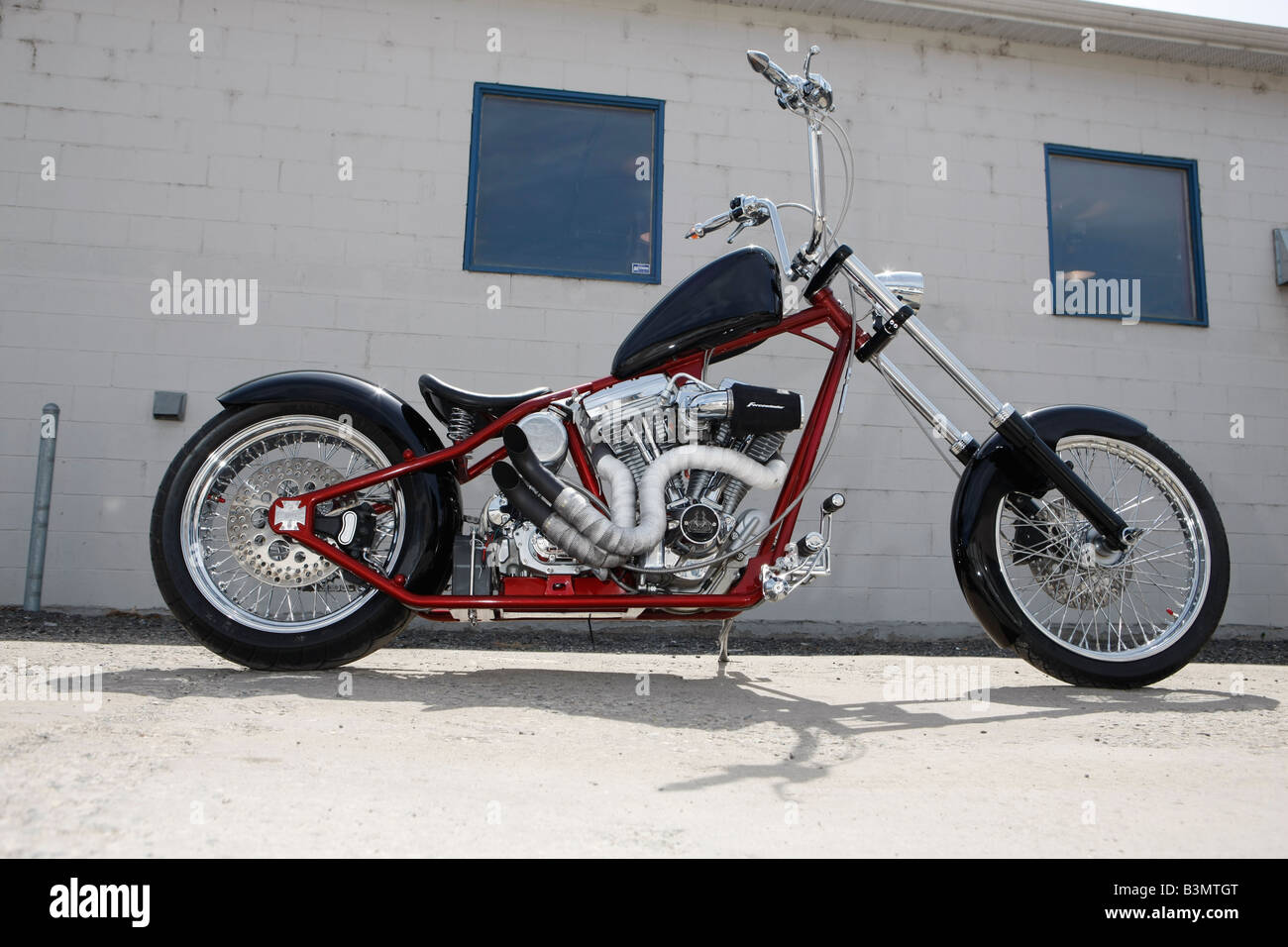
Ever felt your stretched chopper’s front end start to shimmy like a caffeine-fueled jackhammer? That’s the infamous Death Wobble—a terrifying dance where your handlebars oscillate at alarming frequencies, turning your ride into an unintentional metronome of doom. But fear not, intrepid rider, for this guide isn’t just another dry manual. We’re diving deep into the mechanical abyss to tame the beast, blending precision with a dash of mechanical sorcery. So, buckle up—because fixing Death Wobble on a stretched chopper isn’t just about tightening bolts; it’s about reclaiming control from the clutches of chaos.
The Wobble’s Wicked Origins: Why Your Stretched Chopper Hates You (For Now)
Before we wage war on the wobble, we must understand its genesis. A stretched chopper, with its elongated frame and often beefed-up front end, is a prime candidate for this phenomenon. The culprits? A trifecta of mechanical mischief: worn-out steering components, misaligned geometry, and suspension that’s seen better days. Picture this: your front wheel, desperate to find equilibrium, starts chasing its own shadow. The result? A feedback loop of oscillation that turns your ride into a carnival ride you never signed up for.
But here’s the twist—your chopper’s stretched frame amplifies these issues. The longer the wheelbase, the more leverage the front end has to wag its tail. It’s like trying to balance a broomstick on your fingertip; the longer it is, the harder it is to keep steady. So, if your chopper’s frame is stretching the limits of physics, you’re already halfway to Wobbleville.


Diagnosing the Wobble: The Sherlock Holmes of Motorcycle Mechanics
Now, grab your metaphorical deerstalker hat—it’s time to play detective. The first clue? The wobble’s trigger. Does it strike at certain speeds? Does it feel like your front end is trying to execute a breakdance? Start by isolating the variables. Check your tire pressure. Too low, and your tires become squishy, adding instability. Too high, and they lose grip, turning your ride into a pogo stick.
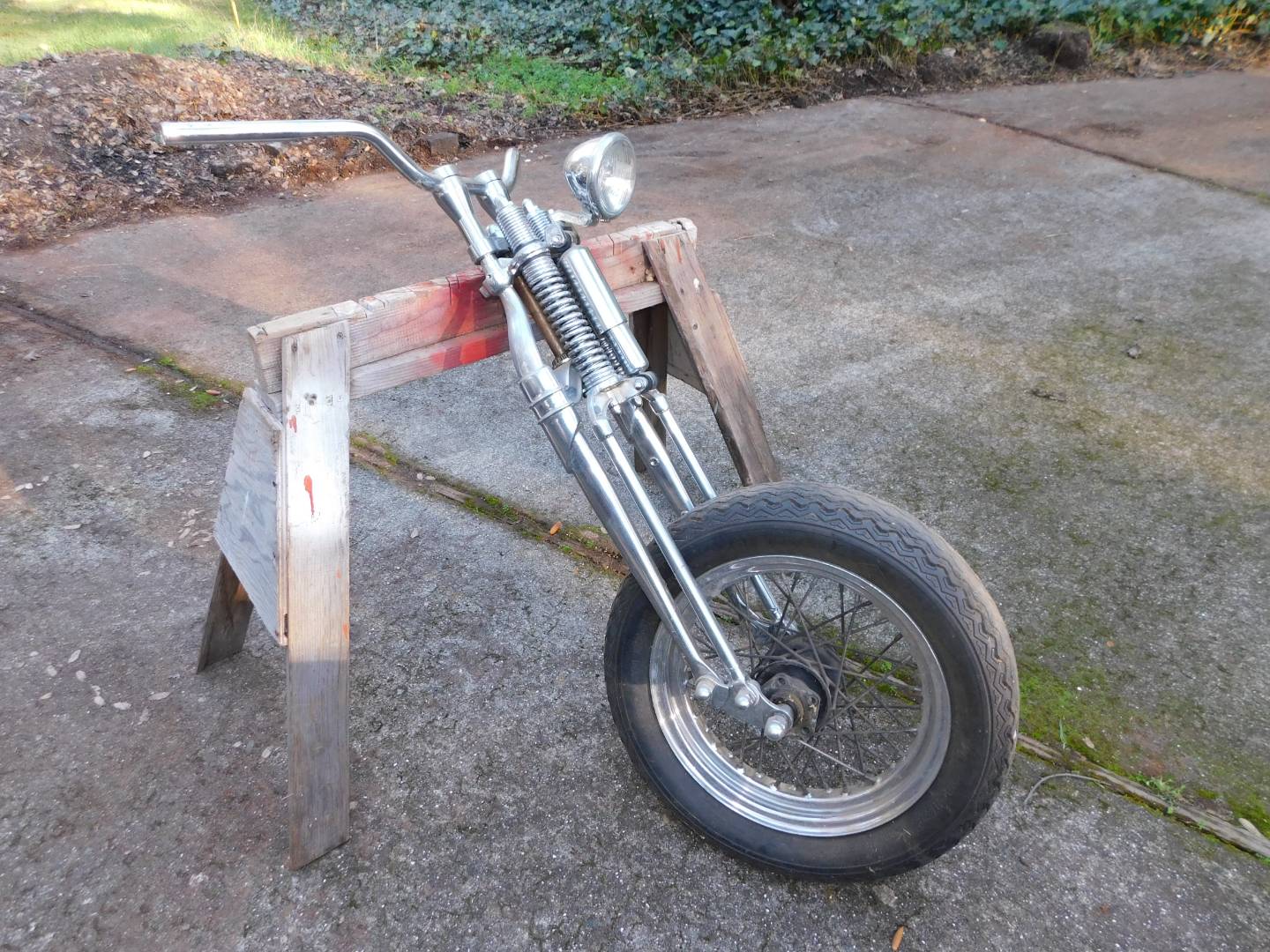
Next, inspect your steering head bearings. These unsung heroes bear the brunt of your chopper’s every move. If they’re worn or dry, they’ll introduce play into the system, giving the wobble room to flourish. Spin the bars—do they feel gritty or loose? If so, it’s time for a bearing upgrade or replacement. And don’t forget the triple trees. A bent or misaligned triple tree is like a crooked spine—it throws everything off balance.
Finally, scrutinize your suspension. Are your fork springs sagging under the weight of your chopper’s stretched glory? Are the shocks leaking or bottoming out? Suspension that’s past its prime is a one-way ticket to Wobbleville. Measure sag, check for leaks, and replace components that have seen better days.

The Fix: A Mechanical Symphony of Precision and Passion
With the diagnosis complete, it’s time to orchestrate the fix. Start with the low-hanging fruit: tire pressure and wheel alignment. Set your pressures to the manufacturer’s specs—no guesswork allowed. Then, align your wheels. A stretched chopper’s geometry is already a tightrope walk; misalignment is the push that sends you tumbling. Use a laser alignment tool or trusty string method to ensure your front and rear wheels are in harmony.
Next, address the steering head bearings. Clean them thoroughly, repack with fresh grease, and adjust the preload to eliminate play. If they’re shot, replace them with high-quality, heavy-duty bearings designed for the demands of a stretched chopper. Pro tip: Consider upgrading to tapered roller bearings for added durability.
Now, turn your attention to the triple trees. If they’re bent, straighten them or replace them outright. Misalignment here is a silent saboteur, subtly introducing instability. And don’t overlook the steering stem. A loose or worn stem is a recipe for disaster. Tighten it to spec, and if it’s damaged, swap it out for a fresh one.
Finally, tackle the suspension. Replace worn springs, refresh shocks with new seals and fluid, and ensure your fork tubes are straight. If your chopper’s stretched frame has left your suspension sagging, consider upgrading to heavier-duty springs or adjustable shocks. The goal? To restore balance and control, turning your chopper from a wobble-prone beast into a smooth operator.

Preventing the Wobble: Because Prevention is Better Than a Panic Attack
You’ve tamed the wobble—congratulations! But the battle isn’t over. Prevention is your new mantra. Start with regular inspections. Check your bearings, suspension, and alignment every few thousand miles. Keep your tires inflated to spec, and rotate them to ensure even wear. And for the love of all things mechanical, keep your chopper clean. Dirt and grime are silent killers, accelerating wear and introducing slop into your system.
Consider upgrading to high-performance components. Heavy-duty bearings, adjustable shocks, and reinforced triple trees can future-proof your chopper against the wobble’s advances. And don’t forget the human element. Your riding style matters. Avoid sudden inputs at high speeds, and ease into turns to reduce stress on your front end.
Lastly, listen to your chopper. It speaks in creaks, groans, and vibrations. If something feels off, don’t ignore it. Addressing issues early is the difference between a minor tweak and a major overhaul. Your chopper’s longevity depends on it.
The Rider’s Mindset: Embracing the Challenge with Confidence
Fixing Death Wobble isn’t just about wrenches and bolts—it’s about mindset. It’s the difference between seeing your chopper as a temperamental beast or a finely tuned extension of yourself. Embrace the challenge. Roll up your sleeves, grab your tools, and dive in. Every adjustment, every tweak, is a step toward mastery.
Remember, the wobble isn’t your enemy—it’s a puzzle waiting to be solved. And once you’ve conquered it, you’ll ride with a newfound confidence, knowing that you’ve outsmarted the mechanical gremlins lurking in the shadows. So, the next time your chopper’s front end starts to shimmy, smile. You’ve got this. The road ahead is yours to command.