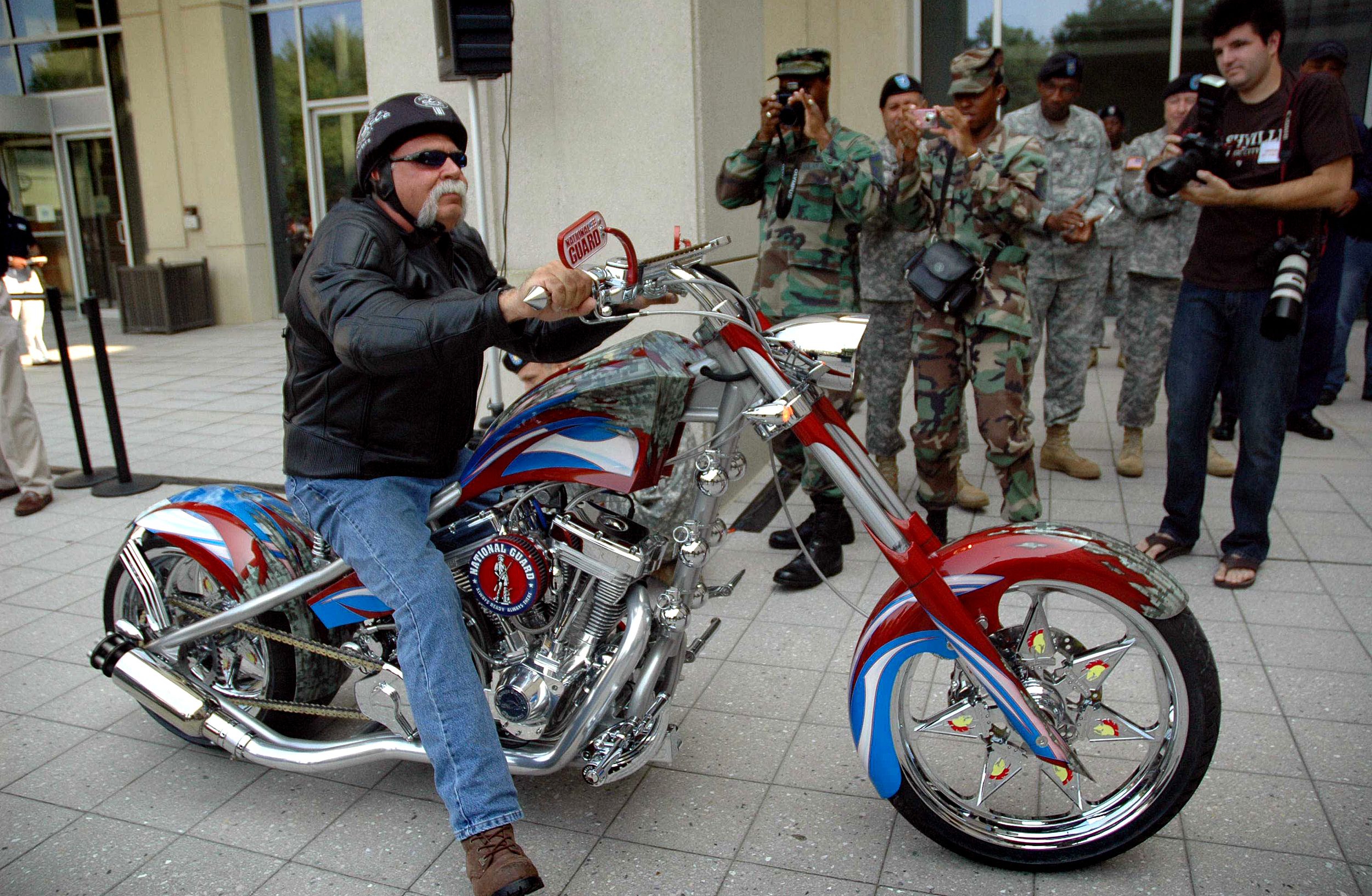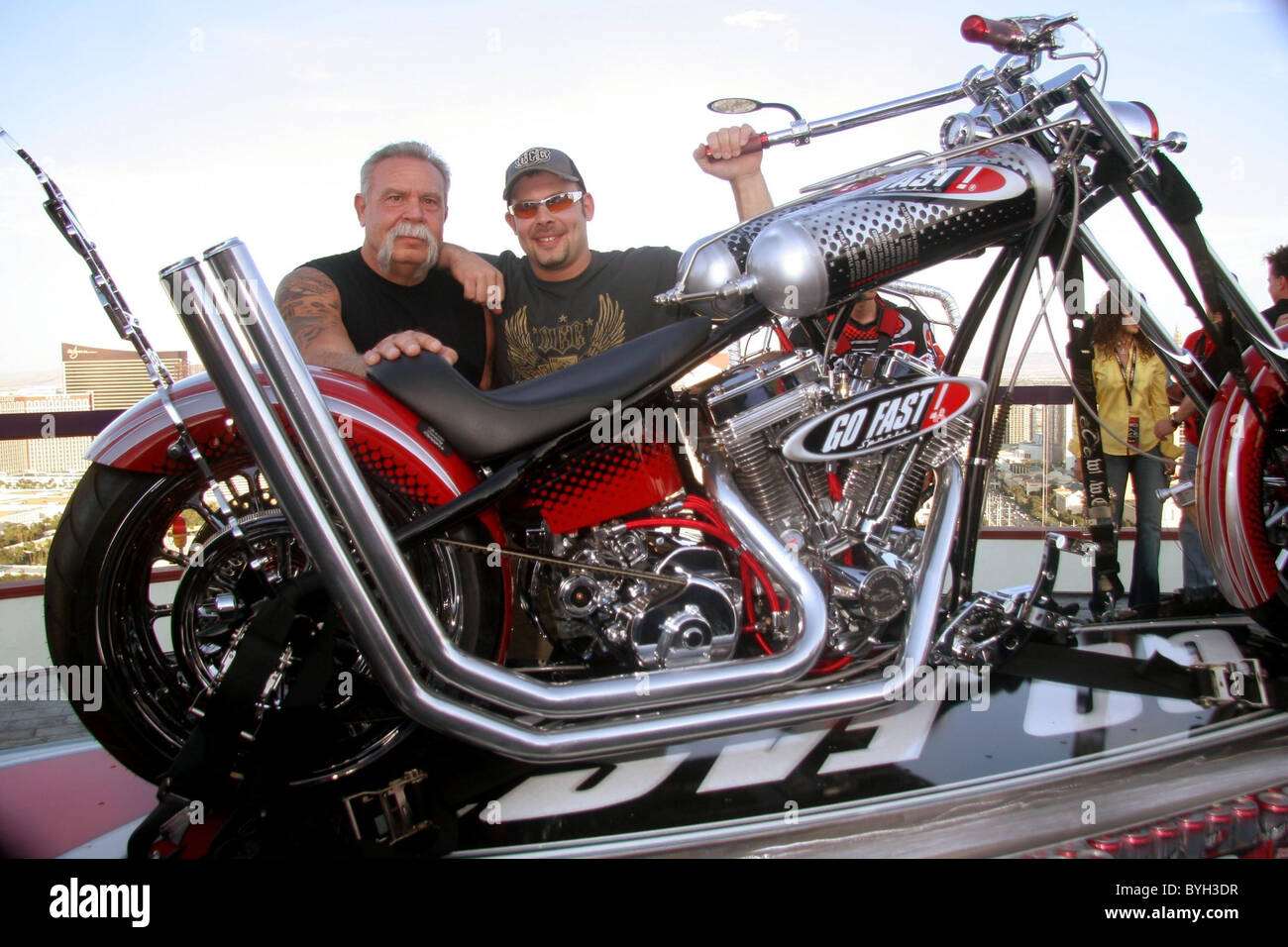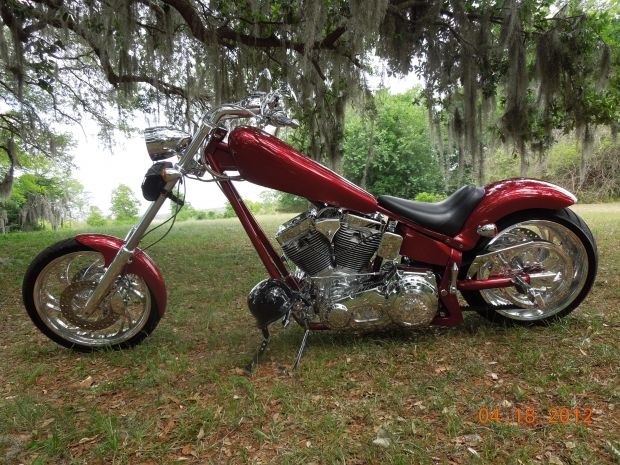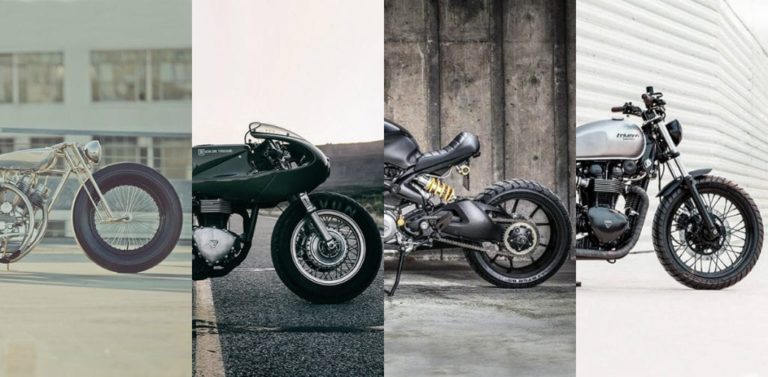
There’s something primal about the rumble of a custom motorcycle—an engine tuned not just for speed, but for soul. It’s not just steel and chrome; it’s a rolling manifesto of individuality, a rebellion against the assembly line, a declaration that the open road deserves more than mass-produced mediocrity. Yet, behind every gleaming frame and meticulously stitched seat lies a team of artisans, engineers, and dreamers who transformed raw metal into art. Getting a job at one of these bespoke motorcycle companies isn’t just about technical skill—it’s about joining a subculture where passion is the first gear and craftsmanship is the final destination.
The Allure of the Custom: Why These Shops Captivate the Imagination
The fascination with custom motorcycle companies isn’t merely about the machines they produce—it’s about the stories they tell. Each bike is a narrative: a retired Marine’s tribute to fallen comrades, a desert wanderer’s escape from convention, or a gearhead’s lifelong obsession crystallized in steel. These aren’t just vehicles; they’re heirlooms on two wheels, passed down through generations of riders who see the road as both canvas and sanctuary. The allure lies in the alchemy of turning the ordinary into the extraordinary, where a junkyard find becomes a masterpiece under the hands of a master builder. It’s a world where function bows to form, and every weld tells a tale.
But this world isn’t just for the weekend tinkerer. It’s a professional ecosystem where artisans, engineers, and visionaries converge to push the boundaries of what a motorcycle can be. The deeper reason for its magnetic pull? It satisfies a deep human craving—for authenticity in an age of replication, for tactile connection in a digital world, and for the quiet triumph of creating something with your own hands that others will admire for decades.
Beyond the Garage: The Multifaceted Skills Needed to Thrive
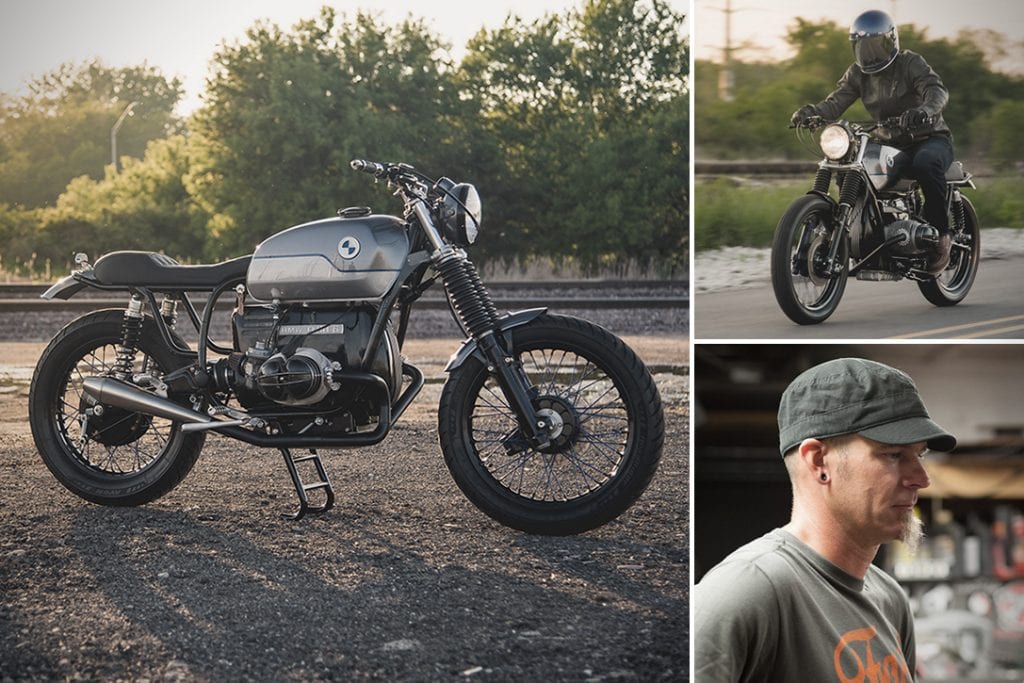
Walking into a custom motorcycle shop isn’t like stepping into a traditional auto garage. The tools are the same—wrenches, grinders, torches—but the approach is different. Here, you’re not just fixing a bike; you’re reinventing it. That demands a skill set that spans disciplines. Mechanical aptitude is a given, but so is an eye for aesthetics. Can you visualize how a frame modification will affect the bike’s stance? Do you understand how leather grain direction impacts both durability and drape? These aren’t just technical questions; they’re artistic ones.
Beyond the tangible, there’s the intangible: patience. Custom work isn’t sprints; it’s marathons. A single project can span months, with each phase requiring meticulous attention to detail. You’ll need to troubleshoot not just mechanical failures, but creative blocks—how to balance a client’s vision with engineering feasibility. And then there’s the soft skills: the ability to listen, to translate a rider’s vague dream into a concrete design, to manage expectations when reality clashes with fantasy. This isn’t a job for the impatient or the easily frustrated.
From Apprentice to Master: The Path to Breaking In
Most custom shops don’t hire based on resumes alone. They want to see proof of passion—photos of your projects, sketches of your designs, even a well-documented rebuild log. If you’re starting from scratch, consider an apprenticeship. Many legendary builders began as gophers, sweeping floors and fetching tools before earning the right to wield a welder. It’s a humbling process, but one that teaches the unspoken rules of the trade: how to respect the tools, how to read a client’s unspoken cues, how to handle the inevitable mistakes without losing your cool.
Formal education helps, but it’s not mandatory. Trade schools with motorcycle fabrication programs can fast-track your learning, while online courses in CAD design or metallurgy provide a technical foundation. Yet, the real education happens on the shop floor. Seek out mentors—builders who’ve already navigated the pitfalls and can guide you through the nuances of frame alignment, suspension tuning, or even the psychology of dealing with demanding clients. The best mentors don’t just teach skills; they teach how to think like a builder.
The Portfolio: Your Silent Ambassador in a Loud Industry
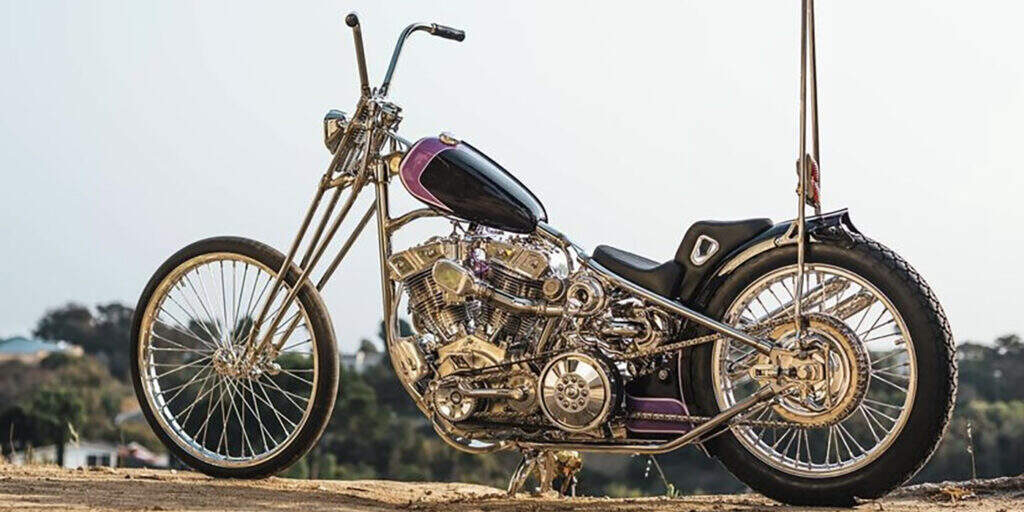
Your portfolio is your calling card, your first impression before you ever shake a client’s hand. It should be a curated showcase of your best work—photos, sketches, 3D renders—each piece telling a story of problem-solving and creativity. Don’t just include finished bikes; show your process. Include shots of disassembled frames, close-ups of welds, even failed attempts that taught you something valuable. Clients and employers want to see not just what you’ve built, but how you think.
If you’re light on professional experience, document your personal projects. Convert an old Honda into a café racer. Restore a rusted Triumph frame. Even if the results aren’t perfect, they demonstrate initiative and a willingness to learn. And don’t underestimate the power of social media. Platforms like Instagram and TikTok are goldmines for custom builders—share your work, engage with the community, and let your passion shine through. A strong online presence can attract opportunities before you even apply for a job.
Navigating the Culture: Fitting Into a World of Rebels and Perfectionists
Custom motorcycle shops are microcosms of subcultures—tight-knit, opinionated, and fiercely protective of their craft. To thrive, you’ll need to embrace the culture, not just the job. That means respecting the hierarchy (even if it’s unspoken), valuing tradition, and understanding that every builder has their own “way” of doing things. There’s little room for ego here; the bike comes first, always. If you’re the type who chafes under rigid structures, this might not be the environment for you. But if you thrive in a space where creativity is both currency and creed, you’ll find your tribe.
It’s also a world where reputation is everything. Word spreads fast in the custom bike community—about who’s reliable, who’s cutting corners, who’s a joy to work with. Build a reputation for integrity, and opportunities will follow. Conversely, a single misstep can haunt you for years. This isn’t just a job; it’s a lifelong commitment to your craft and your reputation.
Beyond the Wrench: The Business Side of Custom Motorcycles
Working at a custom shop isn’t just about building bikes—it’s about running a business. You’ll need to understand pricing strategies, client contracts, and the delicate dance of balancing artistry with profitability. Some shops operate on a project-by-project basis, while others offer limited-run production models. Each model has its own challenges, from managing client expectations to sourcing rare parts. And then there’s the marketing: how do you attract the right clients? How do you stand out in a sea of builders all promising “unique” and “custom”?
If you’re aiming to eventually open your own shop, start learning these skills now. Study how successful builders market themselves. Attend bike shows and network with industry insiders. Understand the financial side of the business—how to price your work, how to manage cash flow, how to negotiate with suppliers. The most skilled builders aren’t just artists; they’re entrepreneurs who understand that the best bike in the world won’t sell itself.
The Reward: More Than Just a Paycheck
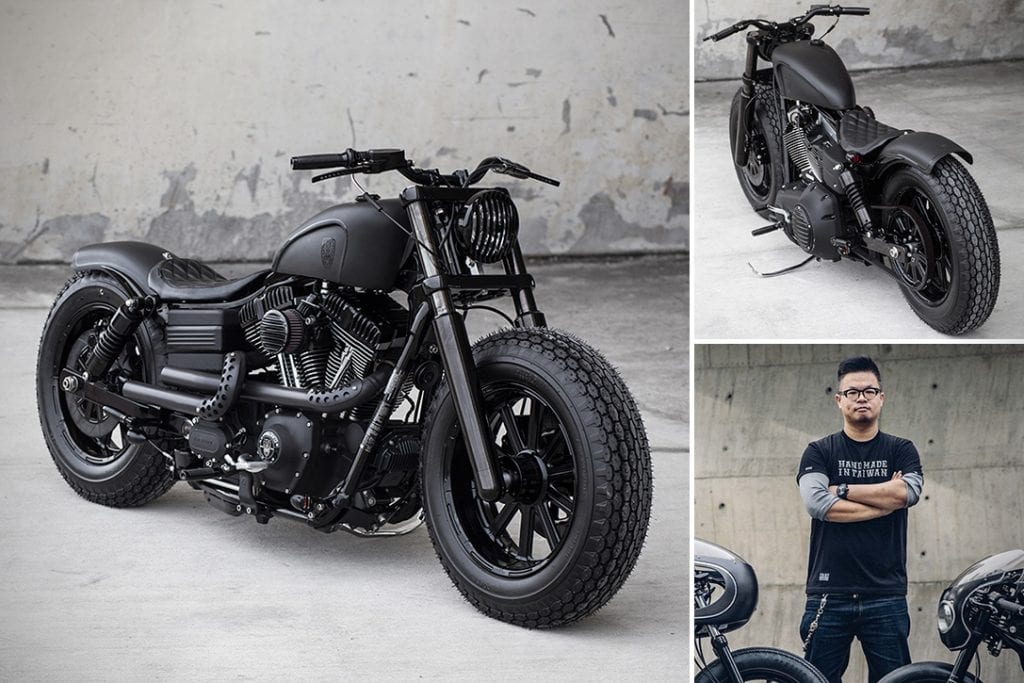
At the end of the day, the real reward of working at a custom motorcycle company isn’t the paycheck—it’s the legacy. You’re not just building a bike; you’re creating a piece of history. Every weld, every stitch, every coat of paint is a chapter in someone’s story. And when you see that finished machine roll out the door, ridden by a grinning owner who can’t wait to hit the road, you’ll understand why this work matters. It’s not just a job. It’s a calling.
So if you’re ready to trade the ordinary for the extraordinary, to join a world where passion fuels the engine and craftsmanship is the roadmap, then start building your portfolio today. The open road is waiting—and so is your future.