Picture this: You’ve spent months—or maybe even years—crafting the perfect chopper, meticulously hand-welding every pipe, polishing every chrome flange until it gleams like a mirror under the neon diner lights. The engine purrs with a throaty growl that could make a Harley-Davidson weep. But then, the unthinkable happens. You pull up to the EPA noise testing station, heart pounding like a bass drum in a punk band, only to hear those dreaded words: “Your exhaust is too loud.” Suddenly, your masterpiece isn’t just a work of art—it’s a potential ticket to a muffler upgrade you never signed up for. So, how do you pass EPA noise testing without sacrificing the soul of your chopper? Let’s rev up the engine of knowledge and find out.
Why Does the EPA Even Care About Your Exhaust?
The Environmental Protection Agency isn’t just a buzzkill with clipboards—it’s a guardian of peace, quiet, and clean air. In the name of public sanity (and, okay, reducing noise pollution in residential neighborhoods), the EPA sets strict decibel limits for vehicles, especially motorcycles. Exceed those limits, and you’re not just risking a fine—you’re risking the freedom to ride without the looming threat of a noise citation. Chopper exhausts, with their open designs and deep, resonant tones, often flirt dangerously close to these limits. The trick isn’t to silence your bike completely—it’s to tame its roar without neutering its character.
Think of it like this: Your chopper’s exhaust isn’t just a functional component—it’s the voice of your machine. A whispering exhaust might as well be a golf cart with training wheels. The goal isn’t to make it silent; it’s to make it *legal* while keeping the growl that makes heads turn.
The Decibel Dilemma: How Loud Is Too Loud?
Before you can silence the skeptics, you need to know the enemy. EPA noise standards for motorcycles typically cap at 80 decibels (dB) when measured at a distance of 50 feet. That’s roughly the volume of a busy city street or a loud vacuum cleaner. But here’s the catch: Your chopper’s exhaust might sound louder to you because you’re sitting right next to it. The key is to measure accurately—preferably with a decibel meter—so you’re not flying blind.
Pro tip: If your exhaust hits 85 dB or above, it’s time to bring out the big guns. Anything under 75 dB might sound like a kitten’s purr, but anything over 90 dB is practically a war cry. The sweet spot? Somewhere in the middle, where your bike still sounds like a beast but doesn’t wake the neighbors at 3 AM.
Mufflers vs. Straight Pipes: The Eternal Showdown
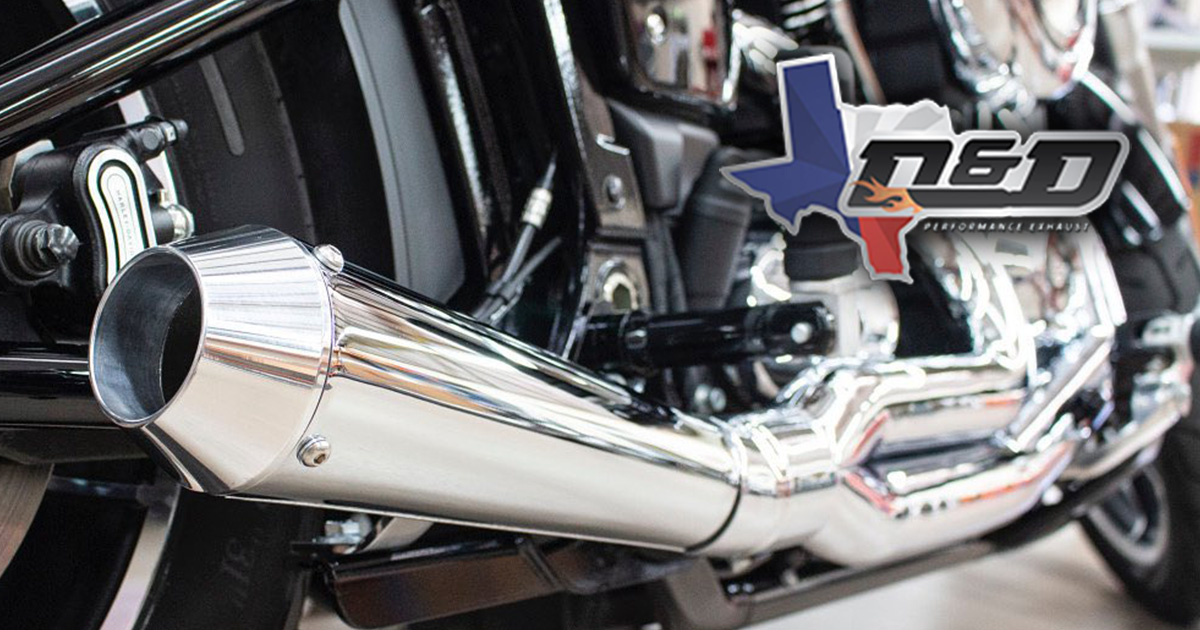
Ah, the age-old debate: mufflers or straight pipes? If you’re aiming for EPA compliance, mufflers are your best friend. But not all mufflers are created equal. A baffled muffler can knock down decibels without suffocating your bike’s soul. Look for high-quality, motorcycle-specific mufflers designed for performance bikes—they’re engineered to reduce noise while preserving that deep, resonant tone.
Straight pipes, on the other hand, are the rebels of the exhaust world. They look sleek, sound aggressive, and scream “I don’t follow rules.” But they’re also the most likely to fail an EPA test. If you’re dead set on straight pipes, consider adding a removable baffle or a slip-on muffler for testing days. It’s like wearing a tuxedo over your leather jacket—technically not the same, but it gets the job done.
The Art of the Baffle: Tuning Your Exhaust for Compliance
Baffles are the unsung heroes of quiet rebellion. These little metal inserts fit inside your exhaust pipes and work like a sponge, absorbing sound waves without choking your engine. The best part? They’re often removable, so you can swap them in and out depending on whether you’re cruising the open road or rolling into a noise test.

Not all baffles are created equal, though. A poorly designed baffle can create backpressure, robbing your engine of power and turning your chopper into a sluggish tortoise. Look for baffles made from high-quality materials like stainless steel, and consider ones with sound-absorbing materials like fiberglass or ceramic. And remember: more isn’t always better. A single, well-placed baffle can do the trick without turning your exhaust into a science experiment.
Exhaust Wraps and Coatings: The Silent Upgrade
If you’re not ready to commit to a muffler or baffle, consider wrapping your exhaust headers. Exhaust wraps, typically made from fiberglass or ceramic, insulate the pipes and reduce heat while also dampening sound. They’re not a magic bullet—your bike will still be loud—but they can shave off a few decibels without altering the look of your exhaust.
Heat coatings are another sleeper hit. These ceramic-based paints not only protect your exhaust from rust and corrosion but also help dissipate heat more efficiently. Less heat means less expansion, which can reduce the metallic clang that contributes to overall noise. Plus, they give your chopper a custom, high-performance look that screams “built, not bought.”
Testing, Testing: How to Know You’re Ready
You’ve tweaked, tuned, and tested. Now it’s time to face the music—literally. But before you pull up to the EPA station, do a little homework. Many states have certified inspection stations where you can get a pre-test. These aren’t official EPA tests, but they’ll give you a solid idea of where you stand. If you’re over the limit, you’ll know exactly how much work you need to do.
When you do take the official test, bring your decibel meter results if you have them. Some stations will let you adjust your exhaust on the spot—adding a baffle or swapping out a muffler—before retesting. And if you fail? Don’t panic. Most issues can be fixed with a quick trip to the exhaust shop. The key is to stay calm, stay prepared, and remember: even the loudest bikes can learn to whisper when they have to.
The Final Rev: Ride Loud, Ride Legal
Passing EPA noise testing isn’t about surrendering your chopper’s spirit—it’s about channeling it responsibly. With the right muffler, a strategic baffle, or a clever exhaust wrap, you can keep the growl that makes your heart race while keeping the peace with the powers that be. So go ahead, tweak that exhaust, fine-tune that baffle, and ride with the confidence of a biker who knows the rules—but isn’t afraid to bend them just enough to keep the fun alive.