Selling your chopper on Facebook Marketplace isn’t just about listing it—it’s about crafting a narrative that makes your bike irresistible. In a world where every ride tells a story, your chopper deserves a spotlight that captures its essence. Whether it’s the gleaming chrome, the thunderous exhaust, or the meticulous custom work, your listing should evoke desire. This guide will walk you through the art of selling your chopper fast, from the first click to the final handshake. Let’s rev up your strategy and turn browsers into buyers.
The Power of a Killer First Impression: Crafting a Title That Sticks
Your chopper’s title is the first whisper of its soul. It’s not just a label; it’s a hook. Instead of a generic “1998 Harley Davidson for sale,” try something like “Rare 1998 Harley Davidson Softail Custom – Midnight Phantom Edition.” The devil is in the details. Include the model, year, and any unique features—think “low miles,” “one-owner,” or “showroom condition.” Buyers scroll fast, so your title must scream “stop scrolling” in under three seconds. Use power words like “pristine,” “vintage,” or “rare” to elevate its allure. A well-crafted title isn’t just seen; it’s remembered.

Visual Storytelling: Photos That Sell the Ride Before the Bike
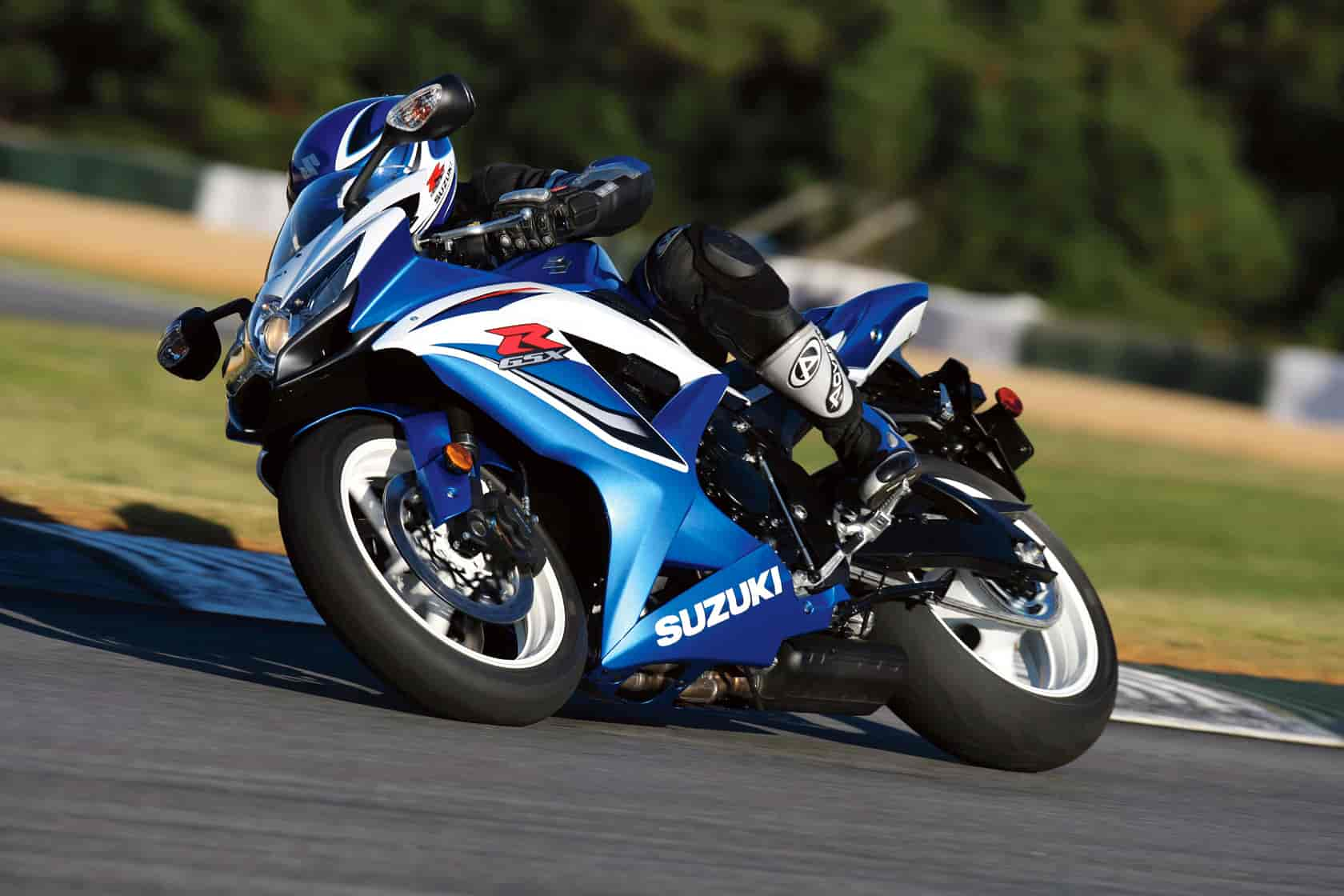
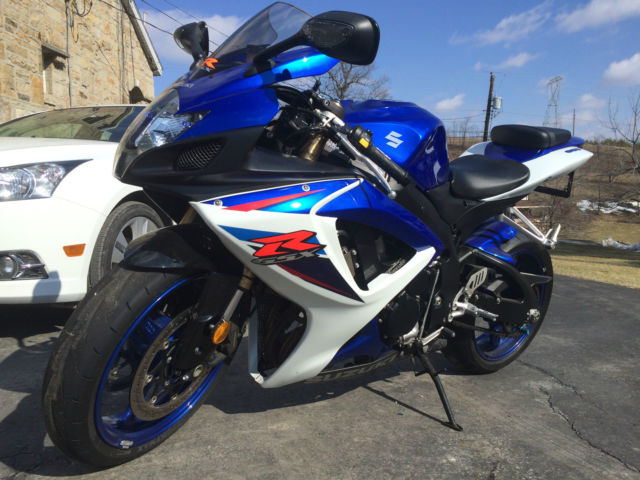
Pictures are the silent salespeople of Facebook Marketplace. A chopper isn’t just metal and leather—it’s a lifestyle. Start with a hero shot: your bike parked against a dramatic backdrop, like a sunset-lit desert or a gritty urban alley. Show every angle—front, back, side, and close-ups of the engine, seat, and custom details. Don’t forget the rider’s perspective: a photo of you straddling the bike adds authenticity. Use natural light to highlight the chrome’s gleam and the leather’s sheen. If your chopper has a story, let the photos tell it—whether it’s a custom paint job or a rare engine modification. Buyers don’t just want to see a bike; they want to feel the ride.

The Art of the Description: Writing a Narrative That Sells
Your description is where your chopper’s personality shines. Skip the dry specs—craft a story. “This 2005 Triumph Bonneville isn’t just a bike; it’s a rebellion on two wheels. With 12,000 miles of open-road freedom, it’s been pampered by a single owner who treated it like royalty. The Vance & Hines exhaust growls like a beast, and the custom leather seat cradles you like a dream.” Include key details: year, make, model, mileage, condition, and any upgrades. Mention maintenance records, service history, or recent work. Be transparent about flaws—honesty builds trust. End with a call to action: “Message me today to schedule a test ride. Let’s make this chopper’s next chapter yours.”

Pricing Strategies: How to Price Your Chopper for a Fast Sale
Pricing is where psychology meets strategy. Start by researching similar listings—what’s the market rate for your chopper’s make, model, and condition? If your bike is a rare gem, price it slightly above average to attract serious buyers. For more common models, price competitively to spark urgency. Consider offering a “best offer” option to invite negotiation. Highlight value in your listing: “Priced to sell—this chopper is turnkey, ready for the next adventure.” If it’s been on the market a while, consider a price drop or bundling accessories (helmet, gear) to sweeten the deal. Remember, a chopper priced right sells faster than one priced to perfection.

Timing and Frequency: When to Post for Maximum Visibility
Timing isn’t just a detail—it’s a science. Post your chopper on Facebook Marketplace during peak hours: weekday evenings (7–9 PM) and weekends (Saturday mornings). Avoid holidays or major events when buyers are distracted. Refresh your listing every 48 hours to keep it at the top of search results. Use Facebook’s “Boost” feature sparingly to target local buyers passionate about bikes. The goal? Stay visible without spamming. A well-timed post is like a well-timed rev—it cuts through the noise.

Negotiation Tactics: Turning Inquiries into Offers
Negotiation is a dance, not a battle. When buyers ask about price, respond with confidence: “I’m open to reasonable offers, but this chopper is a steal at [your price].” If they counter, meet halfway if possible—buyers love feeling like they’ve won. For serious inquiries, ask for their location and availability. Offer a test ride or video call to build trust. If they’re hesitant, share testimonials or maintenance records. The key? Be responsive, professional, and patient. A chopper sold in haste is a chopper sold with regret—on both sides.

Safety and Scams: Protecting Yourself in the Wild West of Online Sales
The internet is a double-edged sword—opportunity and risk. Never share personal details like your address upfront. Meet buyers in public places first, like a police station parking lot or a busy café. For test rides, accompany them or require a deposit. Use Facebook’s payment system to avoid scams. If a deal feels off, trust your gut. A chopper sale should feel as smooth as its ride—not like a bumpy backroad.

Closing the Deal: From Handshake to Highway
The final step is as crucial as the first. Once you’ve agreed on a price, finalize the details: payment method, pickup time, and any paperwork. Use a bill of sale to document the transaction—it’s a small step with big protection. If shipping is involved, use a reputable service and require a signature upon delivery. Celebrate the sale with a final photo of the chopper’s new owner. After all, every bike has a story—and this is just the beginning of its next chapter.