In the heart of Orange County, where steel meets soul and engines roar with the rhythm of ambition, a dynasty was forged—not in boardrooms, but in the clatter of wrenches and the blueprint of dreams. Orange County Choppers (OCC) didn’t just build motorcycles; it built legends. The cast, a motley crew of artisans, engineers, and showmen, became household names, their salaries reflecting not just their craft, but their cultural footprint. But who among them truly rode the highest wave of compensation? Let’s rev up the engine and dive into the financial mechanics of this mechanical marvel.
The Founder’s Throne: Paul Teutul Sr.’s Dominance
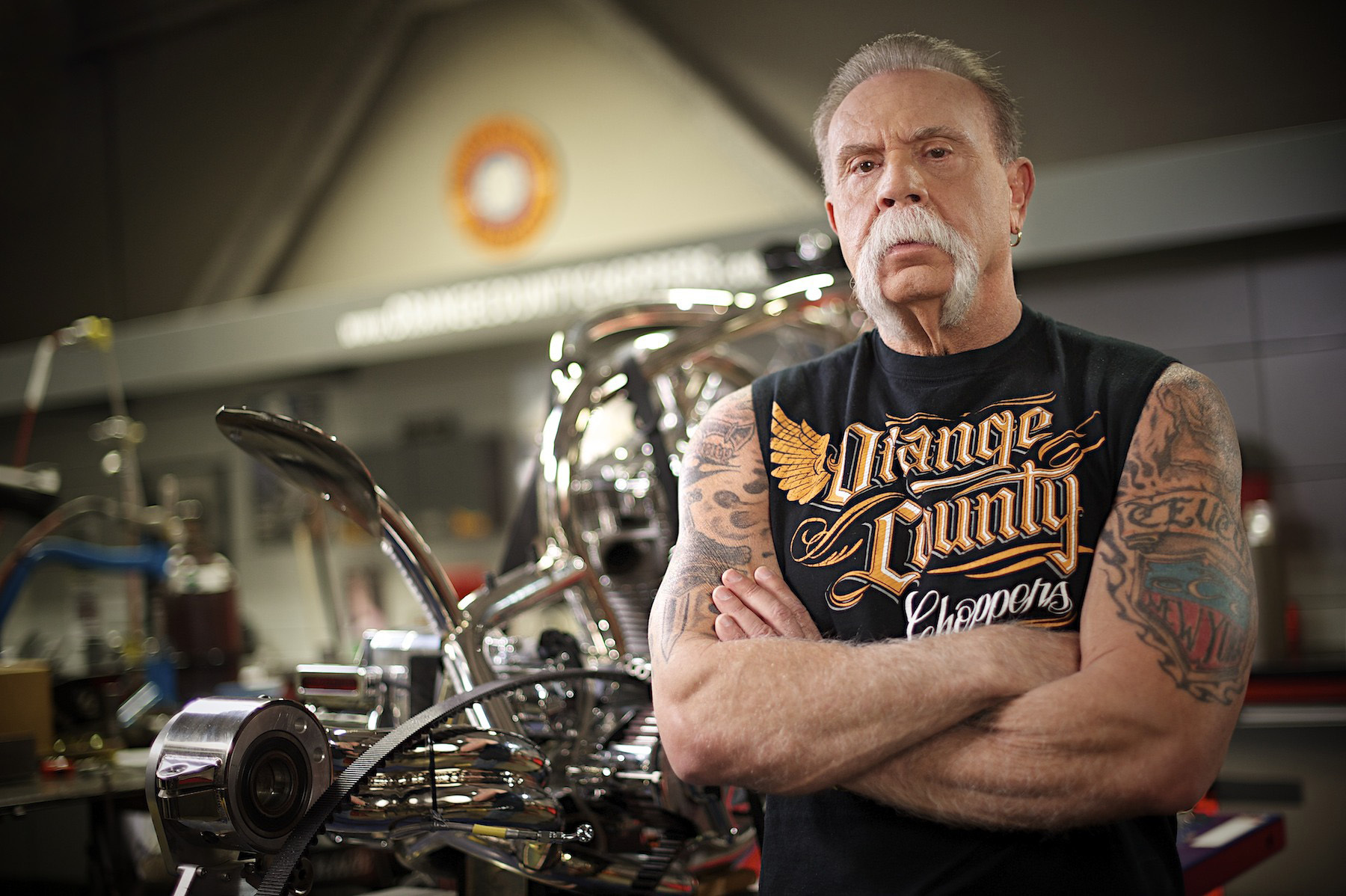
At the helm of OCC stood Paul Teutul Sr., the silver-haired patriarch whose vision forged an empire from a single garage. His salary wasn’t just a number—it was a statement. As the founder and face of the brand, Teutul Sr. commanded figures that mirrored his larger-than-life persona. Reports suggest his earnings soared into the high six figures annually, a testament to his unparalleled influence. But his compensation wasn’t merely monetary; it was symbolic. Every dollar he took was a reflection of the brand’s identity—raw, unfiltered, and unapologetically American. His salary wasn’t just a paycheck; it was a royalty on the American dream, paid in chrome and combustion.

The Prodigy’s Rise: Paul Teutul Jr.’s Financial Trajectory
If Teutul Sr. was the thunder, Paul Teutul Jr. was the lightning—a burst of energy that electrified the brand’s second act. Junior’s salary trajectory tells a story of evolution. Starting as an apprentice, he clawed his way up, his compensation reflecting his growing influence. By the show’s peak, his earnings rivaled his father’s, though whispers in the industry suggest a slight dip due to creative differences. Yet, his financial climb wasn’t just about numbers; it was about proving that legacy isn’t inherited—it’s earned, one weld at a time. Junior’s salary was a currency of ambition, traded in sweat and steel.
The Wildcard: Vinnie DiMartino’s Meteoric Earnings
Enter Vinnie DiMartino, the outsider who stormed the gates of OCC with a swagger that belied his youth. His salary wasn’t just competitive—it was disruptive. As the youngest member of the core cast, Vinnie’s earnings reflected his star power. Industry insiders hint that his compensation soared into the mid-six figures during the show’s heyday, a figure that stunned even the most seasoned observers. Why? Because Vinnie wasn’t just a fabricator; he was a phenomenon. His salary was a bet on potential, a wager that paid off in spades. He turned metal into magic, and the network cashed in on every rivet.
The Unsung Heroes: Salaries Behind the Scenes
While the Teutuls and Vinnie basked in the spotlight, the real financial heavyweights were the engineers, designers, and fabricators who toiled in the shadows. Their salaries, though lower than the cast’s, were the backbone of OCC’s operations. These artisans—men and women who could coax poetry from a welder’s arc—earned respectable livings, but their compensation was a quiet rebellion against the cult of celebrity. They were the gears in the machine, their paychecks a tribute to craftsmanship over charisma. Their financial stories are less about headlines and more about the unglamorous grind that kept the wheels turning.

The Brand’s Financial Engine: Sponsorships and Merchandising
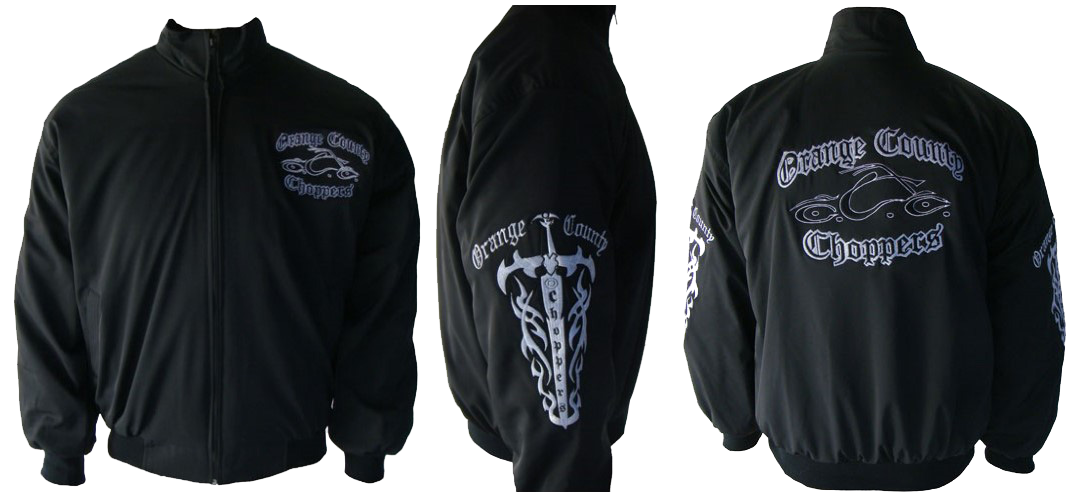
OCC’s true wealth wasn’t in salaries alone—it was in the brand’s gravitational pull. Sponsorships, merchandise, and licensing deals turned the cast’s earnings into a fraction of the empire’s total revenue. Teutul Sr.’s face on a t-shirt or a chopper in a video game wasn’t just marketing; it was alchemy. These revenue streams flowed into the company’s coffers, enriching not just the cast, but the entire OCC ecosystem. The cast’s salaries were the spark, but the brand’s financial engine was fueled by the mythos they created. Every rev of an OCC engine was a cha-ching in the company’s bank account.
The Golden Era: Peak Salaries and Public Fascination
The mid-2000s were OCC’s golden era—a time when the show’s popularity peaked and salaries swelled in tandem. This was the era of “American Chopper,” when the Teutuls’ feuds and Vinnie’s antics made headlines and the cast’s earnings became watercooler gossip. During this period, Teutul Sr. and Jr. were at the height of their earning power, while Vinnie’s star burned brightest. The financial dynamics of this era weren’t just about survival; they were about dominance. The cast’s salaries reflected the brand’s cultural capital—a currency more valuable than gold in the world of reality TV.
The Decline and the New Guard: Shifting Financial Tides
As the show’s popularity waned, so did the cast’s salaries. The financial tide turned, and the once-unassailable figures of the Teutuls and Vinnie faced new realities. Junior’s departure and the show’s eventual cancellation marked a shift in the financial landscape. New faces emerged, but the golden days of mid-six-figure salaries were a relic of the past. The cast’s earnings became a barometer of the brand’s health, a reminder that even empires built on steel and spectacle are not immune to the passage of time.
The Legacy: More Than Just Numbers
In the end, the salaries of the Orange County Choppers cast were more than just figures on a pay stub—they were a mirror held up to the American dream. They told a story of ambition, rivalry, and reinvention. Teutul Sr.’s earnings were a tribute to vision, Junior’s a saga of evolution, and Vinnie’s a testament to youthful audacity. The unsung heroes’ paychecks were a nod to the quiet artisans who built the brand brick by brick. And the brand’s financial engine? It was a reminder that the real wealth of OCC wasn’t in the bank—it was in the hearts of the fans who still rev their engines at the sound of a Teutul chopper’s growl.