There’s a moment in every chopper builder’s journey when the raw, unapologetic lines of a hardtail frame demand more than just attitude—they demand purpose. The motorcycle isn’t just a machine; it’s a statement, a rolling sculpture of rebellion and freedom. But without the right saddlebags, even the most meticulously crafted hardtail risks feeling incomplete, like a novel missing its final chapter. Saddlebags aren’t just storage—they’re the exclamation point at the end of your bike’s visual narrative, the functional flourish that transforms a frame into a legend. Yet, fitting them correctly is an art form all its own, one that demands precision, passion, and a deep understanding of how form and function dance together on two wheels.
The Anatomy of Fitment: Why One Size Never Fits All
Not all hardtails are created equal, and neither are their saddlebags. The fitment process begins with recognizing that your motorcycle isn’t just a collection of metal and leather—it’s a living extension of your riding identity. A rigid hardtail frame, with its uncompromising geometry, leaves little room for error. The wrong saddlebag can disrupt the bike’s center of gravity, turning a masterpiece into a misfit. The key lies in understanding the subtle interplay between the bag’s mounting points, the frame’s clearance, and the rider’s ergonomic needs. A bag that hangs too low may scrape the pavement on a sharp turn, while one mounted too high can throw off your balance at speed. Precision isn’t optional; it’s the difference between seamless integration and a costly misstep.
Mounting Systems Decoded: Bolts, Brackets, and Beyond
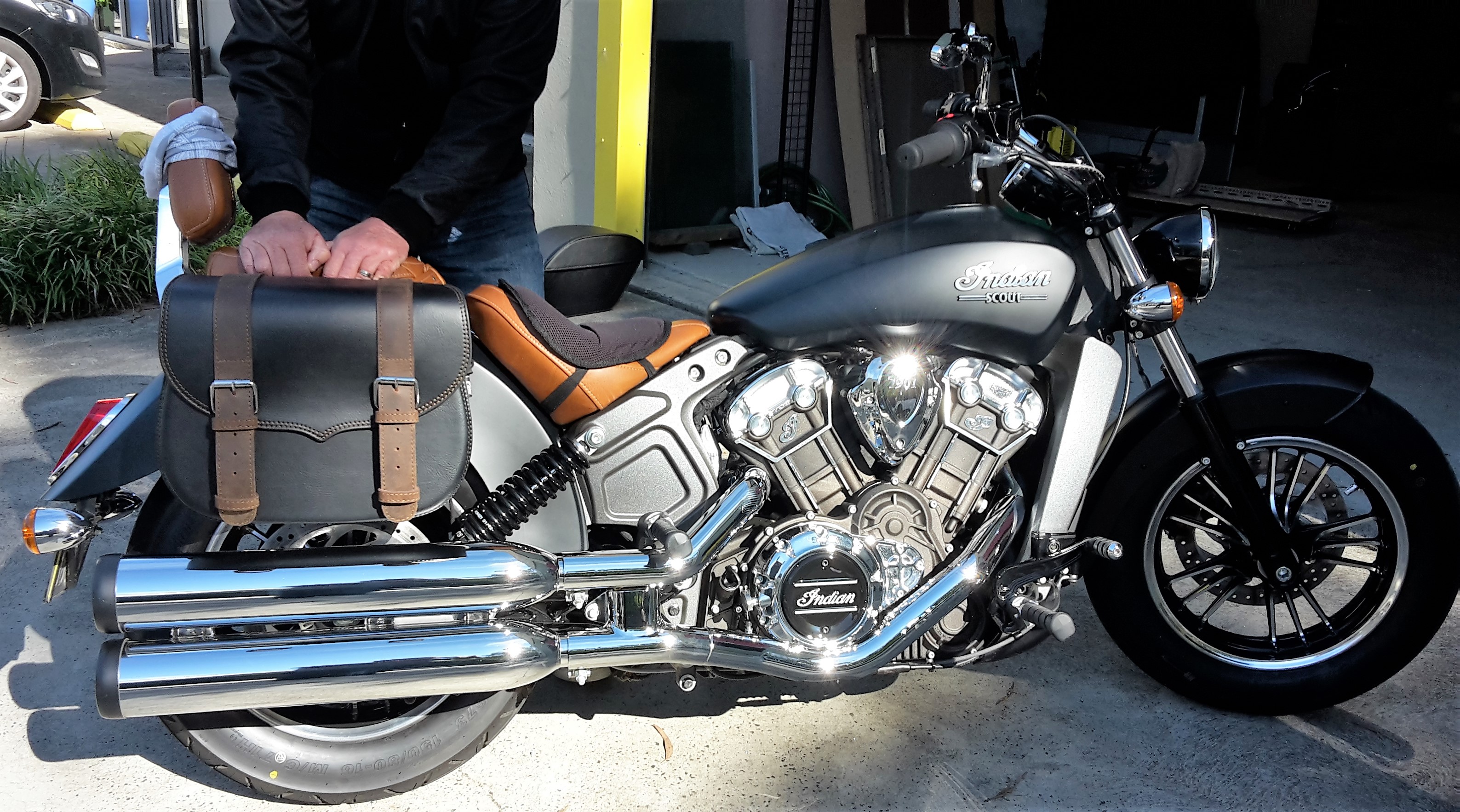
The foundation of any saddlebag installation is the mounting system, and not all are created with the same level of craftsmanship. Traditional bolt-on brackets offer simplicity and durability, but they often require drilling into the frame—a permanent commitment that demands foresight. Quick-release systems, on the other hand, provide flexibility, allowing you to swap bags depending on the ride or season. Yet, they must be engineered with the same robustness as their fixed counterparts to avoid rattling or misalignment over time. Some modern systems incorporate hidden fasteners or magnetic closures, blending aesthetics with functionality in ways that feel almost futuristic. The choice hinges on your priorities: permanence or adaptability, tradition or innovation. But one truth remains constant—compromise on mounting quality, and you compromise the integrity of your entire build.
Clearance Concerns: The Invisible Battleground of Every Ride
There’s an unseen war waged on every twisty backroad, and it’s fought in millimeters. Clearance isn’t just about avoiding scrapes—it’s about preserving the harmony between your bike and the road. A saddlebag that brushes against your heel during a downshift isn’t just annoying; it’s a distraction, a threat to the flow state every rider craves. The challenge intensifies with hardtails, where the lack of rear suspension means every bump is transmitted directly to the frame—and by extension, to your bags. Low-profile designs mitigate this risk, but they must be paired with thoughtful weight distribution to prevent the bike from feeling top-heavy. Test your fitment not just on a lift, but on the open road, where the real test of clearance begins.
Material Matters: Leather, Synthetics, and the Soul of Your Bag
The material of your saddlebag isn’t just a practical consideration—it’s a philosophical one. Leather, with its rich patina and timeless appeal, ages like a well-worn leather jacket, telling the story of every mile ridden. It’s heavy, yes, but that weight is part of its character, a tactile reminder of the journey. Synthetic materials, meanwhile, offer lightweight resilience, shrugging off rain and road grime with ease. They’re the modern answer to the rider who demands durability without sacrificing style. Then there are hybrid designs, where leather accents meet synthetic cores, creating a fusion of old-world charm and new-world performance. Your choice reflects not just your needs, but your values—do you prioritize tradition, innovation, or a balance of both?
Weight Distribution: The Silent Architect of Your Ride
Ever ridden a bike that feels like it’s leaning into every corner, as if the road itself is guiding your path? That’s the magic of proper weight distribution. Saddlebags, when mounted correctly, can enhance your bike’s stability, turning a twitchy hardtail into a planted, confidence-inspiring machine. But misjudge the balance, and you’ll feel the consequences in every vibration, every wobble. The golden rule? Keep the load as low and centered as possible. Heavy items should ride close to the frame, while lighter gear can be stored higher. And don’t forget the rider—your position on the bike shifts the center of gravity with every lean. The interplay between bag placement and rider ergonomics is where the real alchemy happens, transforming a functional addition into a performance enhancer.
Style vs. Substance: Crafting a Cohesive Aesthetic
A hardtail chopper is a canvas, and saddlebags are your brushstrokes. But here’s the catch: they must harmonize with the entire composition. A bag that clashes with your frame’s lines, your seat’s shape, or your exhaust’s roar will stand out for all the wrong reasons. The best saddlebags don’t just fit the bike—they elevate it. Consider the visual weight of your bags: a pair of sleek, minimalist designs can accentuate the raw lines of a hardtail, while bold, sculptural bags might demand a more dramatic frame to complement them. Color plays a role too—monochrome bags blend seamlessly, while contrasting hues create deliberate focal points. The goal isn’t just to add storage; it’s to amplify the bike’s personality, to make every glance at your ride feel like a revelation.
The Final Test: Riding Into the Horizon
No amount of planning can replace the real-world trial. Once your saddlebags are mounted, take your bike for a spin—not just around the block, but on the roads where you’ll truly ride. Pay attention to how the bags move with the frame, how they respond to your body’s shifts, how they handle the undulations of the pavement. Listen for rattles, feel for drag, and watch for any signs of imbalance. This isn’t just a test of fitment; it’s a test of your vision. If the bags feel like an extension of the bike, if they disappear into the ride rather than intrude upon it, then you’ve achieved something rare—a fusion of form and function that feels inevitable. If not, don’t be afraid to iterate. The best builders know that perfection is a process, not a destination.
The right saddlebags don’t just carry your gear—they carry your story. They’re the silent partners in every mile, the unsung heroes of every adventure. Choose wisely, fit meticulously, and ride boldly. The road awaits.