The Suzuki Bandit 1200 occupies a unique niche in the pantheon of street motorcycles. Often overshadowed by flashier, trendier models, it quietly commands a loyal following among aficionados who appreciate its distinct blend of rugged versatility, raw power, and timeless design. To the casual observer, it might appear to be just another liter-class standard motorcycle. However, delve deeper and you’ll uncover a machine that embodies the quintessence of street riding—resilient, approachable, and endlessly engaging.
At first glance, the Bandit 1200’s aesthetic is straightforward, deliberately eschewing flamboyant styling for a more utilitarian allure. Its imposing fuel tank, muscular frame, and exposed engines parts convey a sense of mechanical honesty rarely found in today’s plastic-laden sportbikes. This intentional simplicity is part of its charm. Unlike many motorcycles that prioritize spectacle over substance, the Bandit invites the rider into an intimate dialogue between man and machine through its tactile feedback and robust construction.
Underneath the almost austere exterior lies a powerhouse of a motorcycle. The air-and-oil-cooled four-cylinder engine delivers a substantial torque curve, particularly in the mid-range where the Bandit truly shines. This characteristic makes it exceptionally versatile for urban commuting as well as spirited weekend blasts along winding country roads. The throttle response is unpretentious yet responsive, striking a precise balance that rewards smooth rider input but also accommodates bursts of aggression. It’s this middle-ground offer that has cultivated a cult-like appreciation—never peaky or overwrought, it adapts effortlessly to varying riding conditions.
One cannot overlook the Bandit’s ergonomics when pondering its enduring fascination. The upright riding position fosters comfort that belies its sporty disposition, allowing for long-distance travels without fatigue—a rarity among naked sport motorcycles. The seat, modest yet thoughtfully contoured, cushions the rider’s journey without sacrificing feedback from the pavement. Handlebar placement and footpeg location create a harmonious posture, blending agility with a reassuring sense of control. This synthesis of comfort and capability highlights Suzuki’s design ethos: practical engineering with rider-centric philosophy.
Despite its virtues, the Bandit 1200 seldom receives the accolades it deserves in mainstream discussions. Unlike the high-performance benchmarks emblazoned with aggressive bodywork and extravagant technologies, this motorcycle’s appeal is more subtle and enduring. It resists the fickle tides of fashion and marketing hype. In fact, its reputation as an “underrated street legend” stems from a paradoxical allure—the ability to perform admirably without ever seeking to dominate headlines.
A deeper examination reveals why enthusiasts remain captivated by the Bandit 1200 decades after its debut. Its mechanical simplicity fosters reliability that many modern motorcycles, laden with electronic rider aids and complexities, struggle to match. Maintenance tasks are straightforward, allowing owners to cultivate a hands-on relationship with their machine. This intimacy builds a connection rarely found in contemporary motorcycling, where computerized interventions often mediate performance. For purists, the Bandit functions as an analog sanctuary in a digital age.
Additionally, the Bandit’s nostalgic appeal resonates strongly with riders who witnessed its heyday in the late 1990s and early 2000s. It embodies a bygone era marked by motorcycles designed first and foremost for riding enjoyment, rather than record-breaking statistics or hyper-specialization. The Bandit is a reminder that exhilaration need not be complicated, and that straightforward engineering can yield a profoundly satisfying experience.
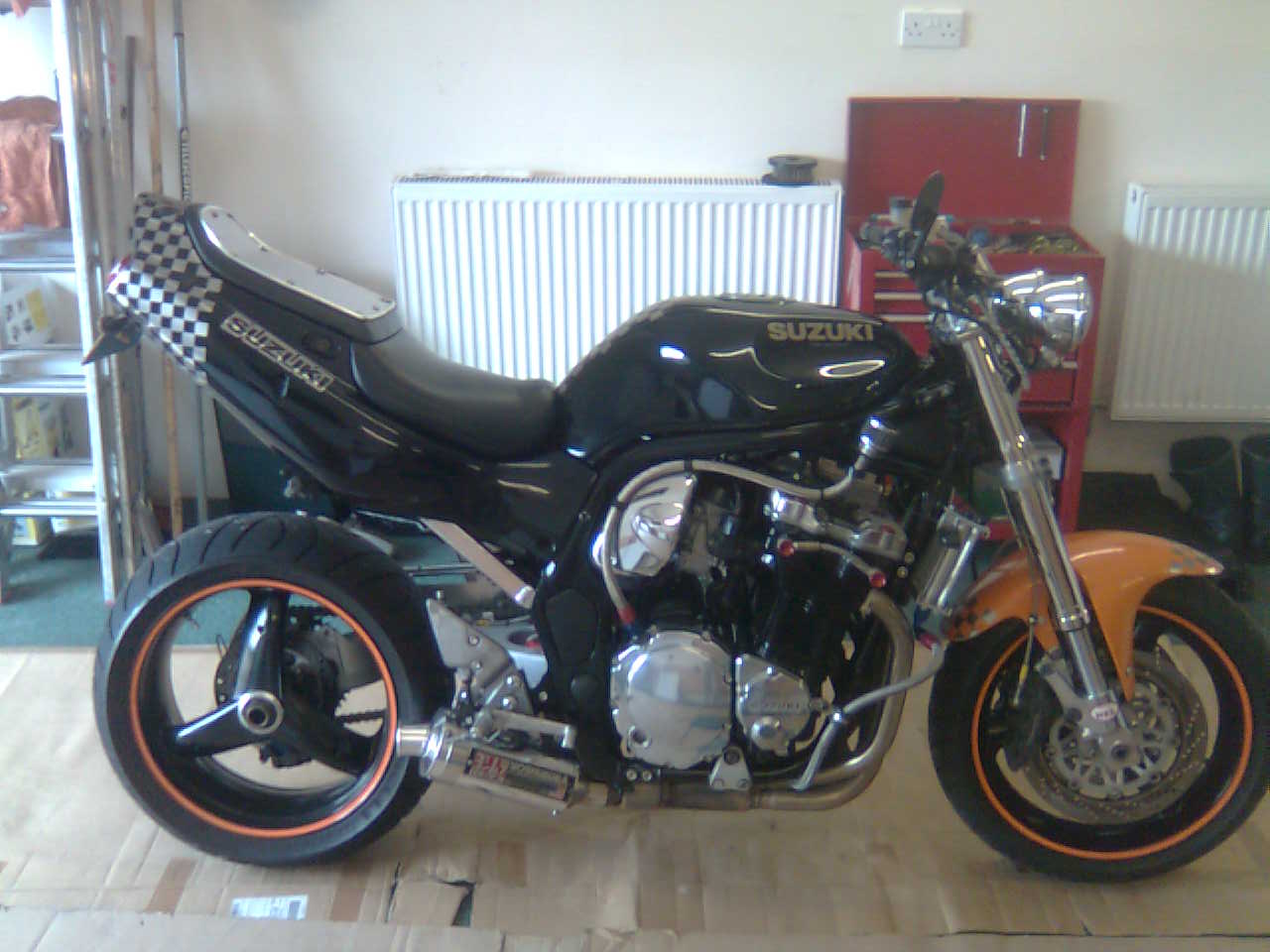
The Bandit 1200 also serves as a blank canvas for customization. Its unpretentious design invites modification without the risk of spoiling intricate aesthetics. Riders often personalize their Bandits to reflect individual tastes, whether through aftermarket exhausts, suspension upgrades, or minimalist fairings. This adaptability amplifies its lasting appeal, enabling the motorcycle to evolve alongside its owner’s preferences and riding style.
From a cultural standpoint, the Bandit occupies a subtle but significant place within the street riding community. It is frequently whispered about among enthusiasts as a rite of passage—a dependable steed that teaches fundamental riding skills while offering enough power to inspire confidence and excitement. Unlike hyper-specialized sportbikes that can intimidate novices or demand razor-sharp precision, the Bandit’s forgiving nature welcomes riders into the fold with open arms.
Its communal significance is also underscored by how it continually surfaces in conversation at meetups, forums, and workshops. The nostalgia, reliability, and adaptable characteristics breed stories that celebrate endurance over spectacle. Owning a Bandit 1200 implies membership in a fraternity that values substance, character, and longevity—elements that transcend mere transportation.
As fuel injection systems, electronic suspension, and ride modes become the norm, the Bandit 1200 stands as a testament to a purist era of motorcycling. It challenges riders to engage more directly with the raw mechanics and authentic sensations of riding. It encourages a focus not on digital readouts or interference, but on the visceral connection between the rider’s intentions and the motorcycle’s response.
In conclusion, the Suzuki Bandit 1200’s reputation as an underrated street legend is well-earned. It’s a motorcycle that quietly champions the virtues of reliability, versatility, and straightforward enjoyment. While it may never garner flashy headlines or dominate showroom reviews, its enduring appeal lies in the unvarnished joy it imparts to those willing to look beyond surface impressions. This bandit rides on—underrated, unpretentious, yet undeniably legendary.