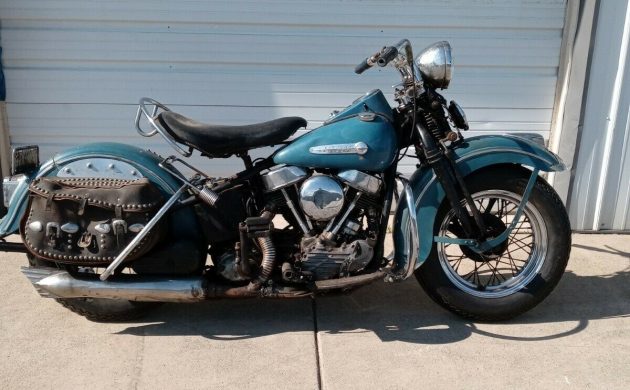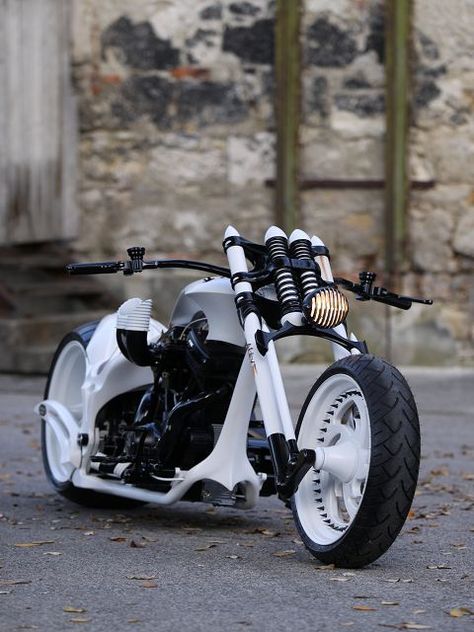
In the pantheon of American industrial folklore, few names evoke as much nostalgia, ambition, and eventual disillusionment as Custom Chrome. For decades, this company didn’t just sell parts—it sold dreams. It fed the hunger of a subculture that craved not just motorcycles, but identities forged in steel and polished chrome. Yet, beneath the gleaming surface of its catalog lay a narrative far more complex than the polished surfaces it peddled. The rise and fall of Custom Chrome is more than a corporate chronicle; it’s a mirror reflecting the shifting tides of American craftsmanship, consumerism, and the very soul of customization.
The Golden Age of Chrome: When Customization Was a Rebellion
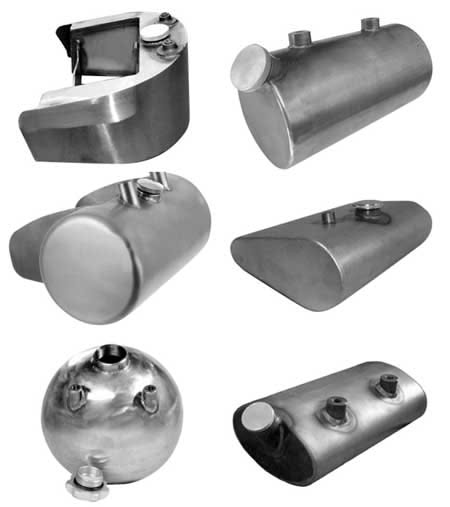
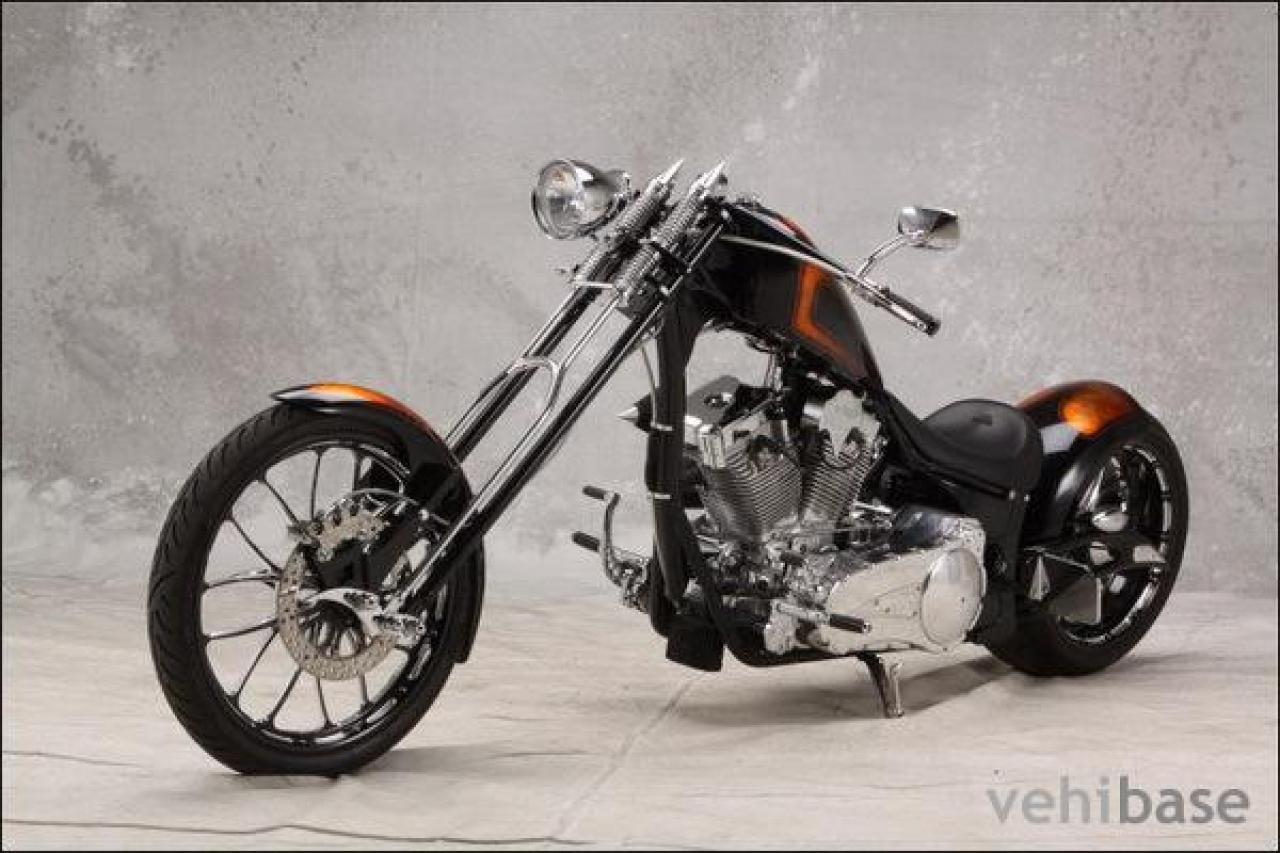
In the late 20th century, the American road was a canvas, and the motorcycle was the brush. Custom Chrome emerged during an era when individuality was currency, and the open highway was a sanctuary from conformity. Born from the same restless spirit that fueled hot rod culture, the company became synonymous with transformation—not just of machines, but of self. Riders didn’t just buy parts; they bought into a philosophy. A gleaming sissy bar, a sculpted gas tank, or a set of chromed highway pegs weren’t accessories. They were declarations. They said: I am not just riding. I am sculpting my legend.
The company thrived in this golden age, a time when the roar of a Harley-Davidson could drown out the hum of conformity. Custom Chrome didn’t just supply the tools of rebellion—it curated the aesthetic of it. Its catalog was a visual manifesto, a glossary of rebellion rendered in polished metal and vibrant hues. Every bolt, every handlebar, every emblem was a brushstroke in the larger portrait of a generation that refused to blend in. It wasn’t just about performance; it was about presence. And presence, in those days, was power.
The Illusion of Permanence: When Chrome Became the Shackle
Yet, as the decades turned, the very thing that made Custom Chrome iconic—its relentless focus on chrome and customization—became its Achilles’ heel. The company had built an empire on the promise of permanence. Chrome doesn’t rust. Chrome doesn’t fade. Chrome endures. But in doing so, it also trapped its customers in a paradox. The more one invested in the immaculate finish, the more one became enslaved to its maintenance. A single scratch, a speck of road salt, a misplaced elbow could shatter the illusion of timelessness. The gleam that once symbolized freedom now demanded servitude.
This was the quiet tragedy of Custom Chrome. It sold the dream of eternal youth to a generation that was aging, both literally and culturally. The riders who once roared into the sunset now found themselves polishing their dreams into obsolescence. The chrome that once gleamed under the neon lights of diners now reflected the harsh glow of economic uncertainty. The parts that once promised to immortalize a bike now became reminders of time’s relentless march. The company had promised liberation, but delivered a different kind of bondage—one measured in ounces of polish and hours of labor.
The Rise of the Digital Outlaw: When Customization Went Virtual
As the 21st century unfolded, the very notion of customization began to evolve. The internet didn’t just change how we bought parts—it changed how we defined individuality. Custom Chrome had thrived in a world where the physical catalog was king, where the tactile thrill of flipping through pages was as important as the parts themselves. But the digital age democratized desire. Suddenly, customization wasn’t limited to what a company could produce—it was limited only by imagination. Riders could design, share, and iterate in real time, unbound by the constraints of a printed catalog.
Worse still, the digital realm exposed the fragility of Custom Chrome’s model. Its reliance on physical inventory, on shipping delays, on the slow grind of manufacturing, clashed with the instant gratification of online shopping. Competitors emerged—smaller, nimbler, more attuned to the rhythm of the digital highway. They offered not just parts, but entire ecosystems of customization, from 3D-printed brackets to algorithmically generated designs. Custom Chrome, once the oracle of the open road, now seemed like a relic of a slower, more deliberate era. The company had fed the hunger for customization, but the world had learned to feed itself.
The Death of the Dream: When the Catalog Became a Casket
By the time Custom Chrome’s decline became undeniable, it wasn’t just a company that had failed. It was a philosophy that had been outgrown. The riders who once saw their bikes as extensions of themselves now saw them as platforms for reinvention. The chrome that once gleamed with permanence now felt like a relic of a time when permanence was possible. The open road, once a symbol of escape, had become a crowded highway. The rebellion that once defined the subculture had calcified into nostalgia, a museum piece of a bygone era.
Custom Chrome’s bankruptcy wasn’t just a financial collapse—it was a cultural reckoning. It exposed the fragility of industries built on nostalgia in a world that demands innovation. It revealed how deeply consumerism is intertwined with identity, and how quickly that identity can shift when the cultural winds change direction. The company had fed the hunger for customization, but it couldn’t feed the hunger for meaning. And in the end, that was the one thing it couldn’t sell.
The Aftermath: What Remains When the Chrome Fades
Today, the remnants of Custom Chrome’s empire are scattered like relics of a forgotten road trip. Some parts still circulate in garages and swap meets, their chrome dulled by time but their stories intact. Others have been repurposed, melted down, or left to gather dust in forgotten warehouses. Yet, the spirit of what Custom Chrome represented lives on—not in the gleam of its products, but in the ethos it embodied. The idea that a machine could be more than metal and rubber. That it could be a canvas, a manifesto, a declaration of self.
But the lesson is clear: industries built on nostalgia are inherently fragile. They thrive in eras of stability but crumble when the ground shifts. Custom Chrome fed the hunger for customization, but it couldn’t feed the hunger for relevance. And in the end, relevance is the only currency that truly matters.
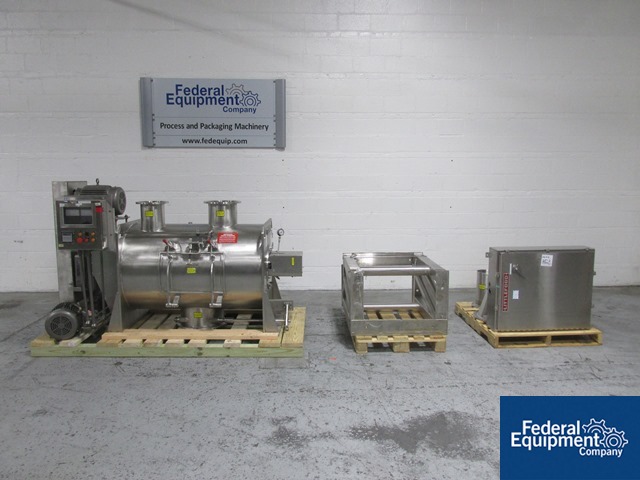
The mixer stands as a silent sentinel to an era when durability was measured in gleaming surfaces and unyielding chrome. Its presence evokes the paradox of Custom Chrome: a company that promised eternity, but could not escape the relentless passage of time.