In the pantheon of reality television, few shows have left as indelible a mark as those centered around the art of motorcycle customization. From the roar of engines to the gleam of polished chrome, these programs transformed the humble chopper into a cultural phenomenon, blending craftsmanship, family dynamics, and raw human drama. The journey from American Chopper to Choppertown is not just a chronicle of metal and motors—it’s a reflection of how television evolved to capture the soul of American ingenuity and sibling rivalry. This is the untold story of how a niche subculture became mainstream entertainment, and why its legacy still revs engines today.
The Birth of a Cultural Phenomenon: American Chopper and the Paul Teutul Legacy
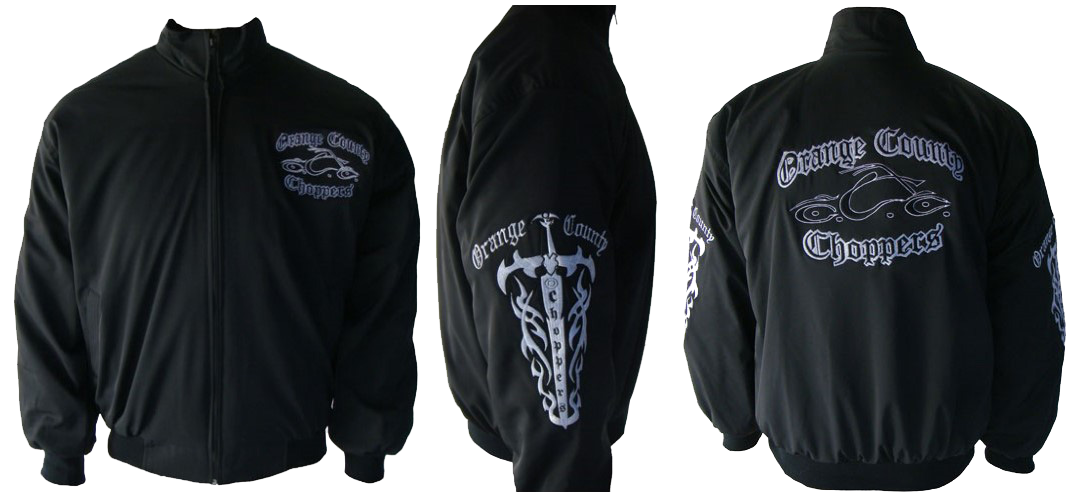
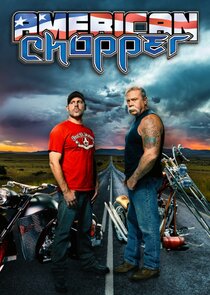
The late 1990s and early 2000s were a golden age for reality TV, a time when cameras invaded everyday lives and turned the mundane into must-watch television. Amidst this backdrop, American Chopper roared onto the scene in 2003, not just as a show about motorcycles, but as a family saga wrapped in steel and gasoline. At its core was Orange County Choppers (OCC), a small custom bike shop in New York, and the Teutul family—Paul Sr., the gruff patriarch; Paul Jr., the rebellious prodigy; and Michael, the quieter, more introspective brother. Their dynamic was a masterclass in televisual tension, a combustible mix of ambition, ego, and unspoken resentment.
The show’s genius lay in its simplicity: take a dying art form—hand-built choppers—and elevate it to high art through the lens of television. Each episode was a symphony of clashing hammers, hissing welders, and the occasional shouting match, all set to a soundtrack of classic rock. But beneath the surface, American Chopper was a cultural Rorschach test. Was it about the beauty of craftsmanship, or the ugliness of family dysfunction? Did it celebrate the American dream, or expose its fractures? The answers depended on who you asked—and that ambiguity is what made it unforgettable.

From Workshop to Watercooler: How the Show Redefined Reality TV
Before American Chopper, reality TV was dominated by contrived competitions and scripted drama. The Teutuls changed that. They brought authenticity—or at least the illusion of it—to millions of living rooms, proving that real-life conflict could be just as compelling as anything Hollywood could script. The show’s success wasn’t just in its ratings; it was in its cultural osmosis. Suddenly, people who had never swung a hammer before could debate the merits of a stretched frame or a fat-tire setup. Chopper culture seeped into mainstream consciousness, influencing everything from fashion to automotive design.
Yet, the show’s impact extended beyond the garage. It was one of the first to weaponize the “family business” trope, a narrative device that would later fuel hits like The Real Housewives and Pawn Stars. The Teutuls weren’t just builders; they were characters in a larger-than-life drama, their personalities exaggerated by the camera’s gaze. Paul Sr.’s gruff demeanor, Paul Jr.’s rebellious charm, and the ever-present shadow of sibling rivalry created a template for reality TV’s obsession with dysfunctional families. In many ways, American Chopper was the blueprint for the genre’s future—messy, addictive, and impossible to look away from.
The Chopping Block: Creative Differences and the Fracturing of OCC
No great drama is complete without a fall from grace, and American Chopper delivered in spades. The show’s golden years were marked by the creative tension between Paul Sr. and Paul Jr., a clash that mirrored the generational divide in American craftsmanship. Sr. was a traditionalist, a man who believed in the purity of the build and the discipline of the workshop. Jr., on the other hand, was a visionary, eager to push boundaries and embrace modern aesthetics. Their disagreements weren’t just about bikes; they were about the soul of the business.
The breaking point came in 2008 when Jr. left OCC to start his own shop, leaving behind a fractured legacy. The show followed suit, its narrative shifting from the warmth of a family business to the bitterness of a split. Fans were left to grapple with the same questions that haunted the Teutuls: Was this a story of growth or betrayal? Did Jr.’s departure signal the end of an era, or the beginning of something new? The answers were as complicated as the choppers themselves, and that’s what made the drama so compelling.

The Evolution of the Genre: From OCC to the Global Chopper Movement
The legacy of American Chopper didn’t end with its final episode. Instead, it sparked a global movement, inspiring countless spin-offs, imitators, and homages. Shows like Choppertown emerged in its wake, each offering a new perspective on the chopper culture. Where American Chopper was a family drama, Choppertown was a love letter to the craft, a celebration of the artisans who kept the tradition alive. It was less about the drama and more about the artistry, a shift that reflected the broader evolution of reality TV itself.
But the influence of American Chopper extended beyond television. It helped spawn a thriving industry of custom bike builders, from the neon-lit garages of Los Angeles to the quiet workshops of rural America. The show’s alumni—including Jr.’s new venture, Paul Jr. Designs—became industry leaders, their names synonymous with innovation and quality. Even the bikes themselves became cultural artifacts, displayed in museums and coveted by collectors. The chopper, once a symbol of rebellion, had been rebranded as a work of art.
The Unseen Legacy: How Chopper TV Changed the Way We Watch
To understand the true impact of American Chopper and its successors, you have to look beyond the bikes and the drama. You have to see it as a mirror held up to American culture in the 2000s—a time of economic boom, technological revolution, and deep societal divides. The show captured the tension between tradition and innovation, between family and individualism, between the old guard and the new wave. It was a microcosm of the country itself, a place where the past and future collided in a symphony of steel and gasoline.
Today, the legacy of chopper reality TV lives on, not just in reruns or streaming archives, but in the DNA of modern programming. The genre has evolved, but its roots are undeniable. Shows like Fast N’ Loud and Garage Rehab owe a debt to the Teutuls, just as they owe a debt to the pioneers who first dared to put a camera in a garage and call it entertainment. The chopper may have been the star, but the real story was always about the people who built them—and the people who watched.
So the next time you see a chopper rumbling down the highway, take a moment to think about the cameras, the crews, and the countless hours of drama that went into making it more than just a motorcycle. It’s a testament to the power of television, the allure of craftsmanship, and the unbreakable bond between family and steel.