There’s a moment in every gearhead’s life when the rumble of an engine isn’t just sound—it’s a symphony. It’s the moment when chrome gleams under the sun, when the scent of gasoline mingles with the faint tang of nostalgia, and when the open road beckons from behind the wheel of a machine that feels less like transportation and more like an extension of the soul. The Lead East Car Show is one such moment, a pilgrimage for those who understand that cars are more than steel and rubber; they are rolling works of art, mechanical poetry, and sometimes, even rebellious manifestos on four wheels.
The Dawn of a Mechanical Renaissance
Every year, as summer’s golden haze descends upon the horizon, Lead East rises like a phoenix from the asphalt, breathing new life into the automotive world. This isn’t just another car show—it’s a cultural reset, a place where the past and future collide in a glorious cacophony of pistons and paint. Here, vintage classics rub fenders with futuristic concept cars, and the unmistakable growl of a chopper’s engine cuts through the air like a challenge to convention.
The show’s origins are shrouded in the kind of lore that only enthusiasts can appreciate. Born from a love of the open road and a deep reverence for the machines that traverse it, Lead East has evolved into a sanctuary for those who see automobiles not as mere tools, but as symbols of freedom, innovation, and unapologetic individuality. It’s where the rebellious spirit of the 1950s greaser meets the precision engineering of modern hypercars, creating a tapestry of mechanical brilliance that leaves visitors breathless.
The Choppers: Rolling Sculptures of Rebellion
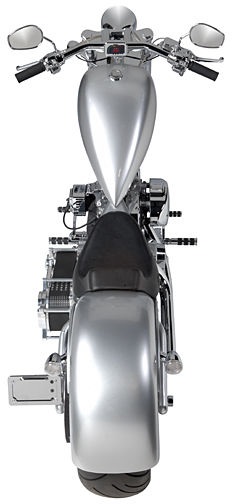
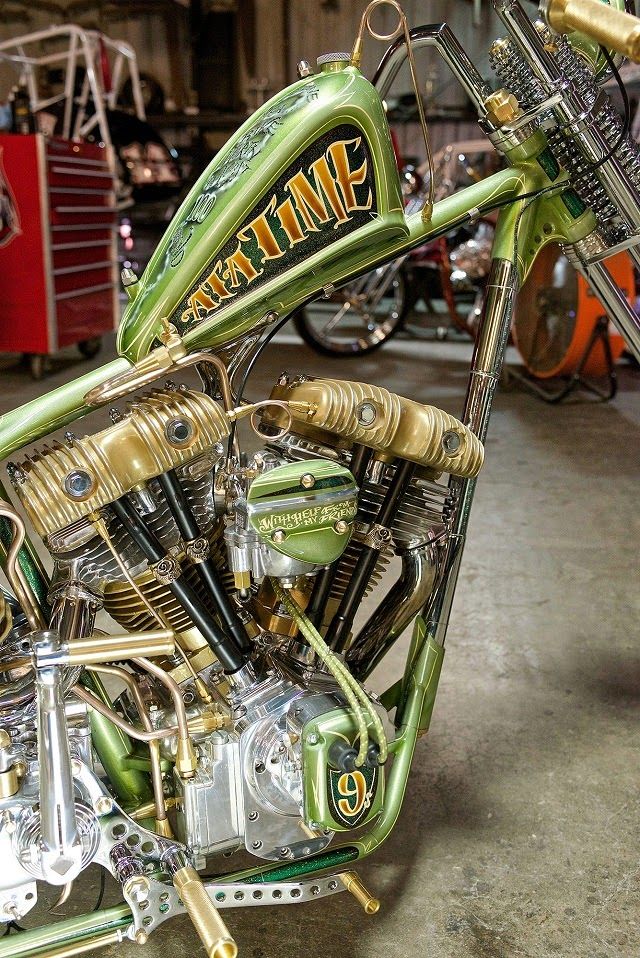
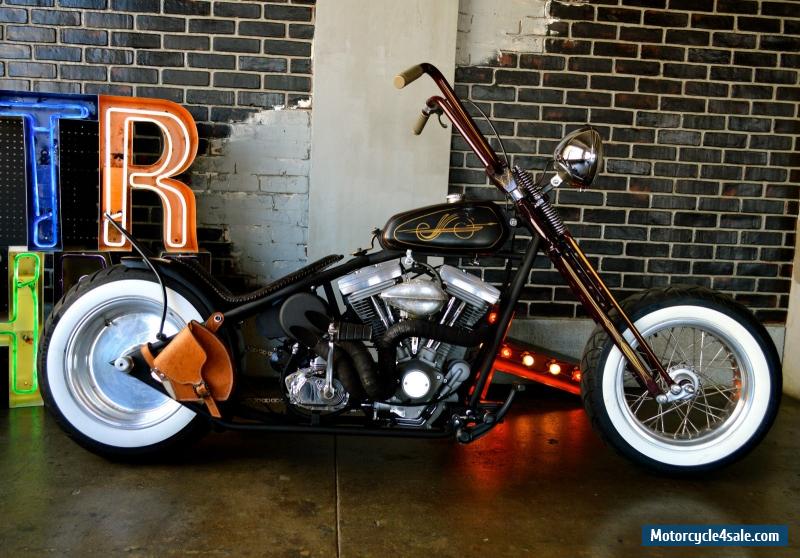
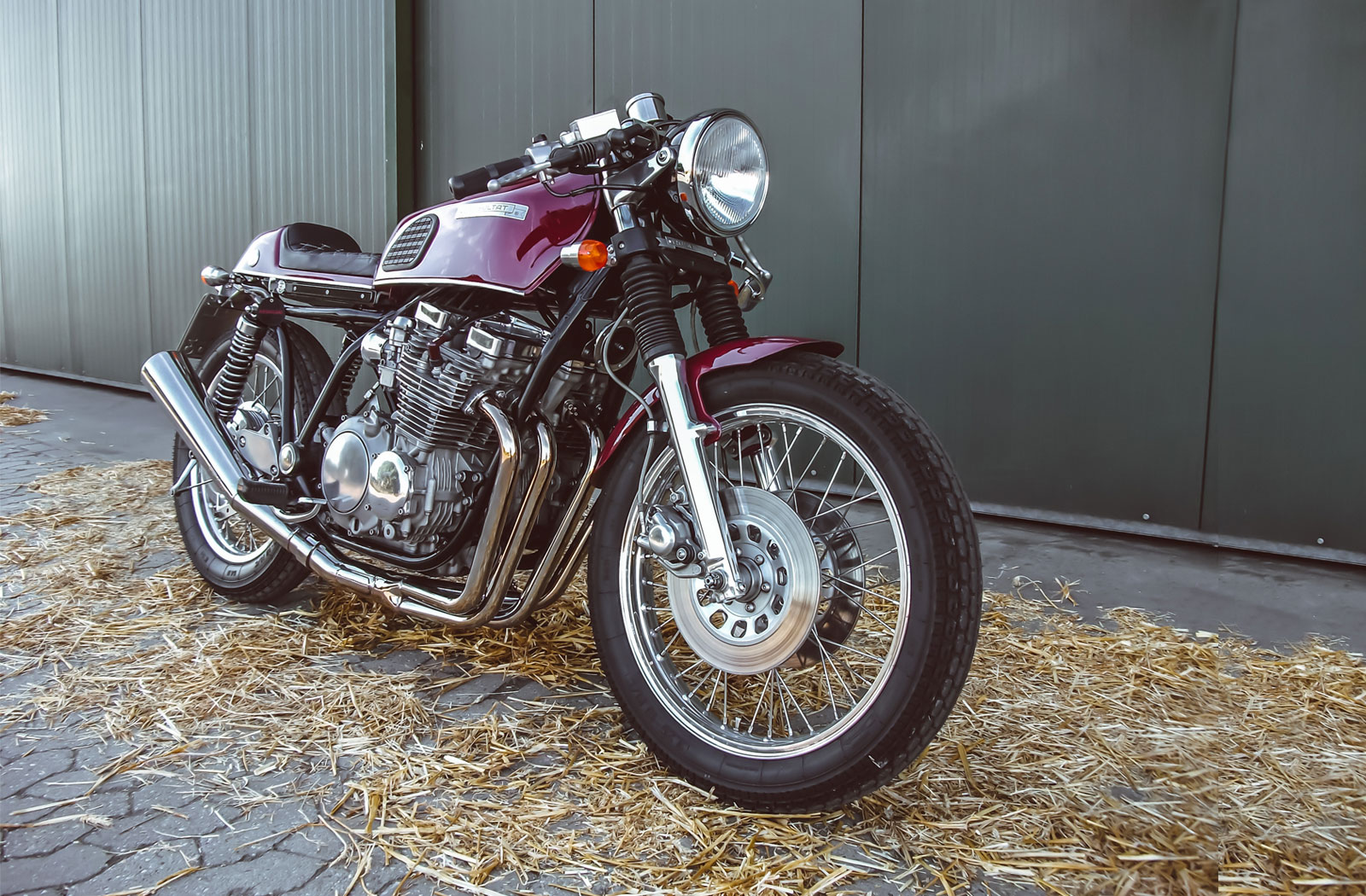
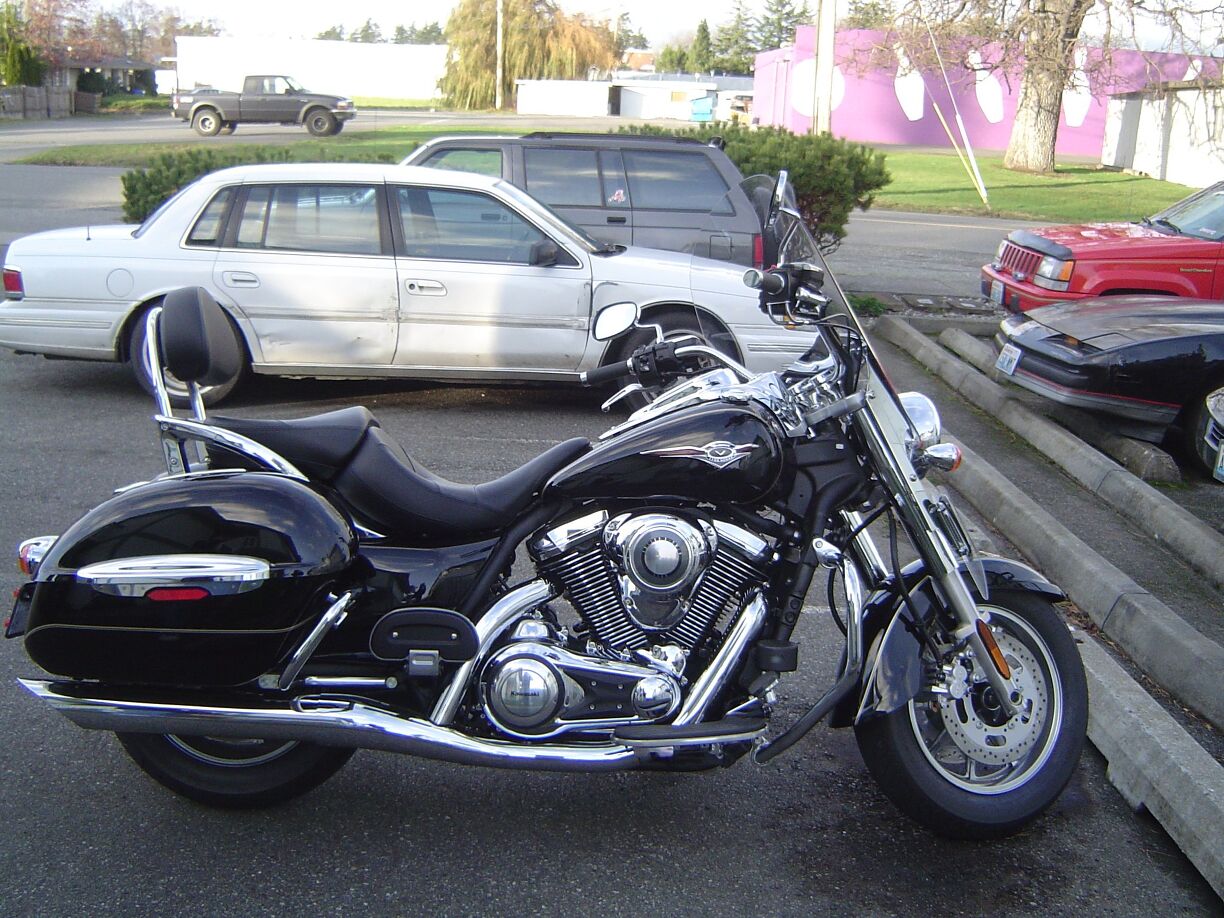
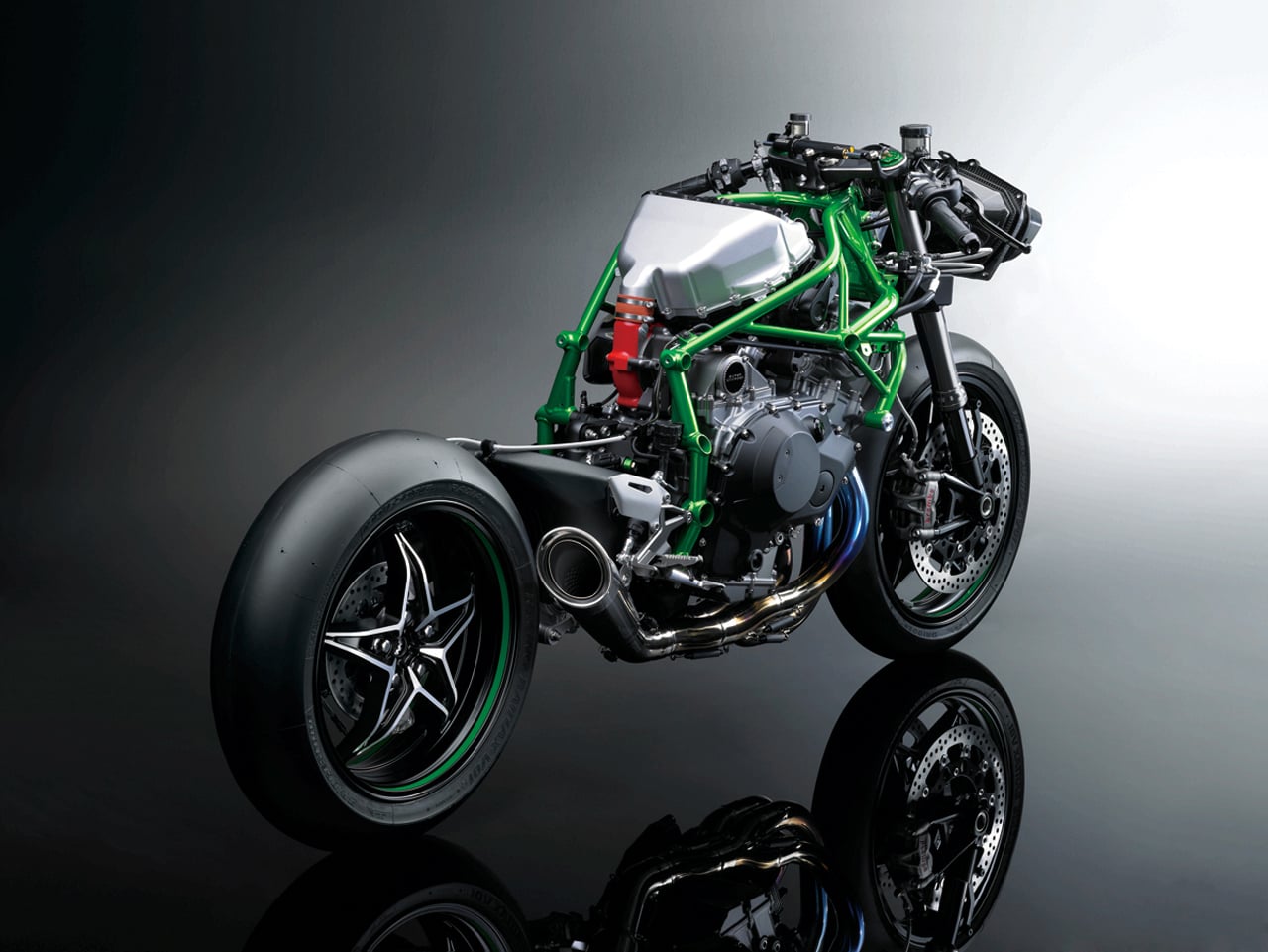
If cars are the heartbeat of Lead East, then choppers are its soul. These aren’t just motorcycles—they’re statements. Each chopper is a canvas, a three-dimensional manifesto of its rider’s personality, crafted from steel, leather, and sheer audacity. The term “chopper” itself evokes images of rebellion, of outlaw bikers carving their names into the asphalt of America’s forgotten highways. But at Lead East, choppers transcend their outlaw roots, becoming rolling sculptures that celebrate the art of customization.
Imagine a chopper with a frame so elongated it defies physics, its front wheel pushed forward like the prow of a Viking longship. Picture handlebars wrapped in worn leather, grips polished by a thousand miles of open-road dreaming. Or consider the paint—flames that lick the frame in hues of crimson and gold, each stroke a brushstroke in a masterpiece that begs to be touched, admired, and envied. These machines aren’t just ridden; they’re worshipped. They’re the kind of bikes that make passersby stop mid-stride, turn their heads, and whisper, “Now that’s a machine.”
At Lead East, choppers aren’t just displayed—they’re celebrated. Judges don’t just look at them; they feel them. They run their hands over the polished chrome, listen to the deep-throated purr of the engine, and imagine the miles these bikes have conquered. Because a chopper isn’t just a vehicle; it’s a journey, a testament to the rider’s spirit, and at Lead East, that spirit is immortalized in steel and sinew.
The Classics: Timeless Icons of a Bygone Era
Amidst the chrome and roar of modern machinery, the classics stand as silent sentinels of a time when automobiles were more than just transportation—they were works of art. Lead East’s classic car displays are a masterclass in nostalgia, a reminder that some machines were built not just to last, but to inspire generations. These are the cars that turned heads when they rolled off the assembly line, and they still do today, decades later.
Picture a 1957 Chevrolet Bel Air, its fins slicing through the air like the wings of a mythical bird. The paint is a deep, lustrous cherry, so flawless it looks like it was applied yesterday. The chrome gleams under the sun, reflecting the world around it in a kaleidoscope of light. Inside, the bench seats are upholstered in pristine white leather, the dashboard a symphony of chrome and polished wood. This isn’t just a car; it’s a time capsule, a rolling piece of Americana that whispers of sock hops, drive-in theaters, and the unshakable optimism of post-war America.
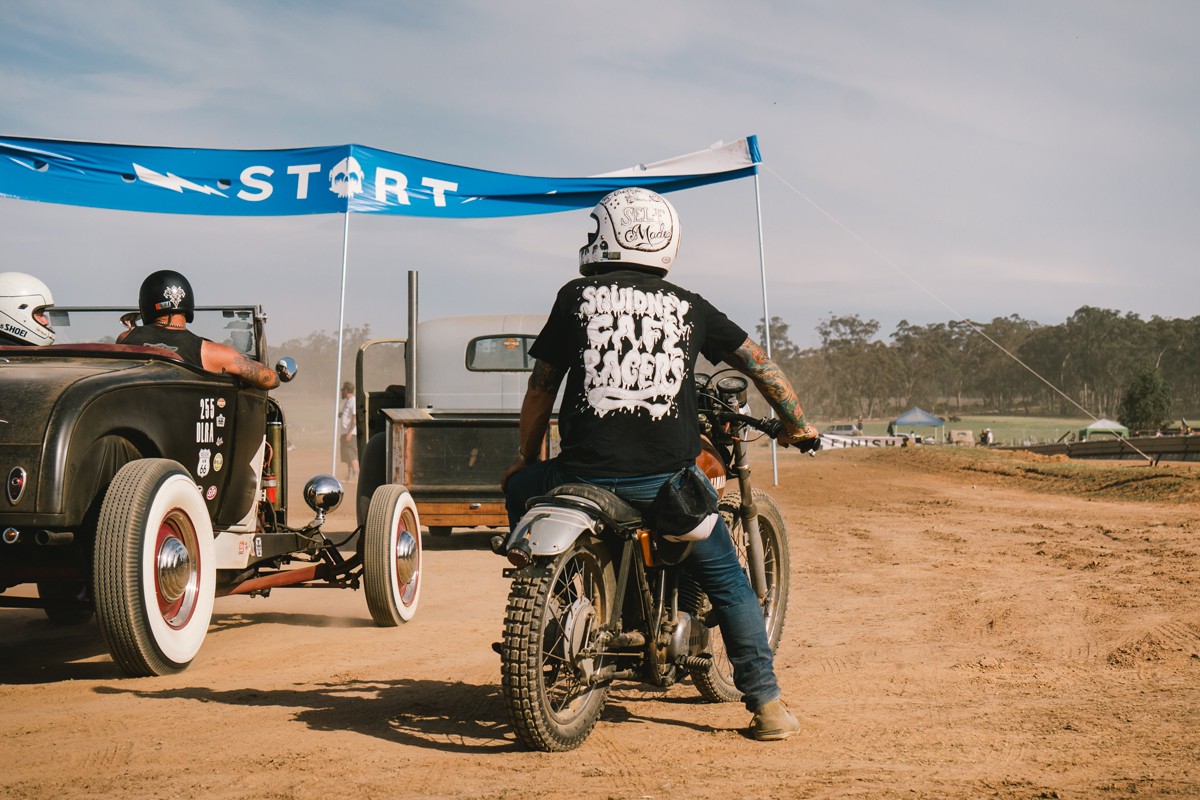
But Lead East isn’t just about the obvious icons. It’s also a stage for the rare, the obscure, and the downright bizarre. Here, you’ll find a 1932 Ford Roadster with a body so low it seems to hug the ground like a predator stalking its prey. There’s a 1967 Shelby GT500, its Cobra emblem a badge of honor, its engine bay a testament to the raw power that lurked beneath its hood. And then there’s the 1970 Plymouth Hemi ‘Cuda, a muscle car so legendary it doesn’t just command attention—it demands worship.
The Modern Marvels: Where Innovation Meets Artistry
While the classics evoke a sense of nostalgia, the modern marvels at Lead East push the boundaries of what’s possible, blending cutting-edge technology with breathtaking design. These aren’t just cars; they’re rolling laboratories, each one a testament to the ingenuity of engineers and the audacity of visionaries. From electric hypercars that accelerate faster than the human eye can track to autonomous vehicles that redefine the very concept of driving, Lead East is a showcase of the future—today.
Consider the hypercar that turns heads with its aerodynamic silhouette, its body sculpted by wind tunnels and computational fluid dynamics. The wheels are so large they seem to defy gravity, while the interior is a futuristic cockpit where touchscreens and holograms replace traditional gauges. This isn’t just a car; it’s a spaceship for the road, a machine that makes mere mortals question their place in the universe.
But innovation at Lead East isn’t just about speed and technology. It’s also about sustainability, about reimagining what it means to drive without leaving a carbon footprint. Here, you’ll find electric vehicles that prove green can be glamorous, their sleek designs and silent operation a stark contrast to the roaring engines of yesteryear. There are hydrogen-powered prototypes that hint at a future where fossil fuels are a relic of the past, and concept cars that look like they’ve been plucked from a sci-fi movie, their designs so radical they challenge the very notion of what a car should be.
The Community: A Brotherhood of Gearheads
Beyond the chrome and the roar of engines, Lead East is a gathering of like-minded souls—a brotherhood (and sisterhood) of gearheads who understand that cars are more than just machines. They are a language, a culture, and a way of life. The community at Lead East is as diverse as the vehicles on display, a melting pot of artists, engineers, mechanics, and dreamers who share a common passion.
Here, conversations flow as freely as the gasoline in a carbureted V8. Strangers become friends over a shared appreciation for a particularly stunning paint job. Enthusiasts debate the merits of a flathead V8 versus a modern turbocharged inline-six, their voices rising with the excitement of the discussion. Families bond over the shared wonder of a child’s first glimpse of a monster truck, their eyes wide with awe as the behemoth roars to life.
Lead East isn’t just a show; it’s a celebration of the automotive spirit in all its forms. It’s a place where the grease-stained mechanic can stand shoulder-to-shoulder with the polished engineer, where the weekend tinkerer can swap stories with the professional racer. It’s a reminder that the love of cars transcends age, gender, and background. Because at the end of the day, we’re all just kids with a need for speed.
The Experience: More Than Just a Show
To call Lead East a “car show” is like calling the Grand Canyon a “big hole in the ground.” It’s an understatement of epic proportions. Lead East is an experience, a sensory overload that engages every part of your being. It’s the smell of gasoline and hot dogs mingling in the air, the sound of engines revving in unison, the sight of chrome and leather gleaming under the sun, and the touch of a freshly polished fender that feels like silk beneath your fingertips.
But it’s also the intangible moments—the unexpected conversations, the serendipitous discoveries, the way a single glance at a beautifully restored ’69 Camaro can spark a lifelong friendship. It’s the thrill of sitting in the driver’s seat of a rare supercar, even if just for a moment, and imagining what it would be like to take it out on the open road. It’s the quiet pride of a builder showing off a project they’ve poured their heart and soul into, their eyes shining with the knowledge that they’ve created something truly special.
Lead East isn’t just something you attend; it’s something you feel. It’s a reminder that passion, when nurtured, can create magic. And in a world that often feels cold and mechanical, that magic is more precious than ever.
The Promise of Tomorrow
As the sun sets on another year at Lead East, casting long shadows across the asphalt, there’s a sense of anticipation in the air. Because Lead East isn’t just about celebrating the past or marveling at the present—it’s about looking to the future. It’s about the promise of what’s to come, the next generation of cars, the next wave of innovation, the next chapter in the never-ending story of human ingenuity.
Will we see flying cars? Autonomous vehicles that navigate traffic with the grace of a ballerina? Electric hypercars that shatter speed records without a single drop of gasoline? Whatever the future holds, one thing is certain: it will be shaped by the same spirit that drives Lead East—a spirit of passion, creativity, and unbridled ambition.
So, if you’ve ever felt the pull of the open road, if you’ve ever dreamed of a machine that could carry you beyond the ordinary, if you’ve ever looked at a car and thought, “I could build something better,” then Lead East is your calling. It’s more than a show. It’s a promise. A promise of adventure, of discovery, and of the endless possibilities that lie just beyond the horizon.