The motorcycle build-off genre is more than a televised spectacle—it’s a crucible where raw creativity meets mechanical alchemy, where the hum of an engine becomes a symphony of ambition, and where the sparks of competition ignite the forge of innovation. This is the story of a genre that once roared to life with the ferocity of a freshly tuned V-twin, captivating audiences with its blend of artistry, engineering, and sheer audacity. Yet, like the best-built machines, it faced the inevitable wear of time, its once-thrilling engine sputtering into obsolescence. To understand its rise and fall is to trace the arc of human ingenuity, ambition, and the relentless march of cultural evolution.
The Genesis: When Sparks Met Steel
The motorcycle build-off genre emerged from the primordial ooze of late 20th-century television, a time when cable channels were desperate for content that could cut through the noise of sitcom reruns and game shows. It was a reaction to the growing hunger for authenticity—a craving for something real, something that bled oil and sweat. The genre’s DNA was spliced from two rebellious strands: the DIY ethos of motorcycle culture and the cutthroat drama of reality TV. At its core, it was a celebration of the underdog—the backyard mechanic, the tinkerer with a dream, the artist who saw a pile of scrap metal not as waste, but as potential.
The appeal was immediate and visceral. Audiences were drawn to the spectacle of transformation: a rusted-out husk of a motorcycle, once consigned to the scrap heap, reborn as a gleaming testament to human ingenuity. The build-off wasn’t just about speed or power; it was about storytelling. Each bike carried a narrative—a tale of struggle, of late nights in the garage, of the quiet triumph of seeing a project through to completion. The genre tapped into something primal: the human desire to create, to conquer, and to be seen doing it.
The Golden Age: When the Genre Roared
The heyday of the motorcycle build-off was a golden age of television, a period when the genre wasn’t just popular—it was a cultural phenomenon. Shows like *Biker Build-Off* became the mechanical equivalent of a gladiatorial arena, where builders clashed not with swords, but with wrenches, welding torches, and sheer willpower. The format was simple yet brilliant: two builders, two bikes, one challenge, and a ticking clock. The tension was palpable, the stakes high, and the creativity unbounded.
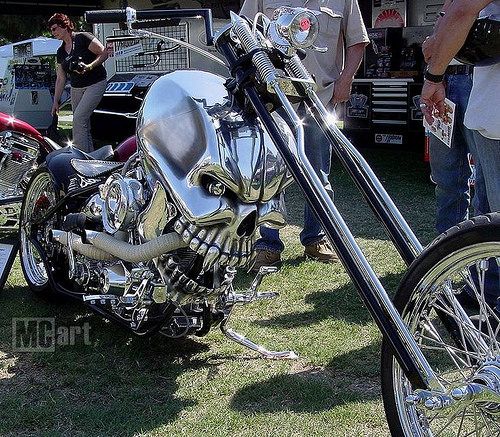
What made the genre so magnetic was its refusal to conform. There were no rigid rules, no corporate overlords dictating what a motorcycle should look like. Instead, the genre thrived on chaos—on the unexpected, the unorthodox, the downright bizarre. A bike might start as a humble Honda CB750, only to emerge as a steampunk monstrosity with gears that whirred like a Victorian automaton. Another might be a sleek, minimalist masterpiece, its lines so clean they seemed to defy physics. The genre was a playground for the imagination, a place where the only limit was the builder’s audacity.
Yet, for all its anarchic energy, the genre had a heart. It was a community—a brotherhood (and sisterhood) of builders, fans, and dreamers who shared a common language of metal and motion. The build-off wasn’t just entertainment; it was a movement. It gave voice to those who felt marginalized by the mainstream, who saw beauty in the rough edges of life. It was, in every sense, a rebellion on two wheels.
The Cracks in the Engine: When the Genre Began to Stutter
But like all revolutions, the motorcycle build-off genre was not immune to the corrosive effects of time. What began as a wild, untamed beast slowly began to calcify. The format, once a breath of fresh air, became predictable. The challenges grew stale. The builders, once rebels, became brands. The genre’s refusal to evolve became its Achilles’ heel.
The first sign of trouble was the homogenization of the bikes. What had once been a riot of individuality became a parade of carbon-fiber clones, each more polished than the last. The raw, unfiltered creativity that had defined the genre gave way to a sterile, corporate aesthetic. Builders were no longer artists; they were influencers, their personalities as carefully curated as their machines. The soul of the genre—the unapologetic, gritty, DIY spirit—was slowly drained away.
Worse still, the genre became a victim of its own success. The more popular it grew, the more it attracted the attention of marketers and advertisers. Sponsorships turned builders into walking billboards. The once-sacred garage became a stage, and the magic of creation was replaced by the hollow spectacle of performance. The audience, too, began to change. They were no longer participants in the revolution; they were consumers, passive observers of a show that had lost its edge.

The Slow Death: When the Genre Ran Out of Gas
The decline of the motorcycle build-off genre was not a sudden collapse, but a slow, inexorable slide into irrelevance. It was like watching a once-mighty engine sputter and die, its pistons locking in protest as the oil ran dry. The final nail in the coffin was the rise of streaming platforms and the fragmentation of media consumption. The genre, which had thrived on the communal experience of gathering around a TV, found itself adrift in a sea of on-demand content.
Yet, even in its death throes, the genre left behind a legacy that would outlive it. The motorcycle build-off taught us that creativity is not a commodity to be packaged and sold, but a force of nature that cannot be tamed. It showed us the power of storytelling, of turning the mundane into the extraordinary. And it reminded us that true artistry is not about perfection, but about the messy, beautiful process of creation.
Today, the genre lives on in the hearts of those who remember its heyday. It survives in the garages of builders who still tinker with scrap metal, in the forums where fans debate the merits of a 1972 Triumph Trident over a 1983 Suzuki GSX-R. It endures in the spirit of rebellion, in the refusal to conform, in the unshakable belief that anything is possible if you’ve got the right tools, the right mindset, and a little bit of crazy.
The Phoenix: What Comes Next for the Build-Off Spirit?
So, is the motorcycle build-off genre truly dead, or is it merely waiting to rise again, phoenix-like, from the ashes of its own demise? The truth is, the spirit of the build-off never really died. It simply found new outlets, new platforms, new ways to express itself. The rise of online communities, the proliferation of DIY videos, and the resurgence of interest in handmade, custom everything have all breathed new life into the genre.
The future of the motorcycle build-off may not lie in the sterile confines of a television studio, but in the wild, untamed world of the internet. It may not be a show, but a movement—a global network of builders, dreamers, and rebels who share a common passion for turning metal into magic. The genre’s DNA is still there, waiting to be spliced into something new, something fresh, something that can once again capture the imagination of a generation.
Perhaps the next iteration of the build-off will be decentralized, a digital agora where builders from around the world can compete, collaborate, and inspire. Maybe it will be a fusion of old and new, a blend of analog craftsmanship and digital innovation. Whatever form it takes, one thing is certain: the spirit of the motorcycle build-off will never truly die. It will always be there, in the hum of an engine, in the gleam of a freshly welded frame, in the unshakable belief that the next build could be the greatest of all.