The world of entertainment is no stranger to audacious fusions, but few spectacles can rival the sheer, unhinged brilliance of a “Chopper crossover show.” Imagine, if you will, a mechanical symphony where chrome gleams like liquid starlight, engines roar like the throats of ancient titans, and the very air hums with the electricity of rebellion. This is not merely a collision of genres—it is a total wrecklamation, a phoenix-like rebirth of two wildly divergent worlds into something gloriously, unapologetically bizarre. At its core, this phenomenon is less about coherence and more about the intoxicating thrill of the unexpected, a carnival of contrasts where the sacred and the profane waltz in a haze of neon and steel.
The Alchemy of Opposites: Where Motorcycles Meet Madness
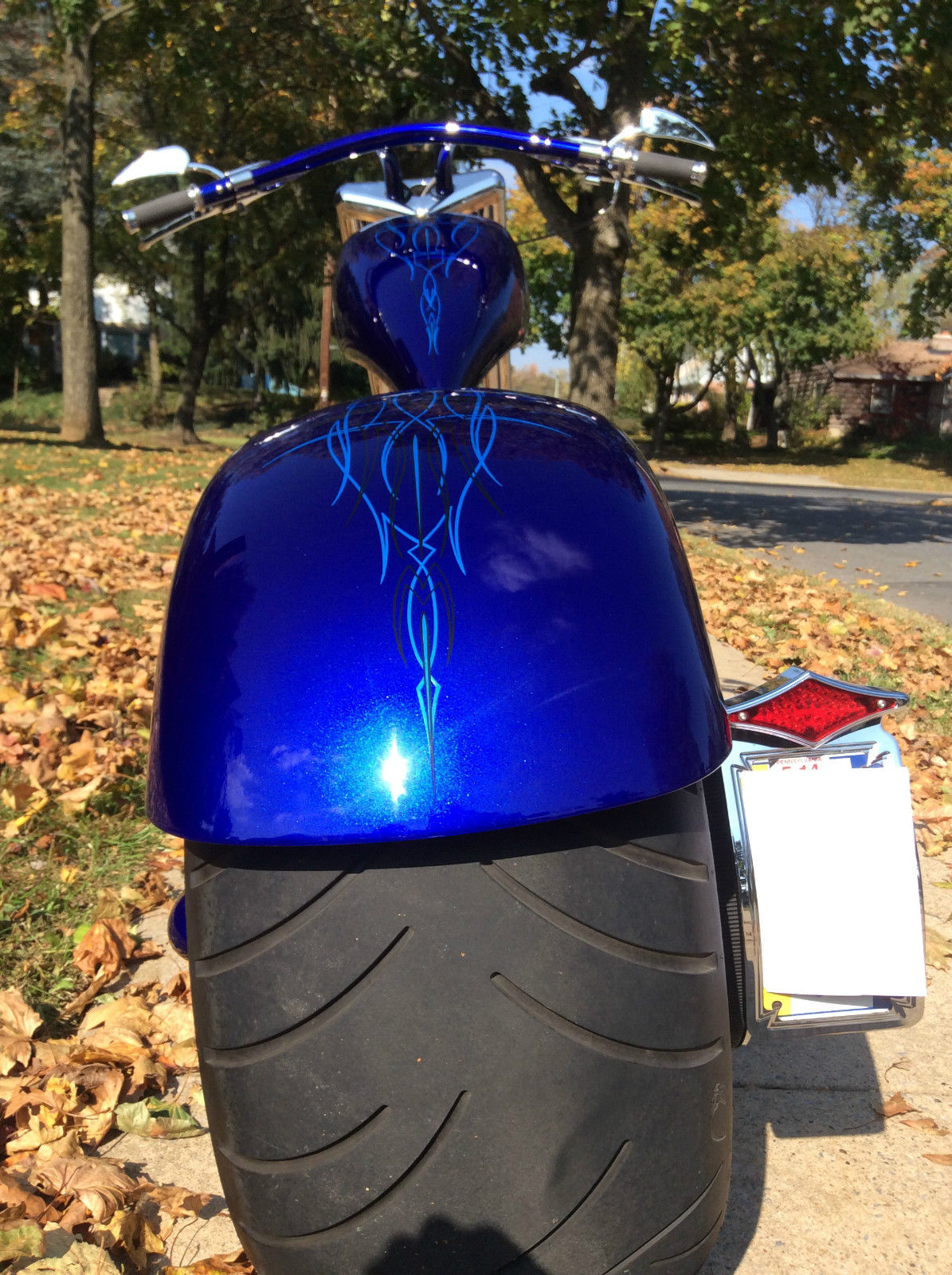
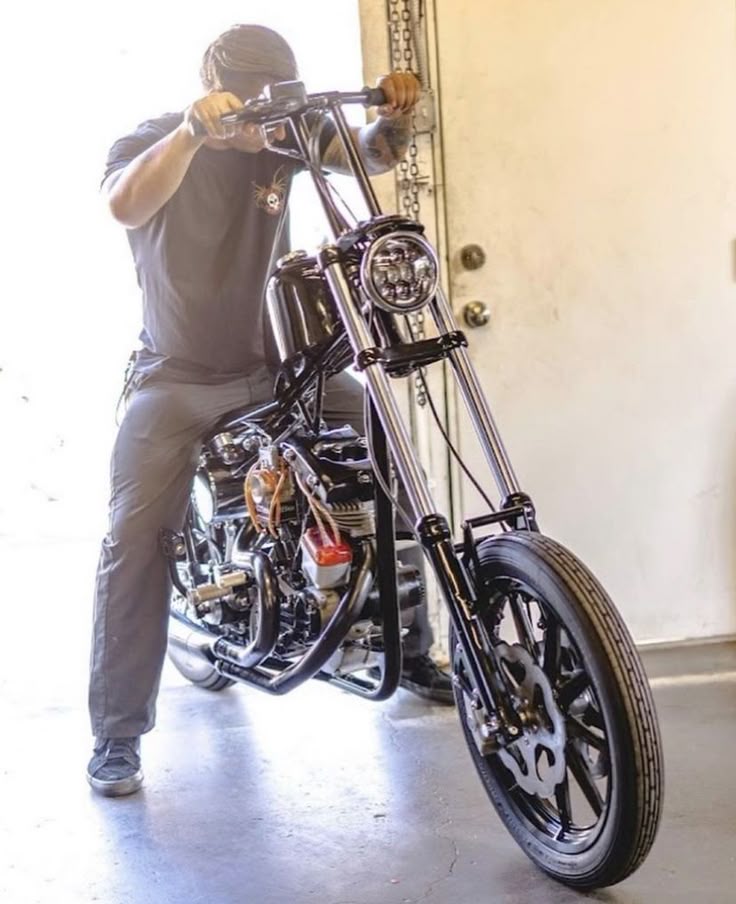
Picture, if you dare, the archetypal chopper: a beast of customization, its elongated frame a canvas for the wildest dreams of its creator. It is a machine that defies the mundane, its very existence a middle finger to the assembly line. Now, juxtapose this with the unbridled chaos of a live television show, a stage where personalities clash like cymbals in a storm. The result is not a mere collision but a chemical reaction, one that births something entirely new—a hybrid entity that thrives on the tension between precision and pandemonium.
The chopper, in its raw, unfiltered form, is a symbol of individuality, a rolling manifesto of “I do as I please.” When it infiltrates the controlled chaos of a talk show, the dynamic shifts from spectacle to symphony. The host’s polished rhetoric meets the chopper’s guttural growl; the studio’s fluorescent lights reflect off the machine’s polished surfaces, creating a kaleidoscope of visual dissonance. It is a clash of cultures, and yet, in that clash, a strange harmony emerges. The chopper becomes more than metal and rubber—it becomes a character, a prophet of rebellion in a world that often demands conformity.
The Stage as a Canvas: Light, Sound, and the Sublime Absurd
To stage a chopper within the confines of a television set is to treat the entire production as a living, breathing art installation. The lighting must dance around the machine, casting shadows that elongate its already exaggerated silhouette. The sound engineers must balance the crisp clarity of dialogue with the thunderous heartbeat of the engine, ensuring that neither drowns the other. It is a high-wire act, one that demands precision but rewards audacity.
Consider the visual feast: the chopper’s gleaming chrome reflects the studio’s strobes, turning the set into a hall of mirrors where reality bends and warps. The host, now a ringmaster in this circus of the unexpected, must navigate the performance with the grace of a tightrope walker. Too much focus on the machine, and the human element fades into the background. Too little, and the moment loses its magic. The sweet spot lies in the interplay—the way a raised eyebrow from the host can mirror the tilt of the chopper’s handlebars, the way a shared laugh can sync with the engine’s rhythmic purr.

This is not mere entertainment; it is a performance art piece where the boundaries between host and machine blur. The chopper is no longer a static prop but a co-star, its presence demanding attention, its roar a counterpoint to the host’s voice. It is a reminder that television, at its best, is not just a window into another world but a hall of mirrors reflecting our own desires for the extraordinary.
The Audience’s Role: From Spectators to Participants
The true magic of a chopper crossover show lies in its ability to transform the audience from passive observers into active participants. In a traditional talk show, the viewer is a voyeur, peering into the lives and minds of others. But when a chopper rolls onto the set, the dynamic shifts. The machine is not just for show—it is an invitation. An invitation to question, to marvel, to laugh, to feel the pulse of something raw and unfiltered.
Social media amplifies this effect. Viewers are no longer content to merely watch; they dissect, debate, and celebrate. Memes are born. Trends are sparked. The chopper becomes a cultural touchstone, its image circulating like a digital campfire story. The audience’s engagement is no longer a one-way street but a feedback loop, where the spectacle feeds their reactions, and their reactions, in turn, fuel the spectacle. It is a self-sustaining ecosystem of awe, a testament to the power of the unexpected to unite strangers in a shared moment of wonder.
The chopper, in this context, is more than a machine. It is a catalyst, a spark that ignites conversations that extend far beyond the confines of the studio. It challenges the audience to see the world through a different lens, to embrace the weird, the wonderful, and the downright wacky. In doing so, it reminds us that life is not a neatly packaged narrative but a chaotic, beautiful mess—and sometimes, the mess is the best part.
The Host’s Dilemma: Balancing Wit and Wreckage
For the host of such a show, the challenge is Herculean. They must be equal parts comedian, commentator, and ringmaster, guiding the audience through a landscape where the only rule is that there are no rules. The chopper is not just a prop; it is a wild card, a joker in the deck that can upend the entire hand at any moment. The host must be nimble, their wit as sharp as the machine’s edges, their timing as precise as the engine’s roar.
Consider the host’s interaction with the chopper. Do they treat it with reverence, as a sacred artifact of mechanical artistry? Or do they approach it with irreverence, poking fun at its exaggerated proportions or the sheer audacity of its design? The answer lies in the host’s ability to read the room, to sense the audience’s pulse, and to steer the conversation toward a place where laughter and awe coexist. It is a delicate dance, one that requires both confidence and humility.
Yet, when executed flawlessly, the host’s role transcends mere hosting. They become a storyteller, weaving a narrative that encompasses the chopper’s history, its cultural significance, and its place in the grand tapestry of human creativity. They are the bridge between the machine and the audience, translating the language of steel and rubber into something relatable, something human. In doing so, they elevate the spectacle from a mere stunt to a cultural moment, a shared experience that lingers long after the credits roll.
The Legacy of the Wrecklamation: Why It Matters
At its heart, the chopper crossover show is a celebration of the human spirit’s relentless pursuit of the extraordinary. It is a defiant middle finger to the idea that entertainment must be safe, predictable, or sanitized. In a world that often feels increasingly homogenized, these moments of glorious weirdness are a lifeline, a reminder that creativity knows no bounds.
The legacy of such a spectacle is not measured in ratings or revenue but in the indelible mark it leaves on the cultural landscape. It challenges us to embrace the absurd, to find joy in the unexpected, and to celebrate the things that make us different. The chopper, with its exaggerated frame and thunderous presence, becomes a symbol of this ethos—a beacon for those who refuse to conform, who dare to dream in chrome and steel.
In the end, the total wrecklamation of a chopper crossover show is more than a fleeting moment of entertainment. It is a testament to the power of fusion, the beauty of chaos, and the unbreakable human spirit. It is a reminder that life is not meant to be lived in neat little boxes but in a glorious, messy, beautiful collision of ideas, cultures, and machines. And if that isn’t worth celebrating, then what is?