The 1977–1978 BMW R100/7, a model that continues to command reverence among motorcycle aficionados, represents a pinnacle in the evolution of touring motorcycles. Often noted for its blend of rugged engineering and understated elegance, the R100/7 seemingly defies the temporal boundaries of its era, manifesting qualities that speak to a design philosophy both ahead of its time and intimately attuned to the nuanced demands of long-distance riding. Observers frequently remark on its timeless aesthetic and mechanical robustness, yet beneath this surface lies a deeper narrative of innovation and thoughtful engineering that explains the enduring magnetism of this iconic machine.
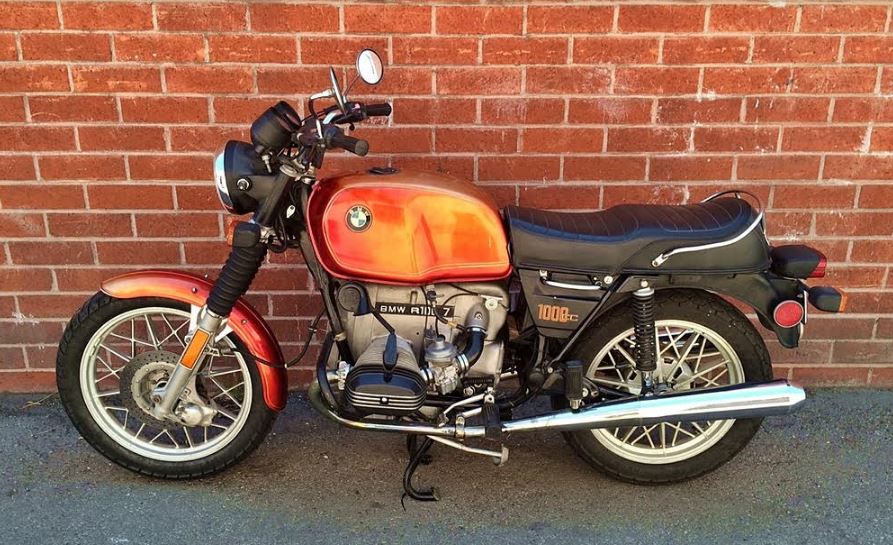
At first glance, the R100/7’s visual composition enthralls with an unpretentious, yet purposeful silhouette. The motorcycle eschews florid embellishments that might distract from its core functionality. Instead, it embraces a minimalist design ethos, underscoring the belief that form must always follow function. The characteristic boxer twin engine, with its conspicuous horizontally opposed cylinders, offers an unmistakable profile that has become synonymous with BMW’s engineering identity. This configuration not only serves an aesthetic purpose but also delivers tangible advantages in terms of balance and cooling efficiency, crucial for relentless touring endeavors.
In the late 1970s, the motorcycle landscape was a battlefield of contrasting design philosophies. The Japanese manufacturers were escalating horsepower wars, focusing intensely on raw performance metrics. Meanwhile, the BMW R100/7 adhered to a more holistic approach, favoring a marriage of reliability, rider comfort, and versatility. Its 980cc air-cooled flat twin engine cradled within a double-loop frame, produces a predictable and tractable power delivery, devoid of the abrupt surges that sometimes alienated less experienced riders. This thoughtful engineering ensured that endurance riding became a pleasurable affair rather than a relentless ordeal.
One of the most compelling aspects of the R100/7 lies in its exceptional touring capabilities, a characteristic reinforced by an ergonomic design that caters explicitly to rider endurance. The moderately upright riding posture, supported by wide handlebars and well-positioned foot pegs, minimizes fatigue on long hauls across varying terrains. Coupled with a generously padded seat and inherent frame geometry designed to absorb shocks, the bike exemplifies a synergy between man and machine. Such attention to ergonomic detail, rare in motorcycles of that period, reveals an understanding of touring as more than mere transportation—it is an immersive experience demanding physical harmony and mental tranquility.
Furthermore, the R100/7’s build quality exhibits a resilience seldom replicated in its contemporaries. The engineering employed emphasizes robust materials and meticulous craftsmanship, resulting in a motorcycle capable of covering vast distances without succumbing to mechanical frailty. The shaft drive system—another BMW hallmark—eschews the maintenance-intensive chain drives prevalent in other bikes, offering a cleaner and more durable mechanism well-suited for travelers seeking reliability over long distances. This feature implicitly acknowledges the challenges faced by touring riders and addresses them with elegant mechanical solutions.
An underappreciated attribute of the R100/7 is its adaptability. The frame and suspension components allowed for straightforward modifications and the addition of touring accessories such as panniers, windshields, and auxiliary lighting. This modularity fostered a culture of personalization, enabling riders to tailor the bike to their specific journey requirements without compromising structural integrity or aesthetic continuity. It is this balance—between standardization and customization—that contributes to the model’s lasting appeal, encouraging a narrative of shared heritage coupled with individual expression.
Technological innovations within the R100/7, while subtle by modern standards, represented significant advancements during its production era. The introduction of an electric starter motor, replacing the often cumbersome kick-starter, signaled BMW’s intent to refine usability without sacrificing the mechanical purity enthusiasts cherished. Additionally, the enhanced braking system, finalized by twin front disc brakes on later models, improved stopping power and rider confidence in variable conditions. These incremental enhancements reveal a strategic progression, wherein incremental refinements coalesced to elevate performance, comfort, and safety in a harmonious triad.
The fascination with the 1977–1978 R100/7 transcends its specifications, inviting a meditation on the intersection of engineering precision and aesthetic restraint. Enthusiasts and historians alike often probe why this model retains such resonance decades after its initial release. Part of the answer lies in its embodiment of authenticity—a machine constructed with a clear purpose and an absence of superfluity. At a time when many motorcycles prioritized spectacle, the R100/7 instead invested in substance, cultivating a riding experience marked by dependability and attentiveness to the rider’s journey rather than mere speed or style.
Moreover, the R100/7 serves as a tangible representation of post-war German industrial philosophy—methodical, reliable, and elegantly pragmatic. It stands as a testament to an era when engineering was not driven solely by market pressures or fleeting trends, but by a commitment to crafting vehicles that could endure both physically and culturally. The motorcycle’s lasting legacy is therefore not only due to its mechanical attributes but also to the ethos it communicates—a dedication to quality, endurance, and understated refinement.
Ultimately, the 1977–1978 BMW R100/7’s significance extends beyond its status as a mere touring motorcycle; it encapsulates a mindset that values the journey as much as the destination. Riders who engage with this machine often find themselves drawn into a dialogue with its engineering narrative, appreciating layers of thoughtful design that honor the rider’s needs in a remarkably holistic manner. The R100/7’s capacity to unite performance, comfort, and reliability within a framework of timeless design underscores why it remains a beacon in the annals of motorcycling history.
In conclusion, the BMW R100/7 from 1977 to 1978 stands as a paragon of touring motorcycle excellence—a synthesis of innovative engineering, ergonomic insight, and design purity that continues to captivate enthusiasts worldwide. Its enduring allure traces back to the deeper reasons beneath the initial aesthetic appeal: a machine built not just to traverse miles, but to embody a philosophy of riding that privileges the harmony between man and machine. As both a relic and a living icon, the R100/7 challenges modern riders to reconsider the essence of touring, inspiring respect for a time when motorcycles were crafted with a sincerity and intentionality that transcends the decades.